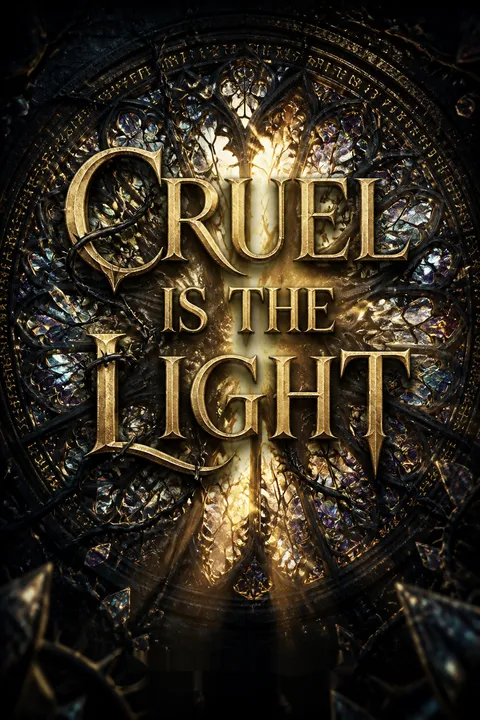

Plot Summary
War's Unholy Bargain
Europe is ravaged by a relentless war between demons and humanity, with the Vatican at the center, wielding exorcists and artificers as weapons. Selene Alleva, a prodigy exorcist known as the Butcher of Rome, and Jules Lacroix, a battle-hardened soldier, are forged by violence and loss. Both are shaped by a world where the Vatican's power is built on secrets and the blood of demons. The Vatican's hierarchy is rigid, its magic stolen, and its faith corrupted by necessity. As the war grinds on, the lines between good and evil blur, and the cost of survival grows ever higher. The stage is set for a collision of destinies, where love, loyalty, and power are all tainted by the darkness at the heart of the Holy Vatican Empire.
The Butcher and the Scarred
Selene leads her team against a demon infestation in Rome, her reputation as the Butcher both feared and resented. Her magic, carved into her bones, is powerful but self-destructive. Meanwhile, Jules, a scarred veteran, survives the trenches by killing demons with ruthless efficiency, his arms marked with scars for every life taken. Both are haunted by loss—Selene by her father's execution and Jules by the deaths of comrades. When their paths cross, initial distrust gives way to a reluctant partnership, complicated by a growing, forbidden attraction. Each is drawn to the other's strength and vulnerability, even as their duties threaten to tear them apart.
Demons in the Blood
The Vatican's exorcists wield magic by carving symbols into their flesh, drawing on the blood of demons to fuel their power. Selene's magic is unique—dangerous, addictive, and slowly consuming her soul. Jules, marked since infancy, discovers his own connection to demonic power, his scars more than just a tally of kills. The world is divided into classes of demons, from ephemeral curses to the catastrophic dukes. The Vatican's hierarchy is mirrored in its magic: power is both a blessing and a curse, and every use brings exorcists closer to corruption or death. The cost of victory is measured in blood, and the line between hunter and hunted grows thin.
Secrets Beneath the Vatican
Beneath the Vatican's grandeur lies a labyrinth of secrets. Selene's family history is stained by betrayal—her father executed for heresy, her uncle Cesare rising to power as Imperium Bellum. The Deathless God, crucified at the heart of the Vatican, is both a symbol of faith and a source of forbidden magic. Selene's investigations reveal that the Vatican's power is built on demonic knowledge, and that the wards protecting Rome are failing. As she delves deeper, she uncovers evidence of a conspiracy: the true nature of the Deathless God, the origins of the wards, and the Vatican's willingness to sacrifice anything to maintain control.
The Orphan's Mark
Jules, abandoned as a baby in Saint-Jeannet and raised in a Nice orphanage, is haunted by the mystery of his origins. A silver circlet of thorns, carved into his flesh at birth, binds his power and marks him as other. His search for identity leads him to the ruins of his birthplace, destroyed by demonic fire. With the help of his childhood friend Kian, Jules uncovers clues that point to a connection with the highest echelons of demonkind. As he draws closer to the truth, he becomes a target—not just of the Vatican, but of the demons themselves. His fate is entwined with forces far greater than he imagined.
Forbidden Alliances
Selene and Jules's partnership deepens into a forbidden romance, fraught with danger and divided loyalties. Their attraction is undeniable, but their duties and secrets threaten to destroy them. Selene is torn between her love for Jules and her loyalty to Rome; Jules is forced to confront the truth of his demonic heritage. Allies become enemies, and enemies become allies, as the lines between good and evil blur. The Vatican's compact with part-demons is revealed to be a fragile truce, maintained through cruelty and fear. In the shadows, the Duke of Briars—Baliel—returns, his presence heralding catastrophe.
The Duke of Briars Returns
The demon duke Baliel, known as the Duke of Briars, returns to Rome, breaking the wards and sowing chaos. His power is overwhelming, his motives enigmatic. Selene is tasked with hunting him, but soon realizes that Baliel's true target is not the Vatican, but Jules. Baliel's connection to Jules is revealed: he is Jules's grandfather, and the Deathless God is Jules's father. The revelation upends everything Selene and Jules thought they knew about themselves and their world. As Baliel's machinations unfold, the Vatican's defenses crumble, and the city teeters on the brink of destruction.
Masks and Masquerades
Amidst the glittering chaos of the Carnival Masquerade, masks both literal and figurative are stripped away. Selene and Jules navigate a web of intrigue, betrayal, and shifting allegiances. The masquerade becomes a battleground for power, as Baliel moves to break the final ward and free the Deathless God. Selene's uncle Cesare is revealed as a traitor, colluding with Baliel to seize ultimate power. In the heart of the Vatican, love and loyalty are tested to the breaking point. Selene and Jules must decide where they stand—and what they are willing to sacrifice.
Betrayal in the Heart
Cesare's betrayal is complete: he orchestrates the breaking of the wards, manipulates Baliel, and seeks to harness the Deathless God's power for himself. Selene, devastated by the loss of trust and family, is forced to confront her own complicity in the Vatican's crimes. Jules is captured, tortured, and nearly executed, his demonic nature exposed. Allies fall, and the Vatican's leadership fractures. In the Cor Cordium, the heart of the Vatican, Selene faces Cesare in a final, brutal confrontation. The fate of Rome—and the world—hangs in the balance.
The Breaking of Wards
As Baliel destroys the final ward, the Vatican is left vulnerable to demonic incursion. The Deathless God stirs, his agony echoing through Jules's blood. Selene and Jules, both wounded and hunted, race to uncover the last secrets of Selene's family and the true nature of the Vatican's power. In a desperate gambit, they free the Deathless God, unleashing a force that cannot be controlled. The boundaries between human and demon, love and duty, are obliterated. The world is remade in fire and blood.
The Deathless God's Prison
The Deathless God, revealed as a demon king and Jules's father, is freed from centuries of torment. His awakening is both a miracle and a catastrophe, as his power threatens to consume everything. Selene and Jules, united by love and shared purpose, confront the consequences of their choices. The Vatican's lies are laid bare, and the cost of faith is revealed to be unbearable. In the ruins of the old order, new possibilities—and new dangers—emerge.
Blood and Revelation
In the aftermath of the Deathless God's release, Selene and Jules grapple with the revelations that have shattered their world. The Vatican's power is broken, its leadership discredited. Selene's faith is transformed, her loyalty now to truth and love rather than dogma. Jules, no longer bound by shame or secrecy, embraces his identity as both demon and human. Together, they forge a new path, determined to protect what remains of Rome and each other. The world is forever changed, but hope endures.
The Fall of the Imperium
Cesare's defeat marks the end of the old Vatican order. The College of Cardinals assumes control, vowing to root out corruption and restore balance. Selene mourns the loss of her uncle, her father, and the world she once believed in. Jules is pardoned, but his existence remains precarious. Allies are lost, enemies forgiven, and the future is uncertain. Yet in the ashes of betrayal and loss, Selene and Jules find solace in each other—and the promise of a new beginning.
The Demon's Son
Jules, once an orphan and a soldier, now accepts his heritage as the son of the Deathless God and the Duke of Briars's grandson. His power, once a source of shame and fear, becomes a tool for healing and protection. Selene, too, embraces her own power, no longer afraid of what she might become. Together, they stand as a bridge between worlds—human and demon, light and darkness. Their love, forged in fire, becomes a beacon of hope in a world still haunted by cruelty and war.
The Choice of Sacrifice
In the final reckoning, Selene and Jules are forced to choose between love and duty, self-preservation and sacrifice. The cost of victory is high: friends are lost, faith is shattered, and the world is forever changed. Yet in their willingness to risk everything for each other, they find redemption. The light that burns within them is cruel, but it is also the source of their strength. Together, they face the future—uncertain, but unbroken.
The Light That Burns
In the aftermath, Selene and Jules rebuild their lives amid the ruins of the Vatican's old order. The world is scarred, but not destroyed. New alliances are forged, old wounds begin to heal, and the possibility of peace—however fragile—emerges. Selene and Jules, united by love and shared purpose, become symbols of a new era. The light that once threatened to consume them now guides their way. In a world where cruelty and hope are forever entwined, they choose to fight for the light.
The Aftermath of Truth
As the Vatican's power wanes and the College investigates the old regime's crimes, Selene and Jules navigate a world transformed by truth. Their love, once forbidden, is now a source of strength. Allies gather, enemies are vanquished, and the future is unwritten. The scars of war and betrayal remain, but so does the promise of something better. In the end, it is not faith or power that endures, but the courage to face the truth—and the willingness to love, even when the light is cruel.
Analysis
A modern myth of power, trauma, and loveCruel Is the Light is a dark, lush, and emotionally charged fantasy that interrogates the nature of power, faith, and identity. At its core, the novel is a meditation on the cost of survival in a world built on secrets and violence. The Vatican, once a symbol of faith, is revealed as a corrupt institution sustained by stolen magic and lies. Selene and Jules, both marked by trauma and otherness, are forced to confront the truth of their origins and the systems that shaped them. Their love—passionate, forbidden, and redemptive—becomes a catalyst for change, challenging the boundaries between human and demon, light and darkness. The novel's central lesson is that true strength lies not in blind obedience or the pursuit of power, but in the courage to face the truth, embrace vulnerability, and choose love even when the world is cruel. In a time when institutions are failing and old certainties are crumbling, Cruel Is the Light offers a powerful vision of hope, resilience, and the possibility of transformation.
Review Summary
Cruel Is the Light by Sophie Clark receives mixed reviews, averaging 3.51/5 stars. Negative reviews cite confusing writing, poor pacing, underdeveloped worldbuilding, and weak chemistry between protagonists Selene and Jules. Many found the magic system unclear and characters irritating, with dialogue feeling immature. However, positive reviews praise the unique demon-versus-exorcist premise set in Vatican Rome, the engaging enemies-to-lovers romance with fake engagement trope, and strong character development. Fans appreciated the tension, banter, and plot twists, calling it an obsessive read despite being marketed as YA while reading more mature.
Characters
Selene Alleva
Selene is the Vatican's most formidable exorcist, known as the Butcher of Rome for her ruthless efficiency and the trail of blood she leaves behind. Raised in the shadow of her father's execution and her uncle's ambition, she is both a weapon and a victim of the Vatican's cruel system. Her magic, carved into her bones, is powerful but self-destructive, threatening to consume her soul with every use. Selene's relationships are fraught: she is loyal to Rome, yet increasingly disillusioned by its corruption. Her love for Jules is both a source of strength and vulnerability, forcing her to choose between duty and desire. Over the course of the story, Selene evolves from a loyal soldier to a woman who questions everything, ultimately choosing truth and love over blind obedience.
Jules Lacroix
Jules is a battle-hardened soldier, marked by trauma and loss. Abandoned as a baby and raised in an orphanage, he is haunted by questions of identity and belonging. His arms are scarred with the tally of demons he's killed, but his true legacy is far darker: he is the son of the Deathless God and the grandson of the Duke of Briars. Jules's journey is one of self-discovery, as he confronts the truth of his demonic heritage and the power that lies within him. His love for Selene is transformative, giving him the courage to embrace his identity and fight for a better world. Jules is both a weapon and a bridge between worlds, embodying the possibility of redemption and hope.
Cesare Alleva
Cesare is the Imperium Bellum, the Vatican's military leader and Selene's uncle. Charismatic, ruthless, and driven by a desire to protect Rome at any cost, he is both mentor and antagonist. Cesare's rise to power is marked by betrayal—of his brother, of Selene, and of the Vatican's ideals. His alliance with Baliel and his willingness to sacrifice anything for victory reveal a man corrupted by ambition and fear. Yet Cesare is not without love; his affection for Selene is genuine, even as he manipulates and betrays her. In the end, Cesare's downfall is a tragedy, the inevitable result of a system that rewards cruelty and punishes compassion.
Baliel (Duke of Briars)
Baliel is the most powerful of the demon dukes, a being of immense power and inscrutable motives. His return to Rome signals the breaking of the old order and the unraveling of the Vatican's secrets. Baliel is both enemy and ally, manipulating events to free his son—the Deathless God—and protect his grandson, Jules. His relationship with humanity is complex: he is both destroyer and creator, a force of chaos and a reluctant guardian. Baliel's actions are driven by love, grief, and a desire to right ancient wrongs. He is a symbol of the blurred line between good and evil, and the possibility of redemption even for the damned.
Kian Daumier
Kian is Jules's childhood friend and confidant, a source of warmth and humor in a brutal world. Unbeknownst to Jules, Kian is a demon in a borrowed body, tasked with protecting him. Kian's loyalty is unwavering, and his presence is a reminder of the possibility of love and friendship even amid darkness. His own struggle with identity mirrors Jules's, and his ultimate revelation as a demon underscores the story's central theme: that humanity and monstrosity are not mutually exclusive.
Sparrow (L'occhio della Malavita)
Sparrow is the enigmatic leader of Rome's demon underworld, overseeing the compact that allows part-demons to live under Vatican rule. Scarred, beautiful, and dangerous, he is both a source of information and a potential threat. Sparrow's relationship with Selene and Jules is complex—he is attracted to both, but his true loyalty is to his own kind. He represents the possibility of coexistence, but also the ever-present danger of betrayal. Sparrow's actions are guided by pragmatism, desire, and a deep understanding of the world's cruelty.
Adriano de Sanctis
Adriano is the Imperium Politikos, the Vatican's political leader and former mentor to Selene's father. He is a relic of an older, more idealistic era, struggling to maintain relevance in a world that has moved beyond him. Adriano's wisdom and compassion are overshadowed by his inability to prevent the Vatican's descent into corruption. He serves as a reminder of what has been lost—and what might still be reclaimed.
Florentina Altieri
Florentina is Selene's classmate and rival, a skilled exorcist driven by ambition and insecurity. Her relationship with Selene is fraught with competition, envy, and a grudging respect. Florentina's journey is one of survival, as she navigates the shifting allegiances of the Vatican and ultimately seeks Selene's protection. She embodies the cost of ambition in a world that punishes vulnerability.
Caterina Altamura
Caterina is Selene's second-in-command, a formidable artificer with a talent for violence and a dry wit. Her loyalty to Selene is unwavering, even as she questions the Vatican's methods. Caterina's pragmatism and courage make her an invaluable ally, and her friendship with Lucia provides a rare source of warmth. She is a survivor, shaped by loss and hardened by necessity.
Lucia Scavo
Lucia is a sister of medicine, gifted with healing magic and an acute sensitivity to demonic power. Her compassion and humor are a balm in a brutal world, and her loyalty to Selene and Caterina is unshakeable. Lucia's role as a healer is both a blessing and a curse—she is valued, but never fully trusted. Her presence is a reminder of the possibility of kindness, even in the darkest of times.
Plot Devices
Dual Protagonists and Intertwined Narratives
The novel employs a dual-protagonist structure, alternating between Selene and Jules's perspectives. This allows for deep psychological exploration and the gradual revelation of secrets, as each character's journey mirrors and contrasts the other's. Their narratives are intertwined through fate, love, and shared trauma, creating a powerful emotional arc. The use of alternating viewpoints also enables the author to foreshadow key revelations, build suspense, and explore the complexities of loyalty, identity, and sacrifice.
Magic as Metaphor for Trauma
Magic in the novel is not just a tool, but a metaphor for trauma, addiction, and the cost of survival. Exorcists carve symbols into their flesh, drawing on stolen power that threatens to consume them. Jules's scars are both a record of violence and a mark of his otherness. The use of magic is fraught with danger—every act brings the user closer to corruption or death. This device underscores the novel's central themes: the price of power, the burden of legacy, and the possibility of redemption.
The Mask and the Masquerade
The motif of masks—literal and figurative—runs throughout the novel, culminating in the Carnival Masquerade. Characters hide their true selves behind roles, secrets, and lies. The masquerade becomes a crucible where identities are revealed, alliances shift, and the truth comes to light. This device allows the author to explore the fluidity of identity, the danger of self-deception, and the courage required to be seen.
The Breaking of Wards and the Fall of Institutions
The gradual breaking of the Vatican's wards serves as both a plot engine and a symbol of institutional decay. As the wards fall, so too does the illusion of safety, faith, and order. The collapse of the Vatican's power is mirrored in the personal crises of the protagonists, and the destruction of the old order paves the way for new possibilities. This device enables the author to critique systems of power, explore the consequences of corruption, and suggest the possibility of renewal.
Revelation Through Forbidden Knowledge
The discovery of Matteo Alleva's notebooks, the true nature of the Deathless God, and the origins of the Vatican's power are revealed through the pursuit of forbidden knowledge. This device drives the plot, deepens the psychological stakes, and forces characters to confront uncomfortable truths. The cost of knowledge is high—faith is shattered, loyalties are tested, and the world is forever changed. Yet it is only through facing the truth that redemption becomes possible.
Download PDF
Download EPUB
.epub digital book format is ideal for reading ebooks on phones, tablets, and e-readers.








































