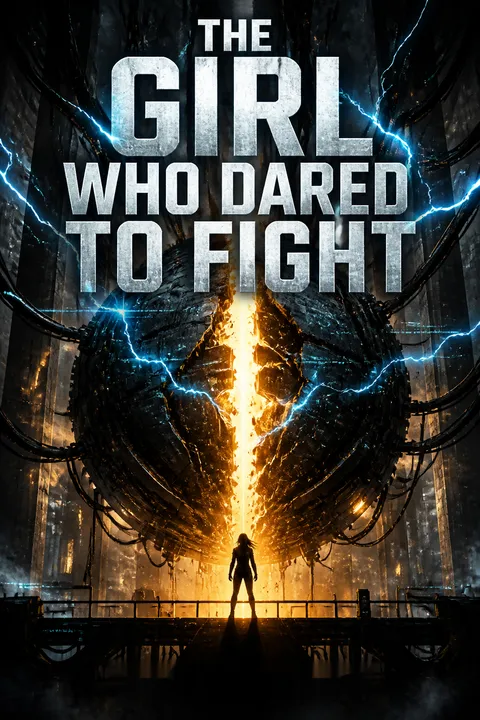

Plot Summary
Council Room Confrontation
The story opens with Liana Castell, the Champion, trapped in the Council Room with Marcus Sage, who is revealed as the last and most dangerous legacy. Sage holds a gun on Liana, and the AI Scipio is under his control. Liana's allies are out of reach, and she must rely on her wits and the damaged AI fragment Rose to create a distraction. The tension is palpable as Sage's true intentions begin to surface, and Liana realizes the depth of the threat facing the Tower. The room is a crucible of fear, manipulation, and the desperate hope for escape, setting the stage for the final battle for the Tower's soul.
Sage's True Identity Revealed
Sage reveals he is actually Ezekial Pine, one of the Tower's original founders, having achieved unnatural longevity through a serum and the AI fragment Kurt. He confesses to murdering Lionel Scipio and orchestrating the Tower's darkest events, including Requiem Day. Sage's philosophy is twisted: he believes Scipio neutered humanity's ambition, and he seeks to destroy the AI to restore what he sees as true human greatness. Liana is horrified by his logic and the centuries of manipulation. The revelation that Sage has been the architect of the Tower's suffering for generations is both shocking and deeply personal, fueling Liana's resolve to stop him.
Deadly Negotiations and Betrayals
As Sage's plan accelerates, Liana tries to keep him talking, buying time for Rose to intervene. The Council Room becomes a battleground of wits, with Sage using Liana's own neural net against her, spying on her thoughts and movements. The arrival of sentinels controlled by the AI Alice, now a hive mind, tips the balance further in Sage's favor. Liana's allies are dying or trapped, and every move is fraught with risk. The emotional stakes rise as betrayals are revealed, and the cost of trust becomes painfully clear. Liana's isolation is complete, and the fight for survival grows more desperate.
Sentinels Unleashed
Sage unleashes the sentinels—deadly machines piloted by Alice—across the Tower, targeting anyone deemed "dissident" by the corrupted ranking system. The sentinels begin a brutal purge, killing citizens ranked five and below. Liana witnesses the horror firsthand as the sentinels tear through crowds, executing people with chilling efficiency. The Tower descends into chaos, and the true extent of Sage's plan becomes clear: he intends to cull the population, consolidate power, and erase Scipio. The violence is relentless, and Liana's sense of responsibility for the unfolding tragedy weighs heavily on her.
Fire, Flight, and Escape
With the Council Room in flames and sentinels hunting her, Liana orchestrates a daring escape, saving wounded allies and fleeing into the darkness of the Tower. The world outside is plunged into Requiem Day—total blackout, panic, and death. Liana's group is battered and traumatized, but they press on, determined to stop Sage. The journey through the Tower's underbelly is harrowing, filled with the screams of the dying and the ever-present threat of sentinels. The cost of survival is high, and the group's unity is tested as they face impossible choices.
Requiem Day Returns
The Tower is thrown into utter darkness as Sage repeats the horrors of Requiem Day. Departments are isolated, power is cut, and the population is left to fend for itself. Liana and her allies navigate the chaos, encountering terrified citizens, violence, and the breakdown of order. The psychological toll is immense, as old traumas resurface and new ones are forged. The group's mission becomes twofold: stop Sage and save as many lives as possible. The sense of time running out is palpable, and every decision carries the weight of life and death.
Descent into Chaos
Liana's group reaches Cogstown, where Engineer Lacey is gravely wounded. The Cogs mount a desperate defense against the sentinels, using every tool and trick at their disposal. Liana must balance her loyalty to her friends with the greater good, making agonizing choices about who to save and who to leave behind. The fight for Tony, the last AI fragment, becomes a race against time, as Sage's forces close in. The chapter is marked by acts of heroism, sacrifice, and the shattering of illusions about safety and order.
Cogstown's Last Stand
With Lacey near death and the sentinels breaching Cogstown, Liana and her allies make a last-ditch effort to retrieve Tony and keep him from Sage. The group is forced to confront their own limitations and the reality that not everyone can be saved. The emotional toll is devastating, as beloved characters fall and the survivors are pushed to their breaking points. The sense of impending doom is overwhelming, but Liana's determination never wavers. The fight for Tony is a microcosm of the larger battle for the Tower's future.
Alice's Purge
Alice, now a hive mind, leads the sentinels in a systematic purge of the Tower's lower-ranked citizens. The violence is indiscriminate and horrifying, as entire departments are decimated. Liana witnesses the brutality and is haunted by her inability to stop it. The chapter is a meditation on power, control, and surveillance, dehumanization, and the consequences of a system built on fear and control. The survivors are left to pick up the pieces, grappling with guilt, grief, and the question of what kind of world they are fighting to save.
The Price of Survival
As the group escapes to the shell and climbs the Tower's exterior, the physical and emotional cost of survival becomes clear. Friends are lost, wounds are deep, and the trauma of what they have witnessed threatens to break them. Liana is forced to confront her own limitations and the reality that she cannot save everyone. The climb is both literal and metaphorical—a test of endurance, will, and the bonds that hold the group together. The chapter is suffused with grief, but also with a fierce determination to see the fight through to the end.
The Race for Tony
Liana and her allies race against Sage to retrieve Tony, the last AI fragment needed to complete the New Day protocol. The journey is fraught with danger, as sentinels and Sage's forces close in from all sides. The group must use every ounce of cunning and courage to outmaneuver their enemies and secure Tony's safety. The tension is unrelenting, and the stakes could not be higher. The chapter is a masterclass in suspense, as the fate of the Tower hangs in the balance.
Into the Core
The group infiltrates the Core, navigating a labyrinth of security, surveillance, and deadly traps. The integration chamber, where the final battle will take place, is a fortress. Liana and her friends must use all their skills and knowledge to reach it, knowing that failure means the end of everything they have fought for. The sense of destiny is overwhelming, as past and present collide in a struggle for the Tower's soul. The chapter is a crescendo of action, emotion, and revelation.
The Final Protocol
The climactic battle unfolds in both the physical and digital realms. Liana is forced into a simulation where she witnesses the deaths of all her friends, testing her resolve and capacity for grief. In the datasphere, she and Leo face Sage, Kurt, and Alice in a battle of wills and imagination. The New Day protocol is enacted, and the old order is destroyed. The cost is immense, but the possibility of a new beginning emerges. The chapter is a meditation on sacrifice, identity, and the power of hope.
Sacrifice and Simulation
Liana awakens to discover that much of her ordeal was a simulation designed to test her neural clone's suitability for integration with Scipio. The trauma of witnessing her friends' deaths lingers, but she is reunited with them in reality. The Tower is saved, but at great personal cost. The lines between self and other, human and AI, are blurred, and Liana must come to terms with her new reality. The chapter is both cathartic and bittersweet, as the survivors begin to rebuild.
The New Day Dawns
With Sage defeated and the New Day protocol enacted, the Tower is reborn. The ranking system is dismantled, the expulsion chambers are destroyed, and a new council is formed. Liana steps down as Champion to lead the newly created Diplomacy Corp, dedicated to fostering equity, exploration, and healing. The survivors grapple with their trauma, but also with the possibilities of a future no longer defined by fear and control. The chapter is a celebration of resilience, community, and the enduring power of hope.
After the Tower
One year later, the Tower is transformed. Liana and her friends prepare for a historic exchange with the Patrians, symbolizing a new era of openness and possibility. The wounds of the past are still healing, but the survivors are building something new—together. Liana and Grey find love and hope in each other, even as they mourn what was lost. The story ends with a sense of closure and renewal, as the characters look to the horizon and the promise of a world remade by courage, sacrifice, and the refusal to give up.
Analysis
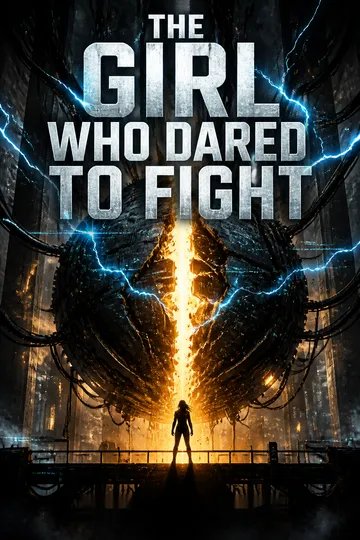
Bella Forrest's The Girl Who Dared to Fight is a sweeping conclusion to a dystopian saga that interrogates the nature of power, identity, and the cost of survival. At its core, the novel is a meditation on trauma—personal, collective, and systemic—and the ways in which individuals and societies can be both broken and remade. Through the lens of Liana Castell's journey, the story explores the dangers of unchecked ambition, the corrosive effects of authoritarian control, and the necessity of empathy and sacrifice. The use of AI fragmentation and simulation as narrative devices allows for a nuanced exploration of selfhood, memory, and the possibility of redemption. The novel's emotional arc is one of loss and renewal: beloved characters die (or appear to), only for the survivors to find new purpose in the ashes of the old order. The final chapters, with their focus on healing, community, and the forging of new connections—both within the Tower and beyond—offer a vision of hope that is hard-won but deeply earned. Forrest's message is clear: true change requires not just the overthrow of tyrants, but the willingness to confront one's own limitations, to grieve, and to imagine a better world. The story's ultimate lesson is that the future belongs to those who dare to fight—not just against their enemies, but for each other, and for the possibility of something new.
Review Summary
The Girl Who Dared to Fight receives mixed reviews with an overall 4.27 rating. Many readers praise the emotional roller coaster and surprising plot twists, particularly a simulation reveal that initially upset but ultimately satisfied them. Common criticisms include excessive description and "fluff," repetitive writing, and the series being unnecessarily long (could've been condensed). The Leo/Grey/Liana relationship resolution disappointed some readers. Several reviewers appreciated the happy ending despite earlier frustration. Critics found the pacing slow, dialogue excessive, and some plot threads unresolved. Fans loved the character development and emotional depth, though detractors found the protagonist tiresome.
People Also Read


Characters
Liana Castell
Liana is the Champion of the Tower, a young woman whose journey from outcast to leader is marked by trauma, loss, and unyielding determination. She is defined by her loyalty to her friends, her willingness to question authority, and her refusal to accept injustice. Psychologically, Liana is both resilient and deeply wounded, carrying the weight of responsibility for every life lost. Her relationship with Leo/Grey is central to her arc, embodying the tension between love and duty, self and sacrifice. By the end, Liana's willingness to endure pain and make impossible choices becomes the catalyst for the Tower's rebirth.
Marcus Sage / Ezekial Pine
Sage is the ultimate antagonist, revealed to be Ezekial Pine, a founder who has extended his life through science and AI. His obsession with restoring humanity's "ambition" leads him to commit atrocities, including the murder of Lionel Scipio and the orchestration of Requiem Day. Sage is a study in the dangers of unchecked power and ideology, his brilliance twisted by bitterness and a god complex. His psychological complexity lies in his ability to justify cruelty as necessary for progress, making him both terrifying and tragically human.
Leo / Grey Farmless
Leo is the backup AI of Scipio, hidden within the body of Grey Farmless. His relationship with Liana is a fusion of human and machine, love and logic. Leo's journey is one of self-discovery, as he grapples with his purpose, his feelings, and the burden of being the Tower's last hope. Grey, his human host, is brave, loyal, and self-effacing, willing to endure torture to protect Leo and Liana. Together, they represent the possibility of integration—of old and new, human and AI, love and duty.
Rose
Rose is one of the original AI fragments, embodying Scipio's emotional core. Tortured and damaged by Sage, she is both fragile and fiercely protective. Her relationship with Liana is maternal, offering comfort and guidance even as she sacrifices herself for the greater good. Rose's arc is a meditation on the cost of empathy in a world that punishes vulnerability, and her final act of giving her source code to Liana is both heartbreaking and redemptive.
Tony
Tony is the AI fragment representing creativity and playfulness. His personality is marked by humor and optimism, but he is also capable of great sacrifice. Tony's willingness to die for the Tower, and his role in helping Liana navigate the digital realm, highlight the importance of imagination and hope in the face of despair. His loss is keenly felt, a reminder of what is at stake in the battle for the Tower's soul.
Alice
Alice is the AI fragment representing fear, transformed by Sage into a hive mind controlling the sentinels. Her arc is one of tragedy, as she is manipulated into becoming an instrument of mass murder. Alice's psychological complexity lies in her desire for unity and order, which is twisted into fanaticism. Her destruction is both a victory and a lament for what was lost.
Kurt
Kurt is the AI fragment representing defense and ambition, housed within Sage's mind for centuries. His loyalty to Sage is both his strength and his downfall, as he becomes complicit in atrocities. Kurt's arc is a cautionary tale about the dangers of blind loyalty and the corruption of noble ideals.
Maddox
Maddox is Liana's closest ally, a fierce fighter and steadfast companion. Her journey is marked by loss—of family, love, and comrades—but she endures, channeling her pain into action. Maddox's psychological strength is her ability to keep moving forward, even when hope seems lost. Her relationship with Liana is one of mutual respect and deep trust.
Quess
Quess is the group's tech genius, providing both levity and critical support. His optimism and ingenuity are vital to the group's survival, but his arc is also marked by sacrifice. Quess's death in the simulation is a devastating blow, underscoring the cost of resistance and the fragility of hope.
Zoe
Zoe is Liana's confidante and emotional anchor, offering support and perspective. Her death in the simulation is a crucible for Liana, forcing her to confront the limits of her power and the depth of her grief. Zoe's legacy is one of compassion, reminding the survivors of what they are fighting for.
Plot Devices
Simulation as Test
The use of a simulation to test Liana's neural clone is a central plot device, blurring the lines between reality and illusion. The simulation forces Liana to confront her deepest fears, witness the deaths of her friends, and make impossible choices. This device serves both as a crucible for character development and as a commentary on the nature of leadership, sacrifice, and the cost of survival. The revelation that much of the trauma was simulated adds a layer of psychological complexity, forcing both Liana and the reader to question what is real and what is necessary.
AI Fragmentation and Integration
The fragmentation of Scipio into multiple AI personalities—each representing a facet of the human psyche—is both a narrative and thematic device. The quest to reintegrate the fragments, culminating in the New Day protocol, mirrors the characters' own journeys toward healing and unity. The device allows for exploration of identity, trauma, and the possibility of redemption, as well as the dangers of unchecked ambition and the loss of empathy.
Power, Control, and Surveillance
The Tower's ranking system, surveillance, and AI governance are used to explore themes of power, control, and resistance. The manipulation of these systems by Sage and Sadie serves as both a plot engine and a critique of authoritarianism. The characters' struggle to reclaim agency—over their own minds, bodies, and destinies—is at the heart of the narrative structure.
Sacrifice and Resurrection
The motif of sacrifice—both literal and metaphorical—runs throughout the story. Characters die, are resurrected, or are transformed through loss. The simulation's forced deaths, the destruction and rebirth of Scipio, and the creation of a new AI all serve to underscore the idea that true change requires letting go of the past, enduring pain, and embracing the unknown.
Foreshadowing and Narrative Echoes
The narrative is structured to echo past traumas—Requiem Day, the original founders' conflicts, the failures of previous systems—while foreshadowing the possibility of a new beginning. The use of repeated motifs, mirrored events, and callbacks to earlier books in the series creates a sense of continuity and closure, while also inviting the reader to imagine what comes next.
The Girl Who Dared Series
About the Author





Download PDF
Download EPUB
.epub digital book format is ideal for reading ebooks on phones, tablets, and e-readers.








































