
Plot Summary
Sisyphus and the Pilot
The story opens with the parable of Sisyphus, reimagined as the Pilot, a figure who endlessly pushes the world's sorrows uphill, carving a river for future generations. This myth frames the narrative: the Pilot is both a person and an idea, a leader who never dies but is reborn in each generation. The Pilot leads the Rising, a rebellion against the controlling Society. This motif of endless struggle and renewal sets the tone for the journey of Cassia, Ky, and Xander, who each carry their own burdens and hopes for change. The myth's lesson—that transformation is slow, generational, and built on sacrifice—echoes through the characters' choices as they confront the Society's rigid order and the cost of rebellion.
Plague in the Provinces
The Society's carefully controlled world is upended by a mysterious Plague, first appearing in the outer Provinces. Xander, secretly working for the Rising, replaces Society-issued tablets with immunizations that protect against both disease and memory-erasing drugs. As the Plague spreads, the Society's inability to contain it becomes clear, exposing their vulnerability. The Rising seizes this moment, planning to reveal their cure and take power. The Plague is both literal and symbolic: it represents the rot at the heart of the Society and the unpredictable consequences of control. The outbreak forces characters to confront mortality, loyalty, and the limits of their own agency, setting the stage for the Rising's dramatic entrance.
Red Tablet, Lost Memory
Cassia, now a sorter in Central, is caught in the Society's web of surveillance and manipulation. She is forced to take the red tablet, designed to erase memories of forbidden acts. Cassia's hope that she is immune is shattered—she forgets crucial moments, including her role in sabotaging the Society's data. The red tablet becomes a symbol of the Society's power to rewrite reality, but also of the fragility of identity. Cassia clings to scraps of memory and poetry, hiding them against her skin. Her struggle to remember becomes an act of resistance, and her lost memories haunt her, shaping her journey toward self-knowledge and freedom.
The Rising Unleashed
Ky, training as a pilot for the Rising, and Xander, embedded as a physic, await the signal for revolution. The Pilot's voice finally breaks through, revealing the Rising's plan: only those immune to the red tablet and the Plague will lead the charge, delivering the cure to the sick. The Society's Match Banquets collapse in chaos as the Plague spreads and the Rising's agents disrupt the data. Ships descend, cures are distributed, and the Society's authority crumbles. Yet, the Rising's methods echo the Society's—control, secrecy, calculated sacrifice. The characters must navigate shifting allegiances, questioning whether the new order will truly be different from the old.
The Gallery of Creation
In the aftermath of the Rising's takeover, Cassia creates the Gallery, a clandestine space where people share poems, songs, and art—acts once forbidden by the Society. The Gallery becomes a symbol of hope and collective healing, a place where new culture is born from the ashes of repression. Cassia's poem, inspired by her love for Ky and her longing for freedom, spreads among the people. The Gallery's existence is precarious, threatened by both the remnants of the Society and the Rising's own priorities. Yet, it endures as a testament to the human need for expression, connection, and meaning beyond survival.
The Mutation Spreads
The initial triumph of the Rising is short-lived. A mutation of the Plague emerges, immune to the existing cure. Xander, now a key medical figure, and Cassia, sorting data, race to understand the new threat. The mutation spreads rapidly, overwhelming medical centers and forcing the Rising to make impossible choices about who to save. The Society's old logic of efficiency and sacrifice resurfaces, as the Rising considers disconnecting the still—those trapped in the illness—to conserve resources. The mutation exposes the limits of science, the unpredictability of nature, and the moral cost of leadership. Desperation mounts as the search for a new cure becomes a race against time.
The Village of Endstone
Cassia, Ky, and Xander are brought to Endstone, a hidden village of Anomalies and Aberrations who have survived outside the Society. Here, the search for the cure intensifies, led by Oker, a brilliant but haunted scientist. The villagers, immune to the Plague, offer their bodies and histories for study, hoping for passage to the legendary Otherlands in return. The village is a microcosm of possibility and tension: democracy through voting, collaboration across differences, and the ever-present threat of betrayal. The characters confront their own pasts and the consequences of choices made in the name of survival and love.
Prisoner's Dilemma
As the crisis deepens, the village faces internal strife. Oker's camassia-based cure fails, and he dies seeking a new solution. Xander, following Oker's last instructions, destroys the failed cures and is accused of sabotage. Hunter, driven by grief and anger, disconnects the still, seeking fairness for past injustices. Both are put on trial, their fates decided by communal vote. Cassia, torn between loyalty and duty, races to find the true cure, aided by Anna's knowledge and her mother's coded gift. The prisoner's dilemma—whether to trust or betray—plays out on personal and communal levels, testing the bonds between Cassia, Ky, and Xander.
The Cure's Price
The true cure is discovered in the mariposa lily, a flower preserved through memory, art, and sacrifice. Cassia's sorting, Xander's medical skill, and Ky's endurance converge to bring Ky back from the brink. The cure is distributed, but not without cost: not all can be saved, and the process of choosing who receives it first is fraught with pain and guilt. The villagers must decide whether to stay, go to the Otherlands, or help rebuild the Provinces. The price of the cure is measured in lives lost, relationships changed, and the enduring question of what it means to save—and to let go.
The Lily and the Vote
With the immediate crisis past, the people of the Provinces face a new challenge: choosing their future. For the first time, a true vote is held, with Anna representing the marginalized, the Pilot the Rising, and an Official the Society. Cassia and Ky, now together, cast their votes for Anna, hoping for a world where all voices are heard. The act of voting is both mundane and revolutionary, a fragile experiment in self-governance. The outcome is uncertain, but the process itself is a victory over the old order. The mariposa lily, once a symbol of survival, becomes a symbol of renewal and possibility.
Sacrifice and Betrayal
As the world rebuilds, the characters confront the betrayals and sacrifices that shaped their journey. Cassia remembers her role in adding Aberrations to the Matching pool, manipulated by both Society and Rising. Xander, broken by the burdens of leadership and loss, finds new love with Lei, herself an Anomaly who survived by hiding in plain sight. Ky mourns Indie, whose death embodies the cost of rebellion and the impossibility of saving everyone. The characters learn that forgiveness, for themselves and others, is as necessary as justice. The past cannot be undone, but it can be understood and honored.
The Return and the Choice
Cassia returns to her family, bringing the cure and the hope of a new beginning. She mourns her father, lost to the Plague, and finds solace in her mother and brother. Ky searches for his adoptive parents, honoring the sacrifices made for him. Xander, offered a place in the Otherlands, chooses to stay, finding purpose in healing and love in Lei. The characters realize that freedom is not the absence of loss, but the ability to choose, to create, and to love again. The journey has changed them, but it has also revealed what endures: connection, memory, and the courage to begin anew.
The Vote for Tomorrow
The people gather to vote, each writing their name for the first time. The act is both simple and profound, a collective leap into the unknown. Anna, the Anomaly, stands as a candidate, embodying the hope for inclusion and justice. Cassia reflects on the lessons of the past: the dangers of control, the necessity of memory, and the power of art and choice. The outcome of the vote is uncertain, but the process itself is a triumph over fear and resignation. The future is unwritten, shaped by the choices of ordinary people who have learned to reach, to remember, and to hope.
Letting Go, Holding On
In the aftermath, Cassia lets go of Grandfather's tube, honoring his wish to be released. She reflects on the meaning of memory, the limits of art, and the necessity of letting go. The characters each find their own way to move forward: Ky and Cassia together, Xander and Lei beginning anew, Anna and Eli leading their people. The story ends not with certainty, but with the recognition that life is made of both holding on and letting go, of singing and silence, of reaching and being reached. The journey is counted, not erased, and the future remains open.
The Pilot, the Poet, the Physic
The trilogy closes with the recognition that the roles of Pilot, Poet, and Physic are not fixed, but live in everyone. Cassia, Ky, and Xander have each been all three: leading, creating, healing. The world they inherit is imperfect, scarred by loss and shaped by hope. The final lesson is that change is ongoing, that every generation must push the stone, carve the river, and choose anew. The story ends with a kiss, a vote, and the promise that, whatever comes, they will face it together, as pilots of their own lives.
Analysis
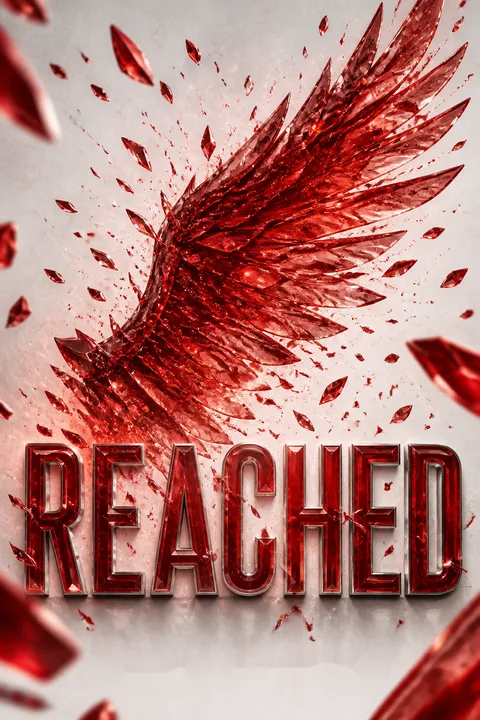
A meditation on memory, choice, and the cost of freedomReached is the culmination of a trilogy that interrogates the nature of control, the power of art, and the meaning of rebellion. Through its intricate plot and deeply drawn characters, the novel explores how societies maintain order—through erasure, surveillance, and the illusion of choice—and how individuals resist, not only through grand gestures but through the preservation of memory, the creation of beauty, and the willingness to love and lose. The Plague and its mutation serve as metaphors for the unpredictability of life and the dangers of hubris; the search for the cure is both a scientific and a moral quest. The novel's ultimate lesson is that freedom is not the absence of pain or loss, but the ability to choose, to remember, and to create anew. The vote at the end is both hopeful and uncertain, a recognition that democracy is fragile and must be continually renewed. In the end, Reached suggests that the roles of Pilot, Poet, and Physic live in all of us, and that the work of building a better world is ongoing, generational, and always unfinished.
Review Summary
Reached, the final book in the Matched trilogy, received mixed reviews. Some praised its beautiful writing and satisfying conclusion, while others found it slow-paced and lacking action. The focus on a plague storyline disappointed readers expecting more romance and rebellion. Many felt the characters' development was strong, especially Xander's, but the love triangle resolution was predictable. Overall, readers appreciated the themes of art, hope, and change, but some found the plot less engaging than previous installments.
People Also Read





Characters
Cassia Reyes
Cassia is the trilogy's heart—a young woman whose journey from obedient citizen to rebel poet mirrors the struggle for selfhood in a world of control. Her love for Ky and friendship with Xander drive her to question the Society's rules, but her true rebellion is internal: the fight to remember, to create, and to choose. Cassia's psychological arc is one of awakening—she learns that freedom is not just escape, but the courage to face loss, ambiguity, and responsibility. Her sorting skills, once used for the Society, become tools for healing and hope. Cassia's relationships are complex: she loves Ky passionately, but her bond with Xander is deep and enduring. Ultimately, Cassia embodies the power of art, memory, and choice to transform both self and society.
Ky Markham
Ky is marked by loss and exile—a boy made an Aberration by the Society, orphaned, and sent to die in the Outer Provinces. His love for Cassia gives him purpose, but he is haunted by survivor's guilt and the knowledge that he cannot save everyone. Ky's journey is one of endurance and transformation: from silent outcast to pilot for the Rising, from passive victim to active participant in shaping the future. He is both fiercely independent and deeply loyal, willing to risk everything for those he loves. Ky's psychological struggle is with hope—learning to believe in the possibility of happiness, even after betrayal and loss. His relationship with Indie is a poignant reminder of the costs of rebellion and the impossibility of returning to innocence.
Xander Carrow
Xander is the trilogy's moral center—a boy who believes in doing the right thing, even when it costs him everything. As a physic and secret member of the Rising, he works to save lives, often at great personal risk. Xander's love for Cassia is steadfast, but he ultimately lets her go, choosing her happiness over his own. His psychological journey is one of acceptance: learning to forgive himself for failures, to find new love with Lei, and to embrace change. Xander's role as healer is both literal and symbolic—he mends bodies, but also helps others heal from grief and guilt. His arc is about the quiet heroism of persistence, kindness, and the willingness to begin again.
Indie Holt
Indie is a force of nature—resourceful, unpredictable, and driven by a fierce will to live. Her love for Ky is unrequited, but she channels her longing into flight, becoming one of the Rising's best pilots. Indie's psychological complexity lies in her refusal to be defined by loss; she keeps moving, keeps hoping, even as the world collapses. Her death is both a sacrifice and a liberation, embodying the costs of rebellion and the impossibility of saving everyone. Indie's legacy is her example: to fly, to risk, to love fiercely, even when the outcome is uncertain.
Anna
Anna is the wise elder of the Carving and later Endstone, guiding her people through exile, loss, and renewal. She embodies the power of memory, tradition, and quiet strength. Anna's psychological depth comes from her ability to balance grief and hope, to lead without dominating, and to forgive without forgetting. Her relationship with Hunter and Eli is maternal, but she also becomes a mentor to Cassia, teaching her the value of art, story, and community. Anna's role as a candidate in the final vote symbolizes the hope for a world where the marginalized are finally heard.
Oker
Oker is a brilliant pharmic who helped create both the Plague and its cure. His guilt drives him to obsessive work, seeking redemption through science. Oker's psychological struggle is with responsibility—he knows the cost of his actions and is determined to make amends, even at the expense of his own life. His relationship with Xander is that of mentor and challenger, pushing Xander to question authority and trust his own judgment. Oker's death is both a loss and a turning point, forcing others to take up the burden of discovery and leadership.
Lei (Nea Lei / Laney)
Lei is a survivor who escaped the Society's culling by forging her identity. As a medic and Xander's eventual partner, she represents the possibility of healing after loss. Lei's psychological arc is about reclaiming agency—she chooses to love again after grief, to reveal her true self, and to help build a new world. Her connection to Vick and her story of the redfish symbolize the resilience of those who have been marginalized and the courage to begin anew.
Hunter
Hunter is marked by loss—the death of his daughter Sarah and the destruction of his home in the Carving. His actions, including disconnecting the still, are driven by a desperate need for fairness and recognition of past injustices. Hunter's psychological struggle is with anger and forgiveness; he cannot save his own child, but he tries to make meaning from suffering. His exile is both punishment and release, a reminder that justice and mercy are often in tension.
Bram Reyes
Bram is Cassia's little brother, forced to grow up quickly in the chaos of the Plague. His ingenuity and resilience help save their mother, but he is scarred by the loss of their father and the burdens he carries. Bram's psychological arc is about endurance and adaptation—he learns to navigate a world without certainty, to trade, to mourn, and to hope. His relationship with Cassia is a source of strength for both.
The Pilot
The Pilot is both a person and an idea—a leader who inherits the myth of Sisyphus and the burden of guiding the Rising. His psychological complexity lies in his awareness of the limits of power, the compromises required by leadership, and the impossibility of saving everyone. The Pilot's actions are often pragmatic, sometimes ruthless, but he is haunted by the costs of rebellion and the knowledge that every victory is partial. His legacy is the recognition that change is ongoing, that every generation must choose anew.
Plot Devices
Alternating Narration and Multiperspectivity
The novel employs alternating first-person narration, primarily from Cassia, Ky, and Xander, to immerse readers in the psychological and emotional realities of each character. This structure allows for deep exploration of conflicting loyalties, memories, and desires, and highlights the subjectivity of truth. The shifting perspectives mirror the uncertainty of rebellion and the ambiguity of right and wrong, inviting readers to empathize with each character's struggle.
Memory, Forgetting, and the Tablets
The Society's use of colored tablets—red for forgetting, blue for survival, green for calm—serves as a metaphor for the mechanisms of control. The red tablet's power to erase memory is both a literal threat and a symbol of the erasure of history, identity, and dissent. Characters' immunity or vulnerability to the tablets shapes their fates, and the struggle to remember becomes an act of rebellion. The motif of lost and recovered memory underscores the importance of history, art, and personal truth.
The Plague and Its Mutation
The Plague is the catalyst for the novel's events, exposing the Society's weaknesses and forcing the Rising's hand. Its mutation, immune to the original cure, represents the unpredictability of nature and the limits of human control. The search for the cure becomes a test of collaboration, sacrifice, and ethical decision-making. The Plague's spread and the choices it forces—who to save, who to let go—mirror the moral dilemmas of leadership and revolution.
Art, Poetry, and the Gallery
The Gallery, a space for forbidden art and poetry, symbolizes the resilience of culture and the human need for expression. Cassia's poems, the sharing of songs, and the creation of new art become acts of defiance and hope. The motif of art as memory, as connection, and as a means of survival runs throughout the novel, culminating in the recognition that everyone can be a pilot, a poet, a physic.
Voting and Democracy
The introduction of true voting—writing one's name, casting a stone—marks the transition from control to self-governance. The process is fraught with uncertainty and risk, but it embodies the hope for a world where all voices matter. The vote is both a plot device and a thematic statement: the future is unwritten, and every choice shapes what comes next.
The Prisoner's Dilemma
The classic game theory scenario is played out on both personal and communal levels. Characters must decide whether to trust or betray, to sacrifice or save, often without knowing the full consequences. The dilemma is embodied in the relationships between Cassia, Ky, and Xander, as well as in the village's votes and the Rising's strategies. The resolution is imperfect, reflecting the complexity of real-world choices.
FAQ
Synopsis & Basic Details
What is Reached about?
- Dystopian society's unraveling: Reached concludes the Matched trilogy, depicting the Society's collapse as a deadly plague spreads and the rebellion gains momentum. It focuses on the intertwined journeys of Cassia, Ky, and Xander as they navigate love, loyalty, and the fight for freedom.
- Search for a cure: The story centers on the characters' desperate search for a cure to the plague, which has mutated and become more dangerous. This quest forces them to confront their pasts and make difficult choices about their future.
- Personal and political conflicts: The narrative explores the characters' personal struggles alongside the larger political conflict, highlighting the sacrifices they must make for love and freedom. It examines the complexities of their relationships and the challenges of building a new world.
Why should I read Reached?
- Compelling conclusion: Reached provides a satisfying conclusion to the Matched trilogy, resolving the central conflicts and offering a glimpse into the characters' futures. It ties together the themes of love, loyalty, and rebellion, providing a sense of closure.
- Intricate character development: The novel delves deeper into the characters' motivations and complexities, exploring their internal struggles and the evolution of their relationships. Readers will find themselves invested in the characters' journeys and their fight for a better world.
- Thought-provoking themes: Reached explores complex themes such as the nature of freedom, the power of choice, and the importance of human connection. It challenges readers to consider the implications of a society that values control over individual liberty.
What is the background of Reached?
- Dystopian setting: The story is set in a future society that values order and control above all else. The Society dictates every aspect of its citizens' lives, from their careers to their relationships, creating a world of conformity and oppression.
- Technological control: The Society uses advanced technology to monitor and control its citizens, including memory-erasing pills and a complex system of data collection. This technology is used to maintain order and suppress dissent, creating a world where individual freedom is limited.
- Rebellion and resistance: The Rising, a rebellion against the Society, is a key element of the story's background. The Rising is composed of individuals who seek to overthrow the Society and create a world where people can live freely. The rebellion is fueled by the desire for autonomy and the hope for a better future.
What are the most memorable quotes in Reached?
- "The Insurgence is for everyone.": This recurring phrase encapsulates the core message of the rebellion, emphasizing its inclusive nature and the promise of freedom for all. It serves as a rallying cry for those who seek to overthrow the Society's oppressive control.
- "We are here to save your blood, not to spill it.": This quote highlights the Rising's commitment to non-violence and its focus on saving lives rather than engaging in bloodshed. It underscores the rebellion's goal of creating a better world through compassion and empathy.
- "I love you and I want you.": This quote, spoken by Xander, encapsulates the complex love triangle and the characters' deep emotional connections. It highlights the personal stakes of the rebellion and the sacrifices they are willing to make for love.
What writing style, narrative choices, and literary techniques does Ally Condie use?
- Alternating perspectives: Condie employs alternating perspectives, shifting between Cassia, Ky, and Xander, which allows readers to gain a deeper understanding of each character's motivations and experiences. This technique also creates suspense and allows for a more comprehensive view of the story's events.
- Symbolism and motifs: The author uses recurring symbols and motifs, such as the color red, the image of the Pilot, and the concept of the river, to enhance the story's themes and create a sense of interconnectedness. These elements add layers of meaning and depth to the narrative.
- Foreshadowing and callbacks: Condie uses subtle foreshadowing and callbacks to create a sense of anticipation and to connect seemingly disparate events. This technique enhances the story's complexity and rewards careful readers who pay attention to the details.
Hidden Details & Subtle Connections
What are some minor details that add significant meaning?
- The color red: The recurring color red, often associated with the Society's medical department, also symbolizes rebellion and passion. This dual symbolism highlights the characters' internal conflicts and the complex nature of their allegiances.
- The use of names: The names of characters, such as "Pilot" and "Matched," carry symbolic weight, reflecting their roles and destinies within the Society and the Rising. These names add layers of meaning and underscore the themes of identity and purpose.
- The significance of objects: Seemingly minor objects, such as the silver boxes and the microscheda, become important symbols of memory, identity, and resistance. These objects serve as tangible reminders of the characters' pasts and their hopes for the future.
What are some subtle foreshadowing and callbacks?
- The "day at the red garden": Cassia's recurring memory of a "day at the red garden" foreshadows the importance of her past and the secrets it holds. This memory becomes a key to understanding her connection to the rebellion and her family's history.
- The mention of the "villages of stone": The subtle mentions of the "villages of stone" foreshadow the existence of a hidden community outside the Society's control. This detail hints at the possibility of a world beyond the Society's reach and the hope for a new beginning.
- The recurring image of water: The recurring image of water, whether it's the river in the Provinces or the lake in Central, symbolizes both danger and hope. This motif foreshadows the characters' journeys and the challenges they must overcome.
What are some unexpected character connections?
- The Archivist Capo and Cassia: The Archivist Capo's interest in Cassia's poems and her willingness to help her navigate the world of the Archivists reveals a hidden connection between them. This connection highlights the importance of knowledge and the power of shared stories.
- Oker and the Pilot: The revelation that Oker, the creator of the cure, was once a pilot who flew people to the "villages of stone" reveals a hidden connection between him and the Pilot. This connection underscores the themes of sacrifice and the search for a better world.
- Lei and Xander: The shared experience of working in the medical field and their mutual understanding of loss create an unexpected bond between Lei and Xander. This connection highlights the importance of empathy and the power of shared experiences.
Who are the most significant supporting characters?
- Indie: As a skilled pilot and a key member of the Rising, Indie plays a crucial role in the characters' journeys. Her independence and fearlessness make her a valuable ally, and her actions often drive the plot forward.
- Oker: As the creator of the cure, Oker is a complex and enigmatic figure who challenges the characters' understanding of the Society and the Rising. His knowledge and experience are essential to the characters' quest for a cure.
- Anna: As a leader of the contadini, Anna represents the resilience and strength of those who have lived outside the Society's control. Her wisdom and compassion guide the characters as they navigate the complexities of their world.
Psychological, Emotional, & Relational Analysis
What are some unspoken motivations of the characters?
- Xander's desire for Cassia's love: Xander's actions are driven by his unspoken desire to win Cassia's love and prove himself worthy of her. This motivation fuels his loyalty to the Rising and his willingness to sacrifice his own happiness for her.
- Ky's need for redemption: Ky's past in the Society's camps has left him with a deep sense of guilt and a need for redemption. His actions are driven by a desire to atone for his past and to create a better future for himself and those he loves.
- Cassia's search for identity: Cassia's journey is marked by her unspoken desire to find her true identity and purpose. She grapples with her past, her present, and her future, seeking to define herself outside the constraints of the Society.
What psychological complexities do the characters exhibit?
- Xander's internal conflict: Xander struggles with the conflict between his loyalty to the Society and his love for Cassia and the Rising. This internal conflict creates a sense of tension and uncertainty, as he grapples with his dual allegiances.
- Ky's survivor's guilt: Ky's past in the Society's camps has left him with a deep sense of survivor's guilt, which fuels his determination to protect those he cares about. This guilt creates a sense of vulnerability and drives his need for redemption.
- Cassia's struggle with control: Cassia grapples with the desire for control over her own life and the lives of those she loves. This struggle is evident in her attempts to navigate the complexities of the Society and the Rising, as she seeks to create a world where she can make her own choices.
What are the major emotional turning points?
- Cassia's decision to leave Central: Cassia's decision to leave Central marks a major emotional turning point, as she chooses to risk everything for love and freedom. This decision is driven by her desire to be with Ky and her growing disillusionment with the Society.
- Ky's reunion with Cassia: Ky's reunion with Cassia is a major emotional turning point, as he finally achieves his goal of finding her. This reunion is bittersweet, however, as they must confront the challenges of their situation and the uncertainty of their future.
- Xander's acceptance of Cassia's choice: Xander's acceptance of Cassia's choice to be with Ky marks a major emotional turning point, as he learns to let go of his personal desires and embrace a different kind of love. This acceptance is a testament to his growth and his capacity for empathy.
How do relationship dynamics evolve?
- Cassia and Ky's bond deepens: Cassia and Ky's relationship evolves from a shared desire for freedom to a deep and abiding love. Their bond is tested by separation and danger, but it ultimately emerges stronger and more resilient.
- Xander's acceptance of his role: Xander's relationship with Cassia evolves from a romantic pursuit to a deep friendship and mutual respect. He learns to accept her choice to be with Ky and finds his own path to happiness and fulfillment.
- The trio's complex dynamic: The dynamic between Cassia, Ky, and Xander is marked by love, loyalty, and sacrifice. They must navigate the complexities of their relationships while also working together to achieve their shared goals.
Interpretation & Debate
Which parts of the story remain ambiguous or open-ended?
- The nature of the Altrove: The true nature of the Altrove, the place where the characters hope to find freedom, remains ambiguous. The story leaves it up to the reader to imagine what this place might be like and whether it truly represents a better future.
- The long-term effects of the cure: The long-term effects of the cure for the mutated plague are not fully explored, leaving the reader to wonder about the future health and well-being of those who have been treated. This ambiguity highlights the uncertainty of the characters' future and the challenges they will face in rebuilding their world.
- The future of the Society and the Rising: The story does not fully resolve the conflict between the Society and the Rising, leaving the reader to wonder about the long-term implications of the rebellion and the future of the world they have created. This ambiguity underscores the ongoing nature of the struggle for freedom and the challenges of building a just and equitable society.
What are some debatable, controversial scenes or moments in Reached?
- Xander's actions with the blue pills: Xander's decision to give Cassia the blue pills, knowing their potential dangers, is a controversial moment that raises questions about his motivations and his willingness to risk her life for his own desires. This scene highlights the complexities of his character and the ethical dilemmas he faces.
- The Pilot's methods: The Pilot's methods, including his use of propaganda and his willingness to sacrifice lives for the greater good, are debatable and raise questions about the nature of leadership and the ethics of rebellion. This aspect of the story challenges readers to consider the complexities of power and the difficult choices that leaders must make.
- The ending's ambiguity: The ending of Reached, with its open-ended questions about the future and the characters' ultimate fates, is a controversial aspect of the story that has sparked debate among readers. This ambiguity forces readers to confront the uncertainty of life and the challenges of creating a better world.
Reached Ending Explained: How It Ends & What It Means
- The cure is found: The characters successfully create a cure for the mutated plague, offering hope for a new beginning. This achievement underscores the power of human ingenuity and the importance of collaboration in overcoming adversity.
- The Society's collapse: The Society's power is significantly diminished, as its systems of control are undermined by the rebellion and the spread of the plague. This collapse represents the end of an era and the beginning of a new chapter in the characters' lives.
- A future of choice: The ending of Reached emphasizes the importance of choice and the characters' ability to shape their own destinies. The characters are left with the responsibility of creating a new world, one that is free from the oppression and control of the Society. The ending is open-ended, leaving the reader to imagine the possibilities of the future and the challenges that lie ahead.
Matched Series

Download PDF
Download EPUB
.epub digital book format is ideal for reading ebooks on phones, tablets, and e-readers.








































