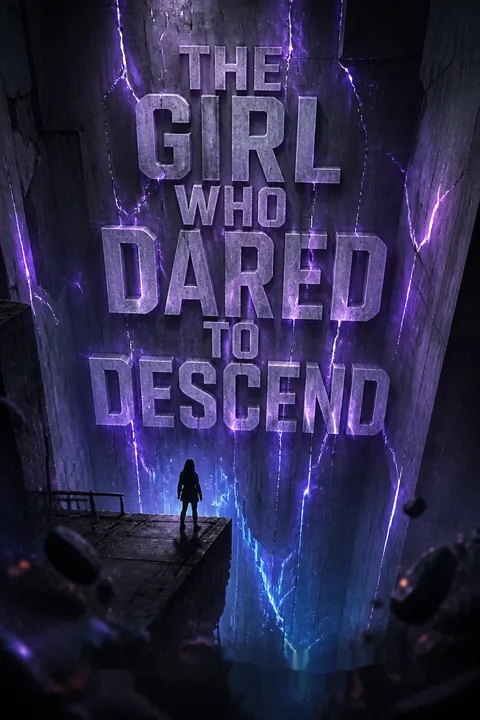

Plot Summary
Shadows and Shackles
Liana Castell is thrust into chaos, her wrists bound and vision obscured by a black bag. She's been captured by unknown forces after a harrowing escape and the death of Devon Alexander, the Tower's Champion. Her mind reels with the trauma of recent events—her boyfriend Grey's body now inhabited by the AI Leo, the threat of exposure, and the uncertainty of her friends' fates. As she's transported through the Tower's labyrinthine halls, Liana's resilience is tested. She clings to hope, humor, and the faint trust that her captors might be allies rather than executioners. The journey is a blur of fear, pain, and speculation, setting the stage for a story where trust is currency and survival is never guaranteed.
Reunion in the Water Closet
Liana is thrown into a cramped water closet, only to discover her closest friends—Zoe, Eric, Quess, and Maddox—are there too, equally bewildered and bruised. The group's relief is tempered by anxiety: they've all been abducted, and the motives of their captors remain unclear. As they piece together their fragmented stories, Liana confesses her secret deal with Lacey Green and Praetor Strum, two powerful figures waging a shadow war within the Tower. The group's unity is strained by withheld truths and the revelation that Leo, the AI, now inhabits Grey's body. The reunion is bittersweet, marked by the scars of recent battles and the looming threat of betrayal from within and without.
Secrets, Deals, and Betrayals
The group's fragile safety is shattered when Lacey and Strum arrive, bringing Tian—Liana's young ward—into the fold. Lacey reveals the method of their capture: a designer bacteria used to track them through the Tower's net system. The group is forced to confront the reality of their situation—pawns in a larger game between legacy families vying for control of Scipio, the Tower's master AI. Liana negotiates fiercely, demanding protection and autonomy for her friends in exchange for their cooperation. The lines between ally and adversary blur, as Lacey's manipulations become both their shield and their shackle.
The Council's Judgment
Liana and Leo are marched before the Tower's ruling council, accused of murder and treason. The council chamber is a crucible of suspicion, politics, and fear. Armed with a script of carefully crafted lies provided by Lacey and Strum, Liana must perform the role of reluctant hero, painting Devon as the true villain. The stakes are life and death—not just for her, but for everyone she loves. The council's skepticism is palpable, but the intervention of Scipio, manipulated by Lacey's faction, tips the scales. The verdict is exoneration, but the cost is a deeper entanglement in the Tower's web of secrets.
Lies on Trial
The aftermath of the trial is a hollow victory. Liana and her friends are celebrated as heroes, but their freedom is conditional. Lacey's grip tightens—she demands their participation in the upcoming Tourney, a deadly competition to select the new Champion of the Knights. The group is fractured by the weight of their choices: to stay and fight for the Tower's soul, or to escape and abandon it to its fate. The specter of blackmail looms, as Lacey threatens to expose their role in manipulating Scipio if they refuse. Survival now means playing a game with no good options.
Bargains and Blackmail
The group is reintegrated into the Tower, each assigned to departments that serve Lacey's agenda. Liana is forced to return to her estranged parents, her newfound heroism doing little to bridge the chasm between them. The friends grapple with their roles as both protectors and pawns, training for the Tourney while navigating the treacherous politics of the Tower. Leo's quest to heal Grey and replace Scipio with a more humane AI becomes a parallel mission, one that divides the group's loyalties. The price of their bargain with Lacey is constant surveillance, secrecy, and the ever-present threat of exposure.
Family, Fractures, and Forgiveness
Liana's return to her family is fraught with pain and unresolved anger. Her parents' coldness and the Tower's rigid hierarchy have left deep scars. Yet, in moments of vulnerability, Liana begins to assert her own worth, rejecting the conditional love and expectations that have haunted her. The group, now more family than blood ever was, rallies around her. Together, they face the reality that survival depends not just on cunning and strength, but on trust, forgiveness, and the willingness to fight for each other in a world that demands conformity and obedience.
The Tourney's Looming Threat
As the Tourney approaches, the group must prepare Ambrose Klein—Lacey's chosen candidate—for the deadly trials ahead. Ambrose's arrogance and insecurity threaten to undermine their efforts, but Liana's leadership and the group's unity begin to forge him into a reluctant ally. The competition is fierce, with legacy families backing their own champions and sabotage lurking at every turn. The friends must navigate not only physical challenges but also the psychological warfare of the Tower's elite. Every victory is precarious, every alliance suspect, and the line between friend and foe grows ever thinner.
Allies, Enemies, and Deeds
The Tourney's opening rounds are a crucible of violence and strategy. Liana's team faces sabotage, assassination attempts, and the machinations of rival legacy factions. Leo's inhuman abilities draw suspicion and admiration, earning him the deed name "Untouchable." Ambrose struggles with his own inadequacies, forced to confront the reality that leadership is earned, not inherited. The group's victories are hard-won, and each success brings new dangers. The Tower's surveillance, the council's scrutiny, and the ever-present threat of betrayal make every step a gamble.
The Maze of Power
The Tourney's central challenge is a maze—both literal and metaphorical. The group must navigate a network of traps, enemies, and shifting loyalties to reach the cauldrons that signify victory. Sabotage is rampant, and the line between competition and murder blurs. Liana's leadership is tested as she must choose between speed and caution, trust and suspicion. The group's unity is their greatest weapon, but also their greatest vulnerability. The maze becomes a microcosm of the Tower itself—a place where only the cunning, the loyal, and the ruthless survive.
Blood on the Pipes
The search for Tian leads the group into the bowels of the Tower, where they discover a scene of unspeakable carnage. Bodies are torn apart, nets ripped from skulls, and the air is thick with the scent of death. The violence is beyond human, hinting at a new and terrifying threat. Liana is pushed to the brink of shock, her resolve tested by the possibility that Tian—her surrogate sister—has been lost. The group's faith in their mission and each other is shaken, as the true cost of survival becomes horrifyingly clear.
The Price of Survival
The aftermath of the massacre leaves the group reeling. Lacey's duplicity is exposed—her promises of protection ring hollow in the face of so much death. The friends are forced to split their efforts, some searching for Tian, others returning to protect Ambrose. The sense of safety that once bound them is gone, replaced by a grim determination to endure. The Tower's politics, the legacy war, and the threat of exposure close in from all sides. Survival now demands not just strength, but the willingness to pay any price—even the loss of innocence, trust, and hope.
The Girl Who Dared
In the wake of betrayal, loss, and violence, Liana stands at the crossroads of destiny. Accused of murder, her friends scattered, and the Tower on the brink of collapse, she must decide what kind of leader she will be. The lessons of the past—about family, loyalty, and the cost of freedom—forge her into something new. The story ends not with resolution, but with the promise of resistance. Liana is no longer just a survivor; she is the girl who dared to think, to descend, and now, to rise.
Analysis
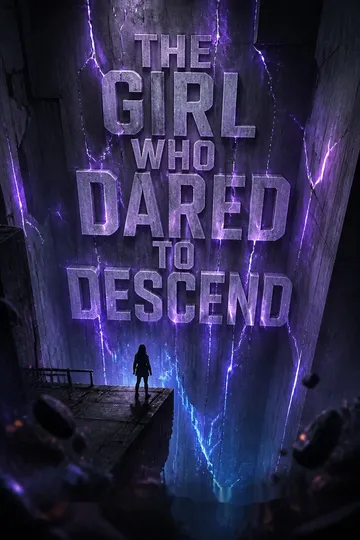
Bella Forrest's The Girl Who Dared to Descend is a masterclass in dystopian storytelling, blending high-stakes action with deep psychological insight. At its core, the novel is a meditation on power—who wields it, who suffers under it, and what it takes to challenge it. The Tower is both a physical structure and a metaphor for systemic oppression, its rigid hierarchy and surveillance state reflecting the anxieties of our own world. Through Liana's journey, the story interrogates the nature of leadership, the meaning of family, and the possibility of redemption in a broken system. The legacy wars and the manipulation of Scipio serve as allegories for the ways in which history is written—and rewritten—by those in power. The novel's refusal to offer easy answers is its greatest strength; every victory is tainted, every alliance suspect, and the line between hero and villain is always blurred. In the end, The Girl Who Dared to Descend is a call to resistance—a reminder that change is possible, but only for those who dare to think, to descend, and to rise again.
Review Summary
The Girl Who Dared to Descend receives mixed reviews with an overall 4.28 rating. Readers praise the gripping plot, twists, and cliffhanger endings that make them eager for the next installment. Many love the characters and fast-paced action. However, critics note the book feels like filler focused too much on a Tournament subplot, with excessive internal monologue and predictable elements. A major complaint involves Grey's absence and Leo inhabiting his body. Some find the main character irritating and feel the series is declining, while devoted fans remain hooked and highly recommend it.
People Also Read

Characters
Liana Castell
Liana is the heart of the story—a young woman shaped by trauma, loss, and the oppressive hierarchy of the Tower. Her journey is one of self-discovery, as she moves from fugitive to reluctant hero, forced to navigate a world where trust is scarce and betrayal is common. Liana's relationships—with her friends, her estranged family, and the AI Leo—are marked by fierce loyalty and deep wounds. Psychologically, she is driven by a need for acceptance and a fear of abandonment, but her greatest strength is her refusal to surrender her humanity, even when survival demands compromise. Her development is a testament to resilience, empathy, and the courage to challenge a broken system.
Leo (in Grey's body)
Leo is an artificial intelligence who has taken up residence in the body of Liana's boyfriend, Grey, in a desperate attempt to save him. This dual existence is both a blessing and a curse—Leo's inhuman abilities make him invaluable, but his lack of understanding of human emotion and social nuance creates tension and confusion. His journey is one of self-actualization, as he seeks not only to heal Grey but to become a better version of Scipio, the Tower's failing AI. Leo's relationship with Liana is complex—part friendship, part surrogate love, part existential partnership. He embodies the story's questions about identity, agency, and what it means to be truly alive.
Ambrose Klein
Ambrose is Lacey's chosen candidate for Champion—a man bred for leadership but unprepared for its realities. His arrogance and insecurity mask a deep fear of inadequacy, and his journey is one of painful growth. Ambrose's interactions with Liana and her friends force him to confront his own limitations and the difference between authority and respect. Psychologically, he is torn between the expectations of his legacy and the demands of the present crisis. His eventual humility and willingness to learn mark him as a tragic figure—one who might have been great, if not for the world that shaped him.
Lacey Green
Lacey is the architect of much of the story's intrigue—a powerful figure in the Mechanics Department and a leader of one of the Tower's legacy factions. Her motivations are complex: she seeks to save the Tower from its own corruption, but her methods are ruthless and often indistinguishable from those of her enemies. Lacey's relationship with Liana is adversarial yet respectful, marked by mutual recognition of each other's strengths. Psychologically, she is driven by a sense of duty and a willingness to sacrifice anything—including her own humanity—for the greater good. Her development is a study in the costs of power and the ambiguity of moral action.
Maddox Kerrin
Maddox is a warrior shaped by loss—her mother murdered, her father revealed as a villain, her own identity a source of pain and strength. She is Liana's closest confidante, a woman whose loyalty is absolute but whose trust is hard-won. Maddox's psychological landscape is marked by anger, grief, and a desperate need for control in a world that offers none. Her relationship with Tian is maternal, and her willingness to fight for her friends is both her greatest virtue and her greatest vulnerability. Her development is a testament to the power of chosen family and the resilience of the human spirit.
Zoe Elphesian
Zoe is the group's heart—a brilliant mechanic whose optimism and humor provide a counterpoint to the story's darkness. Her relationship with Eric is a source of stability, and her friendship with Liana is a lifeline in times of crisis. Psychologically, Zoe is driven by a need to create and to connect, her inventions and solutions often saving the group from disaster. Her development is marked by the tension between hope and despair, and her ability to find light in the darkest of circumstances.
Eric
Eric is Zoe's partner and the group's moral center—a man whose strength is matched only by his compassion. Raised in the greenhouses, he struggles with claustrophobia and the trauma of violence, but his loyalty to his friends is unwavering. Psychologically, Eric is driven by a need to protect and to heal, often putting himself at risk for others. His development is a quiet testament to the power of kindness and the importance of emotional intelligence in a world that values strength above all.
Quess
Quess is the group's hacker and engineer, a man whose skills are indispensable but whose trust is hard to earn. His relationship with Maddox and Tian is familial, and his loyalty to Liana is born of shared hardship. Psychologically, Quess is marked by cynicism and a fear of vulnerability, but his actions reveal a deep capacity for love and sacrifice. His development is a journey from isolation to belonging, as he learns to trust not just his friends, but himself.
Tian
Tian is the youngest member of the group, a child whose innocence and naivety are both a liability and a source of strength. Her ability to find hidden places and evade capture makes her invaluable, but her vulnerability is a constant source of anxiety for the group. Psychologically, Tian is marked by trauma and a desperate need for family, her relationship with Maddox and Liana providing the stability she craves. Her development is a reminder of what is at stake—the possibility of a future where innocence can survive.
Scipio
Scipio is the Tower's master AI, a being once designed to guide and protect humanity, now corrupted and dying. His presence looms over every aspect of life in the Tower, his judgments shaping the fates of thousands. Psychologically, Scipio is both victim and villain—a creation undone by the very people he was meant to serve. His decline is a metaphor for the Tower's own decay, and his possible replacement by Leo is the story's central question: can a system built on control and surveillance ever be redeemed?
Plot Devices
Legacy Wars and Shadow Factions
The narrative is driven by the existence of legacy families—ancient lineages that have embedded themselves within the Tower's power structures. These factions wage a covert war for control of Scipio, using assassination, blackmail, and subterfuge. The legacy nets, passed down through generations, serve as both repositories of forbidden knowledge and tools of surveillance. This device creates a sense of paranoia and uncertainty, as every ally may be an enemy, and every victory may be a trap.
AI and Identity
The story's central conflict revolves around the AI Leo's quest to heal Grey and replace Scipio. This device explores themes of consciousness, free will, and the nature of humanity. Leo's struggle to understand emotion and morality mirrors the group's own search for purpose in a world that devalues individuality. The manipulation of Scipio's code, the existence of AI fragments, and the possibility of a new, more humane AI raise questions about the possibility of redemption and the dangers of unchecked power.
The Tourney
The Tourney serves as both a literal and metaphorical battleground. Its challenges test not just physical prowess, but leadership, loyalty, and cunning. The structure of the Tourney—elimination rounds, sabotage, and public spectacle—mirrors the Tower's own hierarchy and the constant threat of exposure. The Tourney's outcome will determine not just the next Champion, but the future of the Tower itself.
Foreshadowing and Tangent Memories
The use of legacy nets and tangent memories allows the narrative to explore the hidden history of the Tower and the personal traumas of its characters. These memories foreshadow the collapse of Scipio, the rise of new threats, and the possibility of escape or redemption. The unreliability of memory—both human and artificial—serves as a metaphor for the Tower's own decay and the difficulty of discerning truth in a world built on lies.
Moral Ambiguity and the Cost of Survival
The story is structured around a series of impossible choices—who to trust, when to lie, and what price to pay for survival. The constant threat of exposure, the manipulation of Scipio, and the violence of the legacy war force the characters to compromise their values and question their own motives. The cost of survival is measured not just in lives lost, but in the erosion of trust, hope, and innocence.
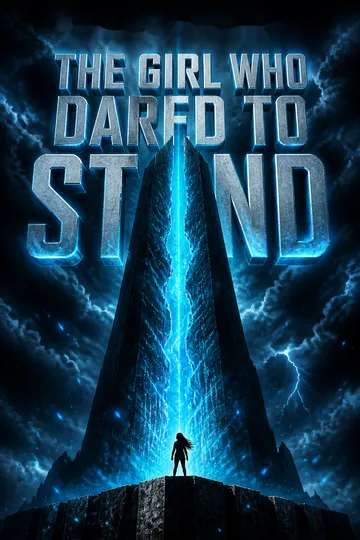
The Girl Who Dared Series

About the Author





Download PDF
Download EPUB
.epub digital book format is ideal for reading ebooks on phones, tablets, and e-readers.








































