
Plot Summary
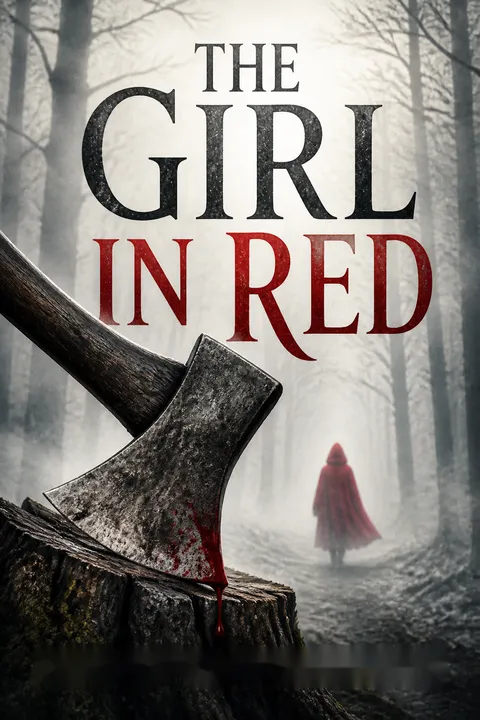
Firelight and Bloodied Axe
Red, a young woman with a prosthetic leg, sits alone by her campfire in a post-apocalyptic American forest. A predatory stranger approaches, underestimating her because of her gender and disability. When he threatens her for her supplies, Red uses her wits and a bloodied axe to defend herself, killing him in a brutal, necessary act of survival. The encounter leaves her shaken but resolute, reinforcing her determination to reach her grandmother's house. The world has collapsed under the weight of a deadly airborne disease, and Red's journey is marked by constant vigilance, exhaustion, and the ever-present threat of both human and viral predators.
Family Fractures, Urgent Departure
Before the world fell apart, Red's family—her cautious, academic mother, her pragmatic father, and her older brother Adam—struggled to agree on how to respond to the spreading pandemic. Red, always the planner, urges immediate evacuation to her grandmother's remote cabin, but her family hesitates, clinging to normalcy and possessions. Her mother's sudden cough signals the virus's arrival in their home, and the family's indecision becomes a matter of life and death. The tension between Red's urgency and her family's reluctance sets the emotional tone for the journey ahead, as love, fear, and denial collide in the shadow of impending loss.
Red's Rules for Survival
Red's obsession with apocalyptic fiction and horror movies has made her hyper-vigilant and methodical. She packs a survival bag with meticulous care, trains her body for long walks, and internalizes "rules" from stories: never separate, always be prepared, trust no one blindly. Her prosthetic leg, a source of others' pity, becomes a symbol of her resilience and adaptability. Red's identity—her mixed-race heritage, her stubbornness, her outsider status—shapes her approach to crisis. She is determined not to be a victim, and her internal monologue is a blend of dark humor, self-doubt, and fierce practicality, setting her apart from both her family and the strangers she encounters.
The Highway and the Stranger
Red's journey north forces her to confront the dangers of highways—abandoned cars, corpses, and the risk of military patrols. She avoids roads when possible, but necessity brings her into contact with other survivors, including a suspiciously friendly woman and her hidden accomplice. Red's instincts prove correct when she is ambushed, but her quick thinking and willingness to use violence save her life. The encounter underscores the new reality: in this world, trust is a liability, and every meeting is a potential threat. Red's isolation deepens, but so does her resolve to reach her grandmother, the last beacon of hope and family.
The Pharmacy and the Cough
Before leaving town, Red insists on raiding the pharmacy for antibiotics, knowing that ordinary infections are now deadly. Inside, she and Adam witness the horrifying symptoms of the Cough: a woman, blood streaming from her mouth and nose, convulses against the glass. The sight is both surreal and terrifying, shattering any illusions about the disease's nature. Red's scientific curiosity and paranoia clash with the visceral reality of the pandemic. The siblings escape, but the encounter marks a turning point—Red's mother's cough worsens, and the family's fate is sealed. The world outside is no longer just dangerous; it is monstrous.
The Last Family Argument
As Red's mother succumbs to the illness, the family faces impossible choices. Arguments flare—about Red's capabilities, about whether to stay or go, about the meaning of bravery and normalcy. The arrival of armed, racist neighbors forces a final, wrenching decision: Red and Adam must flee, leaving their parents behind to face certain death. The moment is raw with grief, guilt, and anger. Red's rules—never separate, always protect family—are shattered by reality. The trauma of abandonment and the violence outside their door haunt Red, fueling her determination but also deepening her emotional scars.
Escape and Parental Sacrifice
Red and Adam escape into the woods as gunfire erupts behind them. Their parents' sacrifice—holding off the attackers to give their children a chance—becomes both a burden and a blessing. The siblings are united by loss but divided by blame and grief. The forest, once a place of solace, becomes a crucible where survival depends on cooperation and hard choices. Red's leadership is tested as Adam's resentment simmers, and the weight of their parents' deaths hangs over every step. The world is emptier, colder, and more dangerous, but Red's sense of purpose hardens.
Siblings in the Wild
Alone together, Red and Adam struggle to navigate both the wilderness and their fractured relationship. Arguments over supplies, blame for past decisions, and the logistics of survival threaten to tear them apart. Adam's lack of preparation and impulsiveness contrast with Red's meticulous planning, forcing her to shoulder more responsibility. Their journey is punctuated by moments of tenderness and shared memory, but also by the ever-present threat of starvation, exposure, and hostile survivors. The siblings' dynamic becomes a microcosm of the larger collapse—trust is fragile, and survival demands both compromise and sacrifice.
The Gas Station Horror
Seeking food, Red and Adam break into a gas station and discover a gruesome scene: a man's chest exploded from within, his organs mangled. The siblings debate the cause—disease, violence, or something worse. The evidence points to a terrifying mutation of the virus, one that turns victims into hosts for a monstrous parasite. Their horror is compounded by the arrival of a militia group, forcing them to hide and witness the callous scavenging of both supplies and bodies. The encounter cements Red's distrust of other survivors and introduces a new, existential threat—one that is both biological and predatory.
The Militia and the Monster
Red and Adam's path crosses with both a homegrown militia and a military patrol. The militia, armed and lawless, represents the breakdown of social order and the rise of predatory power. The military, secretive and authoritarian, is hunting something more than just survivors—they are searching for the mutated parasite. Red's interrogation by the soldiers reveals fragments of the truth: the parasite is not natural, and the government's efforts to contain it are desperate and incomplete. The siblings are caught between forces beyond their control, and the line between human and monster blurs as violence escalates.
The Grief That Divides
The trauma of their parents' deaths and the horrors they've witnessed drive a wedge between Red and Adam. Arguments over blame, survival strategies, and the burden of leadership erupt into open conflict. Adam's resentment and Red's guilt threaten to destroy their partnership, but necessity forces them to reconcile—at least temporarily. Their journey becomes as much about navigating grief and forgiveness as it is about physical survival. The emotional landscape is as treacherous as the ruined world around them, and Red's internal struggle with responsibility and loss deepens.
The Children in the Woods
Alone after a devastating loss, Red encounters two children, Sam and Riley, hiding in the woods. Orphaned by the pandemic and violence, the siblings are wary but desperate for help. Red's compassion and resourcefulness win their trust, and she becomes their protector. The trio forms a makeshift family, bound by necessity and shared trauma. Red's role shifts from survivor to caretaker, and the presence of the children rekindles her sense of hope and humanity. Together, they navigate the dangers of the forest, scavenging for supplies and avoiding patrols, their bond growing stronger with each challenge.
D.J.'s Sanctuary
Red, Sam, and Riley find refuge with D.J., an elderly man who has survived by blending caution, kindness, and self-sufficiency. His home offers warmth, food, and a semblance of normalcy—a rare oasis in a brutal world. D.J.'s story of loss and waiting mirrors Red's own, and their conversations provide insight into the costs of survival and the meaning of hope. The children recover, and Red regains some of her strength, but the threat of patrols and the knowledge that safety is temporary force them to plan their next move. The sanctuary is a reminder of what has been lost and what is still worth fighting for.
The Patrol's Territory
D.J. helps Red analyze the patrol patterns of the local militia, revealing the extent of their control and the risks of travel. Red's strategic mind is tested as she balances the need for caution with the urgency of reaching her grandmother's house. The group debates whether to stay in the relative safety of D.J.'s home or risk the journey north. The presence of the militia, their predatory behavior, and the ever-present threat of the parasite force Red to confront the limits of her rules and the unpredictability of the new world. The decision to move forward is fraught with danger but driven by hope.
Sam's Capture, Red's Fury
When Sam is captured by the militia during a patrol, Red's protective instincts ignite. She tracks the group, using stealth and ferocity to ambush and kill Sam's captors with her axe. The violence is both shocking and cathartic, a testament to Red's transformation from cautious survivor to avenging protector. The rescue is messy and traumatic, leaving both Red and Sam shaken but alive. The episode underscores the brutality of the world and the lengths to which Red will go to protect those she loves. The cost of survival is measured in blood and guilt, but also in the bonds forged through adversity.
Teeth in the Dark
In the aftermath of the rescue, Red and Sam witness the horrifying truth: the parasite is real, monstrous, and deadly. It erupts from a corpse, all teeth and hunger, defying natural law and confirming the worst of Red's fears. Red's quick thinking and determination allow her to kill the creature, but the encounter leaves her physically and emotionally drained. The reality of the monster—born of human hubris and government secrecy—reshapes Red's understanding of the crisis. Survival now means facing not just human threats, but a new, predatory species unleashed upon the world.
The Final Walk Home
After a final confrontation with the military—now aware of the true threat—Red, Sam, and Riley are allowed to continue their journey. The path is long and arduous, marked by exhaustion, grief, and the scars of violence. Along the way, they find moments of laughter, comfort, and connection, forging a new family from the ashes of the old. When they finally reach Red's grandmother's cabin, the sense of relief and belonging is profound. The story ends not with triumph, but with survival—a testament to resilience, love, and the enduring hope that even in a broken world, home can still be found.
Analysis
Christina Henry's The Girl in Red is a haunting, genre-savvy reimagining of "Little Red Riding Hood" set in a world undone by pandemic and human folly. At its core, the novel interrogates the nature of survival—what it costs, who it changes, and what is worth saving when civilization collapses. Red's journey is both literal and psychological: she navigates a landscape of violence, loss, and monstrous transformation, armed with knowledge, skepticism, and a refusal to be underestimated. The story's dual timelines and meta-awareness of genre tropes invite readers to question the adequacy of fictional "rules" in the face of real horror. The introduction of the parasite—a government-made abomination—serves as a potent metaphor for the dangers of hubris, secrecy, and the unintended consequences of human ambition. Ultimately, the novel is a meditation on grief, agency, and the fragile hope that persists even in the darkest times. Red's resilience, her capacity for both violence and compassion, and her refusal to surrender her humanity offer a powerful lesson: survival is not just about enduring, but about choosing who we become when the world is remade.
Review Summary
The Girl in Red receives mostly positive reviews, averaging 3.71/5. Readers widely praise the protagonist Red as a refreshing, intelligent, and resourceful heroine who subverts typical apocalyptic character tropes. The dual "before/after" timeline structure is generally well-received for building tension. Common criticisms include a rushed ending, unanswered questions about the contagion's origins, and repetitive mentions of Red's prosthetic leg. Many readers draw comparisons to works like Bird Box and Contagion, appreciating the dark, fast-paced storytelling while noting some found the political messaging heavy-handed.
People Also Read



Characters
Red (Cordelia)
Red is the heart of the story—a young, mixed-race woman with a prosthetic leg, shaped by a lifetime of being underestimated. Her intelligence, stubbornness, and obsession with apocalyptic fiction make her both hyper-vigilant and deeply self-reliant. Red's relationship with her family is complex: she is both the "baby" and the most prepared, often at odds with her mother and brother. The trauma of losing her parents and the burden of leadership harden her, but her compassion endures, especially in her care for Sam and Riley. Red's psychological journey is one of grief, guilt, and the struggle to balance caution with connection. Her development is marked by increasing agency, moral ambiguity, and the painful realization that survival sometimes means breaking her own rules.
Adam
Adam, Red's older brother, is both her foil and her anchor. Less prepared and more impulsive, Adam resents Red's authority and blames her for their parents' deaths, yet relies on her for survival. His immaturity and lack of foresight create tension, but his vulnerability and moments of insight reveal a deep, if conflicted, love for his sister. Adam's psychological arc is defined by guilt, anger, and the struggle to accept responsibility. His tragic fate—killed by the parasite after a series of missteps—serves as a catalyst for Red's transformation and underscores the story's themes of loss and the unpredictability of survival.
Shirley (Red's Mother)
Shirley is a Shakespeare professor, fiercely intelligent and deeply protective of her children. Her relationship with Red is fraught with tension—she both underestimates and overprotects her daughter, struggling to reconcile Red's independence with her own fears. Shirley's illness and eventual death are pivotal, forcing Red to confront mortality, responsibility, and the limits of love. Her presence lingers in Red's internal monologue, shaping her decisions and self-perception. Shirley embodies the generational divide between caution and action, and her loss is a wound that never fully heals for Red.
Frank (Red's Father)
Frank is the stabilizing force in the family, a man of reason and patience. He supports Red's preparations and tries to mediate between his wife and children. Frank's love is expressed through quiet acts of care and practical advice, such as his mantra, "Work the problem." His ultimate sacrifice—staying behind with Shirley—reflects both devotion and resignation. Frank's death, though less dramatized, is a profound loss for Red, symbolizing the end of childhood and the necessity of self-reliance.
Sam
Sam, a ten-year-old girl orphaned by the pandemic, is both wary and wise beyond her years. Protective of her younger brother Riley, Sam is slow to trust but quick to adapt. Her skepticism and strategic thinking mirror Red's own, and their relationship evolves from guarded alliance to genuine affection. Sam's capture and rescue are turning points, testing her resilience and deepening her bond with Red. Psychologically, Sam embodies the trauma and adaptability of children in crisis, her innocence tempered by hard-earned survival skills.
Riley
Riley, eight years old, is Sam's younger brother and the emotional heart of the trio. His chatter, curiosity, and longing for normalcy provide moments of levity and vulnerability. Riley's innocence is both a liability and a source of hope—he reminds Red and Sam of what is worth saving. Despite his youth, Riley endures loss and hardship with remarkable resilience, his trust in Red a testament to her growing role as protector and surrogate family.
D.J. (Park Dae-Jung)
D.J. is an elderly man who offers sanctuary to Red, Sam, and Riley. His home is a rare haven of warmth, order, and kindness. D.J.'s backstory—waiting for family who may never return—mirrors Red's own longing for connection. He is pragmatic, resourceful, and quietly courageous, having survived by blending into the background and preparing for crisis. D.J.'s presence allows the children to recover and Red to reflect, his wisdom and generosity a reminder of the best of humanity amid chaos.
Lieutenant Sirois
Sirois is a complex figure—part protector, part enforcer of a secretive, failing system. His interactions with Red are marked by mutual suspicion, reluctant respect, and moments of genuine empathy. Sirois is burdened by the knowledge of the government's role in the crisis and the limits of his own power to help. His promotion and continued presence in the story symbolize the persistence of authority, even as its legitimacy crumbles. Sirois's psychological arc is one of guilt, responsibility, and the struggle to balance orders with conscience.
The Militia (Toothpick and Others)
The militia members—especially the "Toothpick" figure—represent the collapse of social order and the rise of predatory violence. They are opportunistic, cruel, and driven by a toxic mix of fear, entitlement, and aggression. Their capture of Sam and their fate at Red's hands illustrate the dangers of unchecked power and the necessity of self-defense. Psychologically, they are both products and perpetrators of the new world's brutality, serving as antagonists who force Red to confront her own capacity for violence.
The Parasite ("Thing That Should Not Be")
The parasite is both a literal and symbolic antagonist—a government-created monster that turns humans into hosts and erupts in a frenzy of teeth and hunger. Its existence blurs the line between disease and predator, natural and artificial. The parasite's emergence from victims' bodies is a grotesque metaphor for the unintended consequences of human ambition and secrecy. Psychologically, it embodies the fear of the unknown, the loss of bodily autonomy, and the horror of a world where the greatest threat comes from within.
Plot Devices
Dual Timeline Structure
The narrative alternates between "Before" (the collapse, family dynamics, and the initial outbreak) and "After" (Red's journey through the ruined world). This structure allows the reader to experience both the loss of normalcy and the ongoing struggle for survival, creating a layered emotional arc. The juxtaposition of memory and present action heightens the sense of grief, nostalgia, and the irreversibility of change.
Survivalist Realism and Genre Awareness
Red's knowledge of apocalyptic fiction and horror tropes informs her actions and internal monologue. She consciously applies "rules" from stories—never separate, always be prepared, trust no one—while also critiquing and subverting them. This meta-awareness adds both humor and tension, as Red's expectations are repeatedly challenged by reality. The device underscores the gap between fiction and lived experience, highlighting the unpredictability and moral ambiguity of true survival.
Foreshadowing and Symbolism
The story uses foreshadowing—strange symptoms, unexplained deaths, and ominous encounters—to build anticipation for the revelation of the parasite. Symbolic elements, such as Red's axe, her prosthetic leg, and the recurring motif of wolves and hunters, reinforce themes of vulnerability, transformation, and agency. The red hood itself is a powerful symbol, linking Red to the fairy tale while subverting expectations of innocence and victimhood.
Psychological Realism and Internal Conflict
The plot is propelled as much by internal conflict—grief, guilt, anger, and the longing for connection—as by external threats. Red's psychological journey, her evolving relationship with Adam, and her role as protector of Sam and Riley provide emotional depth and complexity. The story's tension arises from the interplay between survival instincts and the desire for humanity, compassion, and meaning.
Government Secrecy and Conspiracy
The revelation that the parasite is a government-created entity adds a layer of conspiracy and moral ambiguity. The military's secrecy, the ambiguous motives of authority figures, and the proliferation of militia groups reflect the breakdown of trust and the dangers of unchecked power. This device amplifies the sense of uncertainty and the theme that the greatest threats may come from within the systems meant to protect.
About the Author
Other books by Christina Henry



Download PDF
Download EPUB
.epub digital book format is ideal for reading ebooks on phones, tablets, and e-readers.








































