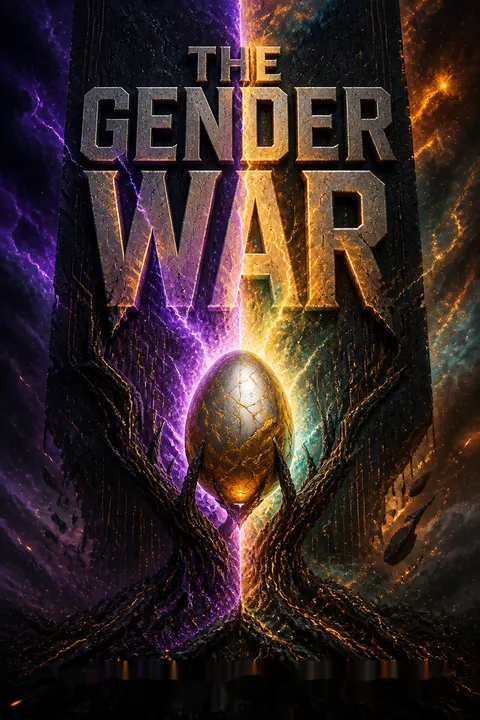

Plot Summary
Prison Walls and Plots
Viggo, imprisoned and separated from Violet, battles rage and guilt over their failed mission. He uses his warden skills to escape, improvising with a belt buckle and outsmarting a guard. The prison's eerie quiet and the Matrians' hostility hint at deeper treachery. Viggo's reunion with Owen, a former enemy now turned ally, reveals a shocking alliance between Queen Elena and Desmond. The stakes escalate: Violet's life hangs in the balance, and the only way forward is a risky, urgent escape. Viggo's determination to save Violet and expose the conspiracy sets the tone for the war to come, blending love, loyalty, and the relentless drive for justice.
Torture and Defiance
Strapped to a table, Violet faces Queen Elena, Desmond, and the sadistic Tabitha. Despite pain and fear, she clings to humor and defiance, refusing to break under torture. Tabitha's cruelty is met with Violet's biting wit and resilience, even as her hand is brutally pierced. The psychological battle is as fierce as the physical one, with Violet's hatred for her captors fueling her will to survive. The chapter captures the raw terror and courage of a woman who refuses to be a victim, setting up her eventual rescue and the deepening of her bond with Viggo.
Escape and Revelations
Viggo's frantic search through the palace's labyrinthine halls culminates in a harrowing rescue of Violet. Her injuries are severe, but their reunion is fierce and tender. As they flee, they piece together the true scope of the conspiracy: Elena and Desmond's alliance, the manipulation of the Liberators, and the looming threat to both Matrus and Patrus. Trust is fragile, and every ally is suspect. The emotional intensity of Violet and Viggo's relationship is matched by the urgency of their mission, as they race to warn Patrus and prevent a catastrophic war.
Descent and Alarms
The couple's escape is fraught with alarms, gunfire, and narrow escapes. Violet, wounded but unyielding, and Viggo, driven by love and guilt, navigate the palace's deadly corridors. Their banter and mutual support provide moments of levity amid the danger. The alarm's blare and the Matrians' relentless pursuit underscore the ever-present threat. The chapter explores the psychological toll of constant danger and the necessity of hard choices, as they subdue guards and fight their way to freedom, determined to reach their allies and warn Patrus.
Riverbank Reunion
The escapees rendezvous with Ms. Dale, Owen, and Alejandro at the riverbank, reuniting with Jay, Tim, and the precious eggs. The tension between old friends and new allies is palpable, as trust must be rebuilt in the face of betrayal. The group's dynamic is tested by jealousy, loyalty, and the shared trauma of their journey. The river crossing is both a literal and symbolic passage, marking a transition from survival to resistance. The chapter highlights the importance of found family and the sacrifices required to protect those we love.
Ambush on the Water
The group's flight is shattered by a Matrian heloship attack, resulting in the destruction of Alejandro's boat. Amid chaos and sinking, Ms. Dale's quick thinking and the group's resourcefulness save lives, but not without cost. The trauma of near-drowning and the scramble for survival deepen the bonds between the characters. The attack is a stark reminder of the enemy's reach and the fragility of hope. The chapter explores themes of sacrifice, resilience, and the unpredictable nature of war.
Sinking and Survival
As the boat sinks, the group faces impossible choices: who will escape first, who will stay behind, and how to save everyone. Viggo's pragmatism and Violet's stubbornness clash and complement each other, revealing the depth of their love. The boys' bravery and Ms. Dale's leadership shine. The tension between self-preservation and self-sacrifice is palpable, culminating in a daring rescue and a narrow escape from death. The ordeal leaves physical and emotional scars, but also forges unbreakable bonds.
Proposals and Promises
In a rare moment of calm, Viggo proposes to Violet, seeking solace and meaning in their love. The proposal is interrupted by danger, but the promise lingers, offering hope in the midst of war. The chapter explores the tension between personal desires and collective responsibility, as Violet grapples with the possibility of happiness in a world on fire. The promise of marriage becomes a symbol of resistance, a reason to fight for a better future.
Smugglers and Betrayals
The group's attempt to cross into Patrus with the help of the Porteque gang goes awry, exposing old wounds and new betrayals. Viggo's past as a warden and the gang's misogyny ignite violence and hard choices. The chapter examines the cost of survival in a world where trust is scarce and every alliance is fraught with danger. The group's unity is tested, but their shared purpose prevails, setting the stage for the confrontation with King Maxen.
The King's Interrogation
The group delivers King Maxen to a secret Patrian facility, where Violet and Viggo must convince him of the Matrian conspiracy. The king's misogyny and arrogance clash with Violet's defiance, leading to a tense standoff. The arrival of Matrian assassins forces an uneasy alliance, as the group must protect the king to prevent war. The chapter explores the complexities of power, the dangers of underestimating women, and the necessity of challenging authority in the face of injustice.
Liberators' Dilemma
The group's encounter with the Liberators reveals the depth of Desmond's betrayal and the difficulty of uniting disparate factions. Amber's internal conflict, Owen's guilt, and the boys' desire to help highlight the psychological toll of war. The chapter delves into the challenges of building a resistance, the pain of lost innocence, and the necessity of difficult choices. The group's unity is fragile, but their shared purpose gives them strength.
Tunnel of Fire
The group's flight through the tunnels is marked by violence, loss, and heroism. Henrik's sacrifice, Ms. Dale's grief, and the refugees' suffering underscore the human cost of resistance. The group's escape is both a victory and a tragedy, as they must leave behind the dead and wounded. The chapter explores themes of grief, resilience, and the moral ambiguity of war, as the survivors grapple with the consequences of their actions.
Sanctuary and Strategy
The group finds temporary refuge at Viggo's cabin and then at Ashabee's fortress, where they must balance security with the need to act. The arrival of refugees, the discovery of hidden armories, and the forging of new alliances provide a glimmer of hope. The chapter highlights the importance of strategy, the challenges of leadership, and the necessity of adapting to changing circumstances. The promise of a future together sustains Violet and Viggo, even as the war intensifies.
Moral Dilemmas
The accidental massacre of refugees by Ashabee's automated defenses forces Violet and Viggo to confront the moral cost of war. The group must decide how to respond: with justice, mercy, or vengeance. The chapter explores the psychological toll of leadership, the difficulty of making impossible choices, and the necessity of holding onto humanity in the face of atrocity. The group's unity is tested, but their commitment to each other endures.
Farewells and New Resolve
The deaths of Henrik and others leave the group reeling, but also strengthen their resolve. Ms. Dale's grief, Viggo's guilt, and Violet's determination to fight for a better world are explored in depth. The chapter examines the process of mourning, the importance of ritual, and the ways in which loss can galvanize action. The group's commitment to each other and to the cause is reaffirmed, even as they prepare for new battles.
Ashabee's Fortress
The group discovers Ashabee's hidden armory and must decide how to use his resources for the resistance. The contrast between Ashabee's wealth and the suffering outside his walls highlights the inequalities at the heart of both societies. The chapter explores themes of privilege, responsibility, and the necessity of using power for good. The group's unity is strengthened by shared purpose, even as old wounds and new challenges threaten to divide them.
Blood on the Lawn
The arrival of refugees at Ashabee's mansion leads to tragedy when automated defenses are triggered, killing innocents. The group must confront the consequences of their actions and the dangers of fear-driven decisions. Viggo's grief and Violet's determination to seek justice drive the group to reexamine their values and priorities. The chapter explores the tension between security and compassion, the dangers of dehumanization, and the necessity of accountability.
Consequences and Choices
Violet must decide Ashabee's fate, weighing justice against mercy. The group's internal dynamics are tested as they grapple with the consequences of violence and the need for unity. The arrival of Matrian forces forces a new reckoning, as the group must choose between hiding, fighting, or fleeing. The chapter explores the complexities of leadership, the importance of moral clarity, and the necessity of making hard choices in the face of uncertainty.
Matrian Arrival
Matrian forces arrive under the guise of humanitarian aid, but their true intentions are quickly revealed. The group must use deception and quick thinking to avoid detection and protect the king. The chapter highlights the dangers of propaganda, the power of narrative, and the necessity of vigilance. The group's unity and resourcefulness are tested as they prepare for the next phase of the war.
Planning the Counterstrike
The group regroups and plans a counteroffensive, seeking to destroy the Benuxupane supply and undermine Desmond and Elena's control. New alliances are forged, old wounds are addressed, and the promise of a better future sustains them. The chapter explores the challenges of resistance, the importance of hope, and the necessity of collective action. The group's commitment to each other and to the cause is reaffirmed, even as the stakes grow higher.
Scouting and Sacrifice
Viggo and Owen's scouting mission provides vital intelligence, but also underscores the dangers and uncertainties of the conflict. Amber's return, bloodied and traumatized, brings news of new threats and old betrayals. The group must say goodbye to friends and allies, knowing that not all will survive the coming battles. The chapter explores the pain of separation, the necessity of sacrifice, and the enduring power of love and loyalty.
Amber's Return
Amber's return reveals Tabitha's ultimatum: Violet must surrender herself, the egg, and the king to save her family. The group is thrown into turmoil, forced to choose between personal loyalty and the greater good. Violet's determination to save her family, even at the cost of her own life, drives the narrative forward. The chapter explores the psychological toll of blackmail, the pain of betrayal, and the necessity of courage in the face of impossible odds.
The Palace Ultimatum
Violet, Amber, and a small team infiltrate the palace, using deception, explosives, and quick thinking to outmaneuver Tabitha. The hostage exchange is fraught with danger, and every move is a calculated risk. The chapter explores the tension between personal and collective responsibility, the power of sacrifice, and the necessity of taking bold action in the face of overwhelming odds.
Explosions and Escape
The palace erupts in violence as Violet's plan unfolds: explosions, gunfire, and the collapse of the old order. The cost is high—lives are lost, alliances are shattered, and the future remains uncertain. The chapter explores the exhilaration and horror of battle, the unpredictability of war, and the necessity of embracing change, even when it comes at great personal cost.
Showdown in the Halls
Violet and Tabitha's brutal showdown is a test of strength, will, and ingenuity. Violet's injuries mount, but her determination never wavers. The psychological and physical toll of the conflict is laid bare, as Violet fights not just for her life, but for the future of both nations. The chapter explores the limits of endurance, the power of love and memory, and the necessity of fighting for what matters most.
Resurrection and Reunion
In the aftermath of the battle, Viggo finds Violet's lifeless body and refuses to give up on her. His desperate efforts to revive her are rewarded with a fragile, miraculous return to life. The chapter is a meditation on grief, hope, and the power of love to transcend even death. As the survivors regroup, the promise of a future together—of marriage, family, and a better world—offers a glimmer of hope amid the ruins.
Analysis
Bella Forrest's The Gender War is a high-octane, emotionally charged exploration of resistance, trauma, and the quest for justice in a world divided by gender and ideology. Through the dual perspectives of Violet and Viggo, the novel delves into the psychological cost of war, the complexity of loyalty, and the necessity of hope in the face of despair. The narrative's relentless pace, punctuated by moments of tenderness and humor, keeps readers engaged while never shying away from the moral ambiguity and brutality of revolution. Forrest's use of alternating narration, recurring symbols, and escalating set pieces creates a tapestry of suspense and emotional depth, allowing for a nuanced critique of both patriarchal and matriarchal systems. The novel's ultimate message is one of resilience: that love, found family, and the willingness to fight for a better world can endure even in the darkest of times. The promise of a future—symbolized by Violet and Viggo's engagement—serves as both a personal and political beacon, reminding readers that change is possible, but never without sacrifice.
Review Summary
The Gender War receives mixed reviews averaging 4.09/5 stars. Positive reviews praise the action-packed plot, character development, and compelling romance between Violet and Viggo. Readers appreciate the dystopian world-building and find the series addictive. Critical reviews cite inconsistent pacing, dragging storylines, similar character voices, poor world-building, lack of consequences, and the feeling the series is stretched too long. Common complaints include rushed writing, grammatical issues, and repetitive plot structures. Many readers note the series weakens after strong beginnings, though some find book four improves on previous installments.
People Also Read






Characters
Violet Bates
Violet is the emotional and moral center of the story, defined by her resilience, wit, and fierce loyalty to those she loves. Her journey from prisoner to leader is marked by trauma, loss, and the constant threat of violence, but she never loses her sense of self or her capacity for hope. Her relationship with Viggo is both a source of strength and vulnerability, grounding her amid chaos. Violet's psychological complexity—her guilt, anger, and longing for a better world—drives her to make impossible choices, often sacrificing her own safety for others. Her evolution from victim to strategist, from isolated fighter to the heart of a movement, is the emotional arc of the novel.
Viggo Croft
Viggo is defined by his sense of duty, his capacity for violence, and his deep, often unspoken love for Violet. His past as a warden and the trauma of losing his wife Miriam shape his actions and his guilt, making him both fiercely protective and emotionally guarded. Viggo's journey is one of redemption: learning to trust, to love again, and to lead without losing his humanity. His relationship with Violet is transformative, allowing him to hope for a future beyond war. Viggo's pragmatism, resourcefulness, and willingness to make hard choices are balanced by his vulnerability and his need for connection.
Owen
Owen's arc is one of betrayal and redemption. Once a pawn of Desmond, he becomes a crucial ally, risking everything to save Violet and Viggo. His loyalty is tested by guilt over his past actions and his desire to protect his brother Ian. Owen's intelligence, technical skills, and empathy make him a vital member of the resistance, often serving as a mediator between factions. His psychological struggle—balancing loyalty, guilt, and hope—mirrors the larger conflict between Matrus and Patrus.
Ms. Dale (Melissa)
Ms. Dale is the group's strategist and emotional anchor, providing wisdom, discipline, and a dry wit. Her past as a spy and her experience navigating both Matrian and Patrian societies give her unique insight. Her relationship with Henrik reveals her vulnerability and capacity for love, while her grief at his loss deepens her character. Ms. Dale's commitment to justice and her willingness to make hard choices make her both a leader and a confidante.
Amber
Amber's journey is one of internal conflict: torn between her loyalty to the Liberators, her hatred of her father, and her growing bond with Violet and the group. Her trauma, especially at the hands of Tabitha, fuels her anger and her desire for change. Amber's skills as a pilot and her willingness to risk everything for her friends make her indispensable, but her inability to fully commit to the resistance reflects the psychological scars of betrayal and loss.
Jay
Jay's strength, courage, and innocence are both a blessing and a curse. As one of the boys experimented on by Mr. Jenks, he embodies the cost of the war and the hope for a better future. His loyalty to Violet, Tim, and the group is unwavering, and his willingness to risk his life for others marks his transition from victim to hero. Jay's psychological journey is one of self-discovery, as he learns to harness his abilities and define his own identity.
Tim
Tim's trauma and resilience are central to the story's emotional core. His limited speech and aversion to touch reflect the deep scars of his past, but his love for Violet and his desire to protect others drive him to extraordinary acts of bravery. Tim's evolution from a damaged child to an active participant in the resistance is a testament to the power of love and the possibility of healing.
King Maxen
Maxen's misogyny, cowardice, and inability to adapt make him both a source of conflict and a tragic figure. His interactions with Violet and the group force him to confront his own limitations and the failures of his society. Maxen's psychological rigidity and refusal to change highlight the dangers of unchecked power and the necessity of revolution.
Tabitha
Tabitha is the physical and psychological threat at the heart of the novel. Her cruelty, strength, and cunning make her a formidable enemy, while her alliance with Elena and Desmond represents the convergence of Matrian and Patrian corruption. Tabitha's psychological sadism and her delight in others' pain are contrasted with her own insecurities and need for control. Her final confrontation with Violet is both a battle of wills and a clash of worldviews.
Desmond
Desmond's influence is felt throughout the novel, even when she is not physically present. Her ability to manipulate, betray, and control others—especially the Liberators and the boys—makes her the true architect of the conflict. Desmond's psychological complexity lies in her ability to inspire loyalty even as she destroys lives, and her ultimate goal of creating a new order at any cost.
Plot Devices
Dual Narration and Shifting Perspectives
The novel's structure alternates between Viggo and Violet's perspectives, allowing readers to experience both the external action and the internal psychological struggles of the protagonists. This dual narration creates dramatic irony, heightens tension, and provides insight into the evolving relationship between the characters. The shifting perspectives also allow for a nuanced exploration of gender, power, and trauma, as each character brings their own biases, fears, and hopes to the narrative.
Foreshadowing and Symbolism
The use of recurring symbols—such as the egg, the river, and the motif of imprisonment—foreshadows key plot developments and reinforces the novel's central themes. The egg, in particular, serves as a symbol of both hope and manipulation, representing the potential for a new future and the dangers of unchecked power. Foreshadowing is used to build suspense, hinting at betrayals, reversals, and the ultimate confrontation between Violet and Tabitha.
High-Stakes Set Pieces and Cliffhangers
The novel is structured around a series of escalating set pieces—prison breaks, torture scenes, river ambushes, and palace showdowns—that keep the narrative moving at a relentless pace. Each set piece is designed to test the characters' limits, force hard choices, and reveal new facets of their personalities. Cliffhangers at the end of chapters and major plot arcs ensure that the reader is constantly propelled forward, mirroring the characters' own sense of urgency and desperation.
Moral Ambiguity and Psychological Realism
The novel refuses easy answers, forcing characters to grapple with the moral ambiguity of war, the cost of survival, and the limits of loyalty. Psychological realism is achieved through detailed exploration of trauma, grief, and the struggle to maintain hope in the face of overwhelming odds. The use of internal monologue, flashbacks, and moments of vulnerability allows readers to connect deeply with the characters and understand the stakes of their choices.
Thematic Juxtaposition of Gender and Power
The central conceit of gender-segregated societies is used not just as a backdrop, but as a lens through which to explore power, oppression, and the possibility of change. The novel juxtaposes the failures of both Matrus and Patrus, highlighting the dangers of extremism, the necessity of empathy, and the potential for a new, more just order. The personal relationships between characters—especially Violet and Viggo—mirror the larger societal struggle, making the political deeply personal.
The Gender Game Series






About the Author

Download PDF
Download EPUB
.epub digital book format is ideal for reading ebooks on phones, tablets, and e-readers.








































