

Plot Summary
Aftermath of the Uprising
The story opens in the smoldering aftermath of a violent uprising at the water treatment plant. Viggo, Violet, and their allies are battered, tending to the wounded and mourning the dead. The cost of victory is heavy—lives lost, innocence shattered, and the burden of leadership pressing down. Desmond's shadow looms, and the group is fractured by trauma and uncertainty. Yet, amidst the chaos, a fierce determination emerges: they must rescue Violet, who has been captured, and confront the deeper conspiracy threatening both Matrus and Patrus. The emotional weight is palpable—guilt, grief, and the desperate hope that their sacrifices will not be in vain.
Desmond's Death, Violet Taken
Desmond, the architect of much suffering, is finally killed in a brutal struggle, her body a symbol of the end of an era of cruelty. But the victory is hollow—Violet is snatched away by Desmond's remaining forces and spirited off in a damaged heloship. Viggo and the others are left reeling, desperate to track her down. The group's unity is tested as secrets are revealed—Morgan's royal lineage, betrayals, and the ever-present threat of Elena's machinations. The urgency to save Violet is matched only by the fear that they may already be too late, and the emotional stakes are raised as love and loyalty are put to the ultimate test.
Heloship Crash and Alliance
Aboard the crippled heloship, Violet must forge an uneasy alliance with her captors—Matrian wardens Kathryn and Belinda—after a crash landing in the desolate Outlands. Survival demands cooperation, and old enmities are set aside as they work together to repair the ship. The barren landscape is both a physical and psychological trial, stripping away illusions and forcing each woman to confront her own pain and prejudice. Bonds of trust are tentatively formed, but the specter of execution and betrayal lingers. Violet's resilience and empathy shine, even as exhaustion and fear threaten to overwhelm her.
Into The Outlands
The trio's journey takes them deeper into the Outlands, a wasteland rumored to be inescapable. As they struggle to navigate and survive, they discover a river—Veil River—whose unnatural blue glow hints at a deeper mystery. Supplies dwindle, and the threat of death becomes ever more real. Yet, hope flickers as they spot a colossal, enigmatic tower on the horizon. The Outlands, once a symbol of exile and oblivion, now become the gateway to a revelation that will upend everything they thought they knew about their world and its boundaries.
Tower of Secrets
Crash-landing on the tower's platform, Violet and her companions are confronted by a group of mysterious, technologically advanced humans. The tower is a self-contained civilization, isolated and thriving, its people wary of outsiders. The trio is taken inside, subjected to scrutiny, and forced to navigate a labyrinth of social protocols and hidden agendas. The tower's society is rigidly controlled, with population limits and a culture of secrecy. Violet's presence is both a threat and an opportunity, and she must use all her wit and courage to negotiate for her friends' survival and a chance to return home.
The Hidden Civilization
Inside the tower, Violet is healed with advanced technology, her injuries mended in ways unimaginable in Matrus or Patrus. She meets the council—Devon, Raevyn, and the enigmatic Sage—and is forced to defend her people's intentions. The tower's insularity is both its strength and its weakness; its leaders fear contamination from the outside world. Tensions rise as Violet and Viggo are reunited, and the group is ultimately expelled, their memories and technology deemed too dangerous. The encounter leaves them with new knowledge—and a warning: the tower's waste is poisoning the Veil River, threatening both Matrus and Patrus.
Bargains and Betrayals
Back in familiar territory, Violet and Viggo must navigate the fractured alliances and political chaos of Patrus and Matrus. The revelation of the tower's pollution forces them to confront the interconnectedness of their worlds. Old enemies—Maxen, Elena, and the Porteque gang—maneuver for power, each with their own agenda. The group is battered but not broken, and new strategies are forged. The emotional toll is immense, as love, loss, and the weight of leadership threaten to tear them apart. Yet, hope persists, and the promise of a better future drives them forward.
Return to the War
With the threat of Elena's enhanced soldiers and Maxen's betrayal looming, Violet and Viggo rally their allies for a final assault. The group is divided into teams, each with a critical mission—some to destabilize Elena's regime, others to rescue the brainwashed boys, and still others to secure the future of both nations. The stakes are higher than ever, and every decision is fraught with risk. The bonds of friendship and love are tested to their limits, and the specter of sacrifice hangs over them all. The emotional intensity is raw, as each character faces their own fears and hopes.
The Final Assault
The assault on the Matrian palace and its underground labs is a maelstrom of violence and chaos. The group battles monstrous creations—genetically engineered beasts, berserkers, and deadly traps—while racing against time to stop Elena and free the boys. The labyrinthine tunnels are a crucible, forging heroes and exposing cowards. Betrayals are revealed, and the cost of victory becomes painfully clear. The action is relentless, but it is the emotional stakes—the fear of losing loved ones, the hope for redemption—that give the battle its true weight.
Monsters Unleashed
As the battle rages, the true horror of Elena's experiments is unleashed. The creatures of The Green—mutant insects, serpents, and wolf-monkeys—break free, turning the palace into a nightmare. The line between friend and foe blurs as the enhanced boys, once weapons, become victims in need of rescue. The group is scattered, forced to improvise and rely on each other in new ways. The cost of hubris and unchecked ambition is laid bare, and the survivors must confront the consequences of their world's darkest secrets.
Showdown on the Roof
The climax erupts on the palace rooftop, where Elena, driven mad by her own enhancements, makes her final stand. Violet, Tim, and Morgan face her in a desperate battle, with Sierra's life hanging in the balance. Elena's power is monstrous, but it is the courage and love of her adversaries that ultimately prevail. Ms. Dale, mortally wounded, makes the ultimate sacrifice, taking Elena over the edge in a final act of heroism. The victory is pyrrhic—lives are lost, innocence is shattered, but the tyranny is ended.
Sacrifice and Survival
In the aftermath, the survivors are imprisoned, awaiting judgment. The emotional toll is immense—Ms. Dale and Thomas are dead, and the group is haunted by guilt and grief. Yet, there is solace in reunion, and the bonds of love and friendship endure. Morgan, now queen, must navigate the treacherous waters of politics and justice, balancing the need for truth with the demands of peace. The cost of survival is high, and the scars—physical and emotional—will never fully heal.
Justice and New Beginnings
A tribunal is convened, and the truth of Elena's crimes is brought to light. Reparations are promised, and the survivors are pardoned and hailed as heroes. Yet, justice is imperfect—Ms. Dale is posthumously condemned for regicide, her sacrifice obscured for the sake of political stability. The survivors must grapple with the bittersweet reality of victory—freedom won at a terrible price, and the knowledge that peace is always fragile. The seeds of a new order are sown, but the wounds of the past linger.
The Price of Peace
As Matrus and Patrus begin the arduous process of rebuilding, the survivors find new roles—Viggo as chancellor, Morgan as queen, Henrik as a teacher, Owen as a diplomat. The world is changed, but old prejudices and resentments persist. The memory of the fallen—Ms. Dale, Thomas, and so many others—haunts the living, shaping their choices and their hopes for the future. The work of healing is slow, and the cost of peace is a constant reminder of what was lost.
A World Reborn
A year passes, and the world is transformed. The river is being purified, the boys are rehabilitated, and the two nations are forging a new alliance. Laws are rewritten, families are reunited, and the wounds of the past begin to heal. The survivors find purpose in service, love, and the promise of a better tomorrow. The world is not perfect—there are still challenges, and the scars of war remain—but hope endures, and the dream of a just and united society is within reach.
Legacies and Farewells
The memory of those lost is honored in word and deed—Ms. Dale's legacy lives on in the hearts of her friends, and Thomas's sacrifice is remembered in every act of courage and kindness. The survivors gather for weddings, celebrations, and the quiet moments of everyday life, finding solace in each other and in the knowledge that their struggles were not in vain. The past is never forgotten, but it is no longer a prison. The future beckons, bright with possibility.
A Wedding and a Future
Viggo and Violet, at last, are married in a ceremony that is both joyful and bittersweet. Surrounded by friends and family, they celebrate not only their love but the resilience of the human spirit. The world they fought to save is still fragile, but it is theirs to shape. The promise of new life—Violet's pregnancy—signals hope for a generation unburdened by the sins of the past. The bonds of love, friendship, and community are the foundation of a new era.
Epilogue: Hope Endures
One year later, the world is changed but not unrecognizable. Violet and Viggo are expecting a child, and the work of rebuilding continues. The wounds of war are healing, and the promise of peace is real. The survivors gather to celebrate Morgan and Owen's wedding, a symbol of unity and renewal. The future is uncertain, but hope endures, and the legacy of courage, sacrifice, and love lights the way forward.
Analysis
A meditation on trauma, justice, and the possibility of renewalThe Gender End is a sweeping, emotionally charged conclusion to a series that has always grappled with the darkest and brightest aspects of human nature. At its core, the novel is about the cost of survival—the wounds we carry, the sacrifices we make, and the hope that endures even in the face of overwhelming loss. Bella Forrest uses the collapse and rebirth of Matrus and Patrus to explore questions of power, gender, and the meaning of justice. The story refuses to offer easy answers: victory is always bittersweet, and the scars of violence linger long after the fighting ends. Yet, the novel insists on the possibility of healing—not through forgetting, but through remembrance, forgiveness, and the hard work of building something new. The final image—Violet and Viggo, surrounded by family, expecting a child, and looking toward a future they will shape together—is a testament to the resilience of the human spirit. The Gender End is both a warning and a promise: that even in a broken world, hope can endure, and love can light the way forward.
Review Summary
The Gender End receives mixed reviews averaging 4.16/5 stars. Positive reviews praise the engaging world-building, action sequences, and emotional character journeys, particularly Violet and Viggo's relationship. Many readers loved the series despite acknowledging pacing issues. Critical reviews highlight major flaws: excessive length (could be condensed to 3 books), poor editing, repetitive battles, lack of LGBT+ representation despite gender-focused premise, shallow exploration of gender politics, forced romances for every character, and blatant promotion of the author's next series. Common complaints include indistinguishable character voices, unrealistic scenarios, and superficial treatment of gender equality themes.
People Also Read





Characters
Violet Bates
Violet is the emotional and moral center of the story—a survivor of trauma, a reluctant leader, and a woman driven by love, guilt, and a fierce sense of justice. Her journey is one of transformation: from fugitive to freedom fighter, from outcast to symbol of hope. Violet's relationships—with Viggo, Tim, Ms. Dale, and her found family—are the source of her strength and vulnerability. She is haunted by the violence she has committed and witnessed, yet she never loses her empathy or her capacity for forgiveness. Her arc is one of healing, as she learns to accept love, trust others, and believe in the possibility of a better world.
Viggo Croft
Viggo is both warrior and caretaker, shaped by the loss of his first wife and the burdens of leadership. His love for Violet is steadfast, but he is tormented by guilt and the fear of losing her. Viggo's journey is one of redemption—learning to forgive himself, to trust in others, and to accept the responsibilities of leadership. He is pragmatic, courageous, and deeply loyal, but also vulnerable to despair and self-doubt. His evolution from warden to chancellor mirrors the transformation of Patrus itself, and his relationship with Violet is the emotional anchor of the narrative.
Ms. Dale
Ms. Dale is the archetype of the wise mentor—pragmatic, fiercely intelligent, and willing to make the hard choices others cannot. Her relationship with Violet is complex—a blend of maternal care, tough love, and mutual respect. Ms. Dale's past is marked by secrets and regrets, and her final act of sacrifice is both a redemption and a testament to her love for her found family. Her death is a profound loss, but her legacy endures in the courage and resilience of those she leaves behind.
Tim Bates
Tim is Violet's younger brother, a survivor of horrific experimentation and a symbol of the story's deepest wounds. His struggle with trauma, identity, and the pain of human touch is both literal and metaphorical. Tim's journey is one of reclaiming agency, finding family, and learning to trust again. His innocence is tempered by suffering, but he never loses his capacity for love or his desire to protect others. Tim's arc is a testament to the possibility of healing, even in the face of unimaginable pain.
Morgan
Morgan is a study in contrasts—royal by birth, but an exile by circumstance. Her enhancements make her both powerful and isolated, and her past is marked by betrayal and abuse. Morgan's journey is one of self-acceptance, as she learns to embrace her strengths and confront her fears. Her relationship with Violet and the others is fraught with mistrust, but ultimately becomes a source of redemption and belonging. As queen, Morgan must balance justice and mercy, and her choices shape the future of Matrus.
Amber
Amber is the embodiment of defiance and loyalty—a skilled pilot, a sharp wit, and a woman unafraid to challenge authority. Her past is marked by loss and betrayal, and her relationship with Logan is a source of both pain and hope. Amber's arc is one of learning to trust, to forgive, and to find purpose beyond rebellion. Her courage and humor are a balm to her friends, and her willingness to risk everything for those she loves is a testament to her strength.
Owen
Owen is a man marked by loss and regret—his betrayal of Violet and Tim is a wound that never fully heals. His journey is one of atonement, as he seeks to prove his loyalty and find a place in the new world. Owen's relationship with Morgan is a source of hope and healing, and his willingness to sacrifice himself for others is both a strength and a vulnerability. His arc is a meditation on forgiveness, self-worth, and the possibility of starting anew.
Henrik
Henrik is the anchor of the resistance—a man of wisdom, patience, and quiet strength. His love for Ms. Dale is a source of both joy and sorrow, and her loss leaves him adrift. Henrik's decision to step back from leadership and become a teacher is both a tribute to her memory and an act of self-preservation. He represents the enduring power of love, the necessity of letting go, and the importance of passing on wisdom to the next generation.
Elena
Elena is the story's primary antagonist—a woman driven by ambition, cruelty, and a warped sense of destiny. Her experiments on the boys, her manipulation of her sisters, and her willingness to sacrifice anyone for power make her a figure of horror and pity. Elena's descent into madness is both a cautionary tale and a reflection of the story's darkest themes—the dangers of unchecked power, the cost of dehumanization, and the tragedy of a life consumed by hate.
Thomas
Thomas is the quintessential outsider—brilliant, awkward, and deeply loyal. His inventions and strategies are critical to the group's survival, but his inability to connect emotionally is both a strength and a weakness. Thomas's death is a profound loss, but his legacy endures in the systems he creates and the lives he saves. His arc is a meditation on the value of difference, the cost of genius, and the quiet heroism of those who work behind the scenes.
Plot Devices
Dual Narration and Shifting Perspectives
The story is told through alternating chapters from Violet and Viggo's perspectives, allowing readers to experience both the external action and the internal emotional landscape. This dual narration creates a sense of intimacy and immediacy, as the reader is privy to the fears, hopes, and doubts of both protagonists. The shifting perspectives also allow for a richer exploration of the story's themes—love, sacrifice, and the search for justice—by showing how different characters grapple with the same events in unique ways.
Foreshadowing and Symbolism
The narrative is laced with foreshadowing—hints of betrayal, the looming threat of the Outlands, and the consequences of unchecked ambition. Symbols such as the Veil River, the tower, and the egg serve as touchstones for the story's deeper meanings. The river's pollution is both a literal and metaphorical threat, representing the interconnectedness of all things and the dangers of isolation. The egg is a symbol of both hope and hubris, a reminder of the costs of playing god.
High-Stakes Action and Emotional Catharsis
The story's action—battles, escapes, and confrontations—is always in service of the characters' emotional journeys. Each fight is a crucible, forcing characters to confront their fears, make impossible choices, and reckon with the consequences of violence. The emotional catharsis that follows—grief, guilt, and the search for meaning—is as important as the physical victory. The narrative structure ensures that every plot twist is grounded in character, and every sacrifice is felt deeply by both the characters and the reader.
Political Intrigue and Social Commentary
The story is as much about the battle for hearts and minds as it is about physical survival. The machinations of Maxen, Elena, and the various factions mirror real-world struggles for power, justice, and reconciliation. The narrative explores the dangers of authoritarianism, the necessity of reform, and the challenges of building a just society from the ashes of tyranny. The interplay of personal and political stakes gives the story its depth and relevance.
Sacrifice and Redemption
The theme of sacrifice is woven throughout the narrative—characters give up their safety, their dreams, and even their lives for the greater good. Redemption is hard-won, and forgiveness is never easy. The story refuses easy answers, insisting that healing is a process, not a destination. The emotional arc is one of loss, grief, and the slow, painful work of rebuilding trust and hope.
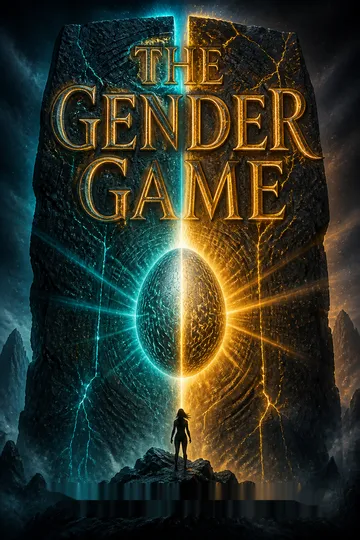
The Gender Game Series





About the Author

Download PDF
Download EPUB
.epub digital book format is ideal for reading ebooks on phones, tablets, and e-readers.








































