
Plot Summary
Escape in the Night
Viggo and his group flee the city in a stolen ambulance, pursued by Matrian soldiers. The tension is palpable as bullets fly and resources dwindle. The group's unity is tested, but quick thinking and teamwork—culminating in an explosive use of an oxygen tank—allow them to narrowly escape. The adrenaline and fear bind them, but the cost of survival is clear in their exhaustion and the haunted looks exchanged. The night is thick with uncertainty, and the group's fragile hope is all that keeps them moving forward, even as the world behind them burns.
Betrayal and Double-Cross
Violet is lured by her friend Owen under false pretenses, only to discover he's made a deal with Desmond, their most dangerous enemy. The emotional whiplash is intense—Violet's anger and heartbreak at Owen's betrayal are matched only by her fear as Desmond's forces close in. The lines between friend and foe blur, and Violet is forced to question not only Owen's loyalty but her own ability to trust. The chapter ends with chaos as a grenade is thrown, the world collapsing around them, and the true cost of betrayal is left unresolved.
Buried in Ashabee's
Violet, Owen, and Tim are buried alive after the explosion. In the suffocating darkness, Violet's fear and determination war. She fights to free herself and her brother, tending to their wounds and scavenging for supplies. The claustrophobia is overwhelming, but Violet's resourcefulness shines as she finds a hidden elevator, her only hope of escape. The emotional weight of responsibility for her brother and the pain of Owen's actions press in, but Violet's resolve hardens—she will not let despair win.
Fire and Flight
Viggo's group returns to find their safehouse in flames, the world around them unraveling. New alliances are forged as former enemies, like Cruz, join their cause, but trust is fragile. The group is forced to make hard choices about who to trust and how to survive. The fire is both literal and symbolic—a cleansing and a destruction. As they regroup, the cost of their rebellion becomes clear, and the need for unity in the face of overwhelming odds is more urgent than ever.
Desperate Pursuits
Viggo and Ms. Dale set out to find Violet and Owen, piecing together clues and confronting their own guilt over past decisions. The journey is fraught with tension, as old wounds are reopened and the weight of responsibility grows heavier. The landscape is scarred by violence, and every decision feels like a gamble with lives at stake. The pursuit is not just of missing friends, but of redemption and the hope of making things right in a world gone wrong.
Traps and Triggers
Violet, injured and alone, sets deadly traps for Desmond's guards, using every ounce of her ingenuity to survive. The house becomes a battleground, each room a test of her will and resourcefulness. The violence is intimate and brutal, forcing Violet to confront the darkness within herself. The emotional toll is immense—each victory is tainted by the horror of what she must do to survive. The line between hero and killer blurs, and Violet is left questioning who she is becoming.
Violence and Survival
Violet is forced to kill in the most gruesome way yet, burning a guard alive to save herself. The act leaves her shaken and sickened, haunted by the violence she's committed. The fire spreads, both literally and metaphorically, threatening to consume everything she cares about. As she races to save her brother and Owen from the burning house, the weight of her actions presses down, and the question of what it means to survive in such a world becomes ever more urgent.
Reunion at the Flames
Viggo arrives just in time to save Violet from Desmond's gunfire, but the victory is hollow. Desmond's threats force the group to keep her alive, even as every instinct screams for vengeance. The reunion is bittersweet—loved ones are saved, but the scars of betrayal and violence remain. The group is forced to confront the reality that mercy and pragmatism are sometimes at odds, and that the fight for a better world demands impossible sacrifices.
Aftermath and Confessions
In the aftermath, the group licks its wounds and tries to rebuild. Violet confronts Owen, demanding honesty and accountability for his betrayal. The emotional landscape is raw—anger, grief, and the tentative hope of forgiveness intermingle. The group debates Owen's fate, torn between justice and compassion. The process of healing is slow and uncertain, but the willingness to face hard truths is a step toward redemption.
Judgment and Forgiveness
Owen confesses his actions before the group, and the question of punishment divides them. The debate is fierce, reflecting the larger struggle between justice and mercy that defines their rebellion. Ultimately, the group chooses a path of difficult forgiveness, assigning Owen the role of Violet's protector—a punishment and a chance for redemption. The decision is a microcosm of the world they hope to build: one where people are more than their worst mistakes.
Waiting for Revolution
As the group waits for news from the city, they struggle with uncertainty and the burden of leadership. The camp is a microcosm of the world they hope to create—diverse, messy, and full of both conflict and camaraderie. The arrival of new allies and the integration of former enemies test their ideals. The emotional arc is one of cautious optimism, as the group prepares for the next phase of their revolution.
City in Chaos
The city erupts into chaos after the group's message exposes the Matrian regime's lies. Gangs and rebels vie for control, and the line between liberator and oppressor blurs. The group must navigate shifting alliances and the unpredictable violence of a city in revolt. The emotional toll is high—every victory is shadowed by loss, and the hope for a better future is tempered by the reality of what it takes to achieve it.
Desmond's Prison
Desmond is held prisoner, and the group debates whether to execute her or use her for information. The psychological battle is intense—Desmond is a master manipulator, and her presence is a constant threat. The group is forced to confront the darkness within themselves, questioning how far they are willing to go for victory. The struggle is not just against Desmond, but against becoming like her.
Plans and Alliances
The group reaches out to rebel factions in the city, seeking to unite disparate forces against the Matrians. Negotiations are tense, as old grievances and new ambitions collide. The process of building trust is fraught with setbacks, but the shared goal of freedom provides a fragile foundation. The emotional arc is one of hope and anxiety, as the group risks everything on the possibility of alliance.
Goodbyes and Guilt
As the group prepares for the final assault, goodbyes are exchanged—each one heavy with the knowledge that not everyone will survive. Viggo and Violet confront their guilt and fears, drawing strength from each other. The emotional stakes are at their highest, as love and duty pull in opposite directions. The chapter is a meditation on the cost of leadership and the courage it takes to keep going.
Cody's Choice
Cody, traumatized and manipulated, is drawn back to Desmond. The group's attempts to reach him are fraught with pain and uncertainty. His struggle is emblematic of the larger battle for the souls of those caught in the crossfire of revolution. The emotional arc is one of heartbreak and hope, as the group refuses to give up on even the most damaged among them.
The Calm Before Battle
The group divides into teams and prepares for the assault on the water treatment plant. The tension is electric—every moment is charged with the knowledge that the coming battle will decide the fate of thousands. The emotional focus is on the bonds between characters, the small acts of kindness and courage that sustain them. The calm is fragile, and the storm is coming.
Assault on the Plant
The assault on the water treatment plant is a maelstrom of violence and heroism. The group faces enhanced enemies, betrayal, and the ever-present threat of failure. The battle is brutal, and the cost is high—lives are lost, and the survivors are forever changed. The emotional arc is one of desperation and determination, as the group fights not just for victory, but for the right to hope.
Desmond's Last Gambit
Desmond makes her last play, using Cody and the chaos of the battle to try to escape and destroy the group's hard-won gains. The confrontation is intimate and devastating—lives hang in the balance, and the true nature of heroism is revealed. The emotional climax is raw and unflinching, as Violet and her allies face the darkness within and without.
The Water Turns Red
The group succeeds in purging the poisoned water, but the victory is bittersweet. The cost is measured in blood and broken bodies, and the city remains in chaos. The emotional arc is one of exhaustion and grief, as the survivors reckon with what they have done and what remains to be done. The hope for a better world is fragile, but it endures.
The End of the Plan
As the dust settles, the group faces the daunting task of rebuilding. The revolution is far from over, but the seeds of a new world have been planted. The emotional focus is on resilience and the power of chosen family. The story ends not with triumph, but with the quiet determination to keep fighting, to keep hoping, and to keep loving in a world remade by struggle.
Analysis
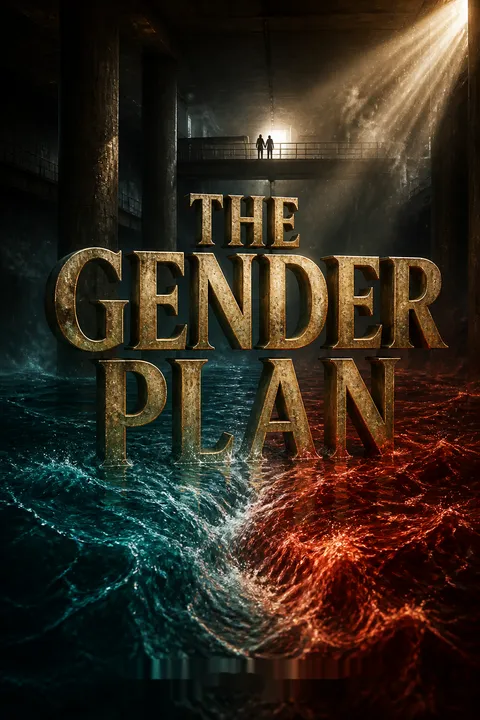
A meditation on power, trauma, and the possibility of hopeThe Gender Plan is a relentless exploration of what it means to fight for a better world in the ruins of a broken one. Through its dual narration and shifting alliances, the novel interrogates the costs of resistance—personal, moral, and communal. The use of enhanced children as weapons is a searing indictment of systems that sacrifice innocence for power, while the recurring motifs of fire and water underscore the dual nature of revolution as both destructive and cleansing. The story's refusal to offer easy answers—insisting instead on the messy, painful work of forgiveness, accountability, and rebuilding—marks it as a mature and thoughtful entry in the dystopian genre. Ultimately, the novel argues that hope is not found in grand victories, but in the small, stubborn acts of kindness, courage, and trust that bind people together in the face of overwhelming odds. The lesson is clear: the work of justice is never finished, and the true measure of a revolution is not in the enemies defeated, but in the humanity preserved.
Review Summary
The Gender Plan receives mixed reviews averaging 4.06 stars. Many readers criticize the book for being overly repetitive, with excessive battle scenes that don't advance the plot significantly. Several feel the series should have been condensed to 3-4 books instead of seven. Common complaints include similar character voices, predictable plot points, and slow pacing that made it difficult to finish. However, enthusiastic fans praise the suspenseful writing, character development, and action-packed storyline, eagerly anticipating the series conclusion despite cliffhanger endings.
People Also Read

Characters
Violet Bates
Violet is the emotional and moral center of the story, driven by fierce loyalty to her brother and a deep sense of justice. Her journey is one of transformation—from a traumatized survivor to a leader willing to make impossible choices. Violet's relationships are complex, especially with Viggo (her partner and anchor), Owen (her betrayer and friend), and Desmond (her nemesis and dark mirror). Psychologically, Violet is marked by guilt, trauma, and the constant fear of becoming what she fights against. Her development is defined by her refusal to give up on others—even when it hurts her—and her struggle to reconcile violence with her ideals.
Viggo Croft
Viggo is both a fighter and a thinker, torn between his violent past as a warden and his desire to build a better world. His love for Violet grounds him, but he is haunted by guilt and the fear of losing those he cares about. Viggo's leadership is pragmatic but compassionate, and he often serves as the group's conscience. His relationship with Violet is a source of strength and vulnerability, and his interactions with other characters—especially Ms. Dale and Cruz—reveal his capacity for forgiveness and growth. Viggo's arc is one of learning to trust, to let go, and to hope.
Owen
Owen's journey is defined by grief, guilt, and the desperate need for forgiveness. His betrayal of Violet is both a personal and political crisis, forcing the group to confront the limits of trust and the possibility of redemption. Owen's relationship with Violet is fraught—she is both the person he hurt most and the one he most wants to protect. Psychologically, Owen is wracked by self-loathing and the fear that he cannot be forgiven. His development is marked by his willingness to accept punishment and his struggle to earn back the group's trust.
Ms. Dale (Melissa)
Ms. Dale is the group's tactical mind, but her emotional life is deeply shaped by guilt over past decisions—especially her role in Violet and Tim's suffering. She is fiercely protective, sometimes to a fault, and her relationship with Henrik reveals a softer, more vulnerable side. Ms. Dale's arc is about atonement and the difficulty of balancing pragmatism with compassion. Her mentorship of Violet is both a source of strength and a reminder of her own failings.
Desmond Bertrand
Desmond is the story's primary antagonist, a woman whose intelligence and cruelty are matched only by her capacity for psychological warfare. She is both a symbol of the old order and a cautionary tale about the corrupting nature of power. Desmond's relationship with Violet is a twisted reflection—she sees in Violet both a threat and a kindred spirit. Psychologically, Desmond is driven by a need for control and a belief in her own superiority, but her final moments reveal cracks in her armor and the cost of her choices.
Tim Bates
Tim is Violet's younger brother, a victim of the regime's experiments. His hypersensitivity and physical fragility are both a source of vulnerability and a testament to his resilience. Tim's relationship with Violet is central—he is both her motivation and her anchor. Psychologically, Tim is marked by trauma but retains a core of sweetness and loyalty. His development is a quiet triumph of survival and the possibility of healing.
Cruz
Cruz begins as a self-interested survivor but becomes a valuable ally. His bravado and humor mask a deep desire for belonging and purpose. Cruz's interactions with the group—especially Viggo and Margot—reveal his capacity for growth and loyalty. Psychologically, he is driven by a need to prove himself and to be seen as more than a joke. His arc is one of transformation from opportunist to true comrade.
Amber
Amber is defined by her passion and her refusal to compromise her values. Her relationship with Violet is one of mutual respect and occasional conflict. Amber's history of betrayal by her own family makes her especially sensitive to issues of trust and loyalty. Psychologically, she is both fierce and vulnerable, and her development is about learning to forgive and to accept help.
Cody
Cody is a tragic figure, a boy shaped by trauma and manipulation. His struggle to choose between Desmond and the group is emblematic of the larger battle for the soul of the revolution. Psychologically, Cody is marked by attachment issues, a desperate need for approval, and the scars of abuse. His arc is one of painful growth, as he learns to trust and to hope for something better.
Mags
Mags is a new ally, a leader forged in the chaos of the city's rebellion. Her strength and intelligence make her a natural partner for Viggo and Violet, but her own losses and ambitions complicate the alliance. Psychologically, Mags is driven by a fierce sense of justice and a willingness to do what is necessary. Her development is about learning to trust others and to believe in the possibility of real change.
Plot Devices
Dual Narration and Shifting Perspectives
The story is told through alternating chapters from Viggo and Violet's perspectives, allowing readers to experience both the external action and the internal emotional landscape. This device creates a sense of intimacy and immediacy, as the reader is drawn into the characters' fears, hopes, and moral dilemmas. The shifting perspectives also highlight the differences in how men and women experience power, trauma, and leadership in a divided world.
Betrayal and Redemption
The plot is driven by acts of betrayal—Owen's deal with Desmond, Cruz's shifting loyalties, and the ever-present threat of spies and double agents. These betrayals force the characters to confront the limits of forgiveness and the possibility of redemption. The narrative structure uses confession, judgment, and acts of atonement to explore the complexities of trust in a world where survival often demands moral compromise.
Symbolic Use of Fire and Water
Fire recurs as a symbol of both destruction and renewal—the burning of the farmhouse, the flames of battle, and the purging of the water supply. Water, conversely, is both a source of life and a vector of poison, manipulated by the regime to control and destroy. The climactic battle at the water treatment plant literalizes the struggle to cleanse the world of corruption, even as the cost is measured in blood.
Enhanced Humans as Allegory
The regime's use of enhanced children as weapons is a powerful allegory for the ways in which systems of power exploit and destroy innocence. The psychological trauma of characters like Tim and Cody is not just personal, but emblematic of a society that values control over compassion. The narrative uses their stories to interrogate the ethics of resistance and the meaning of true liberation.
Moral Ambiguity and the Limits of Justice
The story repeatedly forces characters to make impossible choices—whether to kill or spare, to trust or betray, to sacrifice the few for the many. The use of group judgment, confessions, and debates over punishment foregrounds the difficulty of building a just society in the aftermath of tyranny. The narrative structure resists easy resolutions, insisting that the work of justice is ongoing and fraught with uncertainty.
The Gender Game Series
About the Author
Download PDF
Download EPUB
.epub digital book format is ideal for reading ebooks on phones, tablets, and e-readers.








































