Key Takeaways
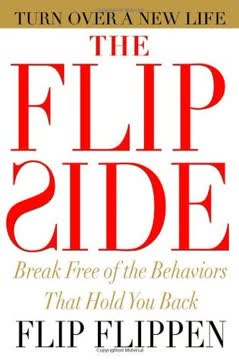
1. Your Constraints, Not Just Strengths, Define Your Ultimate Success
Could it be that the things that hold you back—or constrain you—are a far more reliable indicator of your success than any skills or talent you may possess?
Beyond talent. Many believe success is solely about talent, skills, or academic achievements. However, the author's decades of experience with thousands of individuals, from street kids to corporate executives, reveal a different truth: it's often the unseen behaviors and attitudes—personal constraints—that set the ultimate limits on how far one can go in life. These constraints act like invisible ropes and heavy weights, preventing individuals from reaching their full potential, regardless of their inherent gifts.
Challenging conventional wisdom. The "Personal Constraint Theory" directly challenges popular self-improvement approaches like "Personality Theory" (personalities are fixed) and "Strength Theory" (focus only on what you're good at). While acknowledging innate traits and the value of strengths, the author argues that ignoring weaknesses is detrimental. True growth and success come from actively identifying and minimizing behavioral weaknesses while maximizing strengths, emphasizing that change is not just possible, but imperative for a full life.
The "Flip Side" of success. Real success isn't just about making money or reaching the top; it's about becoming everything you can be—a better parent, boss, friend, and human being. This involves managing innate tendencies like selfishness and greed to become more sensitive to others. The Flippen Group's success, for instance, is attributed to their commitment to identifying and breaking personal constraints, helping thousands achieve breakthroughs in diverse fields, from Wall Street to NASCAR.
2. The Five Laws of Personal Constraints Reveal Your Limits
Your personal constraints—your conscious and unconscious limiting behaviors—hold you back and determine your ultimate level of success.
Universal struggle. Everyone has personal constraints, but not all are equally impactful. The author categorizes them into:
- Inconsequential Constraints: Minor issues like fashion sense or height, generally minimal impact.
- "Hire-able" Constraints: Can be outsourced, like disorganization (hire an assistant) or poor grammar (use an editor).
- Owned Constraints: Must be addressed personally, such as low self-confidence, self-control, or trustworthiness. These are the focus for significant gains.
Unaddressed limits. You cannot rise above constraints you refuse to acknowledge or address. Like a monkey trapped by an orange in a coconut, many remain captive by issues they clutch tenaciously, choosing denial over freedom. Examples like Tony, who ended up in prison due to unaddressed anger and lack of self-control, or Daniel, whose unwillingness to examine his shortcomings led to staff departures, highlight the devastating consequences of ignoring these internal barriers.
Pervasive influence. Constraints don't stay compartmentalized; they play out in every area of life. A difficult boss is likely a difficult spouse. The story of Richard, whose physical "knot on his head" was ignored by colleagues, illustrates how obvious constraints can be to others, even when unspoken. Furthermore, constraints are "role specific," meaning a trait that's an asset in one role (e.g., critical eye for an engineer) can be a hindrance in another (e.g., a critical parent at home). Ultimately, those who minimize or eradicate significant constraints are the ones who truly win in life.
3. Identify Your Top Killer Constraints to Unlock Potential
What is important is that you don’t have the same level of personal constraints next year that you have this year.
Targeted diagnosis. Just as a doctor needs an accurate diagnosis for effective treatment, personal growth requires correctly identifying the most impactful constraints. The author emphasizes that focusing on too many issues at once is counterproductive; instead, pinpointing the one or two "twenty-pound weights" that yield the greatest lift is key. This clarity of focus, exemplified by a golf pro teaching one swing adjustment at a time, ensures measurable progress.
The Top 10 Killer Constraints: Through extensive research and case studies, the author identified ten critical constraints that repeatedly cause the most damage to personal growth, relationships, and careers. These are personified to make them relatable:
- Bulletproof (Overconfident): Blinded by self-belief, like Napoleon's disastrous Russian campaign.
- Ostriches (Low Self-Confidence): Hesitant, risk-averse, unable to capitalize on opportunities, like NASCAR driver Casey Atwood.
- Marshmallows (Overly Nurturing): Unable to set boundaries, over-giving, leading to exploitation, like Amber in her relationship.
- Critics (Too Demanding, Nitpicky, or Harsh): Constantly finding fault, alienating others, like Pam in her corporate role.
- Icebergs (Low Nurturing): Emotionally distant, detached, struggling to connect, like the teacher Karen Hart before her transformation.
- Flatliners (Low Passion, Vision, or Drive): Procrastinating, unmotivated, lacking urgency, like Michael who wasted college years.
- Bulldozers (Overly Dominant): Overpowering, dismissive of others' input, like Superintendent Teresa.
- Turtles (Resistant to Change): Fearful of new things, preferring routine, like Valerie who resisted community involvement.
- Volcanoes (Aggressive, Angry): Explosive, prone to outbursts, like Mike Tyson's behavior outside the ring.
- Quick Draw (Low Self-Control, Impulsive): Acting without thinking, starting many things but finishing few, like Arnie the entrepreneur or Angie with her debt.
Beyond the score. While symptom checklists help, the true magnitude of a constraint is determined by its impact on your life and relationships, not just a numerical total. Even a few symptoms, if consistently present in problematic situations, warrant serious attention. The goal is continuous improvement, ensuring you are not held back by the same constraints year after year.
4. Honest Feedback is the Breakfast of Champions for Personal Growth
The fact of the matter is that self-assessment is an oxymoron. You can’t get a self-help book and sit alone and read it and think you have accurately assessed yourself by yourself.
The illusion of self-perception. We are often the worst judges of our own situations, with personal constraints directly impeding our ability to recognize them. The author asserts that effective self-assessment cannot be done in isolation; it requires external input. Without feedback, one might hold onto illusions about themselves, like thinking they have great hair or could be a world-class jockey, despite reality.
Seeking external perspectives. To gain a complete and accurate picture of one's strengths and weaknesses, it is crucial to seek honest feedback from trusted friends, family members, or business associates. These "Feedback Partners" can offer insights into behaviors that are obvious to others but invisible to oneself. The author's own experience with his sons teasing him about his thinning hair humorously illustrates this universal human blind spot.
Overcoming resistance to feedback. Many people struggle to receive feedback, either because they are unapproachable, or they use emotional responses (like crying or anger) to shut down uncomfortable conversations. Champions, however, actively seek feedback, viewing it as essential "diet" for growth. The story of NFL Hall of Famer Anthony Muñoz, who embraced public evaluation of his performance, highlights how integrating feedback, even when unpleasant, is vital for eliminating constraints and achieving top performance.
5. Build a "TrAction Plan" for Systematic Behavioral Change
If we don’t act—then we don’t become.
From concept to action. The "TrAction Plan" is the cornerstone of overcoming personal constraints, designed to bridge the gap between understanding a concept and implementing lasting change. It's a one-page document that transforms intentions into a systematic path for growth, preventing good ideas from being forgotten amidst daily demands. The plan is structured around three core questions:
- What to change? (Personal constraints)
- What to change to? (Behavioral goal)
- How to cause the change? (Specific steps and accountability)
Crafting your plan. The TrAction Plan includes:
- Ultimate Goal: A one- or two-sentence summary of your desired behavioral outcome (e.g., "To be a great dad," "To become a more caring and less dominant person").
- Strengths: A list of your positive attributes, ideally confirmed by a "Feedback Partner," to build upon.
- Top One or Two Constraints: Identified from the Killer Constraint checklists, focusing on the most impactful areas.
- Specific TrAction Steps: Behavioral, time-bound, "stop and start" statements (e.g., "I will STOP raising my voice," "I will START asking more questions"). The author's own example of managing his impulsiveness in meetings demonstrates this.
- Accountability Plan: Designating trusted partners to whom you'll send your plan, and outlining how often and what kind of feedback you'll seek.
Behavior over thought. The author advocates for changing behavior first, allowing thinking to follow. It's easier to steer a moving car than a parked one. This practical, "Keep It Simple, Simple" (KISS) approach emphasizes working on a few specific, measurable behaviors at a time, rather than attempting to overhaul one's entire life at once. This process, used within the author's company, fosters continuous growth and mutual support.
6. Recognize How Constraint Combinations Shape Your Life and Relationships
Our personal constraints always play themselves out in the systems in which we operate.
Synergistic or disastrous. Just as marriage combines two individuals' constraints, so too do different constraints within a single person interact, creating either synergistic advantages or disastrous outcomes. For instance, high aggression combined with great social skills can make a competitive, successful salesperson. However, high aggression coupled with low nurturing can lead to exploitation, as seen in the example of Wall Street trader Ivan Boesky.
The "amplifier" effect. Low self-control acts as an "amplifier" for other constraints. If a person has high aggression and low self-control, the aggression is unleashed and becomes problematic. Conversely, high self-control can act as a "masker," covering up high aggression. Understanding these combinations is crucial for effective intervention. The book highlights several "killer combinations":
- Volcano/Quick Draw: Leads to explosive anger, impatience, yelling, and impulsive, aggressive actions (e.g., Mike Tyson). The Rx: Learn to be quiet, take breaks during conflict, and apologize often.
- Marshmallow/Ostrich: Results in caring, loving individuals who are easily taken advantage of due to low self-confidence and inability to set boundaries (e.g., Frances, who never got a raise). The Rx: Embrace strengths, replace negative self-talk, and learn to say "no."
- Bulldozer/Volcano: An almost always explosive combination, leading to overpowering, abusive behavior, high employee turnover, and a struggle with personal relationships. The Rx: Quit pushing, let others have a say, and apologize sincerely for outbursts.
- Bulletproof/Turtle: High self-confidence combined with resistance to change, making individuals unwilling to adapt or listen to feedback, even when it's for their benefit (e.g., the talented but unengaging singer). The Rx: Painful events often jolt them into listening; otherwise, they remain stuck.
- Critic/Flatliner: Characterized by chronic complaining, low drive, and a general unhappiness that makes them difficult to be around (e.g., "Archie Bunker" types). The Rx: Commit to change, apologize for past hurts, and take initiative to find purpose.
Complexity of human nature. People are complex, and oversimplifying their contributing factors is a mistake. The author emphasizes that hope lies not in "who we are," but in "who we can be" through conscious effort to address these constraint combinations.
7. Overcoming Personal Constraints Starts at Home and Drives Broader Culture
We are more of who we are when we are at home than anywhere else.
The crucible of family. Home is where personal constraints are most evident and often amplified. Issues like anger, impatience, or selfishness, if unaddressed, will inevitably play out within the family, impacting spouses and children. The author's personal commitment to change upon the birth of his son Matthew—addressing his own impatience, insecurity, and tendency to argue—underscores the profound influence parents have on their children's development and future.
Parental responsibility. Children expose our self-centeredness and force us to confront our constraints. Selfish parents who refuse to change risk passing on their issues, dooming their children to repeat negative patterns. The author's story of taking his sons to a city mission to foster empathy, and teaching his son John financial self-control, illustrates how intentional parenting can instill crucial character traits and break cycles of dysfunction.
From individual to national culture. The principles of OPC extend beyond the individual and family to the workplace and even national culture. Just as a company's culture reflects its leaders' constraints (e.g., ITT's Systems Division transforming from competitive to relational under Steve Gaffney's leadership), a nation's health is determined by the collective behavioral and moral choices of its individuals. The author warns against societal constraints like the proliferation of pornography, gambling, and morally degrading entertainment, arguing that ignoring these issues leads to devastating consequences.
8. Confronting Your Constraints is a Lifelong, Personal Journey
I am so thankful I had the opportunity to forgive and to overcome those early hurts in my life.
A personal testament. The author's own life story is a powerful illustration of overcoming personal constraints. Born into a tumultuous family situation, struggling with learning disabilities (dysgraphia, dyscalcula), and experiencing childhood abuse, he developed constraints like performance anxiety, over-nurturing, and a fear of being wrong. His journey, marked by the pivotal influence of his second-grade teacher and the commitment made to his sons, highlights that personal growth is a continuous process of self-discovery and intentional change.
The path to healing. Deep-seated beliefs, such as feeling "unlovable," can be powerful catalysts for personal constraints, leading to anger, aggression, overcompensation, or unhealthy relationship dynamics. The author's reconciliation with his parents, marked by forgiveness and shared vulnerability, demonstrates that healing from past hurts is possible and profoundly freeing. This process allowed him to break free from the emotional baggage that had shaped much of his early life.
Continuous evolution. The journey of overcoming constraints is never truly finished. The author, even as a successful professional, continues to work on his own constraints, like impulsiveness and impatience, using the very TrAction Plan he advocates. This ongoing commitment to personal growth, driven by a desire to be one's best for family, team, and self, is what ultimately leads to a life lived with purpose, passion, and fulfillment.
Last updated:
Similar Books