
Plot Summary
Nightmares and New Responsibilities
Alice, now the de facto leader of Geryon's former estate, is plagued by strange, loving dreams of a great cat's eye. She's surrounded by magical refugees and fellow apprentices, all relying on her for safety after she declared war on the Old Readers. The house, once a place of servitude, is now a haven under siege. Alice's sense of freedom is replaced by the crushing weight of responsibility. She and her friends, including Isaac, Dex, Jen, Michael, and magical creatures, struggle to organize defenses and maintain hope. The threat of the Old Readers looms, and Alice's self-doubt grows as she realizes the enormity of her promise to protect everyone. The emotional toll is heavy, and the night brings both comfort and anxiety as she faces the uncertain dawn.
Sunhawks Descend in Fire
The fragile peace is shattered when Soranna, wounded and desperate, arrives with a warning: the Old Readers have sent monstrous sunhawks through the real world, breaking their own rules to destroy Alice and her allies. The alarm is raised, and chaos erupts as magical creatures and apprentices scramble to evacuate to the library. The sunhawks, enormous birds of living fire, rain destruction on the estate, setting the house ablaze and threatening everyone's lives. Alice and her friends fight back with all their magical strength, using ice, moon-stuff, and transformation to defend the refugees. The battle is fierce and costly, with casualties among the magical creatures and apprentices. The attack exposes the vulnerability of their sanctuary and the ruthlessness of their enemies, leaving Alice shaken and determined to find a way to end the war.
The Refugees' Flight
As the sunhawks attack, Alice's leadership is tested to its limits. She coordinates the evacuation, relying on her friends' unique powers and the courage of the magical refugees. The house burns, memories and mementos lost, but the group's unity grows stronger in adversity. The apprentices—Dex, Michael, Jen, Soranna, and Isaac—prove their loyalty and resourcefulness, risking their lives to save others. The magical creatures, from sprites to Enoki mushroom-people, display both fear and bravery. The library becomes a fortress, and Alice is forced to confront the cost of her rebellion: not everyone can be saved. The emotional aftermath is raw, with grief, guilt, and exhaustion mingling as they count the survivors and mourn the lost.
Council of the Defiant
In the aftermath, Alice gathers her closest allies for a council. The group is battered but resolute, determined to strike back at the Old Readers. Ending, the labyrinthine cat, reveals a dangerous possibility: if Alice can reach the Great Binding at the heart of the Grand Labyrinth, she might free the labyrinthine from their servitude and break the Old Readers' power. The plan is perilous, requiring a journey across magical seas and through deadly mazes. The apprentices pledge their support, even as Alice asks Isaac to stay behind and protect the remaining refugees. The emotional stakes are high—friendship, love, and trust are tested as they prepare for a quest that could cost them everything.
Ending's Secret Offer
Ending confides in Alice, sharing the ancient history of the labyrinthine and the Great Binding that enslaves them. She offers Alice a chance to change everything, but warns of the mortal danger: the ritual could kill Alice or leave her broken. Alice, haunted by her failures and desperate to protect those who trust her, accepts the risk. The bond between Alice and Ending deepens, tinged with both affection and suspicion. The apprentices prepare for the journey, gathering supplies and saying difficult goodbyes. Alice's resolve hardens—she will not let fear or uncertainty stop her from seizing the only chance to end the cycle of oppression and violence.
The Azure Sea Voyage
Alice and her companions—Dex, Michael, Soranna, Flicker, and Ashes—set out across the Azure Sea on a living boat named Cyan, a magical fox-creature. The voyage is both wondrous and harrowing, filled with moments of camaraderie and terror. They face storms, monstrous sea creatures, and the ever-present threat of the labyrinth's guardians. Each apprentice confronts their own fears and doubts, drawing strength from one another. The journey tests their ingenuity and unity, forging bonds that will be crucial in the trials ahead. The sea itself becomes a symbol of the unknown, its beauty and danger reflecting the stakes of their quest.
Labyrinth's First Veil
Reaching the Grand Labyrinth, the group faces the first of many Veils—magical barriers guarded by ancient traps and monsters. The first guardian, a colossal rock-creature, hurls boulders with lethal force. Alice's initial attempt to confront it head-on nearly ends in disaster, forcing her to accept her friends' help and rethink her approach. Together, they devise a clever plan using Dex's moon-stuff to create a cheese-slicer net, slicing the boulders mid-flight and outwitting the guardian. The victory is hard-won, teaching Alice the value of collaboration and humility. The emotional toll of near-failure lingers, but the group presses on, their trust in each other deepened.
Cheese Slicer Gambit
The cheese-slicer net becomes a symbol of the group's resourcefulness. Facing seemingly insurmountable obstacles, they learn to combine their unique abilities in creative ways. Soranna's intangibility, Dex's moon-stuff, Flicker's fire, and Michael's precision all play crucial roles. The success of the gambit boosts morale and cements the apprentices as equals, not just followers of Alice. The lesson is clear: survival depends on unity and adaptability, not individual heroics. The emotional high of victory is tempered by the knowledge that greater challenges lie ahead, but for a moment, hope shines brightly.
Halogelkin's Trickery
The next Veil is guarded by Halogelkin, a mischievous magical being who challenges the group to a contest of wits: touch him, and the way will open. Halogelkin multiplies into dozens of illusory copies, evading every attempt to catch him. The apprentices are frustrated and exhausted, but Flicker's insight—using fire to reveal the real Halogelkin—turns the tide. With teamwork and clever observation, they succeed. The encounter is both comic and tense, highlighting the importance of thinking differently and trusting each other's strengths. Halogelkin's warning about the dangers ahead lingers as they move on, wary but undaunted.
Judgment at the Veil
At the penultimate Veil, Alice is separated from her friends and confronted by Reaper, a spectral judge who demands a sacrifice: choose one companion to lose forever, or fail the quest. Alice is tormented by visions of her friends trapped in crystal, each representing a different aspect of her journey and heart. She refuses to choose, enduring pain and the threat of death rather than betray her values. Her defiance breaks the spell—Reaper, impressed, allows her to pass. The ordeal leaves Alice shaken but resolute, her moral compass unbroken. The emotional scars are deep, but her friends' faith in her is reaffirmed.
The Great Binding's Heart
At the center of the Grand Labyrinth, Alice and her companions are ambushed by the Old Readers and their labyrinthine servants. The confrontation is tense and dangerous, with the fate of all worlds hanging in the balance. Ending reveals her true allegiance, betraying Alice and the apprentices. In a stunning reversal, Ending and the other labyrinthine turn on their masters, banishing the Old Readers to the void. Alice is left to face the Great Binding alone, her friends and enemies scattered. The emotional impact is profound—betrayal, loss, and the weight of destiny converge as Alice prepares for the final act.
Betrayal in the Center
Ending's betrayal is complete—she imprisons Alice in the void, revealing that her promises of partnership were lies. The labyrinthine, now free, plan to reshape the world for themselves, discarding both Readers and magical creatures. Alice is left alone in a timeless, formless prison, her hopes crushed and her trust shattered. The emotional devastation is total—she is isolated, powerless, and forced to confront the consequences of her choices. Yet even in despair, a spark of resistance remains, fueled by memories of her friends and the love that binds them.
The Void's Embrace
Trapped in the void, Alice teeters on the edge of madness, haunted by guilt, regret, and the voices of her enemies. Salvation comes in the form of the First Labyrinthine, the ancient prisoner of the Great Binding, who reveals the true history of the labyrinthine and offers Alice a chance to set things right. The First's compassion and wisdom rekindle Alice's hope, giving her the strength to escape. The emotional journey from despair to determination is harrowing, but Alice emerges with a new sense of purpose and a plan to save both worlds.
Return and Ruin
Escaping the void, Alice finds herself alone in a world unraveling under the unchecked spread of the labyrinths. Cities are in chaos, reality itself breaking down as magic leaks into the mundane. Alice's journey home is arduous and lonely, marked by encounters with ordinary people struggling to survive the madness. She reunites with Isaac and Ashes, discovering that the magical community is fractured and desperate. The emotional reunion is bittersweet—relief and love mingled with the knowledge that the final battle is yet to come.
Allies Rally, Enemies Fall
Alice, Isaac, and Ashes gather allies old and new, including the Dragon, to mount a last assault on the Grand Labyrinth. They face Decay, another labyrinthine, and barely escape with their lives. The magical creatures of the library, inspired by Alice's courage and sacrifice, rally to her side. The final alliance is a testament to the power of friendship, trust, and shared purpose. The emotional stakes are higher than ever—victory means freedom, but the cost may be Alice's own life.
The First Awakens
At the heart of the Grand Labyrinth, Alice confronts Ending one last time. The battle is fierce, with the fate of all worlds in the balance. With the help of her friends and the Dragon, Alice breaks the Great Binding, awakening the First Labyrinthine. The ancient being's power is overwhelming, and the labyrinthine are banished from the world. The victory is both triumphant and tragic—Alice's destiny as a labyrinthine means she must leave the world she loves. The emotional climax is bittersweet, as sacrifice and hope intertwine.
Alice's Sacrifice
Alice prepares to leave with the First, saying goodbye to Isaac and her friends. The pain of parting is acute, but the First offers a reprieve: she will sleep for a hundred years before taking Alice home, giving her time to live a full life in the world she saved. The emotional resolution is tender and hopeful—love, loss, and the promise of new beginnings. Alice's journey comes full circle, from lonely orphan to savior and bridge between worlds.
What Comes After
With the labyrinthine gone and the Old Readers powerless, Alice and her friends face the daunting task of rebuilding. They vow to free the magical creatures trapped in books, dismantle the old systems of oppression, and help humans and magical beings coexist. The future is uncertain, but hope prevails. Alice and Isaac, finally free to choose their own paths, look forward to a life of purpose, love, and adventure. The story ends not with an ending, but with the promise of what comes after—a world remade by courage, sacrifice, and the enduring power of friendship.
Analysis
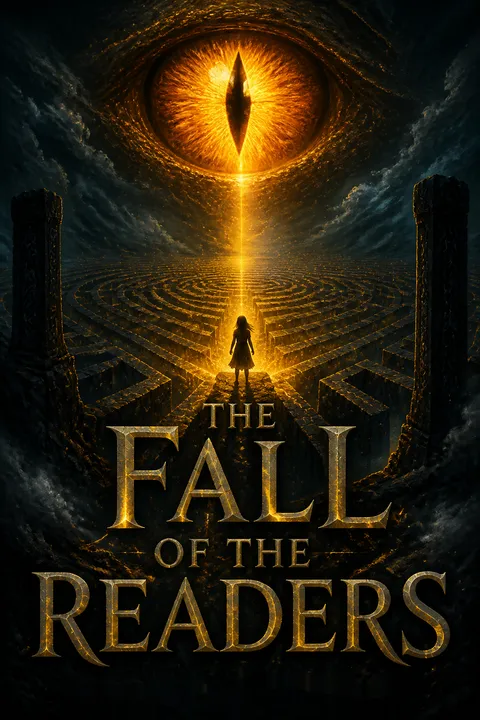
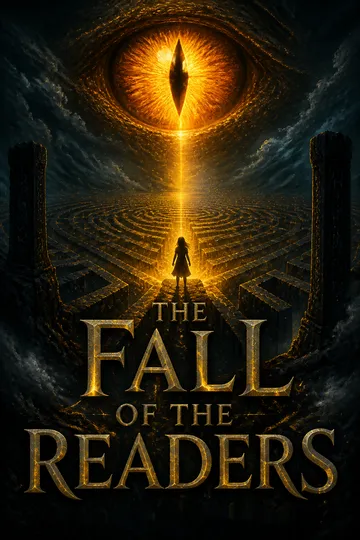
Django Wexler's The Fall of the Readers is a masterful exploration of power, responsibility, and the cost of change. At its heart, the novel is a meditation on leadership—the loneliness of command, the burden of promises, and the necessity of sacrifice. Alice's journey from orphaned apprentice to savior of worlds is both epic and intimate, grounded in the messy realities of grief, love, and self-doubt. The story interrogates the nature of authority, exposing the dangers of both tyranny and abdication. Through its rich cast of characters, the novel celebrates diversity, resilience, and the transformative power of friendship. The plot's intricate structure—layered with foreshadowing, reversals, and moral dilemmas—mirrors the labyrinth at its center, challenging readers to question easy answers and embrace complexity. In the end, The Fall of the Readers offers a hopeful vision: that even in a world broken by violence and betrayal, healing is possible through courage, compassion, and the willingness to choose a different path. The lessons are clear—true power lies not in domination, but in the ability to change, to forgive, and to build something new from the ruins of the old.
Review Summary
The Fall of the Readers receives praise as a satisfying conclusion to the middle-grade Forbidden Library series, with readers highlighting Alice as a strong, relatable protagonist and appreciating the unique world-building involving magical books. Most reviewers commend the plot twists and action-packed narrative, though some feel the book was less dark than previous installments or too action-heavy. Ashes the talking cat remains a fan favorite. While a few readers found the ending's stakes less compelling or rushed, the majority appreciated how Wexler tied together story threads and delivered an emotionally resonant finale suitable for both children and adults.
People Also Read

Characters
Alice Creighton
Alice is the heart of the story—a young girl thrust into leadership by necessity, haunted by loss and driven by a fierce sense of responsibility. Her journey is one of self-discovery, as she grapples with the burdens of power, the pain of betrayal, and the meaning of sacrifice. Psychologically, Alice is marked by guilt and self-doubt, but also by resilience and compassion. Her relationships—with Isaac, her fellow apprentices, and the magical creatures—are complex and deeply felt. As the narrative unfolds, Alice's true nature is revealed: she is a labyrinthine, a being created to bridge the gap between humans and magic. Her ultimate sacrifice is both a personal and cosmic act, embodying the story's themes of love, loss, and hope.
Isaac
Isaac begins as a cautious, rule-bound apprentice, shaped by trauma and loss. His relationship with Alice is central—he is her confidant, protector, and, ultimately, her beloved. Isaac's psychological journey is one of opening up, learning to trust, and finding the courage to defy authority for the greater good. He struggles with feelings of inadequacy and fear of abandonment, but his loyalty and moral clarity make him indispensable. Isaac's development mirrors Alice's, as he moves from follower to equal, willing to risk everything for love and justice.
Ending
Ending, the labyrinthine cat, is both guide and antagonist. She is enigmatic, manipulative, and deeply wounded by centuries of servitude. Her relationship with Alice is fraught—part affection, part exploitation. Psychologically, Ending embodies the dangers of unchecked power and the seductive allure of control. Her betrayal is devastating, but also rooted in her own trauma and fear. Ending's complexity lies in her capacity for both kindness and cruelty, making her a tragic figure as much as a villain.
Dex
Dex is the group's optimist and moral support, always ready with a smile or a clever solution. Her courage and resourcefulness are matched by a deep sense of loyalty to her friends. Dex's psychological resilience is a counterpoint to Alice's self-doubt, providing stability and hope in the darkest moments. Her development is subtle but profound, as she moves from sidekick to leader in her own right.
Soranna
Soranna is marked by trauma and a desperate need for belonging. Her loyalty to Alice borders on hero-worship, but she gradually finds her own strength and voice. Psychologically, Soranna embodies the struggle to overcome abuse and reclaim agency. Her journey is one of healing, forgiveness, and the slow building of trust.
Michael
Michael is the group's thinker, cautious and precise. His relationship with Jen is central to his character, grounding him in love and loyalty. Psychologically, Michael struggles with fear and self-doubt, but his quiet courage and intelligence are vital to the group's success. His development is one of growing confidence and willingness to take risks for others.
Jen
Jen is wild, impulsive, and fiercely protective of those she loves. Her relationship with Michael is both anchor and vulnerability. Psychologically, Jen is driven by anger and fear of loss, but her journey is one of learning to trust and accept help. Her transformation from lone wolf to team player is a key emotional arc.
Flicker
Flicker, the fire-sprite, represents the magical world's perspective. He is both ally and outsider, struggling to find his place among humans. Psychologically, Flicker is marked by pride, insecurity, and a longing for acceptance. His journey mirrors Alice's, as he learns the value of friendship and the possibility of change.
Ashes
Ashes, the half-cat, half-labyrinthine, is the group's sardonic commentator. He masks vulnerability with sarcasm, but his loyalty to Alice is unwavering. Psychologically, Ashes embodies the tension between independence and belonging. His development is subtle, as he moves from detached observer to active participant in the group's fate.
The First Labyrinthine
The First is the story's ultimate catalyst—a being of immense power, compassion, and sorrow. She represents the possibility of redemption and the dangers of unchecked ambition. Psychologically, the First is both mother and judge, offering Alice the chance to break the cycle of violence and create a new world. Her awakening is both an ending and a beginning, embodying the story's deepest themes.
Plot Devices
The Grand Labyrinth and the Great Binding
The Grand Labyrinth is both a literal and metaphorical maze, representing the complexity of power, choice, and destiny. The Great Binding at its heart is the source of the labyrinthine's servitude and the Old Readers' dominance. The journey through the labyrinth, with its Veils and guardians, serves as both physical and psychological trial, forcing the characters to confront their fears, values, and relationships. Foreshadowing is woven throughout—dreams, visions, and the recurring motif of eyes and mirrors hint at Alice's true nature and the story's ultimate resolution. The narrative structure is cyclical, with Alice's journey mirroring the rise and fall of empires, the breaking and remaking of worlds.
Transformation and Identity
Alice's ability to transform—into animals, magical creatures, and, ultimately, her true self—is a central plot device and symbol. Each transformation reflects her psychological state, her relationships, and her evolving sense of self. The motif of masks, illusions, and hidden truths recurs, challenging both characters and readers to question appearances and embrace complexity.
Sacrifice and Choice
The story is structured around a series of impossible choices—who to save, what to risk, when to trust. Sacrifice is both literal and metaphorical, culminating in Alice's willingness to give up everything for the greater good. The plot repeatedly tests the characters' values, forcing them to confront the costs of leadership, love, and rebellion.
Betrayal and Redemption
Betrayal is a recurring plot device—Ending's duplicity, the Old Readers' treachery, the labyrinthine's hidden agenda. Each betrayal is countered by acts of redemption, forgiveness, and unexpected alliance. The narrative structure uses these reversals to build tension, deepen character, and explore the possibility of change.
The Forbidden Library Series
About the Author

Download PDF
Download EPUB
.epub digital book format is ideal for reading ebooks on phones, tablets, and e-readers.








































