
Plot Summary
Nightmares and Betrayal
Alice, haunted by dreams of her father's death, discovers through a magic mirror that her mentor, Geryon, was responsible for the tragedy. This revelation shatters her trust and ignites a burning desire for revenge. Living as Geryon's apprentice in a magical library, Alice is torn between her growing magical abilities and the pain of betrayal. Her anger simmers beneath the surface, coloring every interaction and fueling her determination to make Geryon pay. The emotional weight of loss and deception isolates Alice, but also steels her resolve, setting her on a path that will test her courage, morality, and the limits of her power.
Siege of the Century Fruit
On a mission for their respective masters, Alice and fellow apprentice Isaac must protect a rare magical flower from monstrous wasps. The siege is brutal, with Alice summoning magical creatures and using her own strength to fend off the relentless attackers. The battle is not just physical but emotional, as the two apprentices struggle with their own doubts and the burdens placed upon them by their masters. The fight for the century fruit becomes a metaphor for their struggle to assert agency in a world ruled by powerful, manipulative adults. Their teamwork is tested, and the outcome leaves them battered but bonded by shared hardship.
Wounds and Resentments
In the aftermath of the siege, Alice and Isaac tend to their wounds, both physical and emotional. Their conversation reveals deep-seated resentments—Alice's toward Geryon for her father's death, and Isaac's toward his own master for past cruelties. The two apprentices, though close, are divided by their approaches to pain and justice. Alice's anger is raw and consuming, while Isaac's is quieter, tinged with fear and helplessness. Their friendship is strained by the weight of secrets and the uncertainty of their futures. The chapter underscores the loneliness of those who bear knowledge too heavy to share.
Writing and Waiting
Back in the library, Alice works with Ending, the enigmatic labyrinthine cat, to learn the art of Writing—creating new magical spells and books. The process is painstaking and frustrating, requiring patience and intuition. Alice's progress is slow, and her impatience grows as she realizes that knowledge alone may not be enough to challenge Geryon. Ending counsels patience, but Alice's desire for action clashes with the slow, methodical nature of true magical mastery. The library itself becomes a character, its endless shelves and hidden corners mirroring Alice's own labyrinthine journey toward self-discovery and empowerment.
Geryon's Absence
Geryon announces his departure from the estate, leaving Alice nominally in charge. The absence of the master changes the atmosphere—servants are uneasy, and the magical wards feel less secure. Alice is both liberated and burdened by responsibility. She is haunted by dreams of blood and guilt, her subconscious wrestling with the morality of revenge. The chapter explores the psychological toll of leadership and the fear of becoming like those she despises. Alice's isolation deepens, but so does her resolve to seize the opportunity Geryon's absence presents.
Striking First
Sensing the rare opportunity, Ending urges Alice to act against Geryon before he returns. The plan: retrieve a legendary magical trap, The Infinite Prison, from the dangerous Palace of Glass. The journey will be perilous, but it may be the only way to hold Geryon accountable. Alice prepares meticulously, gathering supplies and steeling herself for the unknown. The alliance between Alice and Ending is uneasy, built on mutual need and a shared desire to upend the old order. The chapter marks a turning point, as Alice chooses action over waiting, setting the stage for a quest that will test her limits.
Fire-Sprites' Plight
To reach the wild portal, Alice must first help the fire-sprites, a magical people beset by the monstrous bluechill. Their society is shaped by fear and tribute to Readers like Geryon, who demand living beings as payment. Alice's empathy for their plight deepens her understanding of the cost of power and the cruelty embedded in the magical system. She befriends Flicker, a young fire-sprite, and together they devise a plan to lure and trap the bluechill. The alliance is fraught with mistrust, but necessity forges bonds that transcend old prejudices.
Bluechill's Terror
The plan to trap the bluechill unfolds with high stakes and near disaster. Alice's magical ward nearly fails, draining her energy and leaving her vulnerable to the bluechill's venom. Flicker's loyalty and quick thinking save her, cementing a fragile trust between them. The victory is bittersweet—Alice is forced to confront the limits of her power and the consequences of her actions. The fire-sprites' gratitude is tempered by the knowledge that their safety is always contingent on the whims of more powerful beings. The chapter is a crucible, forging new alliances and hardening Alice's resolve.
Deals and Dangers
With the bluechill defeated, Alice seeks passage through the ice giants' fortress to reach the wild portal. She strikes a bargain with Erdrodr, a young giant desperate to prove herself. The journey is fraught with obstacles—hostile guards, locked doors, and the ever-present threat of discovery. Alice's refusal to use violence unless necessary sets her apart from other Readers, earning her both respect and suspicion. The escape is a test of cunning and character, as Alice must balance her promises with the need to keep moving forward.
Surface and Stars
Emerging onto the surface, Alice and her companions traverse a bleak, ash-covered landscape under alien stars. The world is dying, its magic fading as a result of the Readers' exploitation. The journey is both physical and existential, as Alice grapples with the consequences of her kind's actions. Encounters with talking turtles—vain, sarcastic, and unhelpful—add a touch of absurdity and highlight the diversity of magical life. The chapter is a meditation on loss, responsibility, and the search for hope in a world on the brink.
Fortress of Ice
At the ice giants' fortress, Alice faces Helga the Ice Flower, a formidable leader who tests her through a contest of magical flowers. Alice's first attempt fails, but by trusting the natural magic of the tree, she succeeds, earning Helga's respect and Erdrodr's freedom. The episode is a lesson in humility, collaboration, and the power of empathy over domination. Helga's story of exile and adaptation mirrors the broader theme of displacement caused by the Readers' greed. The chapter deepens the moral complexity of Alice's quest.
Erdrodr's Bargain
Erdrodr, denied her name and place by her mother, bargains with Alice for a chance to prove herself by traveling through the wild portal. The alliance is one of mutual need and growing friendship. The journey is marked by moments of wonder and danger, as the trio navigates unfamiliar terrain and faces the challenges of trust, loyalty, and self-discovery. Erdrodr's artistic passion and outsider status resonate with Alice's own feelings of alienation, forging a bond that transcends species and circumstance.
Subtle Entry
To enter the fortress undetected, Alice and Flicker use Erdrodr's ingenious ice boat and stealth. The infiltration is tense, requiring quick thinking and cooperation. Flicker's fear of water and Alice's resourcefulness are tested, highlighting their vulnerabilities and strengths. The successful entry is a triumph of brains over brawn, and sets the stage for the next phase of their quest. The chapter underscores the importance of adaptability and the value of unlikely allies.
Helga's Challenge
Helga challenges Alice to a magical duel of flowers, testing not just her power but her understanding of magic's true nature. Alice's initial failure gives way to success when she trusts the tree's own wisdom, producing a flower of unparalleled beauty. The victory is not just personal but symbolic—a rejection of domination in favor of partnership. Helga's grudging respect and Erdrodr's newfound status as an artist mark a turning point in the relationships among the characters, and in Alice's own journey toward leadership.
Through the Wild Gate
With Erdrodr and Flicker, Alice passes through the wild portal into a vibrant, magical world. The journey is filled with marvels—flying moose, rainbow birds, and talking turtles—but also with reminders of the fragility of magic and the interconnectedness of all worlds. The group's camaraderie deepens, but so do the stakes, as they draw closer to the fabled Palace of Glass. The chapter is a celebration of wonder, tempered by the knowledge that every step forward brings new risks.
Turtles and Tricks
The group's progress is stymied by the river's talking turtles, who are as unhelpful as they are colorful. Alice's attempts at negotiation and trickery highlight her growing cunning and willingness to adapt. The episode is both comic and poignant, illustrating the challenges of cooperation and the unpredictability of magical creatures. The eventual success in securing passage is a testament to persistence and creative problem-solving.
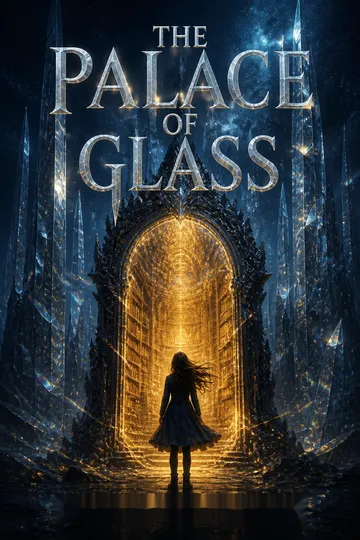
Palace of Glass
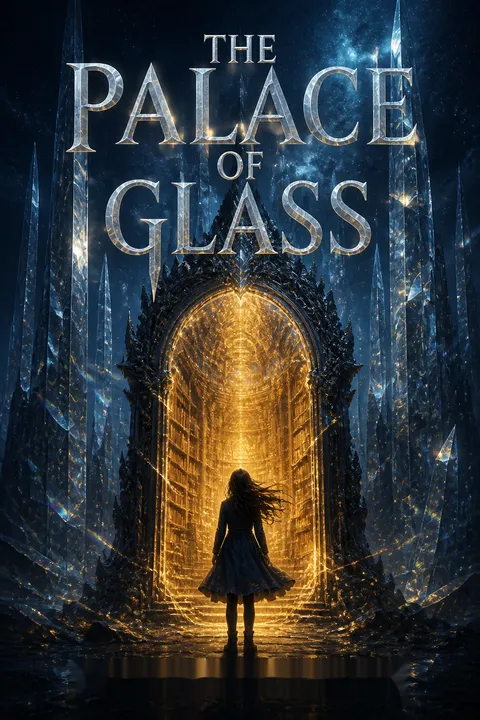
The Palace of Glass is a place of mirrors, illusions, and hidden dangers. Alice faces her own reflections—literal and metaphorical—as she searches for The Infinite Prison. The mirrors offer visions of the past, present, and possible futures, tempting her with comfort and threatening her with oblivion. The encounter with the masked mirror-Alices is a psychological trial, forcing Alice to confront her deepest fears, regrets, and desires. The chapter is a crucible of identity, memory, and choice.
Mirror Visions
Trapped by the mirror-creatures, Alice is nearly consumed by their hunger for her life and memories. A vision of a vast, silver, cat-slitted eye—alien yet strangely comforting—urges her to wake and fight. With a final act of will, Alice uses her last magical acorn to shatter the mirror's hold, escaping with The Infinite Prison. The ordeal leaves her drained but alive, and the experience lingers as a haunting reminder of the dangers of unchecked magic and the power of self-determination.
Ouroborean Unleashed
Returning to the library, Alice uses The Infinite Prison to trap Geryon, but in doing so inadvertently releases the Ouroborean, a living spell designed to consume magic. The creature, wearing the face of a lost apprentice, begins to devour everything in its path—magic, creatures, even the fabric of the labyrinth itself. The apprentices and their allies are forced to unite against a threat that cares nothing for sides or allegiances. The chapter is a reckoning, as the consequences of past actions come home to roost.
Allies and Sacrifice
As the Ouroborean rampages, Alice's friends—apprentices, fire-sprites, ice giants, and others—rally to her side. The battle is desperate, with many wounded and some lost. The fight is not just physical but existential, as the group must overcome old divisions and mistrust to stand together. Sacrifices are made, and the cost is high, but the alliance forged in crisis becomes the foundation for a new kind of community. The chapter is a testament to the power of solidarity and the possibility of redemption.
The Final Stand
In a climactic confrontation, Alice realizes that the Ouroborean is a labyrinthine spell—a maze with a center. By finding and unraveling its heart, she destroys the creature, but not without cost. The victory is hard-won, and the survivors are left to reckon with the aftermath. The experience cements Alice's role as a leader, not by virtue of power, but by her willingness to take responsibility and act for the good of all. The chapter is a meditation on courage, consequence, and the meaning of victory.
Declaration of War
With Geryon gone and the old order shaken, Alice gathers the survivors—apprentices, magical creatures, and allies—and declares her intention to dismantle the system of oppression maintained by the Readers. She rejects the role of tyrant, instead inviting others to join her as partners in building a new, just world. The declaration is met with skepticism, fear, and hope. The chapter is a call to arms, a promise of change, and the beginning of a revolution.
The Circle Complete
Alice confronts Geryon in his prison, demanding the truth about her father's death. The encounter brings closure, but also a recognition of the complexity of power and the dangers of both trust and betrayal. Alice's journey has come full circle—from victim to avenger to leader. As she prepares for the battles ahead, she is sustained by the memory of her father's love and the support of her chosen family. The story ends with a dream of hope—a vision of a world remade by courage, compassion, and the refusal to accept injustice.
Analysis
Django Wexler's The Palace of Glass is a rich, multi-layered fantasy that interrogates the nature of power, agency, and the costs of revenge. At its heart is Alice, a protagonist whose journey from victim to leader is marked by pain, growth, and the refusal to become what she hates. The novel critiques systems of domination—embodied by the Readers and their labyrinthine servants—while celebrating the messy, difficult work of building alliances across lines of difference. Magic, in this world, is both a tool and a temptation, offering the possibility of creation or destruction. The story's greatest strength lies in its refusal to offer easy answers: every victory comes with a cost, and every act of rebellion risks unintended consequences. The defeat of the Ouroborean is not an end, but a beginning—a declaration of war against injustice and a call to collective action. In a world where power is so often abused, The Palace of Glass offers a vision of hope grounded in empathy, humility, and the courage to imagine something better.
Review Summary
The Palace of Glass receives an overall rating of 4.18 out of 5 stars. Readers praise the imaginative world-building, compelling characters, and fast-paced adventure. Many appreciate Alice's character development as she grapples with moral complexities and questions about Readers' powers. The humor, particularly involving "turtles are jerks," is frequently mentioned. Some readers found this installment slower than previous books, with less action and a misleading title since the palace appears briefly. Several note the book effectively sets up the series finale while remaining self-contained. The creative creatures and portal worlds receive consistent praise.
People Also Read
Characters
Alice Creighton
Alice is a young apprentice Reader, orphaned by her father's mysterious death and taken in by the enigmatic Geryon. Her journey is driven by grief, anger, and a burning desire for justice. Psychologically, Alice is torn between the innocence of her past and the harsh realities of the magical world she inhabits. Her relationships—with Isaac, Ending, Flicker, and others—are marked by both trust and suspicion, as she learns to navigate alliances and betrayals. Over the course of the story, Alice grows from a reactive, vengeful child into a thoughtful, compassionate leader, willing to challenge the very foundations of the world she inhabits. Her greatest strength is her refusal to become what she hates, even as she wields immense power.
Geryon
Geryon is an ancient Reader, master of the library and Alice's reluctant mentor. He is a study in contradictions—charming and cruel, wise and paranoid. His relationship with Alice is complex, oscillating between paternal guidance and cold exploitation. Psychologically, Geryon is driven by fear—of other Readers, of losing control, of the consequences of his own actions. His willingness to sacrifice others for his own security makes him both a formidable antagonist and a tragic figure. His downfall is precipitated by his inability to recognize the strength and agency of those he seeks to dominate.
Ending
Ending is a labyrinthine—a magical, cat-like being who controls the fabric of the library. She is both mentor and manipulator, guiding Alice toward power while pursuing her own agenda. Psychologically, Ending is weary of servitude and longs for a new kind of relationship with a Reader—one based on equality rather than domination. Her motives are layered, blending self-interest with genuine care for Alice. Over time, she becomes a true ally, risking her own safety to help Alice challenge the old order. Her arc is one of cautious hope, as she dares to believe in the possibility of change.
Isaac
Isaac is another apprentice Reader, haunted by the loss of his brother and the cruelty of his own master. He is Alice's closest friend and confidant, offering support and counsel even as he struggles with his own fears and doubts. Psychologically, Isaac is marked by a deep sense of responsibility and a fear of abandonment. His loyalty to Alice is unwavering, and he is willing to risk everything to help her. Over the course of the story, Isaac grows in confidence and agency, becoming a key figure in the resistance against the old Readers.
Flicker
Flicker is a young fire-sprite, marked by inherited memories of oppression and loss. His initial hostility toward Alice masks a deep longing for justice and recognition. Psychologically, Flicker is shaped by trauma—both personal and collective—and struggles to reconcile his anger with the need for cooperation. His friendship with Alice is hard-won, built on mutual respect and shared danger. Over time, Flicker becomes a bridge between worlds, helping to forge alliances that transcend old enmities.
Erdrodr
Erdrodr is a young ice giant, denied her name and place by her mother due to her passion for art. She is both physically imposing and emotionally vulnerable, desperate to prove herself and find acceptance. Psychologically, Erdrodr is driven by a need for validation and a fear of failure. Her journey with Alice is one of self-discovery, as she learns to balance her artistic calling with the demands of her heritage. Her eventual recognition as "Erdrodr the Artist" is a triumph of individuality over conformity.
Helga the Ice Flower
Helga is the leader of the ice giants, renowned for her strength and her magical garden. She is both a warrior and a mother, torn between tradition and love for her daughter. Psychologically, Helga is driven by duty and a desire to preserve her people in a changing world. Her interactions with Alice are marked by skepticism, respect, and ultimately, gratitude. Helga's willingness to ally with outsiders signals a shift toward a more inclusive, adaptive society.
Pyros
Pyros is the leader of the fire-sprites, responsible for negotiating with Readers and ensuring his people's survival. He is wise but weary, shaped by generations of compromise and loss. Psychologically, Pyros is cautious, always weighing the risks of rebellion against the need for security. His relationship with Alice is one of guarded hope, as he dares to believe in the possibility of change. Pyros embodies the tension between tradition and transformation.
Ashes
Ashes is a half-cat, half-labyrinthine, serving as both comic relief and moral compass. He is skeptical of authority and quick to point out the flaws in any plan, but his loyalty to Alice and Ending is unwavering. Psychologically, Ashes is marked by a deep-seated need for autonomy and a distrust of power. His wit and resourcefulness make him an invaluable ally, and his journey is one of reluctant heroism.
The Ouroborean
The Ouroborean is a living spell, created as a weapon by the Readers and locked away for its uncontrollable hunger. It is both a force of nature and a mirror of the Readers' own destructive tendencies. Psychologically, the Ouroborean is less a character than a manifestation of unchecked ambition and the dangers of power without restraint. Its release and eventual destruction serve as a cautionary tale about the costs of domination and the necessity of humility.
Plot Devices
Magical Library and Portals
The library, with its endless shelves and magical books, serves as both setting and metaphor. Portals connect countless worlds, each with its own rules and dangers. The labyrinthine structure mirrors the psychological complexity of the characters, especially Alice, whose journey is as much internal as external. The library's shifting spaces allow for narrative flexibility—characters can move between worlds, encounter new allies and enemies, and confront the consequences of their actions on a cosmic scale.
Threads and Summoning
Alice's ability to summon creatures and borrow their powers is central to both plot and character development. The threads represent connections—to other beings, to the past, to potential futures. The act of summoning is both empowering and dangerous, as it exposes Alice to the risks of overreach and the temptation to dominate. The evolution of her magic—from brute force to partnership—parallels her moral growth.
Writing and Creation
Writing, the act of creating new magical spells and books, is portrayed as the highest form of magic. It requires patience, intuition, and humility. The process is fraught with difficulty, and mistakes can have catastrophic consequences. Writing becomes a metaphor for agency, self-determination, and the responsibility that comes with power. Alice's mastery of Writing marks her transition from apprentice to leader.
Mirrors and Reflections
The Palace of Glass, with its endless mirrors and illusions, serves as a crucible for Alice's identity. The mirrors force her to confront her memories, desires, and fears. The temptation to lose oneself in comforting visions is a constant danger, and escape requires self-knowledge and willpower. The motif of reflection recurs throughout the story, emphasizing the importance of self-examination and the dangers of denial.
The Ouroborean
The Ouroborean, a living spell designed to consume magic, is both a plot device and a symbol. Its release is the unintended consequence of Alice's quest for revenge, and its rampage forces the characters to unite against a common threat. The Ouroborean embodies the dangers of unchecked ambition and the necessity of collective action. Its defeat requires not just power, but insight and collaboration.
Narrative Structure and Foreshadowing
The story is structured as a journey—physical, emotional, and moral—that brings Alice full circle. Early foreshadowing (nightmares, warnings about the dangers of power) pays off in later chapters, as the consequences of choices become clear. The narrative balances action with introspection, using set pieces (battles, contests, negotiations) to explore deeper themes of agency, responsibility, and the possibility of change.
The Forbidden Library Series
About the Author
Download PDF
Download EPUB
.epub digital book format is ideal for reading ebooks on phones, tablets, and e-readers.








































