
Plot Summary
Summoned to the Gathering
Amma, a baroness with a good heart, is thrust into the world of villains when she's brought unregistered to Yvlcon, the annual gathering of the realm's most nefarious. Her lover, Damien Bloodthorne—a half-demon blood mage—tries to protect her, but bureaucracy and suspicion abound. Amma is processed as a "carnal captive," collared and separated from Damien, who must bargain with the Grand Order of Dread to secure her release. The Order, a shadowy council, demands a favor in exchange: Damien must undertake a mysterious quest involving a newly forged, cursed pendant. The stage is set for a journey through villainy, love, and cosmic stakes, as Amma and Damien are forced to play roles neither fully understands.
Bathhouse Confessions and Collars
Amma is led to a bathhouse by Fryn, a snake-haired courtesan, who helps her clean up and adapt to her new role. Through candid conversation, Amma learns about the politics and pleasures of villain society, the transactional nature of relationships, and the risks of being a "concubine." She's collared and dressed in revealing silks, her identity and agency further stripped away. Yet, Fryn's warmth and the camaraderie of the bathhouse offer Amma a glimpse of resilience and self-determination, even in captivity. The chapter explores themes of vulnerability, adaptation, and the forging of unlikely friendships in hostile environments.
Council of Dread Bargains
Damien faces the Grand Order of Dread, offering information about a growing cosmic threat—E'nloc—in exchange for Amma's freedom. The council, intrigued by his connection to the darkness, forges a cursed pendant and tasks Damien with disposing of it in a specific, dangerous location. The pendant is both a key and a shackle, binding Damien to the Order's will. Amma is released, but the cost is clear: their fates are now entwined with a mission that could determine the fate of the realm. The chapter is charged with tension, sacrifice, and the weight of choices made under duress.
Lovers, Lies, and Orgies
Damien and Amma reunite in a swirl of passion, confusion, and public spectacle. Their relationship is tested by the expectations of villain society, rumors of Damien's past lovers, and Amma's own insecurities. They navigate the performative cruelty required at Yvlcon, playing at master and slave while privately seeking comfort in each other. The chapter delves into the complexities of intimacy under surveillance, the pain of necessary deception, and the struggle to maintain trust when surrounded by temptation and threat.
The Ex's Return
Delphine, Damien's powerful and manipulative ex-lover, arrives at Yvlcon, reigniting old traumas and rivalries. Her presence is a reminder of Damien's past subjugation and the dangers of nox-touched magic. Amma, feeling both threatened and protective, confronts the reality of Damien's vulnerabilities. The chapter explores cycles of abuse, the scars left by toxic relationships, and the courage required to break free from old patterns. Delphine's machinations foreshadow greater peril, as she becomes entangled in the unfolding cosmic plot.
Games of Power and Pain
Damien and Amma are drawn into games of dominance and submission, both in public and private. Their dynamic is a dance of trust and risk, with Amma learning to find strength in vulnerability and Damien struggling to balance his protective instincts with his darker urges. The chapter is charged with erotic tension, but also with the pain of past betrayals and the fear of losing oneself to another's will. Their love is tested by external threats and internal doubts, as they prepare for the journey ahead.
The Oracle's Riddle
Determined to understand the true nature of their quest, Amma and Damien seek out the Denonfy Oracle in the mountains. The journey is arduous, filled with physical and emotional trials. The Oracle, enigmatic and irreverent, offers cryptic prophecies that hint at doom, sacrifice, and the intertwining of their destinies. Amma selflessly uses her question to learn about the pendant, while Damien grapples with the limits of fate and free will. The chapter is suffused with foreboding, as the eclipse—and the endgame—draws near.
Goblin King for a Day
A mishap in the mountains leads Amma to accidentally kill a goblin king, and by goblin law, she is crowned their new monarch. Thrust into leadership, she must navigate goblin politics, reform barbaric traditions, and defend her new subjects from a dragon that terrorizes their den. Damien, stripped of his dignity and forced to play concubine, supports her through humiliation and chaos. The chapter is a blend of comedy and pathos, highlighting Amma's compassion and ingenuity, and the absurdity of power.
Dragon in the Deep
Amma and Damien lead the goblins in a desperate battle against the dragon, using a combination of goblin inventions, magic, and cunning. The fight is brutal, but Amma's empathy leads to a truce with the wounded dragon, revealing it as a misunderstood exile rather than a true monster. The goblins are left to rebuild, and Amma abdicates her throne, choosing to continue her quest. The chapter explores the nature of monstrosity, the possibility of redemption, and the bittersweetness of letting go.
The Pendant's Purpose
With the goblin detour behind them, Amma and Damien press on toward the Temple of the Void, piecing together clues from stolen maps and star charts. The true purpose of the pendant is revealed: it is both a key to containing E'nloc and a potential instrument of destruction. The Grand Order's motives are ambiguous, and the lines between good and evil blur. Amma's growing magical abilities and Damien's deepening love for her become their greatest assets—and vulnerabilities.
The Eclipse Approaches
Arriving at the Temple of the Void, Amma and Damien are caught in a web of betrayals. Delphine, acting on secret orders, enthralls Damien and steals the pendant. Amma is forced to fight for his soul, using her own blood and magic to break Delphine's hold. The pit opens, and the pendant's fate hangs in the balance. The chapter is a crescendo of action, heartbreak, and sacrifice, as the eclipse begins and the world teeters on the brink.
Betrayals and Bloodlines
Amma and Damien are separated—he is taken by Delphine, subjected to leeching and psychological torment, while Amma is captured by priestesses and subjected to magical brainwashing. Both confront the legacies of their families: Damien learns the truth of his parentage and the betrayals that shaped his life, while Amma discovers the extent of the temple's corruption. Allies old and new rally to their sides, and the stage is set for a final confrontation.
The Temple's Deceit
Amma, with the help of imps and her own growing power, breaks free from the temple's control and rescues Diana, Damien's mother, from magical enthrallment. Together, they race to Eirengaard, where the eclipse has plunged the city into chaos. The chapter is a testament to Amma's resilience, the power of chosen family, and the necessity of confronting the past to reclaim the future.
The Pit and the Pendant
Damien, used as a vessel, is forced to contain E'nloc as the eclipse reaches its zenith. The pendant is shattered, and the darkness threatens to consume everything. Amma arrives in time to confront him, but he, desperate to save her, uses the last of his will to command her to kill him and forget her love. In a tragic twist, Xander intervenes, killing Amma to extract the talisman and setting the stage for resurrection and reckoning.
Enthrallment and Sacrifice
Amma's soul journeys to the realm of the gods, where she is offered a bargain: remain in paradise and save the world, or return to life and risk everything for love. She chooses Damien, defying the gods and the logic of self-sacrifice. Meanwhile, Xander and Pippa use forbidden magic to resurrect her, and the final battle for the fate of the realm begins.
Death and the Divine
Amma is brought back to life, and together with Damien, Diana, and their allies, they confront Birzuma, Xander's mother and the architect of much of their suffering. The Grand Order of Dread arrives, offering Amma a seat among them, but she refuses, choosing love and freedom over power. The rift is sealed, E'nloc is banished, and the world is saved—not by heroes or villains, but by the messy, stubborn, beautiful love of two flawed people.
Resurrection and Reckoning
In the aftermath, families are reunited, old wounds begin to heal, and the future is uncertain but hopeful. Damien and Amma, finally free of curses and cosmic burdens, choose each other. They split their time between Aszath Koth and Faebarrow, forging a new life together. The story ends not with a coronation or a conquest, but with a proposal, a kiss, and the promise of happiness hard-won.
Analysis
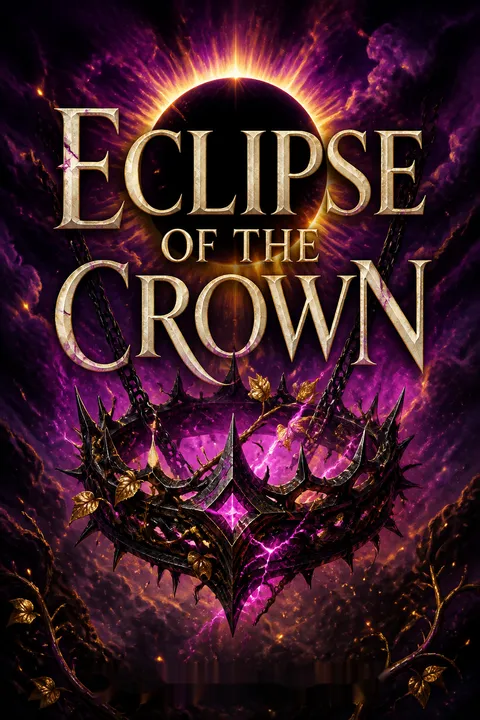
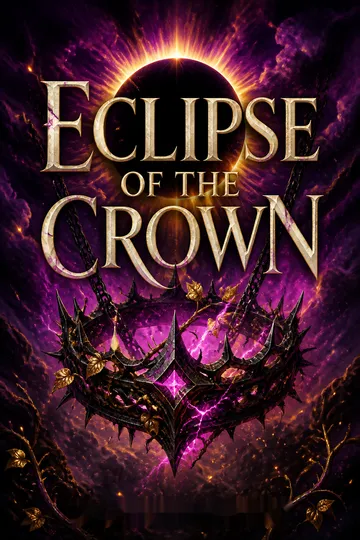
"Eclipse of the Crown" is a subversive, emotionally rich fantasy that interrogates the boundaries between good and evil, love and power, fate and free will. At its heart, it is a story about trauma, healing, and the messy, stubborn persistence of hope. Amma and Damien's journey is both epic and intimate, blending cosmic stakes with the granular realities of trust, vulnerability, and forgiveness. The novel refuses easy answers: villains are bureaucrats, heroes are flawed, and the gods are as capricious as mortals. By centering love—not as a panacea, but as a hard-won, ongoing choice—the story challenges the notion that destiny is fixed or that power must corrupt. Instead, it offers a vision of redemption rooted in mutual care, self-knowledge, and the courage to defy both prophecy and expectation. In a world obsessed with thrones and crowns, "Eclipse of the Crown" insists that the true victory is not in conquest, but in connection.
Review Summary
People Also Read


Characters
Amma (Ammalie Avington)
Amma is a baroness with a gentle soul, thrust into a world of villainy and cosmic stakes. Her journey is one of self-discovery, resilience, and the reclamation of agency. Initially naive and out of place among villains, she adapts through wit, empathy, and stubbornness. Her relationship with Damien is the emotional core of the story—she is both his anchor and his salvation. Amma's magic, tied to the earth and growth, mirrors her own capacity for healing and transformation. She is haunted by trauma but refuses to be defined by it, ultimately choosing love and self-sacrifice over safety or power. Her arc is one of becoming: from captive to queen, from victim to savior, from lover to equal.
Damien Maleficus Bloodthorne
Damien is a half-demon blood mage, heir to a legacy of darkness and pain. His exterior is all arrogance, cruelty, and power, but beneath lies a man scarred by abuse, betrayal, and longing for connection. His relationship with Amma is transformative—she challenges his self-loathing and teaches him to believe in love and goodness. Damien's struggle is both internal and external: he must resist the pull of E'nloc, confront his past with Delphine and his parents, and choose between destruction and hope. His arc is one of hard-won vulnerability, as he learns to trust, to let go, and to fight for a future he never thought he deserved.
Delphine Delacroix
Delphine is Damien's ex-lover and a product of magical experimentation, her power rooted in trauma and control. She is both victim and villain, using enthrallment to dominate others as she was once dominated. Her relationship with Damien is a cycle of abuse and longing, and her rivalry with Amma is both personal and symbolic. Delphine's arc is tragic—she cannot escape her own pain, and her attempts to reclaim Damien only lead to her downfall. She is a cautionary figure, a mirror of what Amma and Damien might become if they let fear and hurt rule them.
Xander Sephiran Shadowhart
Xander is Damien's half-brother and nemesis, a blood mage with a penchant for chaos and self-preservation. He is witty, ruthless, and deeply wounded, his cynicism masking a desperate need for validation. Xander's actions are driven by a mix of rivalry, envy, and a twisted sense of loyalty. He is both antagonist and reluctant ally, his schemes often backfiring or leading to unexpected consequences. Xander's arc is one of grudging growth—he cannot escape his own patterns, but he is capable of moments of genuine care, especially for Amma and, in his own way, Damien.
Diana (Damien's Mother)
Diana is a priestess of Isldrah, torn between duty, love, and manipulation. Her past is a web of betrayals—by her order, by Birzuma, by herself. She is both victim and agent, her choices shaping the destinies of her son and the realm. Diana's arc is one of awakening: she must confront the lies she has lived under, reclaim her agency, and fight for her family. Her reunion with Damien is fraught but ultimately healing, as both learn to forgive and move forward.
Birzuma the Blasphemed
Birzuma is the shadow behind much of the story's pain—a master manipulator who orchestrates betrayals, enthrallments, and the separation of families. She is driven by ambition, resentment, and a desire for power. Birzuma's arc is one of hubris and downfall; her schemes unravel as those she sought to control find strength in love and solidarity. She is a symbol of generational trauma and the dangers of unchecked power.
The Grand Order of Dread (GOoD)
The Grand Order is both a bureaucracy and a force of cosmic balance, enforcing rules among villains and manipulating events for their own inscrutable ends. They are a chorus of voices, sometimes comic, sometimes terrifying, always self-interested. Their offer to Amma at the end is both a temptation and a recognition of her power. The Order represents the seductive allure of power without accountability, and the story's refusal to let evil be simple or monolithic.
Pippa (Priestess)
Pippa is a priestess caught between her faith, her friends, and the demands of survival. She is compassionate but often overwhelmed, her healing magic both a gift and a burden. Pippa's arc is one of quiet courage—she stands up to greater powers, aids in Amma's resurrection, and helps bridge the gap between the divine and the mortal. She is a reminder that goodness can persist even in the darkest times.
Kaz, Katz, and Quaz (Imps)
The imps are summoned, banished, and resurrected throughout the story, serving as both comic relief and unexpected sources of wisdom. Each has a distinct personality—Kaz is brash, Katz is depressive, Quaz is manic—and their interactions with Amma and Damien highlight the absurdity and unpredictability of magic. They are reminders that even the smallest, most overlooked beings can make a difference.
The Gods (Sestoth, Thea, Tarwethen, etc.)
The gods, revealed in Amma's death and resurrection, are both awe-inspiring and deeply human in their pettiness, humor, and contradictions. They offer Amma a choice between self-sacrifice and love, framing the story's central dilemma. Their presence underscores the themes of agency, fate, and the limits of divine intervention.
Plot Devices
The Cursed Pendant
The pendant, forged by the Grand Order, is both a literal and symbolic object. It binds Damien to a quest, serves as the vessel for E'nloc, and becomes the focal point of sacrifice and salvation. Its fragmentation and eventual destruction mirror the breaking and healing of the characters' own hearts and destinies. The pendant is a classic MacGuffin, but also a test: who will wield power, and at what cost?
Enthrallment and Free Will
Enthrallment—whether by talisman, blood, or divine water—is a recurring motif, representing the struggle for autonomy in the face of manipulation, abuse, and fate. Characters are repeatedly forced to act against their will, but the story insists on the possibility of breaking free, reclaiming choice, and forging new paths. The tension between control and consent is explored in relationships, politics, and cosmic battles alike.
Prophecy and Subversion
Prophecy looms over the narrative, shaping expectations and driving characters to desperate acts. Yet, the story repeatedly subverts prophecy's inevitability—Amma and Damien refuse to be defined by others' visions, and the Oracle's riddles are as much about creating mystery as foretelling doom. The ultimate message is that fate is not fixed, and that love, courage, and stubbornness can rewrite even the most dire predictions.
Death and Resurrection
Amma's death and journey to the realm of the gods is the story's emotional and thematic climax. Offered paradise in exchange for the world's salvation, she chooses love and loyalty, returning to life at great risk. Resurrection is not just a magical feat, but a statement: that hope, connection, and the willingness to fight for each other are more powerful than any curse or cosmic threat.
Comedy and Subversion of Tropes
The story delights in poking fun at fantasy conventions—villain conventions, goblin politics, bureaucratic evil, and the melodrama of prophecy. Characters are self-aware, the narrative is playful, and the tone shifts from dark to comic with ease. This humor is not just for laughs; it is a way of resisting despair, reclaiming agency, and insisting that even in the darkest times, joy and absurdity have their place.
Villains & Virtues Series
About the Author


Download PDF
Download EPUB
.epub digital book format is ideal for reading ebooks on phones, tablets, and e-readers.








































