
Plot Summary
Arrival in Painted Santa Fe
Daisy Linden and her younger sister Frederica arrive in Santa Fe, the capital of the Texican Territories, awash in the vivid colors that Daisy, an artist, yearns to capture. Their mission is urgent: to find their missing father, Professor Linden, who vanished two years prior. The sisters' optimism is tinged with anxiety, as previous searches have ended in disappointment. The city's vibrant life and mechanical marvels—Navapai riding mecaballos, steam vehicles, and airships—contrast with the sisters' inner turmoil. Their first stop is the Texican Rangers' headquarters, where they hope for official help. Instead, they encounter indifference and subtle hostility, their quest dismissed as a family matter or a man's choice to disappear. Daisy's resolve hardens; if the authorities will not help, she and Freddie must rely on their own wits and the kindness of strangers.
Unhelpful Authorities, Unlikely Allies
The sisters' hopes are dashed by General van Ness, who coldly rebuffs their pleas, suggesting their father may have chosen a new life. Stung but undeterred, Daisy and Freddie seek lodging, finding a haven in Mrs. Alvarez's boarding house, where the warmth of the courtyard and the landlady's practical kindness offer comfort. Meanwhile, William Barnicott, a traveling apothecary and friend from previous adventures, arrives in Santa Fe with two stowaway children, Davey and Lin, seeking safety and belonging. The sisters and William's paths soon cross, their shared history and mutual respect forging a partnership. Together, they begin their own investigation, determined to find Professor Linden and unravel the city's secrets, even as unseen forces conspire to keep the truth hidden.
Portraits and New Clues
Daisy's artistic talent becomes a vital tool as she draws her father's portrait from memory, compensating for the lack of a daguerreotype. This image becomes their calling card as they make inquiries at airfields, taverns, and among boarding house keepers. The sisters' persistence yields a tantalizing clue: a man matching Professor Linden's description was seen waiting by a theater stage door, possibly for a performer. The sisters' hope surges—if they can find this performer, perhaps they can learn where their father went next. The city's network of women, often dismissed as gossips, proves invaluable, as Mrs. Alvarez and her peers quietly spread word and gather information. Daisy and Freddie's bond deepens, their shared purpose and resilience sustaining them through setbacks and small victories.
Boarding House Bonds
William, Davey, and Lin join forces with Daisy and Freddie, their makeshift family united by loss and longing. The Navapai village atop the mesa becomes a sanctuary, its hospitality and wisdom a balm for weary travelers. Here, the sisters learn of the city's darker side: the pinnacle cells, spires of rock where prisoners are left to die, and the simmering tensions between the city's rulers and its marginalized peoples. The group's inquiries lead them to the theater district, a riotous world of cancan dancers, opera, and hidden dangers. They discover that the missing performer, Anna Strauss—possibly Annelise, an old family friend—vanished days ago, leaving behind her costume and boots. A note in her jacket, written in Professor Linden's hand, confirms he was in Santa Fe and met with her. The sisters' hope is rekindled, but the mystery deepens.
The Dancer Disappears
The sisters' search for Annelise reveals a web of exploitation and peril. The theater's underbelly is exposed through Simone Colfax, a dresser and dancer, who confirms that Annelise left in costume after receiving a mysterious note. Boarding house inquiries lead to Marcus Pride, a sanctimonious landlord who burns the girls' letters and offers little help. Clues accumulate: a billet-doux signed "B.H." invites Annelise to take the four o'clock train to a spur, and her belongings are left behind, suggesting she intended to return. The sisters, William, and their friends piece together a timeline—Annelise met Professor Linden, received a forged note, and disappeared en route to a rendezvous. The specter of foul play looms, and the sisters realize that powerful men may be orchestrating events for their own gain.
A Note and a Name
The investigation points to Balthazar Holt, a wealthy cattleman and mayoral candidate, as the "B.H." of the note. Yet when confronted, Holt is shocked—he sent no such message, though he is Annelise's fiancé and desperate to find her. The group visits Holt's ranch, where Daisy's art and Freddie's music bring moments of solace. Together, they deduce that someone forged Holt's handwriting to lure Annelise away, likely to frame him for her disappearance. The sisters' inquiries at the Cattlemen's Club and among the city's elite reveal a nexus of ambition, debt, and rivalry, especially between Holt and his opponent, Josiah Comstock. The stakes rise as the mayoral election approaches, and the sisters realize that Annelise's fate is entwined with the city's future.
The Theater's Shadowy Secrets
A crisis at the theater thrusts Freddie into the spotlight when she is pressed into performing as Constance in Die sieben Schwäne. Her impromptu success draws the attention of Comstock, who invites her to a private dinner under the guise of admiration. The encounter is fraught with danger and subtext—Comstock is revealed as a man desperate for money, seeking introductions to wealthy investors, and possibly involved in Annelise's disappearance. Freddie's brush with the city's predatory elite is both harrowing and illuminating, exposing the lengths to which men like Comstock and van Ness will go to secure power. The sisters' circle of trust narrows, and they become increasingly aware that their inquiries have made them targets.
The Mayor, the Club, the Ball
Invited into Santa Fe's high society, Daisy and Freddie attend the Cattlemen's Ball, using the occasion to question Holt and observe the city's power brokers. Daisy's dance with Holt confirms his love for Annelise and his ignorance of the forged note. The ball is a microcosm of the city's tensions—alliances, rivalries, and hidden agendas swirl beneath the surface. General van Ness and Comstock's collusion becomes apparent, as does the precariousness of the sisters' position. The sisters' resourcefulness and courage are tested as they navigate social traps, extract information, and avoid the machinations of men who see them as pawns. The ball ends with more questions than answers, but the sisters' determination is undiminished.
A Waltz with Danger
As the election nears, the sisters are lured into a trap by Rangers acting on Comstock's orders. Under the pretense of a friendly gesture, Daisy and Freddie are taken by balloon to a pinnacle cell and abandoned, their fate to be decided after the election and Holt's arrest. The city's justice system is revealed as a tool of the powerful, willing to sacrifice innocents to secure political victory. On the pinnacle, the sisters discover Annelise, barely alive after days of exposure. The three women, united by desperation and ingenuity, plot their escape. Meanwhile, William, Davey, and Lin piece together the truth and race against time to rescue their friends, their loyalty and courage shining in the city's darkest hour.
The Impostor's Invitation
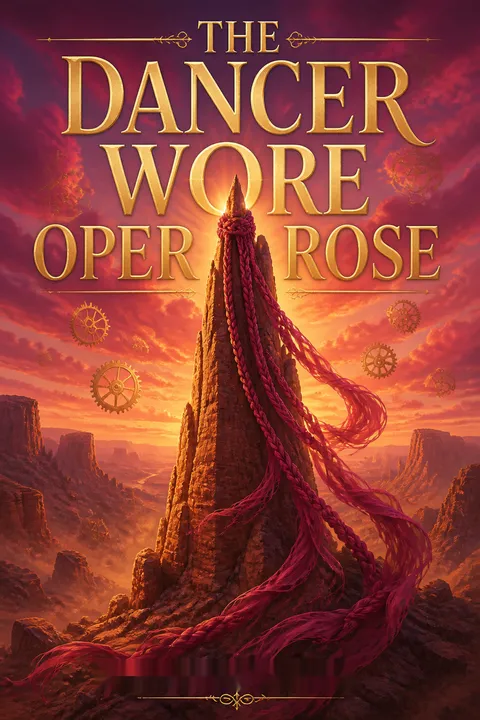
Using the ruffles of Annelise's cancan costume and Daisy's petticoat, the sisters fashion a makeshift rope and attempt a perilous descent from the pinnacle. Their ordeal is a testament to their resilience, resourcefulness, and the unbreakable bond between them. William and Tobin, guided by Davey's quick thinking, arrive in a balloon just in time to complete the rescue. The group's reunion is bittersweet—Annelise is weak but alive, and the sisters are traumatized but unbroken. The city's corruption is laid bare, and the group prepares to confront Comstock and van Ness, determined to see justice done and to clear Holt's name.
The Vanishing and the Trap
On election day, the city gathers in the plaza as the results are announced. Holt wins, but van Ness and the Rangers move to arrest him for Annelise's "murder." At the critical moment, Annelise descends from a balloon, alive and defiant, exposing the conspiracy to the assembled crowd. The city erupts in chaos as Comstock, desperate and unmasked, attempts to shoot Holt but is killed by his own wife. Van Ness is arrested, and the corrupt alliance at the city's heart is shattered. The sisters, William, and their friends are vindicated, their courage and tenacity having turned the tide. The city's future is uncertain, but for the first time, hope seems possible.
Pinnacle of Peril
In the aftermath, Annelise and Holt are married in a joyful celebration that brings together friends old and new. The sisters finally learn the truth about their father—he met with Annelise, but his memory is fractured, and he has gone in search of "Bodie," a place or person that may hold the key to his past. The sisters' quest is not over, but they are no longer alone. The bonds forged in adversity—between sisters, friends, and found family—are stronger than ever. As Daisy and Freddie prepare to journey west in search of their father, they carry with them the lessons of Santa Fe: that justice is won by the brave, that hope endures, and that love, in all its forms, is the greatest device of all.
Descent by Silk and Grit
Suspended between life and death, Daisy, Freddie, and Annelise use every ounce of ingenuity and courage to descend the pinnacle. Their makeshift rope, woven from silk ruffles and linen, is both lifeline and symbol—a testament to the power of resourcefulness and sisterhood. The descent is harrowing, marked by slips, bruises, and the ever-present threat of falling. Yet, together, they reach the base, battered but alive. William and Tobin's timely arrival completes the rescue, and the group's reunion is marked by relief, gratitude, and a renewed sense of purpose. The ordeal cements their bonds and steels their resolve to confront the city's corruption and seek justice for all who have suffered.
The Election's Deadly Stage
The city's plaza becomes a stage for the final act of justice. Annelise's dramatic appearance exposes the conspiracy, and the crowd's outrage sweeps away the old order. Comstock's downfall is swift and public, his crimes laid bare for all to see. Van Ness's arrest signals a new era, one in which the voices of the marginalized and the brave are finally heard. The sisters, William, and their friends are celebrated as heroes, their perseverance and integrity having changed the course of the city's history. The victory is not without cost, but it is a testament to the power of truth, courage, and the unbreakable bonds of friendship and family.
Justice, Reunion, and Farewell
In the story's final moments, joy and sorrow intermingle. Annelise and Holt's wedding is a celebration of love's triumph over adversity, attended by friends who have become family. The sisters learn that their father, though alive, is still lost—his memory fractured, his journey unfinished. Yet, armed with new clues and the support of their companions, Daisy and Freddie set out once more, determined to find him and restore their family. The story ends with a sense of hope and possibility, the promise of new adventures, and the enduring truth that, in a world of mysterious devices and painted skies, the greatest inventions are those of the heart.
Analysis
A steampunk mystery of resilience, justice, and found familyThe Dancer Wore Opera Rose is a masterful blend of steampunk adventure, cozy mystery, and social critique, set against the vivid backdrop of an alternative Wild West. At its heart, the novel is a story of women's resilience in the face of institutional indifference and personal loss. Daisy and Freddie's quest to find their father becomes a journey of self-discovery, as they forge alliances, confront corruption, and learn to trust their own strength. The narrative's focus on female agency—women rescuing themselves, supporting each other, and outwitting the powerful—offers a refreshing counterpoint to traditional adventure tropes. The story's inventive use of technology and supernatural elements enriches its world-building, while its nuanced characters and emotional depth invite readers to reflect on themes of justice, memory, and the meaning of home. Ultimately, the novel suggests that true power lies not in devices or titles, but in the bonds of love, friendship, and the courage to do what is right, even when the world stands against you.
Review Summary
The Dancer Wore Opera Rose receives mostly positive reviews (4.2/5 stars) as the second book in the Mysterious Devices steampunk series. Readers praise the engaging mystery, strong female characters, and connections to the Magnificent Devices series. Sisters Daisy and Freddie search for their missing father in Santa Fe while investigating a disappearing opera singer. Critics note light steampunk elements, uneven pacing, and weak mystery components compared to pure adventure. Fans appreciate the inventive writing, watercolor paint-themed titles, and clean entertainment value, though some find the plot less compelling than the original series.
People Also Read







Characters
Daisy Linden
Daisy is the emotional and moral center of the story—a young woman whose artistic eye and indomitable spirit drive the search for her missing father. Her relationship with her sister Freddie is both nurturing and fraught, marked by moments of tension and deep affection. Daisy's psychological journey is one of resilience: she faces repeated disappointment, institutional indifference, and mortal danger, yet never loses her sense of hope or her commitment to justice. Her art becomes both a tool and a metaphor, capturing the world's beauty even as she confronts its darkness. Daisy's development is marked by increasing agency and courage, as she learns to trust her instincts, rely on her chosen family, and fight for those she loves.
Frederica "Freddie" Linden
Freddie is Daisy's younger sister, a gifted singer whose sensitivity and intuition often provide the group's emotional compass. Her psycho-spiritual gifts—an ability to sense and sometimes communicate with spirits—add a layer of supernatural insight to the narrative. Freddie's journey is one of self-assertion: initially overshadowed by Daisy's forcefulness, she gradually finds her own voice, both literally and figuratively. Her experiences—being thrust on stage, navigating predatory advances, and surviving the pinnacle ordeal—forge her into a woman of quiet strength. Her loyalty to Daisy is unwavering, but she also learns to set boundaries and advocate for herself, emerging as a heroine in her own right.
William Barnicott
William is a traveling apothecary and inventor, whose blend of scientific knowledge and practical kindness makes him an invaluable ally. Haunted by a sense of rootlessness and a longing for belonging, William finds purpose in helping Daisy, Freddie, and the children who attach themselves to him. His relationship with Daisy is marked by mutual respect, unspoken affection, and moments of gentle humor. William's psychological arc is one of self-forgiveness and acceptance: he learns to trust others, to lead without dominating, and to find family in unexpected places. His courage in crisis—especially during the pinnacle rescue—cements his role as a true partner in the sisters' quest.
Davey
Davey is a young orphan whose quick wit, resourcefulness, and fierce loyalty make him both a comic relief and a vital member of the group. Scarred by abandonment and hardship, Davey is slow to trust but quick to act in defense of his friends. His psychological journey is one of healing: through the acceptance and care of William, Daisy, and Freddie, he learns that he is valued and capable of more than mere survival. Davey's street smarts and courage often provide the key to solving practical problems, and his presence underscores the story's themes of found family and the redemptive power of kindness.
Lin
Lin is a young Cantonese girl, a survivor of violence and exploitation who clings to the hope of finding her lost aunt. Her journey parallels that of Daisy and Freddie, as she seeks family and belonging in a world that often sees her as invisible. Lin's intelligence, pride, and stubbornness sometimes put her at odds with the group, but her loyalty and courage are unquestionable. Her development is marked by a gradual opening to trust and vulnerability, as she learns to accept help and to offer it in return. Lin's presence highlights the story's exploration of marginalization, resilience, and the universal longing for home.
Annelise Strauss (Anna Strauss)
Annelise is the vanished performer whose fate becomes the linchpin of the sisters' quest. Once a friend from Daisy's academic past, she is now a cancan dancer caught in a web of exploitation and political intrigue. Annelise's psychological arc is one of endurance: she survives abduction, exposure, and betrayal, yet retains her dignity and hope. Her love for Balthazar Holt is genuine, and her courage in confronting her captors and clearing Holt's name is pivotal to the story's resolution. Annelise embodies the story's themes of agency, survival, and the power of women's networks in a hostile world.
Balthazar Holt
Holt is a wealthy rancher and mayoral candidate, whose love for Annelise and rivalry with Comstock place him at the center of the city's power struggle. Outwardly strong and charismatic, Holt is also vulnerable—haunted by past losses, family tensions, and the threat of public disgrace. His psychological journey is one of humility and trust: he learns to rely on others, to accept help, and to fight not just for himself but for those he loves. Holt's integrity and compassion set him apart from the city's other power brokers, and his eventual vindication is both a personal and political triumph.
Josiah Comstock
Comstock is the story's primary antagonist—a man whose charm, wealth, and social standing mask a ruthless ambition and moral bankruptcy. Driven by debt, envy, and a need for control, Comstock orchestrates Annelise's disappearance, manipulates the Rangers, and seeks to destroy Holt. His psychological profile is that of a narcissist: incapable of genuine connection, he uses people as tools and discards them when they are no longer useful. Comstock's downfall is both inevitable and satisfying, a cautionary tale about the corrosive effects of unchecked power and greed.
General van Ness
Van Ness is the embodiment of institutional indifference and corruption. As head of the Texican Rangers, he wields power with a veneer of civility, but his actions reveal a willingness to sacrifice justice for personal and political gain. His psychological arc is one of self-justification: he rationalizes his choices as necessary, even as they harm the innocent. Van Ness's eventual exposure and arrest signal a turning point in the city's history, a reckoning with the abuses of authority and the need for accountability.
Mrs. Alvarez
Mrs. Alvarez is the boarding house keeper whose practical kindness and network of female informants provide crucial support to the sisters. Her role is that of the unsung hero: she operates behind the scenes, gathering information, offering shelter, and facilitating connections. Psychologically, Mrs. Alvarez represents the resilience and resourcefulness of women in a patriarchal society. Her development is subtle but significant, as she moves from suspicion to trust, and her final gift to Daisy—a zinnia pin symbolizing absent friends—underscores the story's themes of solidarity and remembrance.
Plot Devices
Dual Quest Structure
The story employs a dual quest structure: Daisy and Freddie's search for their father is mirrored by their search for Annelise. This parallelism creates narrative tension and emotional resonance, as each quest informs and complicates the other. The structure allows for the exploration of themes such as family, loss, and the longing for home, while also providing a framework for the unfolding mystery. The convergence of the two quests at the pinnacle cell—where the sisters and Annelise are literally bound together—serves as the story's emotional and structural climax.
Steampunk Setting and Social Commentary
The Magnificent Devices world is a rich tapestry of steampunk technology, alternative history, and social stratification. Mechanical horses, airships, and clockwork devices are not mere window dressing; they shape the characters' options, symbolize progress and peril, and reflect the era's anxieties about change. The setting also enables pointed social commentary: the contrast between the city's elite and its marginalized peoples, the corruption of institutions, and the resilience of women's networks are all foregrounded. The pinnacle cells, in particular, serve as a powerful metaphor for isolation, injustice, and the struggle for survival.
Forged Letters and False Identities
The use of forged notes—especially the one that lures Annelise away—serves as a central plot device, driving the mystery and implicating multiple suspects. The motif of false identity recurs throughout: characters are mistaken for others, names are changed or forgotten, and appearances deceive. This device underscores the story's themes of trust, betrayal, and the search for truth. The eventual unmasking of the forger and the exposure of the conspiracy provide both narrative satisfaction and a commentary on the dangers of unchecked power.
Female Solidarity and Agency
The story repeatedly foregrounds the power of female solidarity: boarding house keepers, dancers, and sisters form networks of support, information, and resistance. These networks operate beneath the notice of the city's male authorities, yet prove more effective in gathering clues and effecting change. The sisters' agency—especially in their escape from the pinnacle—is a direct challenge to the era's gender norms. The plot device of women rescuing themselves and each other, rather than waiting for male saviors, is both empowering and thematically resonant.
Foreshadowing and Supernatural Elements
The narrative employs foreshadowing through dreams, ghostly apparitions, and subtle clues—such as the recurring motif of absent friends and the language of flowers. Freddie's ability to sense spirits adds a supernatural dimension, blurring the line between the rational and the mystical. These elements heighten suspense, provide warnings, and offer comfort, reinforcing the story's themes of memory, loss, and the persistence of love beyond death.
Magnificent Devices Series





About the Author
Download PDF
Download EPUB
.epub digital book format is ideal for reading ebooks on phones, tablets, and e-readers.








































