

Plot Summary
Airship Peril and Arrival
Daisy Linden, her sister Freddie, William Barnicott, and young Davey approach Port Townsend in their modified airship, narrowly escaping cannon fire from patrolling steam battleships by signaling surrender with a white sheet. The group, traveling in search of Daisy and Freddie's missing father, Professor Linden, is tense but hopeful as they near their destination. The city below is divided between a bustling, rough downtown and a genteel uptown, foreshadowing the social divides and dangers to come. Their arrival is met not with welcome, but with suspicion, as the Royal Canadian Airborne Police (RCAP) detain them, suspecting them of piracy and espionage. The group's unity and quick thinking are tested immediately, setting the tone for the challenges ahead.
Arrested as Spies
Daisy, Freddie, William, and Davey are marched before the infamous "Hanging" Judge Wilson Bonnell, accused of sedition, flying an unregistered vessel, and other improprieties. The judge's stern demeanor and the threat of severe punishment loom, but an unexpected intervention by Elizabeth Selkirk, an old friend, shifts their fate. Elizabeth's social standing and quick explanations help clear the misunderstanding, and the judge, learning of their past heroics and connections, drops the charges. The group is swept from the threat of prison into the heart of Port Townsend's high society, but the experience leaves them wary of the law's caprice and the dangers of being outsiders in a tightly knit community.
Society's Embrace, Hidden Dangers
The judge invites Daisy and Freddie to stay in his opulent, eccentric home as guests, while William and Davey are given accommodations nearby. The sisters are drawn into preparations for the judge's daughter Rose's wedding, meeting a cast of local characters—some charming, some suspicious. Freddie's ability to see ghosts surfaces, as she encounters the spirit of Cynthia Verney, a maid who warns of impending danger. Beneath the surface of social events and budding romances, tensions and old grudges simmer, hinting that the judge's household is not as safe as it appears. The sisters' skills as investigators and their emotional resilience are quietly tested.
Wedding Festivities and New Friends
The wedding of Rose Bonnell to Walter Linwood is a grand affair, with Daisy and Freddie celebrated as society belles. Freddie's singing talent shines, and both sisters attract the attention of eligible young men, including the persistent Corporal Kent. Yet, beneath the gaiety, rivalries and resentments are evident—especially from the ambitious Willamette family and the enigmatic lawyer Royston Greene. The sisters' longing for their father is ever-present, and the social whirl is tinged with anxiety about his fate. The wedding's joy is a fragile veneer over deeper mysteries and unresolved tensions.
Reunion and Tragedy on the Beach
The long-missing Professor Linden finally arrives on a steamer, and Daisy and Freddie rush to the docks for a tearful, joyful reunion. Their happiness is shattered when they discover Judge Bonnell's lifeless body on the beach, with their father found at the scene, confused and unable to explain. The sisters' relief at finding their father is instantly replaced by dread, as the RCAP arrest him for the judge's murder. The emotional whiplash is devastating, and the sisters are thrust into a desperate fight to prove their father's innocence against a tide of circumstantial evidence and public suspicion.
A Father Accused
Professor Linden is imprisoned, accused of murder based on the testimony of longshoremen and the circumstantial evidence of the judge's broken watch. Daisy and Freddie, now social pariahs, are shunned by former friends and forced to leave the judge's home. Their only hope lies in their own investigative skills and the reluctant, covert support of Corporal Kent, who agrees to delay proceedings if they can find the real killer. The sisters' bond is their anchor as they face betrayal, grief, and the daunting task of solving a murder in a hostile town.
The Judge's Watch and Clues
The sisters focus on the judge's pocket watch, which stopped at 3:20 a.m., suggesting the time of death. A key fob is missing from the chain, and Davey's sharp eyes note its absence. Daisy and Freddie begin to suspect that the murder is linked to something personal—perhaps a secret the judge kept. Their investigation leads them to consider the judge's enemies, including the Willamette matriarch and Royston Greene, but alibis and social maneuvering complicate matters. The sisters' determination grows as they realize the answer may lie closer to home.
Exile and New Allies
Expelled from the judge's home and denied rooms in town, Daisy, Freddie, William, and Davey are taken in by the Chemakum village, a community of indigenous airship dwellers led by Frederick Chalmers and his wife Malina. The village, shunned by townsfolk as haunted, offers safety and acceptance. Here, Freddie finds kinship with others who see spirits, and the group regains hope. The Chemakum's wisdom and hospitality provide new perspectives, and the sisters' resolve to clear their father's name is strengthened by the support of their new friends.
The Chemakum Village Refuge
In the Chemakum village, the group finds not only shelter but also crucial information. The villagers' knowledge of the town's history and its ghosts helps Freddie understand her gift and the significance of the spirits haunting the judge's house. The sisters visit their father in gaol, sharing news and comfort, and begin to piece together the judge's past. The Chemakum's outsider perspective helps them see the town's social dynamics more clearly, and their alliance with Frederick Chalmers hints at deeper political currents. The village becomes a base for their investigation and a symbol of resilience.
Ghosts, Grudges, and Suspects
Daisy and Freddie pursue leads among the town's elite and servants, uncovering grudges against the judge from the Willamette family and Royston Greene. Freddie's conversations with the ghost of Cynthia Verney reveal that her death was not an accident, and that the judge's house is a nexus of unresolved pain. The sisters' inquiries into the judge's habits, the missing key, and the relationships among the staff and family members point to secrets within the household. The sisters' empathy and intuition become as important as their logic in unraveling the mystery.
The Search for Truth
Daisy and Freddie systematically eliminate suspects, confirming alibis for the Willamettes and Greene, and discovering that the longshoremen who accused their father have conveniently left town. The sisters' investigation is hampered by social ostracism and the town's eagerness for a quick resolution. Meanwhile, another tragedy strikes: Rose Linwood, the judge's daughter, falls to her death in the same house, echoing the earlier death of Cynthia Verney. The pattern of fatal falls and the presence of a missing key focus the sisters' suspicions on the household staff, particularly the enigmatic maid, Lily.
The Willamette and Greene Alibis
The sisters confirm that both the Willamette matriarch and Royston Greene have solid alibis for the time of the judge's death. Greene's involvement in the prosecution of Professor Linden and his possible manipulation of witnesses raise suspicions, but ultimately he is cleared. The sisters' frustration mounts as their list of suspects dwindles, and the urgency increases with the approach of the circuit judge who will try their father. The focus shifts to the judge's personal life, the significance of the missing key, and the possibility that the answer lies within the family's secrets.
The Second Fall
The death of Rose Linwood, following a heated argument and a fall from an upper window, shocks the town and devastates the remaining Bonnell family. Daisy and Freddie realize that the pattern of deaths—Cynthia, the judge, and now Rose—points to a single perpetrator within the house. The sisters, with the help of Davey and William, race to uncover the truth before more lives are lost. The emotional stakes are heightened as the sisters confront the possibility that the killer is someone they know and have trusted.
Unraveling the Maid's Secret
Investigating the judge's room, the sisters and Davey discover a locket belonging to Lily, the maid, which can only be opened with the missing key from the judge's watch chain. Inside is a daguerreotype revealing Lily as the judge's illegitimate daughter. The motive for the murders becomes clear: Lily's resentment at being denied her place in the family, her mother's abandonment, and the judge's refusal to acknowledge her. The sisters realize that Lily killed Cynthia to take her place, the judge in a struggle for the key, and Rose out of jealousy and rage. The final confrontation is imminent.
The Locket, the Key, and Confession
Daisy and Davey confront Lily in her room, presenting the locket and the evidence of her lineage. Lily, cornered, confesses to the murders, justifying them as acts of desperation and a twisted quest for belonging. A struggle ensues, and Daisy, armed with her revolver, wounds Lily to prevent her escape. Corporal Kent and Freddie arrive in time to secure Lily and ensure she faces justice. The truth is finally revealed, and the sisters' courage and persistence are vindicated. The emotional toll is heavy, but the cycle of violence is broken.
Justice, Freedom, and Farewell
With Lily's arrest and confession, Professor Linden is exonerated and released from prison. The sisters, William, Davey, and their friends gather in the Chemakum village for a celebratory feast, joined by those who supported them and the spirits who found peace. The surviving Bonnell family members begin to heal, and new bonds are formed among the group. Daisy and William's love is affirmed, Freddie finds closure with the ghosts, and the sisters look to the future with hope. The story ends with gratitude, forgiveness, and the promise of new adventures.
Analysis
Shelley Adina's The Judge Wore Lamp Black is a masterful blend of steampunk adventure, cozy mystery, and psychological drama, set against the backdrop of a vividly imagined alternate Wild West. At its heart, the novel is a meditation on family—both the one we are born into and the one we choose—and the destructive power of secrets left to fester. Through the intertwined journeys of Daisy and Freddie Linden, the story explores themes of justice, belonging, and the search for truth in a world where appearances are deceiving and authority is often self-serving. The use of supernatural elements, particularly Freddie's ability to see ghosts, elevates the narrative from a simple whodunit to a nuanced exploration of trauma, memory, and reconciliation. The Chemakum village, with its wisdom and acceptance, offers a vision of community that transcends social boundaries, while the unraveling of the judge's family history serves as a cautionary tale about the costs of denial and the necessity of facing the past. Ultimately, the novel affirms the resilience of the human spirit, the redemptive power of love and friendship, and the importance of forging one's own path in the face of adversity.
Review Summary
The Judge Wore Lamp Black receives strong reviews averaging 4.38 stars. Readers praise this fifth installment in the Mysterious Devices series, where Daisy and Freddie Linden finally find their missing father in Port Townsend, only to have him arrested for murder. Fans appreciate the blend of steampunk, mystery, and supernatural elements, along with memorable characters like the First People. While some found the mystery predictable, most readers enjoyed the fast-paced adventure and character development, eagerly anticipating the series finale.
People Also Read




Characters
Daisy Linden
Daisy is the elder Linden sister, a painter with a keen eye for detail and a compassionate heart. Her journey is one of transformation from a sheltered Englishwoman to a courageous, resourceful detective. Daisy's love for her family, especially her sister Freddie and their missing father, drives her actions. She is both logical and empathetic, able to navigate the complexities of society and the dangers of the frontier. Her relationship with William Barnicott matures into a deep partnership, and her ability to balance vulnerability with strength makes her the emotional center of the group. Daisy's growth is marked by her increasing confidence, her willingness to confront danger, and her unwavering commitment to justice.
Frederica "Freddie" Linden
Freddie, the younger Linden sister, possesses the ability to see and communicate with ghosts—a gift that is both a burden and a source of insight. Her sensitivity makes her attuned to the emotional undercurrents of those around her, and her courage is often quiet but profound. Freddie's journey is one of self-acceptance, as she learns to use her gift to help others and to trust her own instincts. Her bond with Daisy is unbreakable, and her loyalty to family and friends is fierce. Freddie's encounters with the spirits of the judge's house are central to unraveling the mystery, and her empathy allows her to see the humanity even in those who have done wrong.
William Barnicott
William is the group's pilot and Daisy's devoted partner. Practical, brave, and quietly humorous, he provides stability and support throughout the sisters' ordeal. William's background as an inventor and healer makes him resourceful in crises, and his moral compass is unwavering. His relationship with Daisy is built on mutual respect and affection, and he becomes a surrogate brother to Freddie and Davey. William's calm under pressure and willingness to risk himself for others make him indispensable to the group's survival and success.
Davey Fletcher
Davey is a streetwise, quick-witted boy who has become part of the Linden family through shared adventures. His sharp eyes and nimble fingers often uncover crucial clues, and his irreverent humor lightens tense moments. Davey's longing for belonging and his admiration for Daisy, Freddie, and William drive his loyalty. Despite his rough edges, he is deeply compassionate and brave, willing to face danger for those he loves. Davey's journey is one of finding family and purpose, and his resilience is a testament to the power of chosen kinship.
Judge Wilson Bonnell
Judge Bonnell is a figure of authority, respected for his integrity and feared for his severity. His commitment to justice is genuine, but his personal life is marked by secrets and regrets. The judge's inability to reconcile his past with his present leads to his downfall, as his refusal to acknowledge his illegitimate daughter, Lily, sets the stage for tragedy. His murder is the catalyst for the story's central mystery, and his legacy is both the pursuit of justice and the consequences of unresolved guilt.
Lily (the Maid)
Lily is the judge's illegitimate daughter, raised in secrecy and resentment. Her intelligence and competence make her an indispensable servant, but her longing for recognition and belonging curdles into bitterness. Lily's actions are driven by a sense of injustice and a desperate need to claim her place in the family. Her murders are both calculated and emotional, reflecting her fractured psyche. Lily's psychological complexity lies in her simultaneous victimhood and culpability, and her ultimate confession is both a moment of catharsis and tragedy.
Elizabeth Selkirk
Elizabeth is a resourceful, independent woman who bridges the worlds of society and the press. Her friendship with Daisy and Freddie is instrumental in their acceptance into Port Townsend's elite, and her investigative instincts complement the sisters' efforts. Elizabeth's unrequited love for Edward Bonnell adds emotional depth, and her resilience in the face of loss and upheaval is quietly heroic. She represents the possibilities of female agency and solidarity in a restrictive society.
Corporal Oscar Kent
Corporal Kent is a member of the RCAP, torn between duty and conscience. Initially an antagonist, he becomes a crucial ally, covertly aiding the sisters' investigation while maintaining the appearance of official neutrality. His attraction to Freddie and his respect for the Lindens' integrity complicate his role. Kent's struggle to balance the demands of authority with the pursuit of true justice reflects the broader themes of the story, and his eventual support is pivotal to the resolution.
Rose Bonnell Linwood
Rose is the judge's daughter, whose wedding is a highlight of the social calendar. Her warmth and openness make her a friend to Daisy and Freddie, but her inability to cope with grief and betrayal leads to her downfall. Rose's death is a turning point, exposing the rot at the heart of the family and the dangers of denial. Her fate is a cautionary tale about the costs of unresolved pain and the fragility of happiness.
Frederick Chalmers and Malina
Frederick Chalmers and his wife Malina are the leaders of the Chemakum village, offering refuge and guidance to the exiled Lindens. Their wisdom, cultural knowledge, and acceptance provide a counterpoint to the prejudices of Port Townsend. Malina's spiritual insight helps Freddie understand her gift, and Chalmers' political connections aid the investigation. They embody the values of community, resilience, and healing, and their presence is a source of hope and renewal.
Plot Devices
Dual Worlds: Society and Outcasts
The narrative structure juxtaposes the genteel, rule-bound world of uptown Port Townsend with the marginalized, mystical Chemakum village. This duality serves as both a literal and metaphorical device, emphasizing the limitations of social status and the power of outsider perspectives. The sisters' exile from society and acceptance by the Chemakum mirror their journey from innocence to experience, and the shifting settings foreshadow the revelation that the true danger lies within the heart of the family, not among the supposed outcasts.
The Broken Watch and Missing Key
The judge's stopped watch and the missing key fob are classic detective devices, providing both a timeline for the murder and a tangible link to the killer's motive. The key's eventual use to open Lily's locket reveals the hidden family connection, while the watch's time of death challenges the official narrative. These objects serve as both evidence and symbols of the secrets that destroy families and the importance of looking beyond appearances.
Ghosts and the Supernatural
Freddie's ability to see ghosts is not merely a fantastical element but a narrative device that externalizes the story's psychological undercurrents. The spirits of Cynthia Verney and others provide warnings, clues, and emotional resonance, highlighting the persistence of unresolved trauma and the need for justice. The supernatural is woven seamlessly into the detective plot, reinforcing the idea that the past cannot be buried and that healing requires confronting hidden pain.
Social Ostracism and Found Family
The sisters' expulsion from society and their reliance on each other and their chosen allies heighten the emotional stakes and underscore the theme of found family. The plot uses social exclusion as both a source of danger and an opportunity for growth, forcing the characters to redefine their identities and loyalties. The Chemakum village's acceptance contrasts with the town's rejection, illustrating the power of community and the possibility of redemption.
Red Herrings and Multiple Suspects
The narrative employs a series of red herrings—suspects with plausible motives and alibis, including the Willamettes, Royston Greene, and even the longshoremen—to keep the reader guessing. Each suspect's elimination is not merely procedural but reveals deeper social and psychological truths, such as the corruptibility of power and the dangers of unchecked ambition. The gradual narrowing of suspects builds tension and focuses attention on the true killer within the family.
Confession and Catharsis
The final confrontation with Lily, her confession, and the revelation of her motives provide both narrative closure and emotional catharsis. The confession is not merely an exposition of facts but a psychological unburdening, allowing the characters—and the reader—to understand the roots of violence and the costs of secrecy. The resolution balances justice with compassion, acknowledging the complexity of human motives and the possibility of healing.
Magnificent Devices Series




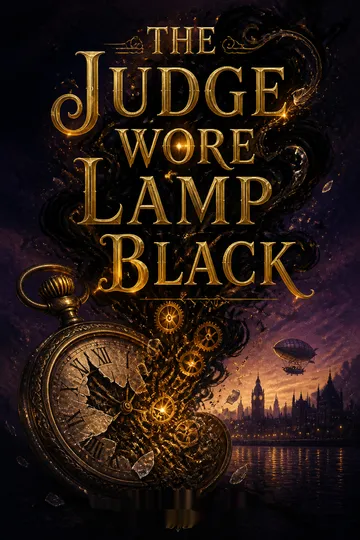

About the Author
Download PDF
Download EPUB
.epub digital book format is ideal for reading ebooks on phones, tablets, and e-readers.








































