
Plot Summary
Fog of Forgotten Origins
Sylvia Ashe, a young librarian in post-war London, lives with the ache of loss and the fog of an unknown heritage. Orphaned by the war and the flu, she clings to the remnants of her family: a brother's notebook, a mother's ring, and a suitcase of memories. When a cryptic reference to "India Glass" and silver magic surfaces in her brother's writings, Sylvia's curiosity is piqued. The world around her is still reeling from war, and opportunities for women are scarce. Yet, the possibility that magic—real, tangible, and hereditary—might run in her blood sets her on a path of self-discovery, even as she doubts her own significance in a city that seems determined to overlook her.
Library Shadows and Secrets
Working as an assistant librarian under the oppressive Mr. Parmiter, Sylvia finds solace in the quiet stacks and in her friendship with the vivacious Daisy. Their camaraderie is a lifeline, but the library is also a place of scrutiny and suspicion. Daisy's irreverence and Sylvia's resilience are tested by the misogyny and rigid rules of their employer. When Daisy discovers a newspaper article about Gabriel Glass, a war hero with a magical lineage, the two women are drawn into a world where the boundaries between the ordinary and the extraordinary blur. The library, once a sanctuary, becomes the starting point for a quest that will upend Sylvia's understanding of herself and her family.
A War Hero's Luck
Gabriel "Gabe" Glass, the only child of the famed magician Lady Rycroft, is celebrated for his improbable luck—surviving the war unscathed. Yet, beneath the surface, Gabe is haunted by invisible wounds and the weight of expectations. His reputation as a hero is both a shield and a burden. As a consultant for Scotland Yard, he is drawn into the investigation of a stolen magical painting. His path collides with Sylvia's when he inadvertently causes her dismissal, setting off a chain of events that entwines their fates. Gabe's luck, it seems, is as much a curse as a blessing, and his search for meaning mirrors Sylvia's own.
The Art of Disguise
The theft of a magician-made painting from the Royal Academy's exhibition becomes the catalyst for intrigue. Sylvia, Daisy, and Gabe are drawn into the investigation, each for their own reasons. The painting's magic is subtle, its value hidden from all but those who know how to look. The suspects are many: artists, staff, and patrons, each with secrets to protect. The world of art is revealed as one of ambition, jealousy, and hidden power. As the investigation deepens, the lines between victim and perpetrator blur, and the true nature of magic—its allure and its danger—comes to the fore.
Dangerous Introductions
Sylvia's determination to uncover her family's magical heritage leads her to seek out Lady Rycroft, only to find her gone. Instead, she meets Gabe, whose charm and intensity unsettle her. Their first encounters are fraught with misunderstanding and suspicion, but also a growing sense of kinship. When Gabe is nearly kidnapped in broad daylight, Sylvia's quick thinking helps thwart the attempt, but the danger is real and immediate. The incident binds them together, even as it raises new questions about who can be trusted and what is truly at stake.
The Heist Unveiled
As Gabe and Sylvia delve deeper into the theft, they uncover a web of deceit that stretches from the Academy's staff to the highest echelons of society. The magical painting is more than a work of art—it is a key to understanding the nature of magic itself. The investigation is complicated by personal entanglements, as old wounds and new attractions surface. Sylvia's role shifts from bystander to active participant, her insights and courage proving invaluable. The stakes rise as it becomes clear that the theft is part of a larger, more dangerous game.
Unlikely Alliances
The investigation forges unlikely alliances: between Sylvia and Gabe, between Daisy and the eccentric artist Horatio, and even with Gabe's formidable cousin Willie and the detective Cyclops. Each brings their own strengths and vulnerabilities to the table. Trust is hard-won and easily lost, as secrets are revealed and motives questioned. The group must navigate not only the external threats posed by the thief and would-be kidnappers but also the internal tensions that threaten to tear them apart. In the crucible of crisis, true character is revealed.
The Glass Library's Heart
Gabe's guilt over Sylvia's dismissal leads him to secure her a position at the Glass Library, a repository of magical knowledge and history. Under the guidance of Professor Nash, Sylvia discovers a sense of belonging she has never known. The library is a place of wonder, filled with rare books and enchanted objects, but also a place of secrets. As she immerses herself in its mysteries, Sylvia's confidence grows. The library becomes both a sanctuary and a battleground, as the investigation's threads converge within its walls.
Suspects and Subterfuge
The list of suspects in the theft and attempted kidnapping narrows as Gabe and Sylvia follow the trail of clues. Lady Stanhope, the ambitious patroness; Ludlow, the disgruntled butler-magician; Tommy Allan, the scarred war veteran; and Horatio, the charming artist—all come under scrutiny. Each has motive and opportunity, but the truth remains elusive. The investigation is complicated by red herrings and false leads, as well as by the personal histories and traumas that color each character's actions. The tension mounts as the danger draws closer to Sylvia herself.
Threats in the Night
As the investigation intensifies, Sylvia becomes the target of threats and intimidation. Lady Stanhope's veiled warnings, Tommy Allan's violent confrontation, and the ever-present sense of being watched test her resolve. Yet, Sylvia refuses to be cowed. Drawing on her mother's lessons in self-defense and her own inner strength, she stands her ground. The danger is real, but so is her determination to see the truth uncovered. The night is filled with peril, but also with moments of unexpected courage and solidarity.
The Web Tightens
The threads of the investigation tighten around the true culprits. Betrayals are revealed, as trusted friends are unmasked as accomplices. The theft of the magical painting is shown to be part of a larger scheme, one that exploits the vulnerabilities of those damaged by war and loss. The cost of truth is high, as relationships are tested and innocence is lost. Yet, in the crucible of crisis, new bonds are forged, and the possibility of redemption emerges.
Confrontations and Confessions
The investigation reaches its climax as Gabe and Sylvia, with the help of their allies, confront the true masterminds behind the theft and murder. The confrontation is fraught with danger, as desperation drives the guilty to violence. Confessions are wrung from the unwilling, and the full extent of the scheme is laid bare. Justice is served, but not without cost. The experience leaves all involved changed, their illusions shattered but their spirits tempered by adversity.
The Truth in the Canvas
In the aftermath of the case, the true nature of magical art is revealed. The distinction between paint and canvas magic, the hereditary nature of magical talent, and the burden of expectation are explored. Sylvia's search for her own magical heritage reaches a bittersweet conclusion, as she learns that magic is as much about connection and courage as it is about bloodlines. The legacy of the past is both a weight and a gift, shaping the future in ways both seen and unseen.
Loss, Loyalty, and Letting Go
The resolution of the case brings both relief and sorrow. The losses suffered—of family, of innocence, of trust—are keenly felt. Yet, in the crucible of crisis, new loyalties are forged. Sylvia and Daisy's friendship deepens, Gabe finds a measure of peace, and the community that has formed around the Glass Library endures. Letting go of the past is both painful and necessary, as each character steps into a future shaped by the choices they have made.
The Weight of the Past
Sylvia's journey comes full circle as she confronts the weight of her past. The fog that once obscured her origins lifts, replaced by a hard-won clarity. She may never know the full truth of her family's magical heritage, but she has found her place in the world. The lessons of loss and resilience, of courage and compassion, are woven into the fabric of her new life. The past is not forgotten, but it no longer defines her.
A New Chapter Begins
With the case resolved and the dangers past, Sylvia looks to the future with hope. The Glass Library, once a place of secrets, is now a home. The friendships forged in adversity endure, and the possibility of love—tentative, uncertain, but real—beckons. The story ends not with a final answer, but with the promise of new beginnings. In a world still healing from war, the magic of connection, courage, and curiosity lights the way forward.
Analysis
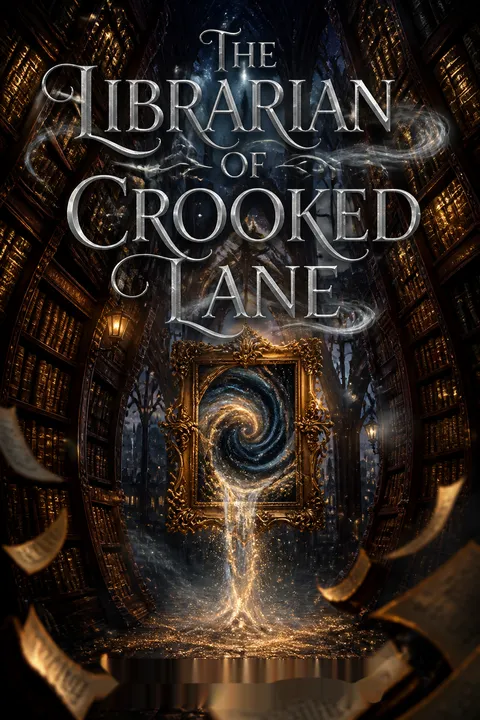
C.J. Archer's The Librarian of Crooked Lane is a deftly woven tapestry of mystery, magic, and self-discovery set against the backdrop of a post-war London still reeling from loss and change. At its heart, the novel is about the search for identity—personal, familial, and communal—in a world where the boundaries between the ordinary and the extraordinary are porous. Through Sylvia's journey from orphaned outsider to valued member of a magical community, Archer explores themes of resilience, trust, and the transformative power of knowledge. The interplay between the external mystery of the stolen painting and the internal quest for belonging allows for a nuanced exploration of trauma, healing, and hope. The novel's use of magic as both metaphor and plot device enriches its emotional resonance, while its cast of vividly drawn characters ensures that the story's stakes are always deeply personal. Ultimately, The Librarian of Crooked Lane is a celebration of curiosity, courage, and the enduring magic of human connection—a reminder that, even in the darkest of times, new chapters are always possible.
Review Summary
The Librarian of Crooked Lane receives mixed reviews averaging 3.83 stars. Readers praise the well-developed, endearing characters and the historical 1920s London setting. However, many criticize the slow pacing, underdeveloped magic system, and weak mystery involving a stolen painting. The romance between Sylvia and Gabe divides readers—some find it compelling while others consider it inappropriate given his engagement. Common complaints include the heroine being too passive, stereotypical side characters, and too many unresolved plot threads. Several note it's primarily setup for the series.
People Also Read
Characters
Sylvia Ashe
Sylvia is a young woman marked by loss and uncertainty, her past shrouded in mystery. Orphaned by war and flu, she is fiercely independent yet deeply lonely. Her intelligence and curiosity drive her to seek answers about her family's possible magical heritage, even as she doubts her own worth. Sylvia's journey is one of self-discovery, as she moves from passive observer to active participant in the unfolding drama. Her relationships—with Daisy, Gabe, and the community at the Glass Library—are transformative, teaching her the value of trust, courage, and vulnerability. Sylvia's resilience is her greatest strength, allowing her to face danger and disappointment with quiet determination.
Gabriel "Gabe" Glass
Gabe is the scion of a powerful magical family, celebrated for his improbable luck and survival in the war. Outwardly charming and competent, he is inwardly scarred by trauma and the weight of expectation. His role as a consultant for Scotland Yard is both a refuge and a burden, allowing him to channel his need for purpose while keeping others at arm's length. Gabe's relationship with Sylvia is complex, marked by mutual attraction, misunderstanding, and a gradual deepening of trust. His journey is one of healing, as he learns to reconcile his past with the possibility of a future shaped by choice rather than fate.
Daisy Carmichael
Daisy is Sylvia's first true friend in London, a whirlwind of energy, creativity, and modern sensibility. Her confidence and irreverence mask her own vulnerabilities, and her loyalty to Sylvia is unwavering. Daisy's role as confidante and co-conspirator is vital, providing both comic relief and emotional support. Her relationships—with Horatio, with the artistic community, and with the world at large—are marked by a restless search for meaning and connection. Daisy's journey is one of self-acceptance, as she learns to balance her desire for novelty with the need for stability and belonging.
Professor Nash
Professor Nash is the heart of the Glass Library, a man whose passion for knowledge is matched only by his kindness. His eccentricities—his secret passages, his cataloguing system, his stories of adventure—make him both endearing and enigmatic. As Sylvia's employer and mentor, he provides guidance, encouragement, and a sense of home. Nash's own history is marked by loss and longing, and his friendship with Sylvia is mutually healing. He represents the best of the scholarly tradition: open-minded, compassionate, and endlessly curious.
Willie Johnson
Willie is Gabe's American cousin, a force of nature whose unconventional ways and sharp tongue conceal a deep loyalty to family. Her brashness and disregard for social norms make her both a source of comic relief and a formidable ally. Willie's protectiveness of Gabe is rooted in love and shared history, and her suspicion of outsiders—especially Sylvia—is both a challenge and a test. Willie's journey is one of learning to let go, to trust others, and to accept that change is both inevitable and necessary.
Alexander "Alex" Bailey
Alex is Gabe's closest friend and confidant, a man whose physical strength is matched by his emotional steadiness. His role as protector is both self-imposed and necessary, as he navigates the dangers that surround Gabe and the investigation. Alex's skepticism and caution are counterbalanced by his deep loyalty and sense of justice. His interactions with Daisy and the rest of the group reveal a softer side, hinting at vulnerabilities beneath the stoic exterior. Alex's journey is one of learning to trust, to open up, and to accept help from others.
Lady Stanhope
Lady Stanhope is a formidable figure in the art world, her wealth and influence matched only by her ambition. Her involvement in the theft and her manipulation of those around her make her both a suspect and a symbol of the corrupting power of privilege. Lady Stanhope's interactions with Sylvia and Gabe are marked by veiled threats and calculated charm. Her ultimate downfall is a testament to the dangers of unchecked ambition and the limits of power.
Tommy Allan
Tommy is a casualty of war, his physical and emotional wounds leaving him adrift in a society that has little use for broken men. His involvement in the investigation is marked by suspicion, violence, and ultimately tragedy. Tommy's story is a reminder of the human cost of conflict, and his interactions with Sylvia reveal both the depths of his pain and the possibility of redemption. His fate is a sobering counterpoint to the story's moments of hope.
Horatio
Horatio is Daisy's friend and a fixture in the artistic community, his wit and charm masking a more calculating nature. His involvement in the theft is a betrayal that cuts deeply, both for Daisy and for Sylvia. Horatio's motivations are complex, shaped by ambition, envy, and the scars of war. His downfall is both a personal tragedy and a cautionary tale about the dangers of unchecked desire.
Cyclops (Detective Bailey)
Cyclops is a veteran detective whose experience and wisdom are invaluable to the investigation. His relationship with Gabe and Alex is paternal, marked by both affection and exasperation. Cyclops's approach to justice is pragmatic and compassionate, and his presence provides a stabilizing influence amid the chaos. His own history of loss and resilience mirrors that of the younger generation, and his guidance is instrumental in bringing the case to a close.
Plot Devices
Intertwined Mysteries and Personal Quests
The novel weaves together the external mystery of the stolen magical painting with the internal quest for identity and belonging. Sylvia's search for her family's magical heritage parallels the investigation into the theft, each informing and complicating the other. The use of parallel mysteries allows for a rich exploration of character and theme, as personal stakes are elevated by the broader dangers at play.
Shifting Perspectives and Unreliable Narration
The story is told primarily from Sylvia's perspective, but the inclusion of other voices—Gabe's, Daisy's, the suspects'—adds depth and complexity. The use of unreliable narration, as characters withhold or misinterpret information, heightens the suspense and invites the reader to question appearances. This device also allows for moments of dramatic irony, as the reader knows more than the characters at key points.
Foreshadowing and Red Herrings
The narrative is rich with foreshadowing, as early hints and seemingly minor details later prove crucial to the resolution. Red herrings abound, as suspects are introduced and motives revealed, only to be upended by new evidence. The careful planting of clues rewards attentive reading and sustains the story's momentum.
Symbolism of Magic and Art
The magical elements of the story—enchanted paintings, hereditary talents, the Glass Library itself—serve as symbols for the hidden wounds and latent strengths of the characters. Magic is both a source of danger and a means of healing, its presence a reminder of the extraordinary within the ordinary. Art, too, is a symbol: of beauty, of deception, of the power to transform and to conceal.
The Library as Sanctuary and Battleground
The Glass Library is more than a backdrop; it is a character in its own right. As a sanctuary, it offers safety, knowledge, and belonging. As a battleground, it is the site of confrontation, revelation, and transformation. The library's dual nature mirrors the characters' own struggles, as they seek both refuge and resolution within its walls.
Glass Library Series


About the Author
Download PDF
Download EPUB
.epub digital book format is ideal for reading ebooks on phones, tablets, and e-readers.








































