
Plot Summary
Rainy Day Revelations
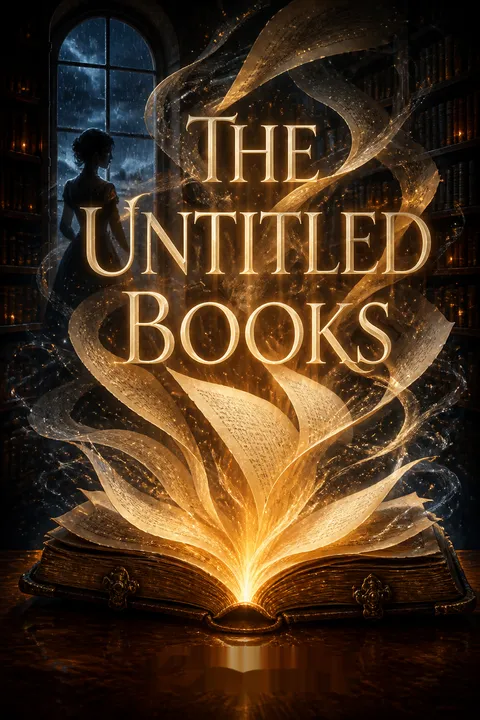
In the attic of the Glass Library, Sylvia Ashe finds herself surrounded by ancient tomes, lost in the comforting world of cataloging. The day's tranquility is interrupted by the arrival of Lady Stanhope, a haughty collector, who brings a set of unpublished manuscripts allegedly written on magician-made paper. The library, which only collects books about magic, not those containing it, turns her away. Yet, the encounter stirs something in Sylvia—a curiosity about the books and a subtle, growing awareness of her own connection to magic. The rain outside mirrors the uncertainty and anticipation brewing within, setting the stage for a mystery that will soon upend her orderly world.
Lady Stanhope's Mysterious Delivery
Lady Stanhope's insistence that her new acquisitions are magical draws the attention of Professor Nash and Sylvia. The books, handwritten by Honoria Moffat-Jones, seem ordinary at first glance, but their origins and the claim of magical paper raise questions. Lady Stanhope's reputation for manipulating magicians and her obsession with magical artifacts make her both a suspect and a catalyst. Her visit is more than a simple request; it's the opening move in a game of secrets, power, and hidden motives. Sylvia's unease grows, sensing that these books are more than rare manuscripts—they are keys to long-buried truths.
Murder at Paternoster Row
The tranquility of the library is shattered when news arrives: Adolphus Littleproud, the bookbinder who sold Lady Stanhope her magical books, has been murdered. Scotland Yard, with Gabe Glass as consultant, is drawn into the case. The crime scene is chaotic, the shop ransacked, and the motive unclear. Was it a robbery, a personal vendetta, or something to do with the magical books? The investigation reveals a web of connections—between the books, their mysterious provenance, and the people desperate to possess them. For Sylvia, the murder is a chilling reminder that the pursuit of magic can be deadly.
Secrets in the Attic
As the investigation deepens, Sylvia's own history becomes entwined with the case. Clues point toward Marianne Folgate, a rare silver magician, and possible family ties. Visits to old neighbors and the search for records reveal a pattern of fear, secrecy, and sudden disappearances. The attic, once a place of comfort, now symbolizes the layers of hidden truths in Sylvia's life. Each discovery brings her closer to understanding her own magical nature, but also exposes her to the dangers lurking in the shadows of her family's past.
The Magic Within Pages
Handling the untitled books, Sylvia experiences a profound, physical reaction—an awakening of her own latent magic. The sensation is both exhilarating and terrifying, confirming suspicions that she is a magician, possibly of paper or leather. This revelation changes her relationship with the investigation and with Gabe, who supports her through the confusion. The books become more than evidence; they are a mirror reflecting Sylvia's true self. Her journey of self-discovery is fraught with uncertainty, but it also brings hope and a sense of belonging she has never known.
Tangled Family Histories
The search for the origins of the magical books leads to encounters with eccentric relatives, old friends, and rivals. The Hobson family, embroiled in scandal, and the Petersons, renowned paper magicians, offer clues and complications. Each family harbors secrets—of magic, betrayal, and ambition. Sylvia's interactions with them reveal the complexities of magical inheritance and the burdens it brings. The investigation becomes a tapestry of intertwined destinies, where every thread pulled threatens to unravel long-held illusions and expose painful truths.
The Collector's Circle
The world of magical collectors is cutthroat and obsessive. Lady Stanhope's machinations, the ambitions of publishers, and the greed of moneylenders like Thurlow create a volatile environment. The books are coveted not just for their magic, but for the prestige and power they confer. Social gatherings, races, and clandestine parties become battlegrounds where alliances shift and secrets are traded. Sylvia and Gabe must navigate this treacherous circle, balancing trust and suspicion, as they search for the true motive behind the murder and the real value of the untitled books.
The Bookbinder's Last Client
The investigation uncovers the path the manuscripts took from Honoria Moffat-Jones to the bookbinder's shop. Each hand they passed through—publishers, collectors, and magicians—left a mark, a motive, or a clue. The discovery that Lord Coyle, a notorious collector, was the last client before the books were forgotten for decades adds a new layer of intrigue. The team must determine whether the books' magic, their authorship, or their provenance is the true source of danger. The past and present collide as the search for answers intensifies.
Dangerous Liaisons
As the circle of suspects widens, so do the risks. Sylvia and Willie undertake a daring break-in to recover a crucial book, while Gabe and Alex infiltrate Thurlow's criminal world. The lines between friend and foe blur, and trust becomes a precious commodity. Personal relationships—romantic, familial, and platonic—are tested by secrets and lies. The danger is no longer abstract; it is immediate and personal. Every choice carries consequences, and the cost of failure is measured in lives and legacies.
Breaking and Entering
The break-in at Lady Stanhope's house is a turning point. Sylvia, out of her element, relies on Willie's expertise and her own newfound courage. The mission is fraught with tension, close calls, and unexpected discoveries—including Lady Stanhope's own secrets. The successful retrieval of the book is a triumph, but it also deepens the mystery. The experience leaves Sylvia changed—more confident in her abilities, but also more aware of the dangers she faces. The night's events set the stage for the final unraveling of the case.
Racing Against Shadows
The investigation accelerates as the team is drawn into a high-stakes game with Thurlow and his thugs. A dangerous car chase ends in a crash, only for Gabe's hidden magical ability to save everyone. The incident exposes the lengths to which their enemies will go and the power of magic to protect and destroy. The team's unity is tested, but their resolve is strengthened. The shadows of the past and the threats of the present converge, pushing Sylvia and her friends to the brink.
The Paper Magician's Truth
A visit to the Petersons' paper factory provides the final confirmation: Sylvia is a paper magician. The revelation is both liberating and daunting, connecting her to a lineage of magic and responsibility. The Petersons' insights into the nature of paper magic help Sylvia understand her abilities and the significance of the books. The discovery of invisible writing—magic layered upon magic—opens a new avenue in the investigation. Sylvia's acceptance of her identity marks a turning point, empowering her to confront the mysteries and dangers ahead.
Invisible Ink, Hidden Crimes
The discovery of invisible graphite writing within one of the manuscripts reveals a hidden confession and a link to a long-unsolved bank fraud. The message, written by Angus Moffat-Jones, implicates him in both financial crime and murder. The team realizes that the true motive for the bookbinder's murder was not the magic, but the secrets concealed within the pages. The invisible ink becomes the key to unlocking the entire case, exposing the killer and the web of deceit that ensnared so many lives.
The Unraveling of Motives
With the evidence in hand, the team confronts Angus Moffat-Jones, whose guilt is revealed through a combination of deduction, confession, and the testimony of his terrified wife, Eleanor. The investigation's threads—magical inheritance, family secrets, greed, and fear—are woven together in a final confrontation. The roles of accomplices, bystanders, and victims are clarified, and justice is set in motion. The case's resolution brings relief, but also reflection on the costs of truth and the resilience required to face it.
The Widow's Confession
In a private, emotional conversation, Eleanor Moffat-Jones confides in Sylvia, revealing the abuse and threats she endured. Her confession not only provides the final piece of evidence but also highlights the human cost of secrets and violence. Eleanor's bravery inspires Sylvia and the others, reminding them that the pursuit of justice is as much about healing as it is about punishment. The case's resolution is bittersweet, marked by both triumph and sorrow.
The Final Confrontation
The arrest of Angus Moffat-Jones brings closure to the case, but the aftermath is complex. Relationships are tested, wounds are tended, and the future is uncertain. Sylvia, now fully aware of her magical heritage, finds strength in her friendships and her growing bond with Gabe. The Glass Library, once a sanctuary of knowledge, becomes a place of community and hope. The team celebrates their victory, but also acknowledges the challenges ahead. The story ends with a sense of renewal and the promise of new adventures.
Revelations and New Beginnings
With the case closed, Sylvia embraces her identity as a paper magician and her place within the magical community. The relationships forged and tested during the investigation—friendships, romances, and rivalries—are stronger for having faced adversity. The Glass Library stands as a beacon of knowledge, magic, and resilience. As Sylvia looks to the future, she is filled with hope, curiosity, and the determination to face whatever mysteries come next, surrounded by friends and the magic that connects them all.
Analysis
A modern reflection on trauma, identity, and the power of truth"The Untitled Books" is more than a historical mystery; it is a meditation on the ways in which secrets—personal, familial, and societal—shape our lives. Through the lens of magical inheritance, the novel explores the search for identity in a world marked by loss, change, and the aftermath of war. The characters' struggles with trauma, belonging, and the weight of legacy are rendered with empathy and psychological depth. The story critiques the dangers of unchecked ambition, the corrosive effects of secrecy, and the resilience required to confront the past. Ultimately, the novel champions the courage to seek truth, the importance of chosen family, and the transformative power of self-acceptance. In a world where magic is both a gift and a burden, it is the willingness to face one's own story—and to share it with others—that offers hope and healing.
Review Summary
Reviews for The Untitled Books show an overall positive reception (4.09/5) with readers enjoying the mystery, magic system, and post-WWI London setting. Common praise includes the engaging narrator, cozy atmosphere, and character development. However, frustrations emerge regarding the extremely slow-burn romance between Sylvia and Gabe, glacial pacing of the overarching mystery about Sylvia's origins, and repetitive storytelling across books. Many readers find the series addictive despite these issues, appreciating the Sherlock Holmes-style mysteries blended with gradual relationship building, though some feel individual books function more as chapters than standalone stories.
Characters
Sylvia Ashe
Sylvia is the heart of the story—a thoughtful, bookish young woman whose life is upended by the arrival of magical manuscripts and a murder. Orphaned and shaped by a strict, secretive mother, Sylvia is cautious, observant, and deeply empathetic. Her journey is one of self-discovery: she learns she is a paper magician, a revelation that both excites and frightens her. Sylvia's relationships—with Gabe, her mentor Professor Nash, and her friends—are marked by loyalty and a longing for belonging. Her growth is defined by her willingness to face danger, embrace her identity, and fight for justice, even as she grapples with the shadows of her past.
Gabriel "Gabe" Glass
Gabe is a consultant for Scotland Yard, known for his charm, intelligence, and hidden magical ability to manipulate time. Haunted by the traumas of war and a broken engagement, he masks his pain with humor and competence. Gabe's relationship with Sylvia is complex—marked by mutual respect, growing affection, and a shared sense of responsibility. He is both a leader and a caretaker, guiding the investigation while protecting those he cares about. Gabe's journey is one of healing, as he learns to trust, accept his own magic, and open his heart to new possibilities.
Willie Farnsworth
Willie is a force of nature—irreverent, tough, and fiercely protective. A dowager countess with a scandalous past, she defies social conventions and gender roles. Willie's humor and bravado mask deep wounds and a longing for acceptance. Her relationship with Gabe is familial, while her dynamic with Sylvia evolves from suspicion to camaraderie. Willie's resourcefulness and courage are invaluable to the investigation, and her willingness to break the law for a good cause makes her both a wild card and a hero.
Alex Bailey
Alex is Gabe's close friend and former police officer, marked by the seriousness and scars of war. He is methodical, principled, and sometimes gruff, but his loyalty is unwavering. Alex's relationship with Daisy is a slow-burning subplot, filled with misunderstandings and unspoken affection. He serves as a grounding presence in the group, balancing Gabe's impulsiveness and Willie's recklessness. Alex's journey is one of reconciling his past with his present, and learning to let down his guard.
Daisy
Daisy is Sylvia's best friend—a lively, flirtatious, and optimistic young woman. Raised in privilege but yearning for independence, she pursues acting and writing, often with comic results. Daisy's insecurities and longing for love are masked by her exuberance. Her dynamic with Alex is playful and fraught with tension, while her friendship with Sylvia is a source of support and encouragement. Daisy represents the hope and resilience of a generation seeking meaning after the devastation of war.
Lady Stanhope
Lady Stanhope is both antagonist and catalyst—a wealthy, ambitious woman obsessed with magical artifacts and the power they confer. Her charm is matched by her ruthlessness, and her relationships are transactional. She manipulates magicians and collectors alike, always seeking the next acquisition. Lady Stanhope's actions drive much of the plot, and her rivalry with Sylvia and Gabe is marked by both admiration and animosity. She embodies the dangers of unchecked ambition and the allure of magic.
Professor Nash
Professor Nash is the wise, kind-hearted librarian who serves as Sylvia's mentor and father figure. His passion for books and magic is matched by his compassion for his friends and colleagues. He provides guidance, stability, and a sense of home for Sylvia. Professor Nash's role is that of the steady anchor in a world of chaos, and his belief in Sylvia's potential is instrumental in her growth.
Angus Moffat-Jones
Angus is the story's primary antagonist—a respected banker and widower with a dark past. Outwardly affable and successful, he is in fact manipulative, abusive, and capable of murder. His obsession with controlling his wives and covering up his crimes drives the central mystery. Angus's psychological complexity lies in his ability to mask his true nature, using charm and intimidation to maintain power. His downfall is precipitated by his own arrogance and the courage of those he sought to silence.
Eleanor Moffat-Jones
Eleanor is Angus's second wife, a woman broken by years of psychological abuse and fear. Her meekness and anxiety are symptoms of a life lived under threat. Eleanor's journey is one of finding her voice and courage, ultimately providing the confession that brings Angus to justice. Her story is a poignant exploration of trauma, resilience, and the power of truth.
Honoria Moffat-Jones
Though deceased, Honoria's presence looms large. A writer of children's stories, her unpublished manuscripts are the object of desire, greed, and violence. Honoria's life and death are shrouded in secrecy, her voice silenced by those who sought to control her. She represents the vulnerability of women in a patriarchal society, and the enduring power of art and memory.
Plot Devices
Magical Inheritance and Identity
The narrative's structure is built around the gradual revelation of magical inheritance—both literal and symbolic. Sylvia's journey to understanding her own magic mirrors the broader search for identity, belonging, and purpose. The use of magical objects (books, paper, silver) as plot devices allows for exploration of themes such as legacy, secrecy, and the burdens of family history. The interplay between different types of magic (paper, silver, leather, graphite) serves as both a mystery to be solved and a metaphor for the diversity of human experience.
Layered Mysteries and Red Herrings
The story employs a classic detective structure, with multiple suspects, motives, and red herrings. Each clue—be it a hidden ledger, a coded message, or a family secret—serves to misdirect and deepen the mystery. The use of invisible ink and combined magical spells is a clever plot device, both as a literal means of hiding evidence and as a symbol of the hidden layers within people and relationships. The gradual unmasking of the true villain is achieved through careful foreshadowing, character development, and the interplay of personal and investigative stakes.
Psychological Realism and Social Commentary
The narrative is rich in psychological insight, particularly in its portrayal of trauma (from war, abuse, and loss) and its impact on character behavior. The story also critiques social hierarchies, gender roles, and the exploitation of power—whether magical, financial, or social. The relationships between characters are shaped by these dynamics, and the resolution of the mystery is as much about healing and justice as it is about punishment.
Foreshadowing and Symbolism
The recurring motif of books—cataloged, hidden, stolen, and read—serves as both a literal and symbolic device. The attic, the library, and the manuscripts themselves are spaces where secrets are kept and revealed. The use of rain, darkness, and light throughout the narrative foreshadows moments of revelation and danger. The interplay of visible and invisible writing mirrors the theme of hidden truths and the necessity of looking beyond appearances.
Glass Library Series
About the Author
Download PDF
Download EPUB
.epub digital book format is ideal for reading ebooks on phones, tablets, and e-readers.








































