
Plot Summary
Garbage Strike Beginnings
In 1968, New York City's garbage strike sets the stage for the unlikely meeting of Lillian Kagwa, a Ugandan immigrant, and Brian West, a parole officer from upstate New York. Their courtship is awkward but persistent, shaped by Lillian's trauma from Uganda and Brian's own battered childhood. They eventually fall in love, marry, and have a son, Apollo. Their union, born in the refuse and wildness of the city, is marked by hope and the promise of a new beginning, but also by the shadows of their pasts. The city's chaos mirrors the unpredictability of their lives, foreshadowing the wildness that will follow their love.
Nightmares and Improbabilia
Brian disappears when Apollo is four, leaving no trace. Apollo is haunted by nightmares of his father's return, a fog, and the words, "You're coming with me." Lillian and Apollo struggle on, and years later, Apollo receives a mysterious box labeled "Improbabilia," filled with relics of his parents' life and a worn copy of Maurice Sendak's Outside Over There. The box becomes a talisman, fueling Apollo's love of books and his sense of being marked by the improbable. The absence of his father and the presence of the box shape Apollo's identity, blending longing, loss, and the magic of stories.
Book Man's Calling
Apollo's obsession with books grows into a business, Improbabilia, as he sells used books and magazines around Queens. He learns the trade from old booksellers, facing both mentorship and racism. His mantra, "I am the god, Apollo," becomes a shield against the world's suspicion and his own self-doubt. A legendary book haul in the Bronx—occult texts and a postcard from Aleister Crowley—brings both triumph and loneliness, awakening his desire for family. The world of rare books is both a refuge and a crucible, teaching Apollo about value, loss, and the hunger for connection.
Emma, Brazil, and Wishes
Apollo meets Emma Valentine, a sharp, self-possessed librarian, at a library sale. Their courtship is slow, complicated by Emma's plans to move to Brazil. They fall in love through letters and longing. In Brazil, Emma receives a red string from a washerwoman, told to make three wishes and let the string fall off naturally. When she returns, Apollo impulsively cuts the string, promising to make her wishes come true. Their love is marked by magic, risk, and the hope of transformation. The red string becomes a symbol of fate, desire, and the unpredictable power of belief.
Love, Loss, and New Life
Apollo and Emma build a life together in New York, surrounded by friends and family. Their relationship is tested by financial strain, the pressures of impending parenthood, and the ghosts of their pasts. A dinner with friends reveals Emma's secret wishes and the complexities of her journey. As Emma's pregnancy advances, the couple prepares for a home birth, supported by Emma's sister Kim, a midwife. The anticipation of new life is tinged with anxiety, love, and the sense that their story is both ordinary and mythic.
The Subway Birth
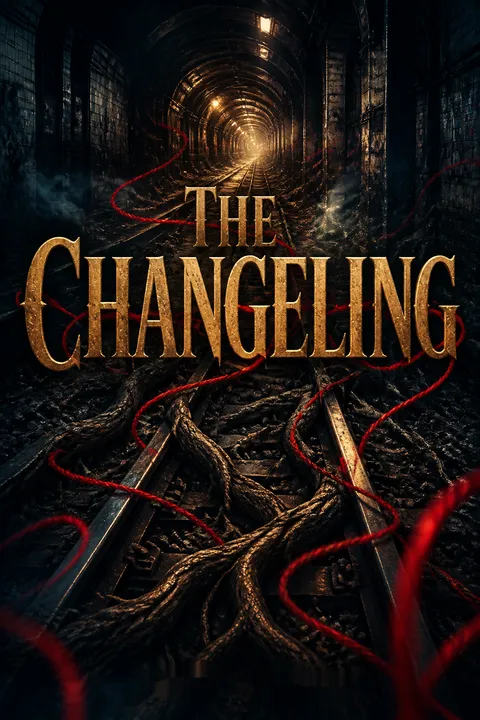
Emma goes into labor during a fancy dinner, and the couple races home on the subway. The A train stalls in the tunnel, and Emma gives birth with Apollo's help, aided by strangers. Their son, Brian, is born in the darkness, a moment of chaos and grace. The birth is both a public spectacle and an intimate miracle, witnessed by a cross-section of New York. The city's wildness and the couple's resilience converge, marking Brian's arrival as both improbable and fated. The moment is a testament to love, community, and the unpredictable magic of life.
Parenthood and Shadows
Parenthood brings joy and exhaustion. Apollo and Emma struggle with sleeplessness, financial worries, and the pressures of modern parenting. Emma battles postpartum depression, haunted by the fear that Brian is not her child. Mysterious texts and photos unsettle her, and she becomes obsessed with protecting Brian, chaining the windows and seeking solace in online mothering forums. Apollo, overwhelmed and increasingly distant, is drawn into the world of rare books and the online spectacle of their family's life. The cracks in their marriage widen, and the shadows of myth and madness creep closer.
The Changeling Revealed
Emma becomes convinced that Brian is a changeling, a child swapped by supernatural forces. Her paranoia escalates, and one night she chains Apollo to a chair and attacks Brian, convinced he is not her son. Apollo is left battered and broken, and Brian is gone. The police and media descend, and Emma disappears. Apollo is arrested after a desperate, armed confrontation at Emma's library. The family's tragedy becomes a public spectacle, and Apollo is left to grapple with grief, guilt, and the possibility that the impossible has happened.
The Wise Ones' Island
After his release from jail, Apollo is drawn into a secret world of women who have committed unthinkable acts against their children. Led by Cal, a charismatic and enigmatic leader, the Wise Ones have created a hidden community on an island in the East River. Here, the rules of the world are different, and the boundaries between myth and reality blur. Apollo learns of the ancient bargains and monstrous legacies that haunt the island. The women's stories are both horrifying and deeply human, revealing the costs of survival and the power of belief.
The Troll's Legacy
Apollo uncovers the history of the Knudsen family, Norwegian immigrants who brought a troll—a monstrous being—across the Atlantic. The troll demands child sacrifices, and generations of Knudsen men have fed it, rationalizing their actions as necessary for survival and prosperity. The troll's lair is hidden in the forest of Queens, and its hunger has shaped the fate of countless children. The legacy of violence, secrecy, and self-justification is laid bare, implicating both the past and the present. The line between victim and perpetrator, love and monstrosity, is blurred.
The Hunt for Emma
Apollo, aided by friends and haunted by enemies, searches for Emma and the truth about Brian. He navigates a city transformed by myth, technology, and surveillance. The internet becomes both a tool and a weapon, as the spectacle of their tragedy is consumed and manipulated by strangers. Apollo confronts the men who profit from the suffering of children, and the monstrous logic that justifies their actions. The search is both literal and symbolic, a journey through grief, guilt, and the possibility of redemption.
The Forest's Secret
Emma is found living in the wilds of Forest Park, transformed by her ordeal into a figure of mythic power. She keeps vigil over the cave where Brian is hidden, refusing to sleep, sustained by rage and love. Apollo and Emma confront the truths of their marriage, their failures, and their hopes. The forest becomes a liminal space, where the rules of the ordinary world no longer apply. The past is confessed, wounds are exposed, and the possibility of forgiveness flickers in the darkness.
The Cave of Bones
Apollo and Emma descend into the cave, a chamber of bones and secrets. They find Brian alive, hidden in a storage bin, but the troll awakens. The cave is a place of horror and revelation, where the legacy of violence and sacrifice is made manifest. The couple must confront the monster, the history that created it, and the choices that have brought them here. The confrontation is both physical and existential, a battle for their child and their souls.
Troll, Sacrifice, and Survival
The troll emerges, blind and enraged, hunting for Apollo and Emma. Using cunning and courage, they distract the monster and rescue Brian from its belly. The troll is destroyed by daylight, turning to stone. The family, battered and transformed, emerges from the darkness. The victory is hard-won, marked by loss, trauma, and the knowledge that survival is never simple. The mythic and the mundane converge, and the family is reborn in the aftermath of violence and love.
Reunion and Reckoning
Apollo, Emma, and Brian return to the world, changed by their ordeal. They wash away the remnants of the past, tend to their wounds, and begin the slow work of healing. The ghosts of their parents, the legacies of violence and love, linger but no longer define them. The family is reunited, not in innocence but in hard-earned understanding. The possibility of happiness is reclaimed, not as a promise but as a daily practice.
Happily Today
The family waits for a bus, uncertain of the future but together. Emma reveals her third wish: a life full of adventure. They board the bus, not to "happily ever after," but to "happily today." The story ends not with closure, but with the ongoing work of love, forgiveness, and survival. The lessons of myth and history are not forgotten, but transformed into the hope of the present. The wildness of the world remains, but so does the possibility of joy.
Analysis
A modern fairy tale of trauma, love, and survivalThe Changeling is a profound meditation on the wildness at the heart of parenthood, the legacies of violence, and the power of stories to both harm and heal. Victor LaValle reimagines the fairy tale for the twenty-first century, blending myth and reality to explore the anxieties of modern life—race, technology, mental health, and the impossible demands of being a "good" parent. The novel refuses easy answers or happy endings, insisting instead on the messy, ongoing work of love, forgiveness, and survival. It interrogates the stories we inherit and the ones we create, exposing the dangers of denial and the necessity of facing the darkness within and without. Ultimately, The Changeling is a story about breaking cycles—of violence, abandonment, and self-deception—and choosing, again and again, to love in the face of uncertainty. Its lesson is not that "happily ever after" is possible, but that "happily today" is enough, and that the wildness of the world can be met with courage, compassion, and the willingness to change.
Review Summary
The Changeling receives mixed reviews (3.76/5) for its genre-blending approach. Readers praise LaValle's literary prose, character development, and skillful merging of modern technology with dark fairy tales and horror. Many appreciate the exploration of fatherhood, race, and social media's dangers. The story follows Apollo Kagwa's quest after a traumatic event disrupts his perfect family life. Critics note pacing issues, an overly long middle section, unexplained plot elements, and tonal inconsistencies. Some found characters difficult to connect with, while others deeply loved them. The fantastical elements and modern setting divide readers.
People Also Read

Characters
Apollo Kagwa
Apollo is the child of immigrants, shaped by trauma, longing, and the magic of stories. His father's disappearance and the mysterious box of "Improbabilia" mark him with a sense of destiny and loss. As a rare book dealer, Apollo seeks meaning and value in the detritus of the world, but his true hunger is for connection and family. His journey is one of self-discovery, as he confronts the legacies of violence, abandonment, and myth. Apollo's psychological arc is defined by his struggle to be a good father, his fear of becoming a monster, and his ultimate willingness to face the darkness for the sake of love.
Emma Valentine
Emma is a librarian, a dreamer, and a woman marked by loss. Her childhood trauma, her journey to Brazil, and the red string of wishes shape her sense of fate and agency. As a mother, she is both loving and haunted, driven to the edge by postpartum depression and the terror of the changeling. Emma's transformation into a witch is both literal and symbolic, a manifestation of her rage, love, and refusal to be powerless. Her relationship with Apollo is fraught but ultimately redemptive, as they confront their failures and reclaim their child. Emma embodies the wildness and resilience of motherhood.
Brian Kagwa
Brian is both a real child and a figure of myth, born in chaos and marked by the possibility of being a changeling. His disappearance and rescue are the axis around which the story turns. Brian represents innocence, vulnerability, and the hope of renewal. His survival is both miraculous and hard-won, a testament to the power of love and the endurance of the human spirit.
Lillian Kagwa
Lillian is a Ugandan immigrant who endures trauma, loss, and the challenges of raising a child alone in a foreign land. Her strength is both a shield and a burden, as she makes difficult choices to protect herself and Apollo. Lillian's relationship with her son is marked by love, guilt, and the struggle to tell the truth. She embodies the complexities of motherhood, sacrifice, and the immigrant experience.
Brian West
Brian is both a loving parent and a figure of abandonment and violence. His disappearance haunts Apollo, and his legacy is one of both love and harm. Brian's actions are shaped by his own trauma and inability to adapt, and his story is a cautionary tale about the dangers of unexamined longing and the costs of failing to change. He is both a victim and a perpetrator, a ghost who shapes the lives of those he leaves behind.
Kim Valentine
Kim is Emma's older sister, a figure of stability and care. She raises Emma after their parents' deaths and becomes her midwife, guiding her through childbirth and crisis. Kim's loyalty is tested by the demands of love and the impossibility of perfect protection. Her choices are shaped by the desire to save her sister, even at the cost of truth and trust. Kim represents the bonds of family, the limits of care, and the necessity of forgiveness.
Cal (Callisto)
Cal is the enigmatic leader of the Wise Ones, a community of women who have committed unthinkable acts. She is both nurturing and ruthless, a figure of myth and reality. Cal's history is marked by trauma, survival, and the refusal to be powerless. She offers sanctuary and judgment, embodying the complexities of justice, vengeance, and the costs of survival. Cal is a mirror for Emma and Apollo, showing them the possibilities and dangers of transformation.
Kinder Garten (William Wheeler)
Kinder Garten is the modern inheritor of the Knudsen family's monstrous legacy. He is both a victim and a perpetrator, rationalizing his crimes as necessary sacrifices. Through technology, he extends the reach of the troll, profiting from the suffering of children and the spectacle of violence. Kinder Garten is a chilling portrait of the banality of evil, the dangers of self-justification, and the monstrousness that can hide behind ordinary faces.
Jorgen Knudsen
Jorgen is the last of the Knudsen line, burdened by guilt and the weight of history. He is both a confessor and a manipulator, seeking absolution while perpetuating the cycle of violence. Jorgen's story is one of complicity, rationalization, and the inability to break free from the past. He is a tragic figure, undone by the very traditions he seeks to uphold.
The Troll
The troll is both a literal monster and a symbol of the destructive legacies passed down through families and societies. It demands sacrifice, feeds on the vulnerable, and perpetuates cycles of harm. The troll's blindness and hunger are metaphors for the ways in which violence and trauma are inherited and justified. Its defeat is both a physical victory and a symbolic breaking of the cycle.
Plot Devices
Fairy Tale Structure and Allusion
The novel is structured as a modern fairy tale, with explicit references to classic stories—Rapunzel, changelings, trolls, and the works of Maurice Sendak. The narrative uses the rhythms and motifs of folklore to explore contemporary anxieties about parenthood, race, technology, and violence. The blending of the mundane and the magical allows the story to operate on multiple levels, inviting readers to question the boundaries between reality and myth, sanity and madness, love and monstrosity.
Unreliable Reality and Glamour
The concept of "glamour"—an illusion that makes things appear other than they are—pervades the novel. Characters are haunted by dreams, memories, and supernatural events that may or may not be real. The changeling myth becomes a metaphor for postpartum depression, parental anxiety, and the ways in which trauma distorts perception. The narrative structure uses foreshadowing, repetition, and shifting perspectives to keep readers off-balance, mirroring the characters' own uncertainty.
Technology as Modern Magic
The novel explores the ways in which technology amplifies both connection and harm. The internet becomes a tool for both community and exploitation, as the family's tragedy is consumed, manipulated, and profited from by strangers. The spectacle of suffering is both ancient and modern, and the novel interrogates the ethics of watching, sharing, and participating in the pain of others. Technology is both a weapon and a mirror, reflecting the monstrousness that can hide in plain sight.
Generational Trauma and Cycles of Violence
The story is haunted by the legacies of violence, abandonment, and self-justification passed down through families and societies. The troll is both a literal monster and a symbol of the ways in which harm is rationalized and perpetuated. The novel interrogates the stories we tell ourselves to survive, the costs of denial, and the possibility of transformation. The breaking of the cycle is hard-won, requiring both confrontation and forgiveness.
About the Author


Download PDF
Download EPUB
.epub digital book format is ideal for reading ebooks on phones, tablets, and e-readers.








































