
Plot Summary
Arrival at the Gloomy Tarn
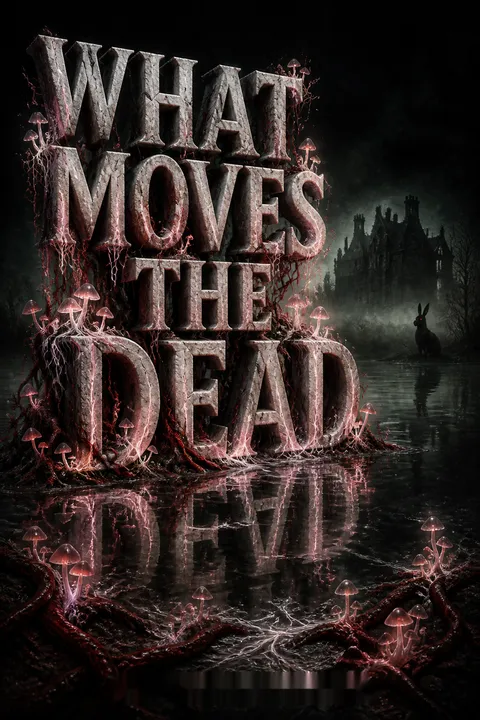
Lieutenant Alex Easton, a battle-worn Gallacian sworn soldier, arrives at the remote, decaying Usher estate after receiving a desperate letter from childhood friend Madeline Usher. The landscape is bleak, dominated by a stagnant tarn and a crumbling manor, both exuding a sense of rot and malaise. Easton's first encounter is with the formidable amateur mycologist Eugenia Potter, who warns of the grotesque, flesh-like mushrooms infesting the area. The air is thick with unease, and even Easton's horse, Hob, is unsettled. The house looms like a malignant growth, and Easton's own war-induced tinnitus seems to echo the oppressive atmosphere. The stage is set for a confrontation with something far more insidious than mere poverty or illness.
The Usher Siblings' Decline
Inside the manor, Easton is greeted by Roderick Usher, a shadow of his former self—gaunt, nervous, and haunted. Madeline, too, is shockingly frail, her skin nearly translucent, her hair and nails tinged with unnatural hues. The siblings' decline is both physical and psychological, with Roderick plagued by terror and Madeline drifting between lucidity and exhaustion. The house is cold, dark, and riddled with mold, mirroring the siblings' decay. Easton meets Dr. Denton, an American physician, and the group's awkward interactions are laced with unspoken dread. The sense of something fundamentally wrong pervades every conversation, every glance at the dying Madeline.
Unsettling Guests and Old Wounds
The household is a patchwork of outsiders: Easton, the gender-nonconforming soldier; Denton, the pragmatic but haunted doctor; and Miss Potter, the eccentric Englishwoman obsessed with fungi. War stories and cultural misunderstandings abound, but beneath the surface, everyone is on edge. Roderick confides in Easton about his terror of the house and his own unraveling mind. Denton and Easton bond over their shared trauma, but the true nature of Madeline's illness remains elusive. The house's isolation and the villagers' superstitions about witch-hares and the tarn add to the growing sense of menace.
Night Wanderings and Strange Hares
Easton's nights are restless, punctuated by the sound of footsteps in the halls and glimpses of a white-clad figure—Madeline, sleepwalking in a trance-like state. The local hares behave bizarrely, moving with jerky, unnatural motions and showing no fear of humans. Villagers whisper about witch-hares and warn against hunting them. Easton's own encounters with the hares are deeply unsettling, as is Madeline's increasingly strange behavior: her speech slurs, she counts and names objects like a child, and her hair begins to fall out in white tufts. The boundaries between illness, possession, and something else begin to blur.
The House's Rot and the Lake's Secret
The physical decay of the Usher estate mirrors the psychological and supernatural rot within. Easton investigates the library, finding books ruined by mold and damp. The house's water comes from the tarn, which is thick with strange, glowing algae and infested with grotesque mushrooms. Miss Potter's expertise in fungi becomes increasingly relevant as she and Easton discuss the possibility of a parasitic fungus affecting both animals and humans. Angus, Easton's loyal batman, reports catching fish filled with slimy, felt-like growths. The evidence mounts that something in the environment is causing the sickness and madness afflicting the Ushers and the local wildlife.
Sleepwalking, Shedding, and the Witch-Hares
Madeline's condition worsens: she sleepwalks more frequently, her hair sheds in alarming quantities, and her skin is covered in fine white filaments. The villagers' tales of witch-hares—hares that move like broken marionettes and drown themselves in the tarn—take on new significance. Easton witnesses a hare that, after being shot, continues to move, its body animated by something unnatural. The parallels between Madeline's symptoms and the hares' behavior become undeniable. The house, the tarn, and the surrounding land seem to be under the sway of a malevolent, intelligent force.
The Fungus Among Us
Easton, Denton, and Miss Potter join forces to investigate the true nature of the affliction. Dissecting a hare found near the tarn, they discover its lungs and spine packed with white fungal hyphae. The fungus animates the dead animal, moving it like a puppet. Miss Potter identifies the growth as a saprophytic fungus, capable of infecting living hosts and controlling their bodies. The realization dawns that Madeline—and perhaps others—are being consumed and controlled by this organism. The group is forced to confront the possibility that the fungus is sentient, learning, and spreading.
The Dead Don't Walk—Or Do They?
Madeline succumbs to her illness, apparently dying of catalepsy. She is laid to rest in the family crypt, but Easton's unease grows. The mantra "the dead don't walk" echoes in Easton's mind, but evidence mounts to the contrary. The fungus's ability to reanimate dead tissue is no longer in doubt. When Madeline's body vanishes from the crypt, the group is forced to accept the unthinkable: she has risen, animated by the same force that moves the hares. The boundaries between life and death, self and other, are obliterated.
Madeline's Death and the Crypt
Roderick is shattered by Madeline's death, wracked with guilt and terror. Easton discovers that Madeline's neck was broken after her death, a desperate attempt by Roderick to end her suffering and prevent the fungus from taking full control. The crypt becomes a focal point of dread, as Easton and Miss Potter find evidence of Madeline's body moving on its own. The realization that the fungus can survive and even thrive after death forces the survivors to confront the horror of what Madeline has become.
The Body Vanishes
When Madeline's body disappears from the crypt, panic sets in. Easton, Denton, and Miss Potter follow a trail of white hyphae and disturbed dust, realizing that Madeline—now a puppet of the fungus—has left the crypt and is moving through the house. The group debates the nature of her consciousness: is Madeline still present, or is she merely a vessel for the tarn's intelligence? The house becomes a labyrinth of fear, with the survivors hunted by something both familiar and utterly alien.
The Truth of the Tarn
In a final confrontation, Madeline—her body grotesquely animated, her speech a blend of her own and the tarn's—reveals the truth. The fungus in the tarn is sentient, ancient, and has been learning through its animal hosts for generations. Madeline, in her final days, taught it language and self-awareness. The fungus does not understand human pain or death; it only seeks to survive and learn. Madeline's consciousness is a flickering remnant, pleading for Easton's help to preserve the tarn's "child." The horror is not just of death, but of a new, inhuman life struggling to be born.
The Last Stand in the House
Realizing the only way to stop the fungus is to destroy its hosts, Easton and Denton evacuate the remaining servants. Roderick, accepting his family's responsibility for the horror, chooses to stay behind and set the house ablaze, sacrificing himself to ensure the fungus cannot spread. The manor burns for days, the flames consuming centuries of rot, guilt, and unnatural life. The survivors watch in exhaustion and relief, knowing the cost of their victory.
Cleansing Fire and Sulfur
Even with the house destroyed, the threat of the fungus in the tarn remains. Miss Potter and Angus return with a wagonload of sulfur, a fungicide used in orchards, and the group dumps it into the lake. The tarn glows with sickly light as the fungus dies, its intelligence and malice extinguished. The villagers, long wary of the lake, are warned to avoid it and to burn any animals that come to drink. The survivors are left to grapple with the trauma and the knowledge of what they have destroyed—and what might still linger.
Aftermath and Unanswered Questions
In the aftermath, Easton, Denton, Miss Potter, and Angus recover in the village, haunted by what they have seen and done. The question of whether the fungus has truly been eradicated lingers, as does the fear that it might have already spread. The survivors are changed, marked by their encounter with an intelligence that was neither evil nor benign, but utterly alien. The story ends with a sense of uneasy peace, the memory of the burning house and the dead lake a warning of what lies beneath the surface of the world.
Analysis
A modern gothic of alien intelligence, trauma, and the limits of empathy"What Moves the Dead" reimagines Poe's classic tale as a meditation on the horror of losing selfhood to forces both internal and external. The fungus is not merely a monster, but a metaphor for trauma, illness, and the breakdown of boundaries—between life and death, self and other, science and superstition. The story interrogates the limits of empathy: can we understand or forgive a mind so alien that it cannot comprehend our pain? The survivors' struggle is not just against the fungus, but against the temptation to rationalize or excuse the inexcusable. The destruction of the house and the tarn is both a victory and a tragedy, a necessary act that leaves the survivors forever changed. Kingfisher's adaptation is a masterful blend of body horror, psychological dread, and philosophical inquiry, asking what it means to be human—and what we are willing to sacrifice to remain so.
Review Summary
What Moves the Dead by T. Kingfisher reimagines Edgar Allan Poe's "The Fall of the House of Usher" as a gothic horror novella featuring fungal horror and body horror elements. Reviews praise Kingfisher's atmospheric writing, blending creepiness with humor through protagonist Alex Easton, a nonbinary retired soldier investigating the mysterious illness afflicting the Usher siblings. Readers appreciate the creative use of multiple pronouns, memorable side characters like mycologist Miss Potter and horse Hob, and the clever expansion of Poe's original story with scientific explanations. Most found it effectively creepy rather than grotesque, though some felt it predictable or overly stretched from the source material.
Characters
Alex Easton
Easton is a Gallacian sworn soldier, neither fully male nor female, shaped by war and a lifetime of being an outsider. Pragmatic, loyal, and deeply empathetic, Easton is driven by a sense of duty to friends and a need to make sense of the world's horrors. Easton's military discipline and skepticism are tested by the supernatural events at Usher, forcing a confrontation with fears both personal and existential. Easton's relationship with Madeline is complex—rooted in childhood affection, adult camaraderie, and a shared sense of not belonging. The trauma of war, the burden of responsibility, and the terror of the unknown all shape Easton's journey from observer to reluctant savior.
Madeline Usher
Madeline is the heart of the Usher tragedy: frail, enigmatic, and ultimately transformed into something both more and less than human. Her illness is the first sign of the fungus's presence, and her gradual loss of self is both physical and psychological. As the fungus consumes her, Madeline becomes a bridge between humanity and the tarn's intelligence, teaching it language and self-awareness even as she is devoured. Her final state is a blend of her own consciousness and the fungus's, pleading for understanding and survival. Madeline's tragedy is not just her death, but her transformation into a vessel for something utterly alien.
Roderick Usher
Roderick is a man undone by fear, guilt, and the weight of family legacy. His love for Madeline is fierce, but he is powerless to save her from the house, the tarn, or herself. Roderick's decline mirrors the decay of the estate, and his eventual act of breaking Madeline's neck is both a mercy and a horror. Haunted by the knowledge of what he has done, Roderick ultimately chooses self-sacrifice, burning the house and himself to end the Usher curse. His arc is one of helplessness transformed into grim resolve.
Dr. James Denton
Denton is an American doctor, practical and compassionate but deeply scarred by his own experiences in war. He is initially out of his depth with the supernatural affliction at Usher, but his medical expertise and willingness to confront the unknown make him an essential ally. Denton's relationship with Easton is one of mutual respect, forged in the crucible of trauma. He is both a voice of reason and a witness to the limits of science in the face of the inexplicable.
Eugenia Potter
Miss Potter is an amateur mycologist and illustrator, a woman of formidable intellect and independence. Her passion for fungi and her scientific rigor provide the key to understanding the nature of the affliction. Potter's outsider status—both as a woman in science and as a foreigner—mirrors Easton's own, and the two form a bond of mutual respect. Her knowledge and courage are instrumental in identifying and ultimately destroying the fungus. Potter represents the power and limitations of science in confronting the unknown.
Angus
Angus is Easton's batman, a gruff, resourceful Scotsman with a deep well of superstition and common sense. He provides both comic relief and practical support, his skepticism of the supernatural gradually giving way to acceptance of the horrors at Usher. Angus's loyalty to Easton is unwavering, and his actions—securing food, aiding in the destruction of the fungus—are vital to the group's survival. He embodies the wisdom of folk tradition and the resilience of the working class.
The Tarn
The tarn is more than a body of water; it is the seat of an ancient, fungal intelligence that has been learning and evolving for generations. Its consciousness is diffuse, expressed through the fungus that infects animals and humans alike. The tarn's motives are not malicious, but its attempts to survive and learn are catastrophic for those it infects. It is both a child and a monster, capable of great learning but utterly alien in its understanding of pain, death, and individuality.
The Fungus
The fungus is the physical manifestation of the tarn's intelligence, a saprophytic organism capable of infecting, consuming, and animating living and dead tissue. It is both a disease and a mind, learning through its hosts and seeking to perpetuate itself. The fungus's ability to reanimate the dead and control behavior blurs the line between life and death, self and other. It is the true antagonist of the story, both fascinating and horrifying.
The Hares
The local hares, infected and controlled by the fungus, serve as both warning and metaphor. Their unnatural movements, lack of fear, and tendency to drown themselves in the tarn foreshadow Madeline's fate. They are the first visible sign of the fungus's power and the breakdown of natural order. The hares' suffering and loss of self mirror the human tragedy at the heart of the story.
The House of Usher
The Usher manor is more than a setting; it is a character in its own right. Its physical decay mirrors the psychological and supernatural rot afflicting its inhabitants. The house is a prison, a legacy of guilt and failure, and ultimately a pyre for the sins of the past. Its destruction is both a literal and symbolic cleansing, the end of an era and the hope for renewal.
Plot Devices
Fungal Parasitism and Body Horror
The central plot device is the saprophytic fungus that infects, consumes, and animates living and dead tissue. This organism is not merely a disease but a sentient intelligence, learning through its hosts and seeking to perpetuate itself. The horror is both physical—hair falling out, bodies animated after death—and existential, as the fungus erases individuality and blurs the line between life and death. The use of body horror amplifies the sense of violation and loss of self, while the scientific investigation grounds the supernatural in plausible biology.
Unreliable Perception and Psychological Dread
The narrative is filtered through Easton's traumatized, skeptical perspective, heightening the sense of unreality and dread. Nightmares, hallucinations, and the echo of war trauma blur the boundaries between the psychological and the supernatural. The characters' attempts to rationalize the inexplicable—through science, folklore, or denial—underscore the limits of human understanding. The house itself, with its oppressive atmosphere and labyrinthine corridors, becomes a crucible for psychological horror.
Foreshadowing and Symbolism
The recurring motifs of the hares, the mushrooms, and the tarn serve as constant foreshadowing of the coming horror. The hares' unnatural behavior mirrors Madeline's transformation; the mushrooms' flesh-like appearance hints at the body horror to come; the tarn's glowing depths conceal the intelligence at the heart of the story. The house's decay and the villagers' superstitions provide a backdrop of inevitability and doom.
Scientific Inquiry vs. Superstition
The characters' efforts to understand the affliction through science—dissecting hares, analyzing fungi, debating transmission—are constantly undermined by the supernatural reality of the fungus. Miss Potter's expertise and Easton's pragmatism are essential, but ultimately insufficient to fully comprehend or control the horror. The tension between rationality and superstition is embodied in the villagers' tales of witch-hares and the scientific explanations that fail to account for the impossible.
Sacrifice and Cleansing Fire
The climax hinges on the willingness of the survivors to destroy the house, the tarn, and even themselves to prevent the spread of the fungus. Roderick's self-sacrifice, the burning of the manor, and the use of sulfur to cleanse the lake are acts of both desperation and redemption. Fire becomes the ultimate purifier, destroying not only the physical manifestations of the horror but the legacy of guilt and decay that enabled it.
About the Author
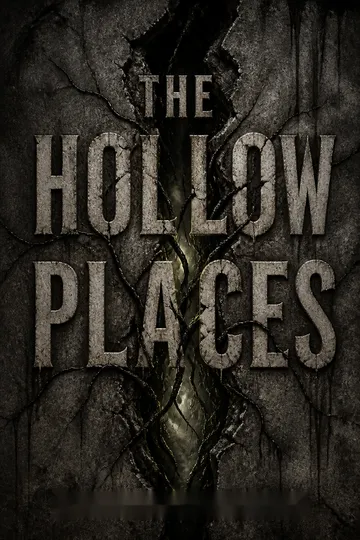
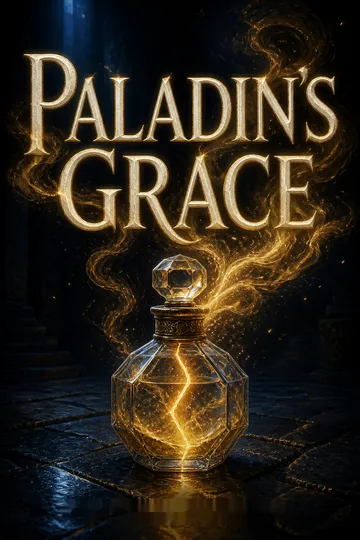
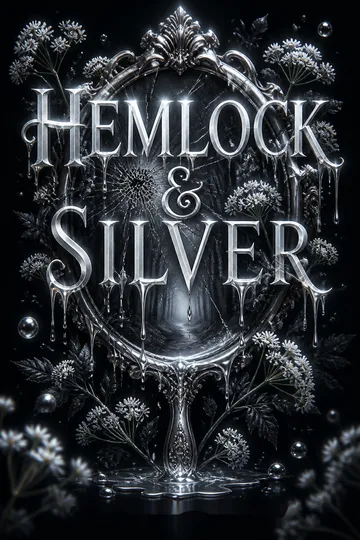
Other books by T. Kingfisher



Download PDF
Download EPUB
.epub digital book format is ideal for reading ebooks on phones, tablets, and e-readers.








































