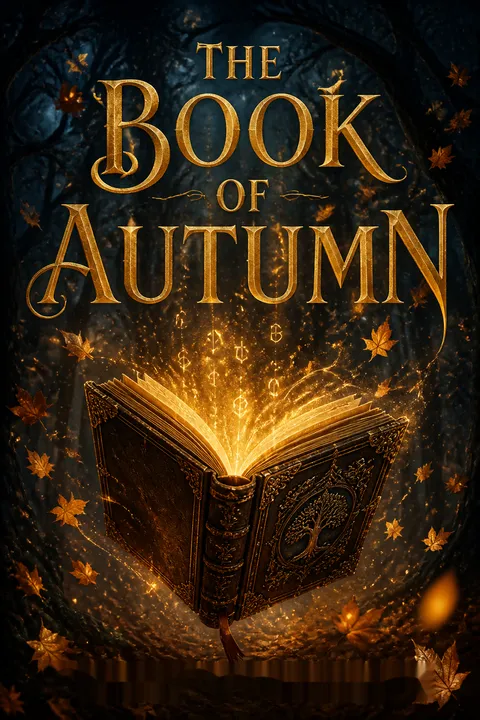

Plot Summary
Return to Marble County
Marcella "Cella" Gibbons returns to her alma mater, Seinford and Brown College, in the parched heart of New Mexico. She's been summoned by Dr. Robetresse to investigate a mysterious incident involving Magic—something she's tried to escape for years. Accompanied by her loyal husky, Bear, Cella is drawn back into a world she left behind, full of memories of her brother Aaron's death and her own catastrophic failures. The campus, once a cattle ranch, is now a haven for young Magicians, but its adobe walls and twisted halls seem to pulse with secrets. Cella's return is not just a physical journey but an emotional reckoning with the place that shaped and scarred her.
The Floating Girl
Cella is led to the campus infirmary, where she encounters Danica Stewart, a student levitating above her bed, covered in scars and speaking in tongues. The room is thick with fear and religious symbols, and the staff are desperate for answers. Danica's condition is inexplicable—neither medical nor wholly Magical. Cella's expertise in Object Theory is called upon, but she's unprepared for the chilling presence of the girl, whose cryptic words and unnatural state hint at a deeper, more dangerous Magic at work. The encounter leaves Cella shaken, sensing that the true threat is only beginning to reveal itself.
Council of Magicians
At a tense meeting, the school's council—an assembly of powerful Magicians—debates the crisis. Dr. Robetresse reveals the brutal murder of Maya Hagood and the suspicion that Danica, her lover, is responsible, possibly under a hex. The council is split between fear of exposure and the need for truth. Cella and her former partner, Max, are tasked with investigating through Object Theory, their unique bond as dimidiums making them the best hope. The council's politics and old grudges complicate matters, and Cella feels the weight of expectation and her own unresolved past with Max.
Shadows of the Past
As Cella settles into her old dorm, memories of her brother Aaron's suicide and her own Magical meltdown resurface. Her relationship with Max is fraught with unspoken pain and longing. The investigation forces her to confront not only the trauma of her past but also the ways she's tried to run from herself. The campus is both familiar and alien, filled with echoes of friendships, betrayals, and the ever-present threat of losing control. Cella's struggle is not just with the case but with forgiving herself and finding a place in a world that feels both home and exile.
The Investigation Begins
Cella and Max begin interviewing students and staff, uncovering the complex relationship between Danica and Maya. Maya was beloved, outgoing, and envied; Danica, quiet and isolated. Rumors swirl about jealousy, forbidden love, and possible manipulation by faculty. The investigation reveals a campus rife with secrets, rivalries, and the subtle cruelties of youth. Object Theory provides glimpses into the emotional states of those involved, but the truth remains elusive. The more they learn, the more Cella senses that the Magic at play is ancient and volatile.
Secrets in the Observatory
Dr. Strauss, Danica's advisor, becomes a person of interest. His reputation for charm and boundary-pushing is matched by rumors of inappropriate relationships and dangerous Magical experiments. In the observatory, Cella senses both the allure and the threat he poses. The objects in his office, especially a damaged telescope, pulse with residual Magic and trauma. The investigation into Strauss exposes the blurred lines between mentorship and manipulation, and the ways ambition can twist even the most gifted. Cella and Max's partnership is tested as suspicion and old feelings collide.
Objects and Memories
Cella delves deeper into Object Theory, using Danica's telescope to access her emotional state before the murder. The experience is overwhelming, pulling Cella into visions of darkness, forests, and a relentless search for something just out of reach. The process reveals Danica's intense focus and possible obsession, but also the dangers of touching Magic so raw and unfiltered. Cella's own objects—her brother's mug, a leather cord—anchor her, but the investigation blurs the line between empathy and self-destruction. The objects become both clues and mirrors to the investigators' own wounds.
The Unseen Divide
As the investigation stalls, Cella and Max's unresolved issues come to the fore. Their bond as dimidiums is both a source of strength and vulnerability, making it impossible to hide their true feelings. The campus grows more hostile, with students and staff wary of the investigation and the threat it poses to their reputations. Cella's encounters with rivals like Luce Montgomery and the enigmatic Basile Samir reveal deeper divisions within the Magical community. The sense of isolation intensifies, and Cella must decide whether to trust her instincts or retreat once more.
The Friend and the Foe
Dr. Rose Oswold, a young professor with a mysterious past, emerges as a possible suspect. Her relationship with Maya is ambiguous, and her objects betray a mind in turmoil. Meanwhile, the fraternity Phi Katharos, led by Basile, is implicated in cult-like activities and dangerous Magical experiments. The investigation uncovers a web of manipulation, ambition, and the seductive promise of power. Cella is drawn to Basile's charisma and his Reality Paradox theory, even as Max warns her of the dangers. The line between friend and foe blurs, and the true enemy remains hidden in plain sight.
Hexes and Dimidiums
Research into hexes reveals that Danica's condition is the result of a powerful, possibly ancient spell—one that unbinds a Magician from their objects, leaving them vulnerable to raw Magic. The history of dimidiums—Magicians whose souls are split and only whole together—mirrors Cella and Max's own struggles. The investigation becomes a race against time, as the effects of the hex threaten to become permanent. The discovery of a secret society, the Order of Autumn, and their obsession with unbinding the soul, points to a conspiracy that reaches back centuries.
Ancient Magic, Modern Wounds
Cella's research uncovers the legacy of the Order of Autumn, a Pythagorean mystery school obsessed with immortality and the perfection of the soul. The Book of Autumn, a lost grimoire, becomes the key to understanding the current crisis. The society's rituals, sacrifices, and belief in the world of Being echo through the present, as students are drawn into dangerous experiments. Cella's own past with the Order, her brother's involvement, and the trauma of unbinding herself from Max come to light. The investigation is no longer just about saving Danica, but about stopping a cycle of destruction.
The Rival's Warning
Luce Montgomery, once Cella's bitter rival, becomes an unexpected ally. Her research into fungi and her own Magical experiments provide crucial insights into the nature of the hex and the dangers of unbinding. As more students fall victim to the spell, the urgency intensifies. The investigation reveals the cost of ambition, the pain of isolation, and the necessity of community. Cella and Luce's reconciliation is hard-won, built on mutual respect and shared suffering. The warning is clear: the pursuit of power without compassion leads only to ruin.
The Fraternity's Shadow
The investigation leads Cella and Max into the heart of Phi Katharos, where they uncover evidence of cult-like rituals, sacrifices, and the use of forbidden Magic. The discovery of a hidden cave, a body, and the objects of the victims confirms their worst fears. The fraternity's obsession with the Reality Paradox and the world of Being has unleashed forces beyond their control. The brothers' willingness to sacrifice others for their own transcendence exposes the dark side of the quest for immortality. Cella realizes that the only way to stop the spread of the hex is to confront the Order directly.
Into the Canyon
With time running out, Cella and Max venture into the canyon to find Danica's third object, the key to reversing the spell. The journey is perilous, both physically and emotionally, as they confront the reality of what the Order has done—to Danica, to Emma Garcia, and to Aaron. The canyon becomes a metaphor for the depths of grief, guilt, and the unknown. The discovery of the object is both a triumph and a reminder of the cost of Magic. The descent is not just into the earth, but into the heart of what it means to be human.
The Book of Autumn
The Book of Autumn, hidden in Basile's office, is revealed to be a grimoire of immense power and peril. Its pages, written in ancient symbols and fragmented translations, detail the rituals of unbinding and binding the soul. The book's history is one of secrecy, sacrifice, and the relentless pursuit of knowledge. Cella's study of the text is both a scholarly endeavor and a personal reckoning, as she confronts the legacy of the Order and her own role in the unfolding tragedy. The book offers a path to salvation, but at a terrible risk.
Unbinding the Soul
The ritual of unbinding, meant to free the soul from the limitations of objects, is revealed to be a double-edged sword. Those who undergo it become vessels for raw Magic, losing themselves to its destructive force. Danica's suffering is mirrored in Cella's own past, as she recalls her own unbinding and the pain it caused. The realization that the only way to save Danica is to rebind her soul to her objects sets the stage for a final, desperate act. The cost of freedom is high, and the danger of unchecked power is made manifest.
The Order Revealed
The truth about the Order of Autumn and Basile's role is brought to light in a dramatic confrontation. The council, the students, and the brothers are forced to face the consequences of their actions. Basile's charisma and manipulation are exposed, but not before more lives are endangered. The battle between the council and the Order is both Magical and moral, a struggle for the soul of the community. Cella's courage and clarity become the catalyst for change, as she refuses to be silenced or swayed by promises of power.
The Binding Spell
With the help of Max and the community, Cella prepares to perform the binding spell, the only hope for saving Danica, Luce, Vern, and herself. The ritual is a test of strength, trust, and sacrifice. Each participant must give up an object of deep personal meaning, willingly diminishing their own Magic to save another. The spell is both a Magical act and a communal one, a testament to the power of connection and the necessity of limits. The struggle is harrowing, pushing Cella to the brink of death and beyond.
Sacrifice and Salvation
The binding spell succeeds, but not without loss. Objects are shattered, Magic is diminished, and the scars of the ordeal remain. Yet, in the aftermath, there is healing. Relationships are mended, new objects are found, and the community is strengthened by the shared sacrifice. Cella reconciles with her past, forgives herself, and finds a sense of belonging she thought lost. The lessons of The Book of Autumn are clear: power without compassion is ruinous, but love, limits, and community can redeem even the deepest wounds. The story ends not with triumph, but with hope—a quiet affirmation that, despite everything, humanity is worth believing in.
Analysis
A modern fable of power, trauma, and communityThe Book of Autumn is a meditation on the dangers of unchecked ambition, the seduction of power, and the necessity of limits—both Magical and personal. Through its intricate plot and deeply human characters, the novel explores how trauma, grief, and the longing for belonging can make individuals vulnerable to manipulation and self-destruction. The Magic system, rooted in personal objects and the bonds between people, serves as a metaphor for the ways we anchor ourselves in love, memory, and community. The story warns against the pursuit of transcendence at the expense of empathy, showing that true strength lies not in domination but in connection and sacrifice. Ultimately, the novel is a call to embrace imperfection, to find meaning in the ordinary, and to believe in the possibility of healing—even after the deepest wounds. It is a story for anyone who has ever felt lost, overlooked, or broken, and a reminder that, together, we can find our way home.
Review Summary
The Book of Autumn receives mixed reviews, with an overall 3.44 rating. Readers praise its unique academic format with footnotes, dark academia atmosphere, and New Mexico desert setting. Many appreciate the dimidium magic system and the second-chance romance between Cella and Max. However, critics cite slow pacing, lack of magic in the first 75%, frustrating investigation sequences, and an incomplete ending. Several reviewers note the disconnect between expectations and execution. The writing style and research into real arcane texts earn widespread appreciation, though some find the footnotes distracting in ebook format.
People Also Read


Characters
Marcella "Cella" Gibbons
Cella is a gifted Magician and anthropologist, defined by her expertise in Object Theory and her deep sense of guilt over her brother Aaron's suicide and her own Magical failures. Her relationship with Magic is fraught—both a source of wonder and trauma. As a dimidium, her soul is split, only whole with Max, yet she fears dependence and loss of self. Cella's journey is one of self-forgiveness, learning to trust others, and accepting that vulnerability is not weakness. Her empathy drives the investigation, but it is her willingness to confront her own darkness that ultimately saves her and those she loves.
Maximilian "Max" Middlemore
Max is Cella's former lover and Magical counterpart, his strength and charm masking deep insecurities and longing. As a dimidium, his Magic is bound to Cella, making their partnership both powerful and painful. Max's rural roots and practical wisdom ground the investigation, but his unresolved feelings for Cella and his own family burdens complicate matters. He is fiercely protective, sometimes to a fault, and struggles with letting go of control. Max's arc is one of learning to trust, to let go, and to love without possession. His sacrifice and steadfastness are crucial to the story's resolution.
Danica Stewart
Danica is a brilliant but isolated student, whose unbinding from her objects leaves her a conduit for raw, destructive Magic. Her relationship with Maya is passionate but fraught, and her suffering is both physical and existential. Danica's condition is a mirror for the dangers of unchecked ambition and the pain of being unseen. Her journey is one of being both monster and martyr, a warning and a plea for compassion. Through her, the story explores the cost of power, the need for connection, and the possibility of redemption even for the most lost.
Dr. Thea Robetresse
As the head of Seinford and Brown, Dr. Robetresse is a trailblazer in making Magic accessible and safe. Her commitment to the Three Arts and to her students is unwavering, but she is haunted by the weight of responsibility and the fear of failure. Robetresse's pragmatism and moral clarity guide the investigation, but her own secrets and past mistakes complicate her role. She is both mentor and gatekeeper, embodying the tension between tradition and progress. Her willingness to trust Cella and the community is key to the story's hopeful resolution.
Basile Samir
Basile is the enigmatic head of Phi Katharos and the modern incarnation of the Order of Autumn. His intelligence, charm, and Reality Paradox theory make him a magnet for lost and ambitious souls. Basile's obsession with unbinding and the world of Being drives the central conflict, as he manipulates others for his vision of transcendence. He is both visionary and villain, embodying the dangers of unchecked charisma and the seductive promise of power. Basile's downfall is a cautionary tale about the cost of ignoring limits and the humanity of others.
Luce Montgomery
Luce is Cella's former adversary, a brilliant mycologist whose own Magical experiments parallel the main plot. Her initial antagonism masks deep wounds and a fierce independence. As the crisis unfolds, Luce's expertise and courage become invaluable, and her reconciliation with Cella is a testament to the power of forgiveness and collaboration. Luce's journey is one of transformation, from bitterness to belonging, and her survival is both literal and symbolic—a reminder that even the most damaged can find healing.
Dr. Antony Strauss
Strauss is a once-revered professor whose boundary-pushing and personal failings make him both suspect and victim. His relationship with Danica is complex, marked by genuine care but also by the dangers of unchecked authority. Strauss's own Magical experiments leave him scarred, a living warning of the cost of ambition without restraint. His arc is one of regret, humility, and the painful necessity of letting go.
Vern Fernara
Vern is the campus librarian and a subtle Magician, whose ability to find lost things is both literal and metaphorical. He provides Cella with wisdom, comfort, and a sense of home. Vern's victimization by the hex is a turning point, galvanizing the community to action. His survival and continued presence are a testament to the power of kindness and the importance of the overlooked.
Maya Hagood
Maya is the vibrant, popular student whose murder sets the story in motion. Her relationship with Danica is passionate but complicated, marked by both love and the pressures of conformity. Maya's death exposes the fragility of youth, the dangers of secrets, and the ripple effects of violence. She is both a symbol of what is lost and a reminder of what is at stake.
Dr. Amy Nguyen
Dr. Nguyen is a council member and professor whose empathy and pragmatism provide balance to the more volatile personalities. Her knitting and gentle presence are a source of comfort, and her willingness to listen and adapt is crucial to the community's survival. She represents the quiet, sustaining power of care and collaboration.
Plot Devices
Object Theory and Dimidiums
The narrative's core device is Object Theory: Magic is safely practiced only through objects of deep personal significance, which absorb excess power and protect the caster. The concept of dimidiums—Magicians whose souls are incomplete without their counterpart—adds a layer of emotional and Magical interdependence. This device allows for both intimate character exploration and high-stakes Magical conflict. The unbinding ritual, which severs the connection to objects, becomes the story's central threat, unleashing raw Magic and endangering the soul. The interplay of objects, memory, and identity is woven throughout, making every Magical act a reflection of character and theme.
The Book of Autumn and Ancient Orders
The Book of Autumn serves as both MacGuffin and thematic anchor—a text of ancient, cryptic spells that promises transcendence but delivers destruction. Its history, tied to the Order of Autumn and Pythagorean philosophy, provides a rich backdrop of esoteric lore and the perennial human quest for immortality and control. The book's fragmented, coded nature mirrors the fractured souls of the characters, and its rituals drive the plot's escalation. The secret society's rituals, sacrifices, and manipulation of vulnerable students echo real-world cult dynamics, grounding the fantasy in psychological realism.
Foreshadowing and Narrative Structure
The story employs a layered structure, with journal entries, footnotes, and multiple points of view providing depth and foreshadowing. Early hints—such as the floating girl, the cryptic symbols, and the fractured relationships—build tension and anticipation. The gradual revelation of the Order's history and the true nature of the hex is paced to maximize suspense and emotional impact. The use of dreams, visions, and Magical experiences blurs the line between reality and the supernatural, reflecting the characters' psychological states and the story's central questions about power, connection, and the cost of knowledge.
Download PDF
Download EPUB
.epub digital book format is ideal for reading ebooks on phones, tablets, and e-readers.








































