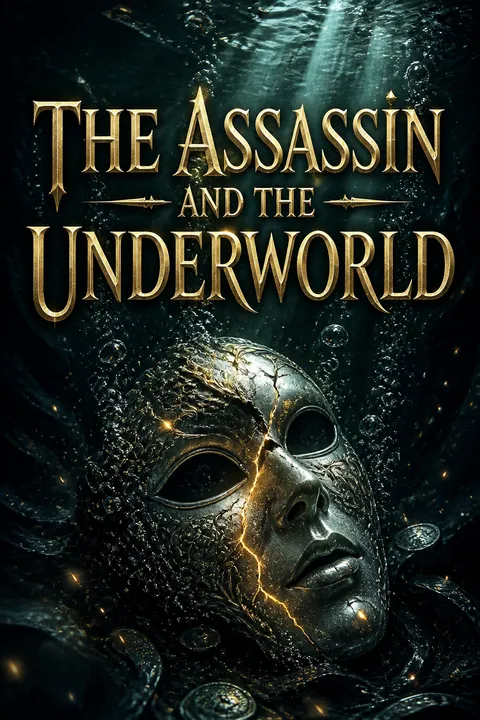

Plot Summary
Return to Assassin's Keep
Celaena Sardothien, Adarlan's most notorious assassin, returns to the Assassin's Keep in Rifthold after months away in the Red Desert. She carries a letter of approval from the Mute Master, proof she has completed her training and earned her freedom. The Keep is silent, and her entrance is met only by Wesley, Arobynn Hamel's loyal manservant. The memory of Arobynn's brutal punishment for her past defiance lingers, but Celaena is determined to reclaim her autonomy. She plans to repay her debt to Arobynn with gold earned in the desert, severing the ties that have bound her for years. The tension between mentor and protégé is palpable, setting the stage for a confrontation that will test loyalty, pride, and the cost of freedom.
Gifts and Old Wounds
In Arobynn's ornate study, Celaena expects a dramatic confrontation but is met with calculated indifference. Arobynn offers a strained apology for his violence, presenting her with lavish gifts—a brooch, hair combs, and a custom suit of armor. The gifts are both olive branch and chain, reminders of his power over her. Their relationship is a tangled web of affection, betrayal, and control. Celaena's resolve wavers as she confronts the man who shaped her into a weapon, yet also wounded her deeply. The emotional scars are as fresh as the physical ones, and the line between forgiveness and manipulation blurs, leaving Celaena uncertain of her next move.
The Mission Unveiled
Arobynn offers Celaena a new mission: assassinate Benzo Doneval, a Melisande businessman plotting to expand the slave trade, and retrieve incriminating documents. The job is presented as a chance to strike a blow against slavery, aligning with Celaena's own values. But the assignment is layered with intrigue—Doneval's partner is unknown, and the documents could expose those secretly working to free slaves. The mission's moral ambiguity gnaws at Celaena, who must weigh her desire for independence against the risk of being used as a pawn in a larger, shadowy game. Accepting the job, she steps into a labyrinth of deception.
Rivalries and Resentments
As Celaena settles back into the Keep, she encounters Sam Cortland, her rival-turned-ally, and Lysandra, a courtesan whose presence stirs jealousy and old grudges. The tension between Celaena and Lysandra is electric, fueled by years of competition and Arobynn's favoritism. Sam's loyalty is tested as he navigates his own complicated feelings for Celaena and his role in the Keep. The emotional landscape is fraught with unspoken desires, past betrayals, and the ever-present threat of violence. These relationships, both toxic and tender, shape Celaena's sense of belonging and her struggle to trust.
The Melisande Intrigue
The Melisande convoy arrives in Rifthold, bringing with it a swirl of political maneuvering and lavish festivities. At a grand party hosted by Leighfer Bardingale, Doneval's former wife and secret employer, Celaena dons a mask of innocence to get close to her target. She flirts and schemes, extracting the crucial detail of Doneval's secret meeting time. The party is a spectacle of excess, but beneath the surface, alliances shift and secrets are traded. Celaena's performance is both a weapon and a shield, allowing her to navigate the treacherous waters of court intrigue while keeping her true intentions hidden.
Masks and Music
Amidst the mission's tension, Celaena finds solace in music and the theater. A performance moves her to tears, exposing a rare vulnerability. Sam, recognizing her longing, gifts her the sheet music, deepening their bond. The theater becomes a space where Celaena can momentarily shed her assassin's mask and remember the girl she once was. Yet, even in these moments of beauty, the shadows of her mission and the complexities of her relationships intrude. The interplay of art and violence, longing and loss, underscores the emotional stakes of her journey.
Shadows on the Rooftops
Celaena and Sam stake out Doneval's heavily guarded house, braving rain and exhaustion to map its defenses. Their partnership is tested by proximity and unresolved feelings, as banter gives way to confessions and jealousy. The surveillance is both a tactical necessity and an emotional crucible, forcing them to confront the depth of their connection. As they track Doneval's bodyguard through the city's alleys and sewers, the line between professional collaboration and personal longing blurs, setting the stage for revelations that will change everything.
Sewer Betrayal
Attempting to infiltrate Doneval's study, Celaena is ambushed by guards and knocked unconscious. She awakens bound in the city's sewers, water rising around her as the tunnels are flooded. Facing death, she uses her wits and the hidden blades in her suit to escape her bonds, crawling through filth and darkness toward a distant grate. As the water rises, panic threatens to overwhelm her, but she clings to life with ferocious determination. At the last moment, Sam finds her and, with the help of passersby, wrenches the grate open, saving her from drowning. The ordeal leaves Celaena shaken, her vulnerability laid bare.
Rescue and Reckoning
After her harrowing escape, Celaena is consumed by the need to cleanse herself—physically and emotionally. Sam's rescue forges a deeper bond between them, as gratitude and guilt mingle with unspoken affection. In the quiet aftermath, Celaena confides in Sam about her past betrayals and the scars she carries. Their shared pain becomes a source of strength, and Celaena's resolve hardens. The mission is now personal, and those who tried to kill her will not escape her wrath. The experience marks a turning point, transforming her from a pawn to a player in the deadly game.
Truths and Confessions
As the mission's climax approaches, Celaena and Sam's partnership deepens into love. Confessions spill forth in the darkness of the sewers, where Sam reveals his intention to leave Rifthold, unable to endure Arobynn's manipulations any longer. Celaena, confronted with the prospect of losing him, admits her own feelings. Their first kiss is a moment of fierce tenderness, a promise of a future beyond blood and betrayal. The emotional stakes are now as high as the physical danger, and both must decide what they are willing to risk for freedom and for each other.
The Final Infiltration
With the plan set, Celaena infiltrates Doneval's house through the sewers, using the chaos of a staged fire as cover. She discovers the hidden documents—lists of safe houses and names of those working to free slaves. The realization that these people's lives hang in the balance sharpens her sense of purpose. As the meeting begins, Celaena hides, waiting for the perfect moment to strike. The tension is electric, every sound and shadow a potential threat. The mission's success depends on her skill, timing, and the trust she places in Sam.
Blood and Ashes
The confrontation explodes into violence as Celaena kills Doneval and faces his bodyguard, Philip. In the ensuing fight, truths are revealed—Doneval may have been working to help slaves, not exploit them. Philip's dying words cast doubt on everything Celaena has been told. The partner, cornered, burns his own documents and takes poison rather than let the information fall into the wrong hands. The victory is hollow, tainted by uncertainty and the possibility that Celaena has been manipulated into destroying allies rather than enemies. The cost of her actions weighs heavily.
The Price of Freedom
With the mission complete, Celaena delivers the documents to Arobynn and pays off her debt with the gold she earned in the desert. She is, at last, free from his financial hold. Yet the triumph is bittersweet—her actions have unintended consequences, and the web of deception is thicker than ever. The sense of liberation is undercut by the realization that freedom is not as simple as severing a single tie. The emotional and moral debts remain, complicating her path forward.
Arobynn's Last Betrayal
Arobynn reveals the true nature of the mission: there was never a slave-trade agreement. The documents Celaena retrieved will be used to blackmail and control those fighting against slavery, not to help them. Worse, Arobynn has spent Celaena's hard-earned gold to purchase Lysandra's virginity at her Bidding, a final act of cruelty designed to wound Celaena deeply. The betrayal is complete, and Celaena's last illusions about her mentor are shattered. She declares her intention to leave the Keep for good, severing the toxic bond that has defined her life.
Choosing a New Path
Determined to forge her own destiny, Celaena moves into her new apartment, taking Sam with her. The act is both practical and symbolic—a rejection of Arobynn's control and a step toward self-determination. The city, once a place of danger and intrigue, now offers the promise of a future shaped by her own choices. The process of moving is both liberating and daunting, as Celaena grapples with the weight of her past and the uncertainty of what lies ahead.
Love Amidst Loss
In the aftermath of betrayal and violence, Celaena and Sam find solace in each other. Their love is a balm for old wounds, a source of hope in a world marked by loss. Together, they dream of a life free from Arobynn's shadow, where loyalty and affection are not weapons but gifts. The intimacy they share is hard-won, forged in the crucible of shared suffering and mutual respect. It is a fragile, precious thing, and both are determined to protect it.
The City at Dawn
As the sun rises over Rifthold, Celaena sits atop her new home, watching the city awaken. The events of the past days have left her changed—stronger, wiser, but also more aware of the cost of freedom. The city is both a reminder of what she has lost and a symbol of what she can still become. With Sam by her side, Celaena faces the future with cautious hope, ready to claim her place in a world that has tried to break her. The dawn is both an ending and a beginning.
Analysis
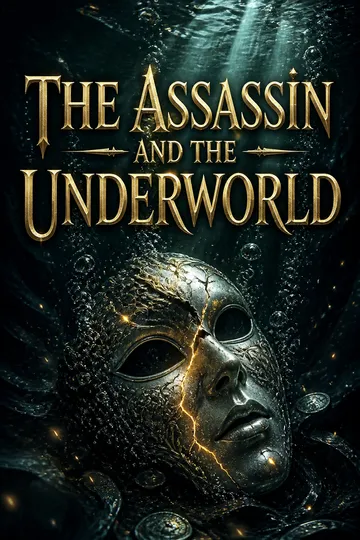
Sarah J. Maas's "The Assassin and the Underworld" is a masterclass in the complexities of power, agency, and the search for selfhood within oppressive systems. Through Celaena's journey, Maas interrogates the costs of freedom—emotional, moral, and material—and the ways in which even the most skilled and independent individuals can be ensnared by manipulation and betrayal. The novella's emotional arc is driven by Celaena's struggle to reconcile her desire for autonomy with her need for connection, as well as her capacity for both violence and vulnerability. The story's central twist—that the mission's true purpose is the opposite of what Celaena believed—serves as a powerful commentary on the dangers of acting without full knowledge and the ease with which noble intentions can be weaponized by those in power. Ultimately, the novella is a meditation on the necessity of forging one's own path, even when every victory is tinged with loss, and on the redemptive power of love and loyalty in a world built on secrets and lies.
Review Summary
Reviews for The Assassin and the Underworld are largely positive, averaging 4.31/5. Readers overwhelmingly adore Sam Cortland, praising his devotion and sweetness toward Celaena. The romance between Sam and Celaena resonates deeply, though many readers find it bittersweet knowing their tragic fate. Arobynn Hamel is widely despised as a compelling, manipulative villain. Some critics note Celaena's naivety and problematic treatment of Lysandra. The emotional storytelling earns high praise, with many calling it the strongest novella in the collection.
People Also Read



Characters
Celaena Sardothien
Celaena is a prodigy of death, trained from childhood by Arobynn Hamel to be Adarlan's most feared assassin. Her psyche is a battleground of pride, trauma, and longing for autonomy. Scarred by betrayal and violence, she oscillates between vulnerability and bravado, using wit and beauty as both armor and weapon. Her relationships are fraught—she craves connection but fears trust, especially after Arobynn's abuse and Ansel's betrayal. The mission against Doneval tests her moral compass, forcing her to confront the consequences of being used as a tool for others' agendas. Her arc is one of painful growth: from pawn to self-possessed agent, from isolated weapon to a woman capable of love and loyalty. Her journey is marked by resilience, self-doubt, and the relentless pursuit of freedom.
Sam Cortland
Sam is Celaena's rival-turned-ally, a fellow assassin shaped by hardship and loss. His mother's murder and Arobynn's manipulations have left him wary but fiercely protective, especially of Celaena. Sam's loyalty is unwavering—he risks everything to shield her from harm, even making Arobynn swear never to hurt her again. Beneath his sarcasm and bravado lies deep affection and vulnerability. His love for Celaena is both a source of strength and pain, as he struggles with jealousy, pride, and the fear of being second-best. Sam's arc is one of self-assertion: he chooses to leave Arobynn's shadow, confesses his feelings, and ultimately finds freedom and partnership with Celaena. Their relationship is a crucible for both, forging trust and healing old wounds.
Arobynn Hamel
Arobynn is the King of the Assassins, a man of charm, cruelty, and boundless ambition. He is both mentor and tormentor to Celaena, shaping her into a weapon while keeping her emotionally dependent. His affection is transactional, his apologies laced with ulterior motives. Arobynn's gifts are both rewards and shackles, designed to remind Celaena of his power. His ultimate betrayal—using Celaena's gold to buy Lysandra's virginity and manipulating her into killing allies—reveals the depth of his control and the emptiness of his love. Arobynn embodies the dangers of toxic mentorship, where care is indistinguishable from possession.
Lysandra
Lysandra is a beautiful, cunning courtesan whose rise from street orphan to sought-after prize is aided by Arobynn's patronage. Her relationship with Celaena is antagonistic, fueled by jealousy, competition, and Arobynn's favoritism. Lysandra wields her beauty and status as weapons, but beneath her bravado lies a girl shaped by survival and exploitation. Her presence forces Celaena to confront her own insecurities and the ways women are pitted against each other in a patriarchal world. Lysandra's Bidding becomes a focal point for Arobynn's final betrayal.
Leighfer Bardingale
Leighfer is Doneval's former wife, a woman of intelligence and ambition who hires Celaena under the guise of fighting slavery. Her true motives are concealed beneath layers of charm and political acumen. Leighfer's manipulation of Celaena is subtle but devastating—she orchestrates the assassination to further her own interests, not the cause of freedom. Her actions expose the moral ambiguity of power and the ease with which noble causes can be twisted for personal gain.
Benzo Doneval
Doneval is introduced as a villain—an ambitious businessman seeking to profit from the slave trade. Yet, as the plot unfolds, it becomes clear that his motives are more complex. The documents he guards are not tools of oppression but blueprints for resistance, and his death is a tragic consequence of Celaena's manipulation. Doneval's character challenges assumptions about good and evil, complicating the moral landscape of the story.
Philip (Doneval's Bodyguard)
Philip is Doneval's hulking bodyguard, a man of few words but fierce loyalty. His confrontation with Celaena is brutal, but his dying words reveal a deeper allegiance to Doneval's cause. Philip's death is a reminder of the collateral damage wrought by deception and the human cost of political games.
Wesley
Wesley is Arobynn's manservant, a figure of quiet strength and loyalty. His presence is a constant reminder of Arobynn's reach and the ever-present threat of violence. Wesley's scars and silence hint at a life shaped by service and sacrifice, embodying the dangers of proximity to power.
The Master Tinkerer
The master tinkerer crafts Celaena's custom suit, a marvel of engineering that becomes both shield and symbol. His creations enable Celaena's survival but also tie her to Arobynn's patronage. The tinkerer represents the intersection of art, technology, and violence in Celaena's world.
Ansel (in memory)
Ansel, though absent, haunts Celaena's thoughts as a symbol of betrayal and lost innocence. Their friendship, shattered by Ansel's need for revenge, serves as a cautionary tale about trust and the costs of vengeance. Ansel's memory shapes Celaena's reluctance to open her heart, even as she yearns for connection.
Plot Devices
Moral Ambiguity and Deception
The novella's central plot device is the manipulation of information and motives. Celaena is given a mission that appears righteous—assassinate a slaver and retrieve documents to protect the innocent. Yet, as the story unfolds, every layer of certainty is peeled back to reveal deeper deception. Allies are enemies, and enemies are allies. This moral ambiguity is heightened by Arobynn's machinations and Leighfer's duplicity, forcing Celaena (and the reader) to question the nature of justice, loyalty, and agency. The narrative structure relies on foreshadowing, misdirection, and the gradual revelation of hidden truths, culminating in a devastating twist that redefines the meaning of victory and freedom.
Throne of Glass Series



About the Author
Other books by Sarah J. Maas







Download PDF
Download EPUB
.epub digital book format is ideal for reading ebooks on phones, tablets, and e-readers.








































