


Plot Summary
The Arrow Through Golden Eyes
Feyre1 has spent five years keeping her family alive — her crippled father,9 her cold eldest sister Nesta,7 and gentle Elain8 — since their merchant fortune collapsed. In the frozen forest near Prythian's border, she spots a doe that could feed them for weeks, but so does an enormous wolf. She fires her most precious possession — an ash-wood arrow, lethal to faeries — into the wolf's side, then puts an ordinary arrow through its eye.
As it dies, something uncannily aware flickers in its golden gaze. She skins the wolf, carries home the deer, and sells the pelts at market. A mercenary overpays and warns her: creatures from Prythian are slipping through the wall in growing numbers. Something is wrong across the border.
Beast at the Broken Door
That night, a creature shatters the cottage door — massive and feline with a wolf's head and elk horns — and roars a single accusation: murderers. Feyre1 places herself between the beast and her cowering family, then confesses.
The beast names the dead creature Andras,12 one of his own, and invokes the ancient Treaty between the faerie and mortal realms: a human life must answer for an unprovoked faerie killing. He offers a choice — die now or live in Prythian forever. Feyre's father9 begs for mercy.
Nesta7 and Elain8 say nothing. Before leaving, Feyre1 instructs her father on rationing the venison and warns Nesta7 about Tomas Mandray's violent family. Her father whispers that she should never come back. She follows the beast into winter darkness.
The Mask Behind the Beast
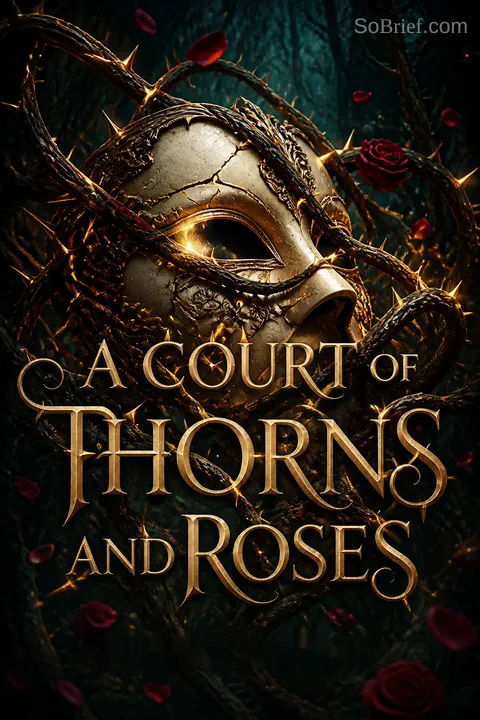
Feyre1 awakens at an opulent manor in a land of eternal spring, the two-day journey erased by enchanted sleep. The beast shapeshifts into a golden-haired High Fae male whose face is half-concealed by a jeweled mask he cannot remove. His name is Tamlin.2
His red-haired emissary Lucien,5 scarred and fitted with a mechanical eye, barely conceals his hostility — Feyre1 killed his friend. Tamlin2 reveals a blight is weakening Prythian's magic; the masks were fixed to their faces when it surged during a masquerade decades ago.
The estate is lavish but eerily deserted, its borders crawling with creatures that slipped through failing wards. Feyre1 plots escape, but Tamlin2 warns that fleeing means her family loses his protection — and the food and money he has already sent them.
The Suriel's Warning
Lucien,5 still bitter but thawing, secretly tells Feyre1 how to trap a Suriel11 — an ancient creature compelled to answer questions. She snares one in the western woods with a slaughtered chicken and a double-loop snare. The Suriel11 reveals that Tamlin2 is no minor lord but a High Lord, one of seven supreme rulers of Prythian.
It mentions a wicked king in Hybern who dispatched spies to infiltrate the faerie courts, and orders Feyre1 to stay at the High Lord's side — everything will be righted. Before it can finish, four serpentine naga attack. Feyre1 kills two with arrows and a knife before Tamlin2 arrives and eviscerates the rest with his bare claws. He heals her wounds with fading magic and walks her home in bloodied, grateful silence.
Wings, Remorse, and Paint
Tamlin2 carries in a blue-skinned Summer Court faerie whose wings have been sawn off — dumped at the border by a nameless she who haunts everyone at court. The stumps will not clot. Feyre1 holds the faerie's hand and promises he will get his wings back, a lie she hopes he cannot smell. He dies in a widening puddle of his own blood while Tamlin2 recites a prayer of passing.
For the first time, Feyre1 feels genuine shame for killing Andras12 — not strategic regret, but grief. Days later, Tamlin2 opens a gallery of extraordinary paintings and presents her with brushes, canvases, and more colors than she ever dreamed existed. Something in Feyre's1 chest unclenches. She begins painting obsessively, and the manor starts feeling less like a cage.
The Solstice Kiss
Weeks of exploring enchanted forests, swimming in pools of literal starlight, and swapping histories have drawn Feyre1 and Tamlin2 dangerously close. At the Summer Solstice celebration, she drinks sparkling faerie wine against Lucien's5 warnings and loses herself to the revelry.
Tamlin2 plays fiddle — a talent honed during his warrior youth — and she dances until the boundary between self and music dissolves. He leads her to a moonlit meadow where ghostly will-o'-the-wisps waltz across the grass.
They sway among the spirits, unhurried and tangled together, until he murmurs that he is thinking of kissing her. She tells him to stop thinking. Their first kiss arrives with the dawn, and when the sun breaks the horizon, Feyre1 admits what she never believed possible: a better world exists.
Kneel, High Lord
A High Fae male of devastating beauty materializes in the dining room — Rhysand,3 High Lord of the Night Court, his violet eyes bright with predatory amusement. Lucien's5 glamour shatters instantly under Rhysand's3 power.
He seizes Feyre's1 mind with invisible talons and reads her most private thoughts about Tamlin,2 announcing them to the room. Then he demands Tamlin2 beg him not to tell Amarantha4 — the woman whose command Rhysand3 serves — about the human girl. Tamlin2 lowers himself to the marble floor, forehead pressed to stone.
Feyre1 watches the High Lord she loves grovel for her safety, and rage fills the space where terror should be. When Rhysand3 asks her name, she blurts the first that comes to mind — Clare Beddor, a village acquaintance. Rhysand3 departs, promising nothing.
Love Unspoken at Departure
Tamlin2 tells Feyre1 he is sending her home. Amarantha's4 forces are circling, and Rhysand's3 visit proved she cannot be hidden forever. Their last night is urgent and exposed — they make love for the first time, both trying to press the other's body into permanent memory. As Feyre1 drifts toward sleep, she thinks she hears him say he loves her.
At dawn, dressed in absurd mortal finery, she climbs into a gilded carriage. He says it clearly this time. She wants to answer but the words lodge behind her teeth — she is mortal and temporary, and she will not let herself become his burden. The carriage lurches forward. She does not look back. Her family, she discovers, now lives in a marble chateau — Tamlin's2 magic restored their fortune and health.
Nesta's Iron Will
Nesta7 corners Feyre1 with a scrap of painted foxglove pried from the old cottage table — proof she remembers everything. Her mind was too unyielding for the High Lord's glamour to penetrate. She hired the town mercenary and walked two days through winter forest toward the faerie wall to rescue Feyre1 — turned back only because she could not pass through.
Then Feyre1 learns that the Beddor family was burned alive and their daughter Clare taken, because she gave Rhysand3 that name instead of her own. Guilt and fury ignite a decision: she will ride north and find Tamlin.2 Nesta7 does not say goodbye — she hates farewells — but tells Feyre1 not to look back, and to buy a grove of ash trees for the family's protection.
Amarantha's Forty-Nine Years
The manor is gutted — doors wrenched apart, blood on the walls, not a soul inside. Alis,6 the tree-bark-skinned servant, emerges from the wreckage and unleashes the truth. There is no blight. Amarantha,4 a general from Hybern, stole the seven High Lords' powers forty-nine years ago and rules Prythian from a court carved inside the sacred mountain.
She cursed Tamlin2 specifically: a human girl who hated faeries had to kill one of his sentries unprovoked, then fall in love with him and say so to his face — all before time expired. He could tell Feyre1 none of this. He sent warriors across the wall as wolves, one after another, until nearly all were dead. Three days after Feyre1 left, the curse's clock ran out. Amarantha4 came and took him.
The Faerie Queen's Wager
Feyre1 enters Under the Mountain through a narrow cave and is caught immediately by the Attor,10 Amarantha's4 bat-eared enforcer. She is dragged to a throne room where Amarantha4 lounges beside a silent, blank-faced Tamlin.2
Clare Beddor's tortured corpse hangs nailed to the wall — the price of Feyre's1 false name. Amarantha4 offers a bargain: complete three trials at each full moon, or solve a riddle at any time, and Tamlin2 goes free. Feyre1 agrees. Guards beat her unconscious. In her cell, a festering arm wound pushes her toward death.
Rhysand3 appears with his own proposition — he will heal her in exchange for one week of her life every month at his Night Court. Dying, Feyre1 accepts. A dark tattoo brands her arm, its eye-shaped center staring from her palm.
Bones and Mud and Cunning
The first trial drops Feyre1 into a labyrinth of muddy trenches — the lair of the Middengard Wyrm, a creature whose gaping mouth bristles with concentric rings of teeth. It barrels toward her, and the faerie court bets on how many seconds she will last. But the worm is blind, tracking prey by scent.
Feyre1 coats herself in the creature's own reeking mud to vanish from its senses, then collects bones from its den and snaps them into sharpened spikes. She plants them in a pit, slices her palm to lay a blood trail, and sprints. The worm charges after her and plunges onto the stakes. Bleeding and shaking, Feyre1 hurls a bone at Amarantha's4 feet. The throne room goes silent with disbelief.
Illiteracy Almost Kills Her
The second trial chains Lucien5 to the floor of a pit while spiked grates — glowing red-hot — lower from above toward them both. Feyre1 must solve a written riddle carved into the wall and pull the correct lever from three to stop the descent. But she can barely read. The letters blur into meaningless shapes while scorching metal screams closer.
With seconds remaining, the tattoo on her palm flares with pain whenever she reaches for the wrong lever and goes quiet at the right one. Rhysand,3 watching from the crowd, is guiding her through the bond their bargain created. She pulls the third lever. The spikes freeze inches from her skull. His voice slides into her mind afterward: stand up, don't let Amarantha4 see you cry.
The Heart of Stone
Three hooded figures kneel before Feyre,1 each to be killed with an ash dagger. She kills the first — a pleading young male — and something inside her fractures beyond repair. The second, a female, prays aloud and nods for Feyre1 to strike quickly.
She obeys, weeping. The third hood falls to reveal Tamlin's2 face. The figure seated on the throne beside Amarantha4 was the Attor10 in disguise all along. Feyre1 freezes — then remembers overheard conversations where Tamlin2 was called a man with a heart of stone.
Not metaphor but literal truth: Amarantha4 petrified his heart to control him. A blade cannot pierce stone. Feyre1 tells Tamlin2 she loves him and drives the dagger into his chest. It strikes something impenetrable and bends. He bleeds but lives.
The Riddle's Answer
Amarantha4 reneges — she never specified when she would release them, only that she would eventually. She unleashes her stolen power on Feyre,1 snapping bones one by one, demanding she deny her love for Tamlin.2 Rhysand3 attacks with talons and a stolen dagger; Amarantha4 blasts him into the walls without looking.
As Feyre's1 spine fractures and her vision darkens, the riddle's answer crystallizes from the pain itself: something that kills slowly, blesses the brave, becomes a beast when scorned. The answer is love.
She gasps the word with her dying breath. Magic detonates through the mountain. Tamlin's2 full power surges back in a blinding eruption of gold. He shifts into his beast form, drives a sword through Amarantha's4 skull, and tears out her throat. The fifty-year reign ends in seconds.
Seven Sparks of Immortality
Feyre1 is dead. Tamlin2 cradles her broken body while the liberated court watches in silence. One by one, six High Lords approach and release a glimmering spark of their magic onto her chest — a gift rarely granted in all of Prythian's history.
Rhysand3 adds his own, murmuring that this makes them even. Tamlin2 places his hand over her heart and kisses her. Feyre1 claws upward through warm darkness and gasps awake — healed, luminous, her fingers longer, her senses sharper than any human's.
She has been remade as High Fae. Immortal. When Tamlin's2 golden mask clatters to the marble floor, she sees his true face for the first time. They return to his estate, where Alis6 and her nephews run freely in the sunlight. Feyre1 takes Tamlin's2 hand and walks home.
Analysis
At its core, A Court of Thorns and Roses interrogates what it costs to become someone capable of love after a life structured entirely around survival. Feyre1 begins the novel as a creature of pure function — her identity is her usefulness, her worth measured in rabbits caught and mouths fed. The deathbed promise to her mother9 is not love but transaction, replacing childhood with perpetual emergency. Tamlin's2 estate does not free her from captivity so much as strip away the only identity she possessed, forcing the terrifying question: without obligation, who is she?
The Beauty and the Beast framework is deliberately subverted. The real beast is not Tamlin's2 furred form but Feyre's1 emotional armor — her inability to trust, to receive, to allow pleasure without guilt. Her shame about illiteracy, her refusal to wear dresses, her compulsive need to earn her keep in luxury — these are not charming quirks but trauma responses. When she picks up a paintbrush, it is because the mechanism suppressing her desires has finally, painfully cracked.
The novel's most psychologically precise move is making illiteracy — not any lack of courage — nearly fatal. In a genre saturated with heroines whose physical prowess saves them, this story insists that poverty's invisible wounds are the real barriers, and that asking for help requires more bravery than killing monsters. Feyre1 survives the worm through cunning she already possessed; she survives the riddle only by accepting aid she once would have been too proud to take.
The parallel between Feyre1 and Amarantha4 enriches both: each is driven by love twisted through loss. Amarantha's4 grief for Clythia calcified into ideology; Feyre's1 duty to her mother calcified into emotional numbness. The difference is not the depth of feeling but the willingness to remain vulnerable to it. The story ultimately argues that love is not a reward for suffering but a skill learned through the willingness to be shattered — and that those most qualified to love fiercely are those who know, intimately, what it costs to live without it.
Review Summary
A Court of Thorns and Roses receives mixed reviews, with some readers praising its romance, world-building, and character development, while others criticize its pacing, writing style, and problematic elements. Many enjoy the fairy tale retelling aspect and find the lead characters compelling, particularly Rhysand. Some readers note the book improves in the latter half and sets up an intriguing series. However, others find the plot predictable and the romance lacking chemistry. Despite criticisms, the book has a dedicated fanbase and inspires strong emotions.
People Also Read
Characters
Feyre
Huntress turned faerie captiveA nineteen-year-old human who has spent five years keeping her family alive through hunting after their merchant fortune collapsed. Feyre operates from a core of duty—a deathbed promise to her mother—rather than affection, which she has learned to suppress as dangerous luxury. Illiterate, ashamed of it, and fiercely proud despite deprivation, she defines herself entirely by usefulness. Her dormant love of beauty—color, shape, light—represents the self she sacrificed to survive. Psychologically, Feyre is defined by hypervigilance and the compulsion to carry others, traits that make her both resilient and emotionally armored. She processes the world through a painter's eye even when she denies herself the brush, and her journey toward vulnerability requires more courage than any monster she faces.
Tamlin
Masked High Lord of SpringHigh Lord of the Spring Court, Tamlin inherited a title he never wanted after his cruel father and brothers were killed. Beneath his masked exterior lies a warrior trained from childhood who finds governing—and emotional honesty—agonizing. Guilt over his family's legacy of human enslavement drives his unusual gentleness toward Feyre1, but it also paralyzes him: he would rather suffer silently than risk becoming a tyrant. Tamlin communicates through action rather than words—offering paints, playing fiddle, burying strangers with his own hands. His psychological bind is the tension between feral, world-breaking power and the desperate desire to be nothing like his father. He buries vulnerability under distance and duty, which makes his rare moments of openness devastating.
Rhysand
Enigmatic Night Court High LordHigh Lord of the Night Court, Rhysand is the story's most enigmatic figure—a being of devastating beauty whose violet eyes hold both seduction and menace. Supernaturally powerful with the ability to read and shatter minds, he operates by rules no one else seems to understand. His interactions with Feyre1 shift constantly between cruelty and unexpected mercy, leaving both her and the reader uncertain of his true allegiance. Psychologically, Rhysand compartmentalizes suffering behind wit and arrogance, using antagonism as armor. He values intelligence over brute force and seems to play longer games than anyone around him suspects. Whether he is predator, protector, or something that refuses either label remains the story's most compelling ambiguity.
Amarantha
Tyrant queen of PrythianA figure of legend—once the deadliest general of the King of Hybern and perpetrator of unthinkable cruelty during the ancient War against humans. Her obsessions are twofold: all-consuming hatred of mortals fueled by the murder of her beloved sister Clythia at the hands of a human warrior, and possessive desire for Tamlin2 that curdles into tyranny when he rejects her. She keeps Clythia's killer's eye and bone as trophies, his consciousness magically imprisoned within them. Amarantha's intelligence is her most dangerous quality—she conquers not through overwhelming force but through manipulation, deception, and an instinct for exploiting emotional weakness. She designs punishments as theater, breaking spirits through spectacle, though beneath the performance lies genuine, ancient grief.
Lucien
Tamlin's scarred emissaryTamlin's2 closest friend and emissary, Lucien is the youngest son of the High Lord of the Autumn Court. He fled after his father executed the commoner woman he loved and his brothers tried to kill him. Scarred across the face with one eye replaced by a magical metal orb—courtesy of Amarantha4—Lucien masks deep grief with sarcasm and sharp-tongued humor. His loyalty to Tamlin2 is absolute, forged in shared exile and mutual rescue. He initially resents Feyre1 for killing Andras12 but gradually becomes her reluctant, indispensable ally.
Alis
Faerie servant and truth-tellerA tree-bark-skinned faerie servant who fled the Summer Court with her orphaned nephews when Amarantha4 seized power. She serves as Feyre's1 most reliable source of practical wisdom at the Spring Court, dispensing warnings about faerie dangers in blunt, maternal fashion. Her devotion to her nephews' safety mirrors Feyre's1 own sacrificial devotion to her family. Alis conceals her true form behind a glamour, and her personal stakes behind professional composure, until circumstances demand otherwise.
Nesta
Feyre's steel-willed sisterFeyre's1 eldest sister, whose aristocratic bearing and cutting cruelty conceal a will of forged iron. She resents their father9 for his passivity and Feyre1 for the competence that highlights everyone else's failure. Yet beneath her cold exterior, Nesta loves with a ferocity that startles even herself. Her mind is so entirely her own that High Lord glamour magic cannot penetrate it. She refuses comfort, pity, and pretense with equal force, channeling rage into a lifeline when grief might have destroyed her.
Elain
Feyre's gentle middle sisterFeyre's1 middle sister, a gardener by nature who maintained grace and hope through years of poverty. She serves as the family's emotional center—the one everyone instinctively protects—and her quiet generosity sometimes goes unnoticed amid louder personalities.
Feyre's father
Broken former merchantOnce called the Prince of Merchants, his fortune was lost at sea and his knee shattered by creditors. His passivity infuriates Nesta7 and burdens Feyre1, though rare flashes of clarity—a fierce goodbye, a trembling embrace—suggest the man he might have been.
The Attor
Amarantha's bat-winged enforcerA skeletal, bat-eared demon with leathery wings and a hissing voice, serving as Amarantha's4 spy, messenger, and torturer. Its carrion breath and needle-toothed grin embody the nightmare lurking beyond the Spring Court's failing borders.
The Suriel
Ancient truth-telling oracleAn ancient being older than the High Lords, with a face of dried bone and milky-white eyes. When trapped, it answers questions truthfully. Its central command to Feyre1—stay with the High Lord—becomes the axis on which the story turns.
Andras
The wolf who chose deathA Spring Court sentinel whom Tamlin2 transformed into a wolf and sent across the wall, knowing he might die. His death at Feyre's1 hands initiates the story. He did not try to dodge the arrow.
Plot Devices
Amarantha's Curse
The engine driving the entire plotAmarantha4 cursed Tamlin2 after he publicly rejected her: to break free, he must find a human girl with hatred for faeries who kills one of his sentries unprovoked, then falls in love with him and confesses it aloud before forty-nine years expire. He cannot speak a word about the curse. This creates the story's central dramatic irony—Feyre1 lives inside the curse without knowing it exists. Tamlin2 sends sentries across the wall disguised as wolves, hoping one will provoke a killing. Feyre's1 slaying of Andras12 triggers the conditions. The curse's cruelty is its elegance: the same hatred that enables the killing should prevent the love. Amarantha4 designed it as an impossible joke, never expecting a human could genuinely transcend her contempt for faeries.
Ash Wood
The sole weapon against faeriesAsh is the only material that can harm High Fae, slowing their immortal healing long enough for a killing blow. Feyre's1 ash arrow—purchased from a traveling peddler years before the story begins—kills Andras12 and sets the plot in motion. Tamlin2 destroys it immediately, removing her most potent defense. Ash reappears critically in the final trial, where Amarantha4 provides ash daggers for Feyre1 to kill three figures. The wood's unique lethality against faerie flesh is also the key to the climactic revelation: when an ash blade strikes Tamlin's2 magically petrified heart, it bends rather than pierces, confirming Feyre's1 theory that Amarantha4 turned his heart to literal stone to control him.
Rhysand's Tattoo
Bond, tracker, and hidden lifelineWhen Feyre1 is dying from an infected wound after her first trial, Rhysand3 heals her in exchange for one week of her life every month. The bargain manifests as an intricate blue-black tattoo covering her left arm, including a slitted eye in her palm. Beyond marking ownership, the tattoo creates a psychic bond through which Rhysand3 can communicate, sense Feyre's1 emotions, and—crucially—guide her hand during the second trial when she cannot read the riddle carved into the wall. Pain flares when she reaches for wrong levers; silence confirms the right one. The tattoo serves multiple narrative functions: it binds Feyre1 to a dangerous figure of uncertain allegiance, provides the mechanism for her survival, and establishes a connection whose full implications extend beyond the story.
The Riddle
Alternative path to instant freedomAmarantha4 offers Feyre1 a riddle whose correct answer would instantly shatter the curse without completing the three trials. It describes something that blesses the brave, kills slowly, and becomes a beast when scorned. Feyre1 obsesses over it throughout her imprisonment, cycling through diseases and poisons, but the answer eludes her. Only in the moment of her death—as Amarantha4 demands she deny her love—does every clue converge: the riddle describes love itself. Feyre1 speaks the word with her last breath, triggering the curse's collapse. The riddle encapsulates the novel's thesis: the force most capable of saving us is also the one we are most afraid to name.
The Treaty and the Wall
Framework dividing two worldsAn ancient pact between seven High Lords and six mortal queens ended a devastating war by splitting the world—faeries to the north, humans to the south, separated by an invisible wall. The Treaty supposedly demands a human life for any unprovoked faerie killing, which is the justification Tamlin2 uses to take Feyre1 to Prythian. In reality, no such provision exists; the rule was fabricated as part of Amarantha's curse conditions. The Treaty's actual terms banned faerie enslavement of humans and established the wall's wards. As a device, it operates as the story's initial catalyst and its central deception—the rules Feyre1 believes she violated were never real, reframing every interaction she had at the manor once the truth emerges.
FAQ
Synopsis & Basic Details
What is A Court of Thorns and Roses about?
- A Huntress's Fae Captivity: The story follows Feyre, a human huntress, who is taken to the faerie realm of Prythian as punishment for killing a faerie wolf.
- Navigating a Magical World: Feyre is forced to navigate the dangerous and beautiful world of the fae, where she encounters powerful High Lords, ancient treaties, and a mysterious blight.
- Love and Sacrifice: As Feyre's feelings for her captor, Tamlin, grow, she must confront her own desires and make difficult choices that will impact both the human and faerie realms.
Why should I read A Court of Thorns and Roses?
- Enthralling World-Building: Sarah J. Maas creates a rich and immersive world with complex characters, intricate politics, and a blend of beauty and danger.
- Compelling Romance: The novel features a captivating romance that evolves from hostility to deep passion, exploring themes of love, sacrifice, and redemption.
- Action-Packed Plot: The story is filled with suspense, adventure, and high-stakes challenges, keeping readers engaged from beginning to end.
What is the background of A Court of Thorns and Roses?
- Ancient Treaty: The story is set in a world where humans and faeries are separated by an ancient treaty, a fragile agreement that dictates their interactions and creates a sense of unease and tension.
- Prythian's Divided Courts: The faerie realm of Prythian is divided into seven courts, each ruled by a powerful High Lord, with their own unique characteristics and political agendas.
- Magical Blight: A mysterious blight is affecting Prythian, weakening the faeries' magic and causing unrest, adding a layer of danger and urgency to the story.
What are the most memorable quotes in A Court of Thorns and Roses?
- "I was not a pet, not a doll, not an animal. I was a survivor, and I was strong. I would not be weak.": This quote highlights Feyre's resilience and determination to overcome her circumstances.
- "There are those who seek me a lifetime but never we meet, And those I kiss but who trample me beneath ungrateful feet.": This quote, part of Amarantha's riddle, reveals the complex nature of love and the challenges of finding true connection.
- "I love you," he whispered, and kissed my brow. "Thorns and all.": This quote, spoken by Tamlin, encapsulates the depth of his love for Feyre, accepting her flaws and all.
What writing style, narrative choices, and literary techniques does Sarah J. Maas use?
- First-Person Perspective: The story is told from Feyre's point of view, allowing readers to experience her thoughts, emotions, and growth firsthand.
- Descriptive Language: Maas uses vivid and evocative language to create a rich and immersive world, bringing the faerie realm to life with its beauty and danger.
- Foreshadowing and Symbolism: The novel employs subtle foreshadowing and recurring symbols to hint at future events and deepen the story's themes, adding layers of meaning and complexity.
Hidden Details & Subtle Connections
What are some minor details that add significant meaning?
- The Wards on the Cottage: The seemingly useless ward-markings etched around Feyre's cottage threshold, initially dismissed as fake, highlight the vulnerability of humans against fae magic and the lengths they go to for protection.
- Feyre's Paintings: Feyre's habit of painting on the cottage walls and furniture, often with hidden details, reveals her artistic nature and her desire to bring beauty into her harsh life, foreshadowing her later role as a creator.
- The Mismatched Cutlery: The mismatched cutlery salvaged from the servants' quarters of their former manor serves as a constant reminder of the family's lost wealth and their current state of poverty.
What are some subtle foreshadowing and callbacks?
- The Ash Arrow: The ash arrow Feyre buys early in the story, initially seen as a luxury, becomes a crucial weapon against faeries, foreshadowing her later role in Prythian.
- The Mercenary's Warning: The mercenary's warning about not going far into the woods and the increasing danger of faeries slipping through the wall foreshadows the later events of the story and the growing threat of the blight.
- Lucien's Scar and Metal Eye: Lucien's brutal scar and metal eye, initially presented as a result of a past battle, foreshadow his connection to Amarantha and the brutal history of Prythian.
What are some unexpected character connections?
- Tamlin and Rhysand's Past: The revelation that Tamlin and Rhysand knew each other before, and that Rhysand had taught Tamlin about "swords and females," adds a layer of complexity to their relationship and hints at a shared history.
- Alis's Connection to the Summer Court: Alis's revelation that she and her sister were from the Summer Court and that her nephews are hidden away adds depth to her character and reveals the far-reaching impact of Amarantha's tyranny.
- Nesta's Attempt to Save Feyre: Nesta's attempt to cross the wall to save Feyre, despite her cold exterior, reveals a hidden depth of loyalty and love for her sister.
Who are the most significant supporting characters?
- Lucien: As Tamlin's emissary, Lucien provides insight into the faerie world and serves as a foil to Tamlin's more reserved nature, often offering a cynical perspective.
- Alis: As a servant in Tamlin's court, Alis offers Feyre guidance and warnings, revealing the complexities of faerie society and the impact of the blight on its inhabitants.
- Nesta and Elain: Feyre's sisters, though often absent from the main action, serve as a constant reminder of her human life and the responsibilities she carries, highlighting the sacrifices she makes for her family.
Psychological, Emotional, & Relational Analysis
What are some unspoken motivations of the characters?
- Tamlin's Guilt: Tamlin's actions are often driven by a deep-seated guilt over his family's past and his inability to protect his people, leading him to make decisions that prioritize their safety over his own desires.
- Lucien's Loyalty: Lucien's loyalty to Tamlin is rooted in a shared history of loss and trauma, and his sarcastic exterior masks a deep-seated fear of betrayal and a desire for redemption.
- Amarantha's Obsession: Amarantha's cruelty and desire for power are driven by a deep-seated pain and a need for control, stemming from her sister's death and her own perceived betrayal.
What psychological complexities do the characters exhibit?
- Feyre's Internal Conflict: Feyre struggles with her human identity and her growing connection to the faerie world, torn between her desire for freedom and her love for Tamlin.
- Tamlin's Repressed Emotions: Tamlin's stoicism and control mask a deep well of emotions, including guilt, grief, and a fierce protectiveness, which often manifest in his beastly form.
- Rhysand's Dual Nature: Rhysand's enigmatic nature and his ability to be both charming and cruel reveal a complex character with a hidden agenda, making it difficult to discern his true motivations.
What are the major emotional turning points?
- Feyre's Choice at the Wall: Feyre's decision to leave her family and go to Prythian marks a major emotional turning point, as she grapples with the guilt of abandoning her responsibilities and the fear of the unknown.
- The Suriel's Warning: Feyre's encounter with the Suriel and the subsequent attack by the naga force her to confront the true dangers of Prythian and the limitations of her human strength.
- The Discovery of the Curse: The revelation of Amarantha's curse and the true nature of Tamlin's captivity forces Feyre to confront the depth of his suffering and the sacrifices he has made.
How do relationship dynamics evolve?
- Feyre and Tamlin's Bond: The relationship between Feyre and Tamlin evolves from hostility to a deep, passionate love, but is complicated by secrets, power imbalances, and the looming threat of Amarantha.
- Feyre and Lucien's Alliance: Feyre and Lucien's relationship shifts from initial distrust to a tentative alliance, as they find common ground in their shared experiences and their loyalty to Tamlin.
- Feyre and Rhysand's Bargain: The bargain between Feyre and Rhysand creates a complex dynamic, marked by tension, attraction, and a shared understanding of the darkness within Prythian.
Interpretation & Debate
Which parts of the story remain ambiguous or open-ended?
- The Nature of the Blight: The true origins and nature of the blight remain ambiguous, leaving readers to wonder about its connection to Amarantha and the King of Hybern.
- Rhysand's True Motives: Rhysand's motivations and allegiances remain unclear, leaving readers to question his true intentions and his role in the events to come.
- The Future of Prythian: The ending leaves the future of Prythian uncertain, with the threat of war and the lingering effects of Amarantha's tyranny still present.
What are some debatable, controversial scenes or moments in A Court of Thorns and Roses?
- Feyre's Initial Relationship with Tamlin: Some readers find the initial power imbalance and the beastly nature of Tamlin's character problematic, questioning the nature of their relationship.
- Feyre's Bargain with Rhysand: Feyre's decision to make a bargain with Rhysand is controversial, as it raises questions about her agency and the nature of her relationships with both Tamlin and Rhysand.
- The Graphic Violence: The novel contains scenes of graphic violence and torture, which some readers may find disturbing or unnecessary, sparking debate about the author's use of such elements.
A Court of Thorns and Roses Ending Explained: How It Ends & What It Means
- Feyre's Sacrifice: Feyre's decision to sacrifice herself to break Amarantha's curse is a pivotal moment, highlighting her love for Tamlin and her willingness to give up everything for his freedom.
- Feyre's Transformation: Feyre's resurrection as a High Fae marks a significant shift in her identity and her place in the world, setting the stage for future challenges and alliances.
- The Looming Threat: Despite Amarantha's defeat, the ending leaves the future uncertain, with the threat of war and the lingering effects of the blight still present, hinting at future conflicts and challenges for Feyre and the faerie realm.
A Court of Thorns and Roses Series
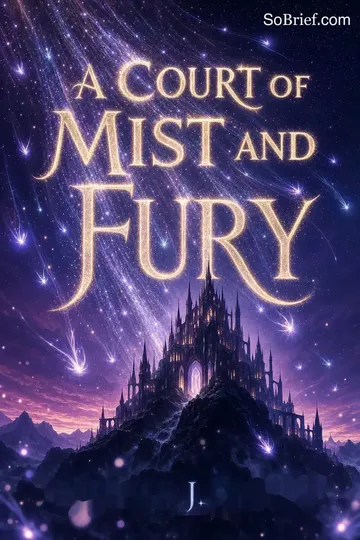
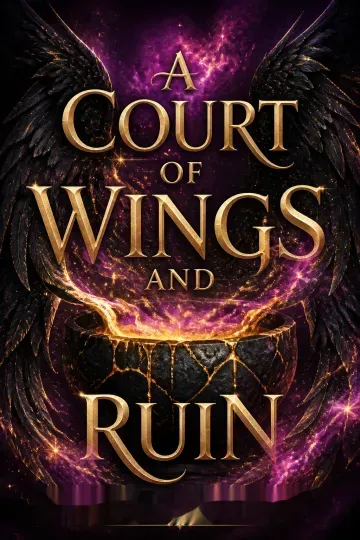
About the Author
Other books by Sarah J. Maas




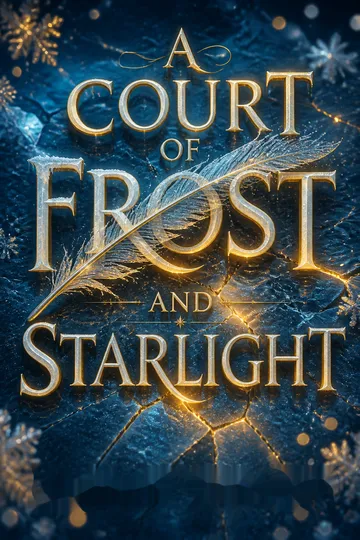
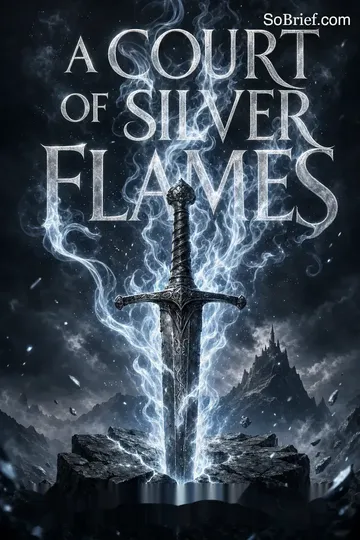
Download PDF
Download EPUB
.epub digital book format is ideal for reading ebooks on phones, tablets, and e-readers.








































