
Plot Summary
The Harvesting Ritual Begins
On their twenty-first birthday, the Willow quadruplets face the "harvesting"—a ritual where the powerful Scafoni family selects one daughter as a sacrificial offering. Helena, the eldest and the outcast, stands apart from her golden sisters, marked as "unclean" and believing herself safe from selection. The ritual is archaic, terrifying, and humiliating, with the girls displayed and judged like livestock. Helena's resentment burns for both her complicit family and the Scafoni monsters who perpetuate this cycle. The air is thick with dread, and the family's history of submission and suffering hangs over the proceedings, promising that tonight, one life will be forever changed.
Chosen Against All Odds
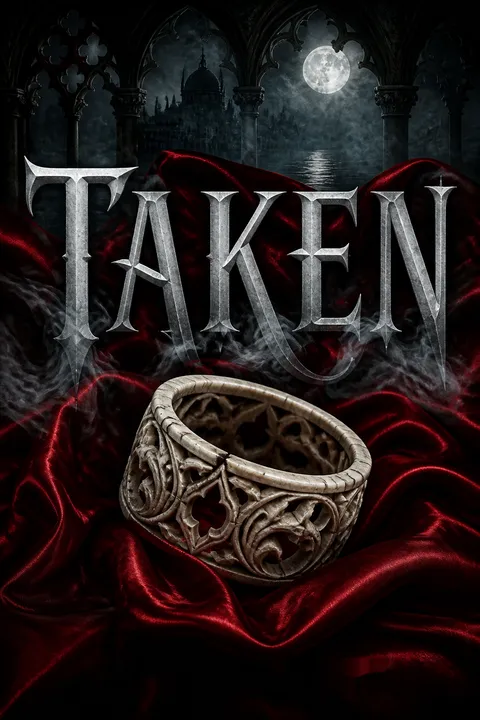
Despite her "unclean" status, Sebastian Scafoni, the eldest son, chooses Helena. Her defiance and difference intrigue him, and he ignores the virginal allure of her sisters. Helena is shocked, her family stunned, and the selection feels like a cruel twist of fate. She is given an hour to say goodbye, her future sealed by a tradition older than memory. Her great-aunt, a survivor of the ritual, gives her a bone ring and a cryptic charge: "End this." Helena's resolve is tested as she is stripped of her past and possessions, forced to leave her home and everything she knows behind, stepping into the unknown as the new Willow Girl.
The Scafoni Claim
Escorted by Sebastian and his brothers, Helena is flown to the Scafoni estate on a private Venetian island. The journey is fraught with tension, humiliation, and the assertion of dominance. Sebastian's family is cold, cruel, and steeped in the tradition of breaking Willow Girls. Helena's fear and anger simmer beneath the surface, but she refuses to submit quietly. The Scafoni home is both beautiful and prison-like, and Helena is made to understand that she is property, subject to the whims and punishments of her captors. The psychological games begin, and Helena's spirit is tested at every turn.
A Legacy of Chains
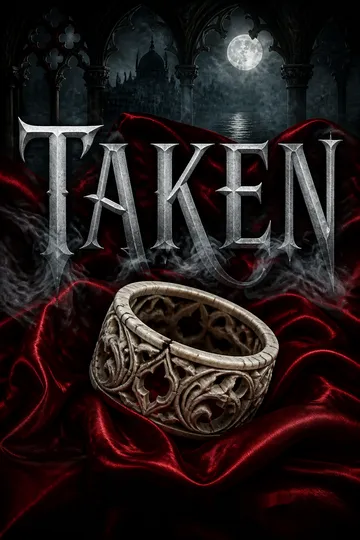
The Scafoni-Willow arrangement is revealed to be a centuries-old curse, rooted in betrayal, vengeance, and a binding contract. The Willows, once powerful, are now beholden to the Scafonis, their daughters sold for the family's survival. The Scafonis, in turn, are haunted by a curse that demands a Willow sacrifice or brings ruin upon their line. Money, power, and blood are intertwined, and Helena learns that her family's complicity is bought with payments for her suffering. The bone ring, made from Scafoni bone, becomes a symbol of resistance and the hope of breaking the cycle.
The Island of Shadows
On the island, Helena is isolated, stripped of agency, and subjected to the Scafoni family's cruelty. Lucinda, Sebastian's stepmother, is especially vicious, orchestrating humiliations and punishments. The brothers—Sebastian, Ethan, and Gregory—each pose unique threats, from sadistic interest to cold calculation. Helena's only solace is her own defiance and the memory of her aunt's strength. The island's beauty is a stark contrast to the darkness within its walls, and Helena's struggle becomes not just physical, but a battle for her mind and soul.
Breaking and Resistance
Helena endures physical and emotional torment, including public punishments and invasive examinations. She is caned, whipped, and sexually dominated, yet her spirit refuses to break. Sebastian is both tormentor and reluctant protector, drawn to Helena's fire even as he seeks to subdue her. Their relationship is a twisted dance of power, pain, and forbidden attraction. Helena's resistance becomes a source of both punishment and perverse admiration, and the lines between hate and desire blur dangerously.
The Whipping Post
The infamous whipping post becomes a site of both agony and dark intimacy. Sebastian uses it to punish and possess Helena, forcing her to confront her own body's betrayal as pain and pleasure intermingle. The post is a symbol of the family's legacy of violence, and Helena's experiences there mark her physically and emotionally. The ritualized punishments are both a means of control and a perverse form of connection, deepening the psychological complexity of Helena's captivity.
The Bone Ring's Secret
The bone ring, gifted by Helena's great-aunt, is revealed to be made from the bone of a Scafoni ancestor—a token of resistance and survival. The ring's history is intertwined with the story of the Willow Girls who came before, especially Aunt Helena, who killed her Scafoni master and survived. The ring becomes a talisman for Helena, a reminder that not all Willow Girls are broken, and that the cycle can be ended. The weight of legacy and the hope of rebellion are bound together in this small, powerful object.
Power, Money, Betrayal
Helena discovers that her family's survival is bought with her suffering—payments made for each year she serves the Scafonis. The Willow estate is owned by the Scafonis, and the ritual is as much about money as it is about tradition. Helena's sense of betrayal deepens as she realizes her parents' complicity and the transactional nature of her sacrifice. The revelation shatters any remaining illusions about loyalty or love, leaving Helena more isolated than ever, but also more determined to resist.
The First Notch
Sebastian and Helena's relationship reaches a new level of brutality and intimacy as they mark each other with notches—physical scars that symbolize their ongoing battle for dominance and survival. The violence becomes a twisted form of connection, with each scar a testament to their struggle. The notches are both a record of pain and a perverse badge of honor, blurring the boundaries between victim and captor, hate and desire. Their dynamic is fraught, dangerous, and charged with unresolved emotion.
The Family's Dark Heart
The Scafoni family's history is revealed to be even darker than Helena imagined. The mausoleum holds the secrets of lost sons, suicides, and the true nature of the curse. Sebastian is not the true firstborn, and the family's power is built on a foundation of violence and betrayal. Lucinda's hatred is rooted in jealousy and loss, and the brothers' rivalry threatens to consume them all. The family's legacy is a poison that infects every relationship, and Helena is caught in the center of a generational war.
The Brothers' Game
The three Scafoni brothers each lay claim to Helena in their own way, turning her captivity into a game of power and possession. Gregory's cold interest and Ethan's instability add layers of threat, while Sebastian's possessiveness becomes both a shield and a prison. The brothers' competition is as much about dominance over each other as it is about Helena, and she is forced to navigate their shifting alliances and dangers. The threat of being passed from brother to brother looms, intensifying Helena's desperation.
The Enemy's Embrace
Against all odds, Helena and Sebastian's relationship deepens into something darkly intimate. Their connection is forged in pain, defiance, and reluctant vulnerability. Moments of tenderness and genuine care emerge amidst the violence, blurring the line between captor and captive. Helena's feelings become dangerously complicated, and Sebastian is forced to confront his own role in the cycle of abuse. Their bond is both a source of strength and a new kind of captivity, as love and hate become inseparable.
Verona: Escape and Return
During a trip to Verona, Helena seizes a chance to escape, only to be recaptured by Sebastian. Her attempt is met with both punishment and a strange tenderness, as Sebastian's feelings for her become more apparent. The episode exposes the limits of Helena's agency and the depth of her entanglement with her captor. The city's beauty is a stark contrast to the darkness of their relationship, and Helena is forced to confront the reality that escape may not be possible—at least, not without a greater sacrifice.
The Price of Defiance
Helena's defiance is met with escalating punishments, including a brutal whipping with a leather cord. The violence is both a means of control and a twisted form of intimacy, as Sebastian demands her submission but also reveals his own vulnerability. The cycle of pain and pleasure becomes a language between them, and Helena's resistance is both punished and perversely rewarded. The cost of defiance is high, but Helena refuses to surrender her sense of self, even as her body bears the marks of her captivity.
The Mausoleum's Truth
A visit to the Scafoni mausoleum reveals the true nature of the family's curse and the shifting lines of inheritance. Gregory reveals that Sebastian is not the true firstborn, and the family's power is more precarious than it seems. The mausoleum is a place of both memory and warning, and Helena's presence there is a transgression that threatens to upend the fragile balance of power. The secrets of the dead cast long shadows over the living, and the stakes of the game are raised.
Lucinda's Machinations
Lucinda, driven by jealousy and ambition, orchestrates a plot to remove Helena from Sebastian's protection. She manipulates events, withholds crucial information, and ultimately engineers Helena's escape from the island—not as an act of mercy, but as a move in her own power struggle. Lucinda's hatred is both personal and strategic, and her actions set in motion a chain of events that threaten to destroy everyone involved. The true danger comes not from outside, but from within the family itself.
The Final Betrayal
Helena learns of her great-aunt's death—news that Sebastian concealed from her. The revelation is a devastating blow, compounding her sense of isolation and betrayal. Lucinda's machinations come to fruition as Helena is lured into a trap, believing she is escaping to freedom. The truth about Sebastian's choices, the family's history, and the nature of her captivity come crashing down, leaving Helena with nothing but pain and the knowledge that she has been betrayed by everyone she trusted.
Taken Again
As Helena flees the island, she is captured by Ethan and an unknown accomplice, drugged, and spirited away. Lucinda's plan is revealed: Helena's escape was never meant to lead to freedom, but to a new form of captivity, one even more dangerous and uncertain. The cycle of violence and betrayal continues, and Helena's fate hangs in the balance. The story ends on a cliffhanger, with Helena once again "taken," her future uncertain, and the legacy of pain and resistance unresolved.
Analysis
Taken is a dark, psychological exploration of power, trauma, and the legacy of violence. Through the lens of a twisted family tradition, the novel interrogates the ways in which individuals and families become complicit in their own oppression, rationalizing cruelty in the name of survival. Helena's journey is one of resistance and reluctant vulnerability, as she navigates a world where love and hate, pain and pleasure, are inextricably linked. The story's use of ritual, symbolism, and psychological warfare creates a claustrophobic atmosphere in which agency is constantly contested and betrayal is inevitable. The bone ring, the notches, and the recurring motif of the whipping post serve as powerful metaphors for the scars—both physical and emotional—that are passed down through generations. In a modern context, Taken can be read as a critique of patriarchal systems, the commodification of women, and the ways in which trauma is inherited and perpetuated. The novel's refusal to offer easy answers or a tidy resolution challenges readers to confront the uncomfortable realities of power, complicity, and the possibility of change. Ultimately, Taken is a story about the cost of survival, the complexity of desire, and the enduring hope that even the most entrenched cycles can be broken.
Review Summary
Taken by Natasha Knight is the first book in the Dark Legacy Duet, featuring a dark romance between Sebastian Scafoni and Helena Willow. Based on a generations-old tradition, Sebastian chooses Helena from among her quadruplet sisters to serve him and his brothers. Reviewers praised the book's dark, intense, and compelling storyline with strong character chemistry, though some found the violence and dubious consent difficult. Helena's strength and defiance resonated with readers, while Sebastian's complex, contradictory nature intrigued many. The book ends on a cliffhanger that left readers eager for the sequel.
People Also Read
Characters
Helena Willow
Helena is the eldest of the Willow quadruplets, marked as an outsider both by her appearance and her "unclean" status. She is fiercely protective of her sisters and harbors deep resentment toward her family's complicity in the Scafoni ritual. Helena's psychological journey is one of resistance, pain, and reluctant vulnerability. She is both victim and fighter, refusing to be broken even as she endures humiliation, violence, and betrayal. Her relationship with Sebastian is fraught with hate, desire, and a dangerous intimacy that blurs the line between captor and captive. The bone ring she inherits from her aunt symbolizes her potential to end the cycle, and her arc is defined by the struggle to retain her sense of self in the face of overwhelming oppression.
Sebastian Scafoni
Sebastian is the eldest Scafoni son, burdened by the legacy of his family's curse and the expectations of power. He is both cruel and protective, drawn to Helena's defiance even as he seeks to break her. Sebastian's psyche is a battleground of tradition, guilt, and forbidden desire. He is haunted by family secrets, the loss of his mother and twin, and the knowledge that his role is both inherited and chosen. His relationship with Helena is a twisted dance of dominance and vulnerability, and he is forced to confront the possibility of change—even as he perpetuates the cycle of violence. Sebastian's struggle is as much internal as external, and his development is marked by moments of tenderness, regret, and the hope of redemption.
Lucinda Scafoni
Lucinda is Sebastian's stepmother and the architect of much of the family's cruelty. Driven by jealousy, ambition, and a deep-seated hatred of the Willow Girls, she orchestrates punishments, humiliations, and ultimately Helena's betrayal. Lucinda's psychological complexity lies in her need for control and her willingness to destroy anyone who threatens her power. She is both a product and a perpetuator of the family's toxic legacy, and her actions are motivated by both personal vendetta and strategic calculation. Lucinda's relationship with Sebastian is adversarial, and her machinations are a constant threat to Helena's safety.
Gregory Scafoni
The youngest Scafoni brother, Gregory is enigmatic and quietly menacing. He is less overtly sadistic than Ethan but more psychologically complex, masking his intentions behind a veneer of indifference. Gregory's interest in Helena is both sexual and strategic, and he represents the ever-present threat of being passed from brother to brother. His interactions with Helena are laced with both menace and a strange intimacy, and his rivalry with Sebastian adds another layer of danger to the family dynamic. Gregory's true motivations remain ambiguous, making him a wild card in the unfolding drama.
Ethan Scafoni
Ethan is the middle Scafoni brother, marked by both cruelty and vulnerability. He is easily manipulated by Lucinda and harbors a deep resentment toward Sebastian. Ethan's psychological instability makes him unpredictable and dangerous, and his interest in Helena is both possessive and sadistic. His role in the family is complicated by secrets about his parentage, and his actions are often driven by a need for validation and power. Ethan's presence is a constant source of threat, and his eventual involvement in Helena's recapture signals a new phase of danger.
Aunt Helena
Helena's great-aunt is a former Willow Girl who survived her ordeal by killing her Scafoni master. She is a source of strength and wisdom for Helena, passing on the bone ring and the hope of breaking the cycle. Aunt Helena's legacy is one of both trauma and resilience, and her story serves as both a warning and an inspiration. Her death is a devastating loss for Helena, compounding her sense of isolation and betrayal. The ring she leaves behind is a tangible link to the possibility of resistance and change.
The Willow Sisters
Helena's three sisters are both victims and beneficiaries of the family's tradition. Their beauty and compliance stand in stark contrast to Helena's defiance, and their fear and naivety highlight the cruelty of the ritual. The sisters' relationships with Helena are marked by both love and distance, and their complicity in the ritual is a source of pain and resentment. They represent both what Helena is fighting for and what she is fighting against.
Remy
Remy is the Scafoni family's trusted servant, present for both the logistics of the ritual and the daily operations of the estate. His role is one of quiet complicity, facilitating the family's cruelty while maintaining a veneer of professionalism. Remy's true loyalties are ambiguous, and his involvement in Helena's recapture suggests a deeper entanglement in the family's machinations.
Joseph Gallo
The Scafoni family's attorney, Joseph Gallo, is responsible for the legal and financial aspects of the Willow contract. He is both a witness and a participant in the ritual, maintaining the records and ensuring the continuation of the tradition. Gallo's presence underscores the transactional nature of Helena's captivity and the complicity of those who profit from the system.
The Willow Parents
Helena's parents are both victims and enablers of the ritual. Their willingness to sacrifice a daughter for the family's survival is a source of deep betrayal for Helena. Their psychological complexity lies in their ability to rationalize their actions, balancing love for their children with fear and self-preservation. Their role is a reminder of the generational nature of the cycle and the difficulty of breaking free from inherited trauma.
Plot Devices
Ritual and Tradition
The ritual of the Willow Girl is the central plot device, serving as both a literal and symbolic mechanism of oppression. The tradition is enforced through spectacle, humiliation, and violence, binding both families in a cycle of suffering. The ritual's power lies in its ability to justify cruelty and suppress resistance, and its endurance is a testament to the difficulty of breaking free from inherited trauma.
The Bone Ring
The bone ring, made from the remains of a Scafoni ancestor, is a powerful symbol of survival and rebellion. It connects Helena to her great-aunt and the possibility of ending the cycle. The ring's presence is a constant reminder of both the cost of resistance and the hope of change, serving as a talisman and a plot device that links past and present.
Power Dynamics and Psychological Warfare
The story is driven by shifting power dynamics between Helena and her captors, especially Sebastian. Punishments, rewards, and psychological manipulation are used to enforce submission and break resistance. The interplay of pain and pleasure, violence and intimacy, becomes a language through which characters negotiate their roles and desires. The notches, whippings, and sexual encounters are both plot devices and metaphors for the struggle for agency.
Family Secrets and Inheritance
The Scafoni family's power is built on secrets, curses, and contested inheritance. The revelation that Sebastian is not the true firstborn, the hidden parentage of Ethan, and the history of suicides and murders all serve to destabilize the family's authority. These secrets drive the plot, fueling rivalries and betrayals that threaten to upend the established order.
Betrayal and Complicity
Betrayal is a recurring plot device, with characters repeatedly deceived by those closest to them. Helena's sense of isolation is deepened by the complicity of her family, the duplicity of her captors, and the machinations of Lucinda. Attempts at escape are thwarted by new forms of captivity, and the cycle of betrayal reinforces the story's central themes of powerlessness and resistance.
Cliffhanger Ending
The story ends on a cliffhanger, with Helena once again "taken" and her fate uncertain. This device underscores the cyclical nature of the violence and the difficulty of achieving true freedom. The unresolved ending invites readers to question whether the cycle can ever be broken and sets the stage for the continuation of the story.
Dark Legacy Series
About the Author
Other books by Natasha Knight
Download PDF
Download EPUB
.epub digital book format is ideal for reading ebooks on phones, tablets, and e-readers.








































