
Plot Summary
Mausoleum Nightmares Return
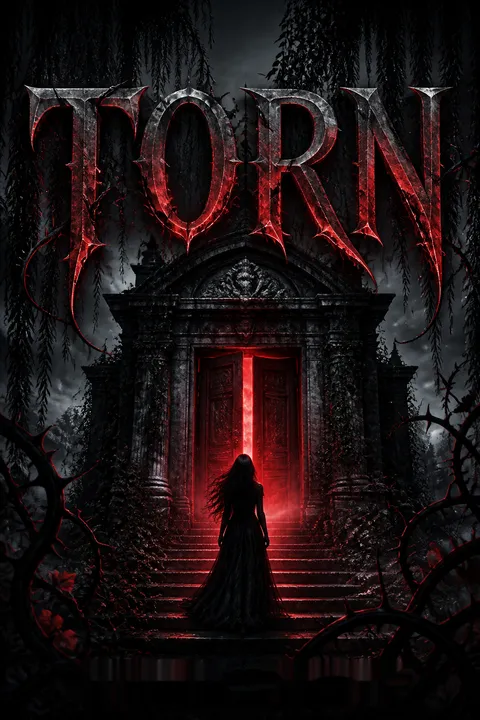
Helena awakens in a nightmare, trapped in a mausoleum, haunted by the legacy of the Willow Girls—her family's tradition of being sacrificed to the Scafoni men. She dreams of her aunt, the previous Willow Girl, who urges her to be strong and hints at secrets hidden in the Willow estate. The dream blurs with reality as Helena is jolted awake by Lucinda and Ethan, who have kidnapped her. Naked, cold, and terrified, Helena is subjected to Lucinda's cruelty and Ethan's conflicted obedience. The scene is suffused with dread, as Helena's sense of self and safety is stripped away, and she is left to wonder if she will survive the darkness that has claimed so many Willow Girls before her.
Betrayal in the Dark
Imprisoned in a dank, lightless room, Helena is beaten and humiliated by Lucinda, who seeks to break her spirit and body. Ethan, cowed by Sebastian's threats, refrains from physically assaulting Helena but still degrades her. Days pass in agony and deprivation, Helena's mind fraying as she clings to memories of Sebastian and her aunt's cryptic advice. The ring of Scafoni bone on her finger becomes a symbol of her entrapment and the grotesque history binding the Willows and Scafonis. As hope fades, Helena's will to survive is tested to its limits, and she is left to wonder if rescue—or death—will come first.
Rescue and Reckoning
Sebastian, driven by guilt and rage, finds Helena barely alive. He brings her back to the island, where she is nursed back to health. The trauma of her ordeal lingers, and Sebastian is tormented by his failure to protect her. Their relationship is strained by secrets—Sebastian's knowledge of Helena's aunt's death, his complicity in the Willow Girl tradition, and the violence that pervades their world. Helena's recovery is slow, her trust in Sebastian shattered. The rescue is not a clean salvation but the beginning of a reckoning for both, as the scars of betrayal and violence refuse to fade.
Fractured Trust
Helena, physically healing but emotionally raw, confronts Sebastian about his lies and the legacy that binds them. She learns of the Scafoni bone ring's origin—a gruesome token of ownership—and the depth of Sebastian's involvement in her suffering. Their exchanges are charged with anger, longing, and confusion. Helena's sense of agency is battered by the realization that her fate is not her own, and Sebastian's attempts at comfort are tainted by his role as both jailer and lover. The power dynamics between them shift uneasily, as love, hate, and dependency intertwine.
Brothers' Bargain
Sebastian and his brother Gregory strike a tense bargain regarding Helena. Gregory, long in Sebastian's shadow, demands his share of the Willow Girl tradition. The brothers' rivalry simmers beneath the surface, threatening to erupt as both are drawn to Helena. The arrangement is fraught with danger—Sebastian's possessiveness clashes with Gregory's ambition, and Helena becomes the unwilling prize in their contest. The triangle intensifies, with each character's desires and resentments pushing them toward a breaking point.
The Triangle Deepens
Helena is caught between Sebastian and Gregory, both of whom claim her in different ways. The boundaries of consent, love, and power blur as the three engage in increasingly fraught sexual encounters. Gregory's loneliness and longing are revealed, complicating his antagonism. Helena's feelings for both brothers become tangled, and Sebastian's attempts to control the situation only deepen the emotional chaos. The triangle is not just about sex or tradition—it is about the hunger for connection, the pain of exclusion, and the impossibility of simple resolution.
Ghosts and Secrets
Haunted by dreams and her aunt's journal, Helena uncovers the dark history of the Willow Girls and the Scafoni brothers. She learns of secret rooms, past betrayals, and the brutal "marking ceremony" that once allowed a brother to claim a Willow Girl as his alone. The mausoleum becomes a symbol of generational trauma, and Helena's search for answers leads her to confront the ghosts—literal and figurative—that shape her destiny. The secrets she uncovers threaten to destroy what little stability remains among the living.
The Willow Girl's Choice
Helena is forced to choose between submitting to the tradition—allowing herself to be marked and claimed by Sebastian—or risking being handed over to Gregory, who promises to break her. The choice is not truly hers, but the illusion of agency is all she has left. The brothers' rivalry reaches a fever pitch, and Helena's own desires and fears collide. The legacy of the Willow Girls is revealed as a cycle of pain, love, and sacrifice, and Helena must decide what she is willing to endure to end it.
The Mark of Ownership
The ancient ritual of branding—the ultimate act of ownership—becomes the only way for Sebastian to keep Helena from Gregory. The ceremony is fraught with dread, as Helena prepares to be physically marked for life. The brothers' conflict comes to a head, and the weight of history bears down on all three. The branding is not just a physical act but a symbol of the violence and love that define their world. The moment is charged with fear, resignation, and a desperate hope for freedom.
Breaking the Cycle
At the last moment, Gregory intervenes, burning his own hand with the branding iron to spare Helena from being marked. His act of self-sacrifice breaks the cycle of violence and rivalry, at least for this generation. Gregory's pain is both physical and emotional—he is left alone, wounded by love and loss. Sebastian and Helena are freed from the immediate threat, but the scars of the past remain. The act is both a redemption and a farewell, as Gregory disappears from their lives.
The Last Willow Girl
With the branding averted, Helena becomes the last Willow Girl. She and Sebastian vow to end the tradition, to break the covenant that has destroyed so many lives. Helena's agency is restored, and she chooses to love Sebastian not as a captive but as a partner. The legacy of pain is acknowledged but not allowed to define the future. The Willow estate is transferred to Helena, and the records of the Willow Girls are preserved as a testament to survival and resistance.
Love, Loss, and Legacy
Sebastian and Helena struggle to rebuild their relationship in the aftermath of violence and betrayal. Gregory's absence is felt as a wound, and the couple must confront the consequences of their choices. The ghosts of the past linger, but there is hope for healing. Helena's pregnancy introduces new anxieties—questions of paternity, the fear of repeating the cycle, and the challenge of forging a new legacy. Love becomes an act of courage, a refusal to be defined by history.
The Brand and the Sacrifice
The aftermath of the aborted branding ceremony is marked by pain and forgiveness. Sebastian and Helena confront their guilt and grief, mourning Gregory's sacrifice and the lives lost to tradition. The act of burying the Scafoni bone ring symbolizes the end of the old order. The couple's love is tested but endures, transformed by suffering and the promise of a different future. The possibility of redemption emerges, fragile but real.
Aftermath and Forgiveness
Time passes, and wounds begin to heal. Helena and Sebastian reach out to family—Helena's sister Amy, Ethan, and even Lucinda, who is exiled but not forgotten. The couple's commitment to each other deepens, and the specter of the Willow Girl legacy fades. Forgiveness is not easy, but it becomes possible as the characters choose to move forward rather than remain trapped by the past. The island, once a place of pain, becomes a sanctuary for new life.
A New Covenant
Helena and Sebastian formalize the end of the Willow Girl tradition by signing a new covenant, transferring the Willow estate to Helena and vowing never to repeat the cycle. The act is both legal and symbolic—a declaration that the future will not be dictated by the violence of the past. The couple's love is celebrated in marriage, and the promise of children becomes a hope rather than a threat. The new covenant is a testament to survival, agency, and the power of choice.
The End of the Line
Helena's pregnancy is revealed to be quadruplets—four daughters, the symbolic end of the Willow Girl line. The couple faces the future with trepidation and hope, determined to raise their children free from the legacy of pain. The Willow estate is to be demolished, the records of the past preserved but not allowed to dictate the future. The cycle is broken, and a new story begins.
Four Daughters
The birth of Helena and Sebastian's four daughters marks the true end of the Willow Girl legacy. The families are united not by violence or tradition but by love and choice. The past is acknowledged but not repeated. The couple's marriage is a celebration of survival and transformation, and the future is open, uncertain, but free.
Redemption and Reunion
In the final chapters, Helena and Sebastian find peace in each other and in the family they have created. The ghosts of the past are laid to rest, the Scafoni bone ring buried, and the Willow estate sold. The couple's love, forged in pain and tested by betrayal, endures. The story ends not with a return to tradition but with the promise of a new legacy—one defined by agency, forgiveness, and hope.
Analysis
A modern gothic of trauma, agency, and the end of generational violenceTorn is a dark, emotionally charged exploration of generational trauma, power, and the struggle for agency within a legacy of violence. At its core, the novel interrogates the ways in which families perpetuate cycles of pain—through tradition, secrecy, and the refusal to confront the past. The Willow Girl tradition is both a literal and metaphorical curse, binding women to suffering and men to complicity. Yet, the story is also about the possibility of breaking free—through acts of love, sacrifice, and the conscious choice to end the cycle. Helena's journey from victim to agent, Sebastian's reckoning with guilt, and Gregory's tragic redemption all serve to illustrate the costs and rewards of confronting history. The novel's conclusion, with the birth of four daughters and the destruction of the Willow estate, is both a symbolic and practical assertion that the future need not be dictated by the past. Torn ultimately suggests that healing is possible, but only when the truth is faced, the cycle is broken, and love is chosen over legacy.
Review Summary
Torn is the second book in Natasha Knight's Dark Legacy Duet, continuing Sebastian and Helena's story. Reviews praise the suspense, chemistry, and steamy scenes, with many noting the significant role of Sebastian's brother Gregory in a controversial threesome dynamic. Readers are divided: some loved the dark, intense conclusion and hope for Gregory's own book, while others found the sharing element unnecessary, out of character, or disappointing. The heat level is universally praised, though some felt the darkness was tamer than book one and wanted more answers about secondary characters like Amy.
People Also Read
Characters
Helena Willow
Helena is the central figure of the story, the latest in a long line of Willow Girls sacrificed to the Scafoni family. Intelligent, resilient, and haunted by generational trauma, she is both victim and agent of change. Her journey is one of survival, self-discovery, and ultimately, transformation. Helena's relationships—with Sebastian, Gregory, her family, and the ghosts of the past—are fraught with pain and longing. She is torn between love and hate, agency and captivity, but ultimately claims her own destiny. Her psychological arc is marked by trauma, resistance, and the courage to end the cycle of violence, making her the last Willow Girl and the architect of a new legacy.
Sebastian Scafoni
Sebastian is both Helena's captor and her lover, embodying the contradictions of power, guilt, and desire. Raised in a family defined by violence and tradition, he is haunted by his own complicity and the scars of abuse. His love for Helena is genuine but fraught with possessiveness and self-loathing. Sebastian's rivalry with his brother Gregory and his struggle to break free from the Willow Girl tradition drive much of the narrative tension. He is capable of both cruelty and tenderness, and his journey is one of reckoning with the past, seeking redemption, and choosing love over legacy.
Gregory Scafoni
Gregory, Sebastian's younger brother, is a complex figure—ambitious, wounded, and ultimately self-sacrificing. Long overshadowed by Sebastian, Gregory's desire for Helena is both a bid for power and a plea for connection. His loneliness and longing make him both dangerous and sympathetic. Gregory's arc culminates in an act of self-sacrifice, burning his own hand to spare Helena from the branding, breaking the cycle of violence at great personal cost. His fate is one of exile and pain, but also of redemption, as he chooses to end the legacy rather than perpetuate it.
Lucinda Scafoni
Lucinda is the cruel stepmother, orchestrator of much of the violence and suffering in the story. Driven by bitterness, control, and a twisted sense of tradition, she abuses both her sons and the Willow Girls. Lucinda's actions are motivated by a desire to maintain power and punish those she blames for her own unhappiness. Her relationship with Ethan is one of manipulation rather than love, and her eventual exile is both a punishment and a release. Lucinda represents the destructive force of unexamined trauma and the dangers of perpetuating cycles of abuse.
Ethan Scafoni
Ethan, the youngest Scafoni, is a tragic figure—damaged by childhood trauma and his mother's manipulation. Once a potential rival, he is rendered harmless by an accident engineered by Sebastian, leaving him mentally impaired and emotionally fragile. Ethan's fear of Sebastian and his inability to assert himself make him both pitiable and unsettling. His fate is to be cared for but excluded from the central drama, a reminder of the collateral damage wrought by family violence.
Aunt Helena (the previous Willow Girl)
Helena's aunt, the former Willow Girl, appears in dreams and memories, offering cryptic guidance and embodying the legacy of survival. Her journal reveals the horrors of the past and the possibility of escape through the marking ceremony. She is both a victim and a rebel, having conspired to kill her abuser and claim a measure of agency. Her presence haunts Helena, urging her to be the last Willow Girl and to end the cycle once and for all.
Joseph Gallo
Gallo is the Scafoni family's lawyer, a man of ambiguous loyalties and hidden motives. He facilitates the legal and financial machinations that underpin the Willow Girl tradition, but also aids Sebastian in tracking down Lucinda and managing the fallout of the family's implosion. Gallo represents the institutional complicity that enables cycles of abuse, but also the possibility of change through legal and symbolic acts.
Amy Willow
Amy, Helena's younger sister, is both a reminder of what is at stake and a voice of moral clarity. She refuses to accept the blood money that funds her education, choosing instead to forge her own path. Amy's relationship with Helena is marked by love, concern, and a refusal to be complicit in the family's legacy. Her disappearance and eventual reunion with Helena symbolize the possibility of breaking free from generational trauma.
The Willow Parents
Helena's parents are emblematic of the Willow family's willingness to sacrifice their daughters for material gain. Their decision to sell Helena to the Scafonis is motivated by financial desperation and a refusal to confront the moral cost. They are emotionally distant, unable or unwilling to protect their children, and serve as a cautionary example of the dangers of prioritizing tradition and survival over love and integrity.
The Scafoni Ancestors
The long-dead Scafoni brothers and their wives haunt the narrative through the mausoleum, the branding irons, and the family records. Their actions established the cycle of violence and ownership that defines the present. They are both literal and figurative ghosts, reminders of the power of history to shape the lives of the living. Their legacy is one of pain, but also of the possibility of change when the living choose to break the cycle.
Plot Devices
Generational Trauma and Cyclical Violence
The central plot device is the cycle of violence and trauma passed down through generations of Willows and Scafonis. The Willow Girl tradition—where daughters are sacrificed to the Scafoni men—serves as both a literal and symbolic representation of inherited pain. The narrative structure alternates between past and present, dreams and reality, highlighting the ways in which history repeats itself unless consciously broken. The mausoleum, the branding irons, and the bone ring are physical manifestations of this legacy, while the characters' psychological struggles embody its emotional toll.
Love Triangle and Power Dynamics
The love triangle between Helena, Sebastian, and Gregory is a vehicle for exploring power, agency, and the complexities of desire. The shifting alliances and betrayals among the three create narrative tension and drive the plot toward its climax. The triangle is not just about romantic or sexual competition—it is about the struggle for control, the hunger for connection, and the pain of exclusion. The illusion of choice is a recurring motif, as Helena is forced to navigate a world where her agency is constantly undermined by tradition and violence.
The Marking Ceremony and Ritual
The branding ceremony is the story's most potent symbol—a ritual that embodies both the horror of ownership and the hope of escape. The threat of being marked drives much of the narrative tension, and the eventual subversion of the ritual by Gregory's self-sacrifice becomes the turning point that allows the cycle to be broken. Rituals—both destructive and redemptive—are used throughout the story to explore the power of symbols, the weight of tradition, and the possibility of transformation.
Foreshadowing and Dream Sequences
Dreams, visions, and foreshadowing are used to create a sense of inevitability and dread. Helena's dreams of her aunt, the recurring imagery of the mausoleum, and the cryptic warnings embedded in family lore all serve to heighten the emotional stakes and guide the characters toward their fates. The blurring of reality and nightmare reflects the psychological toll of trauma and the difficulty of distinguishing between past and present, victim and survivor.
Legal and Symbolic Acts
The story's resolution hinges on legal and symbolic acts—the transfer of the Willow estate, the destruction of the family records, and the signing of a new covenant. These acts serve to formalize the end of the Willow Girl tradition and to assert the agency of the living over the dictates of the dead. The use of contracts and inheritance as plot devices underscores the ways in which power is maintained and challenged through both violence and law.
Dark Legacy Series
About the Author
Other books by Natasha Knight
Download PDF
Download EPUB
.epub digital book format is ideal for reading ebooks on phones, tablets, and e-readers.








































