
Plot Summary
Pop Quiz of Survival
Eleanor Grace's story begins with a memory: a high school teacher's pop quiz asking about the worst thing that's ever happened to you, and how you survived it. At seventeen, Eleanor's answer is a drunken boyfriend and a near-assault at a party, survived by courage and quick thinking. But now, years later, she faces a new, unimaginable horror—kidnapped, sold, and delivered to a man who claims ownership over her very existence. The lesson is clear: the worst is yet to come, and survival is no longer a hypothetical. Eleanor's innocence and naivety are stripped away, replaced by a raw, desperate will to endure whatever darkness lies ahead.
Stolen in the Night
Eleanor is violently abducted from her hostel in Mexico, separated from her boyfriend, and thrown into a filthy cell with other terrified women. The trauma is immediate and visceral—stripped of her freedom, her name, and her future. She meets Tess, another captive, and together they share whispered fears and fragile hope. The captors are brutal, enforcing silence and submission with violence. Eleanor's instinct is to fight, but she quickly learns that survival requires patience, observation, and a cold, calculated restraint. The girls are processed, humiliated, and prepared for sale, their bodies and spirits marked as property.
Barcoded and Broken
The captives are subjected to invasive examinations, tattooed with barcodes, and injected with tracking devices. Eleanor endures the violation with icy resolve, refusing to give her captors the satisfaction of her fear. She is dehumanized, reduced to a product, but clings to the belief that this is temporary. Her mind becomes her last sanctuary, a place where she can still be untouchable. Even as she is threatened, abused, and nearly raped by a guard, Eleanor's will to survive hardens. She is sold to a mysterious buyer, her fate sealed with a contract she never signed.
The Island of Gods
Sullivan "Sully" Sinclair, owner of the Goddess Isles, surveys his domain with the arrogance of a self-made god. His islands are a playground for the world's richest men, a place where every fantasy can be bought—for a price. Sully is both creator and destroyer, enforcing strict rules to protect his "goddesses" while profiting from their captivity. He is ruthless, charming, and utterly in control. When he receives word of Eleanor's impending arrival, he anticipates a new addition to his collection—unaware that she will become his greatest challenge.
The Giver of Fantasies
Sully's business is built on the illusion of consent and the reality of ownership. He handpicks his guests, ensuring they are wealthy, discreet, and willing to pay for the privilege of indulging their darkest desires. The goddesses are trained, pampered, and protected—so long as they obey. Sully's own past is marked by loss and ambition, his morality twisted by the logic of the market. He justifies his actions by comparing human trafficking to the exploitation of animals, seeing himself as a benevolent master in a world of predators.
Arrival in Paradise
Drugged, shipped, and smuggled across continents, Eleanor arrives on the Goddess Isles. The beauty of the place is a cruel mockery of her captivity—crystal waters, lush gardens, and opulent villas mask the reality of her imprisonment. She is processed, medically examined, and stripped of her last illusions of safety. Sully's first impression of her is electric; she is unlike any goddess he has ever owned. Their first meeting crackles with tension, attraction, and mutual defiance. Eleanor refuses to submit, and Sully is both infuriated and intrigued.
The Price of Obedience
Sully and Eleanor clash over the terms of her captivity. He offers her a contract: four years of service, four men a month, in exchange for eventual freedom. Eleanor is horrified, but the alternative is worse. Sully's rules are absolute—disobedience is punished, and obedience is rewarded with small mercies. The other goddesses are both rivals and potential allies, each with their own stories of survival and adaptation. Eleanor's pride and spirit make her a target, but also a potential favorite. The balance of power shifts with every encounter.
The Elixir's Curse
Sully forces Eleanor to drink a potent elixir, a drug designed to heighten sexual sensitivity and erase inhibitions. The effects are immediate and overwhelming—Eleanor's body becomes a traitor, consumed by uncontrollable desire. She is humiliated, forced to masturbate in front of Sully, her mind screaming in protest even as her body begs for release. Sully is both aroused and disturbed by her response, struggling to maintain his own boundaries. The elixir is his ultimate tool of control, but it also exposes the vulnerability and humanity of both captor and captive.
Four Years, Four Men
The terms of Eleanor's servitude are made explicit: four years, four men a month, one hundred ninety-two strangers who will own her body. The enormity of her fate crushes her, but she clings to the promise of an ending. Sully's business is transactional, but his interest in Eleanor is personal. He names her "Jinx," a goddess destined to bring him both profit and ruin. The other goddesses envy and resent her, sensing the special attention she receives. Eleanor's only solace is the hope that she can outlast her sentence and reclaim her life.
The First Fall
Eleanor's first night under the elixir's influence is a torment of endless orgasms and exhaustion. She is left alone, wrung out and weeping, her hatred for Sully deepening with every wave of unwanted pleasure. Sully, too, is shaken—his rules and self-control are tested by his attraction to her. Their encounters become a dance of violence and vulnerability, each pushing the other to the brink. Eleanor's spirit is battered but unbroken; Sully's mask of detachment begins to crack. The line between captor and captive blurs, and both are haunted by what they see in each other.
Hunger and Hate
Days pass in a haze of hunger, loneliness, and simmering rage. Eleanor recovers from the elixir's aftereffects, plotting escape even as she is drawn deeper into the island's routines. She befriends Jealousy, a fellow goddess who has found a twisted kind of contentment in captivity. The other women are both warning and comfort, each representing a different path through hell. Sully's presence is a constant threat, his moods unpredictable, his interest in Eleanor both a danger and a shield. The island is a gilded cage, and every luxury is a reminder of what has been lost.
The Monster's Rules
Sully enforces his authority with calculated cruelty, punishing Eleanor for defiance and rewarding her for compliance. Their confrontations are charged with sexual tension and mutual resentment. Sully's philosophy is revealed: he sees himself as a necessary evil, a master who provides safety and pleasure in exchange for absolute obedience. Eleanor is forced to confront her own limits, her body's betrayals, and the cost of survival. The rules of the island are clear—freedom is an illusion, and every act of rebellion has a price.
The Goddess and the King
The relationship between Sully and Eleanor becomes a war of attrition, each testing the other's boundaries and resolve. Sully is both fascinated and infuriated by Eleanor's refusal to break. Their encounters are laced with violence, tenderness, and a growing sense of inevitability. The other goddesses watch with envy and fear, sensing that something unprecedented is unfolding. Sully's control slips, and Eleanor's hatred is complicated by moments of unwanted attraction. The island becomes a stage for their private drama, and the stakes are nothing less than their souls.
The Harem's Truth
Eleanor learns the stories of the other goddesses, each a survivor of trauma and adaptation. Some have found ways to thrive, others are broken beyond repair. Jealousy becomes a confidante, revealing the hidden dynamics of the harem and the dangers of attracting Sully's attention. The goddesses are both victims and collaborators, complicit in their own captivity. Eleanor is forced to choose between isolation and alliance, between resistance and acceptance. The truth of the island is revealed: paradise is built on suffering, and every pleasure has a price.
The Auction of Flesh
Sully auctions Eleanor's first night in Euphoria to the highest bidder, turning her body into a prize for the island's wealthiest guests. The men are eager, the goddesses jealous, and Eleanor is consumed by dread. The transaction is cold and clinical, a reminder that she is nothing more than property. Sully's jealousy and possessiveness flare, but he refuses to break his own rules. The auction is both a humiliation and a lifeline—each night survived is one step closer to freedom, but the cost is measured in pieces of her soul.
The Eve of Euphoria
On the night of her first session in Euphoria, Eleanor is prepared like a sacrificial offering—bathed, oiled, and dressed in nothing but vulnerability. Jealousy tries to comfort her, but the reality is inescapable. Sully oversees every detail, his presence both a torment and a twisted comfort. The rituals of the island are designed to erase identity and enforce submission. Eleanor's mind races with fear and defiance, but her body is primed for betrayal. The threshold of Euphoria is both an ending and a beginning.
The Cave of Myths
Euphoria is revealed as a virtual reality, a place where every sense is manipulated and every boundary erased. Eleanor is transported to a prehistoric cave, chained and desperate, her body and mind hijacked by the elixir. The guest who purchased her becomes a mythic figure, a caveman who claims her without mercy. The experience is both surreal and all too real—Eleanor's last defenses crumble, and she is consumed by the fantasy. The chapter ends with her surrender, her identity as Eleanor Grace dissolving into the role of goddess, myth, and possession.
Analysis
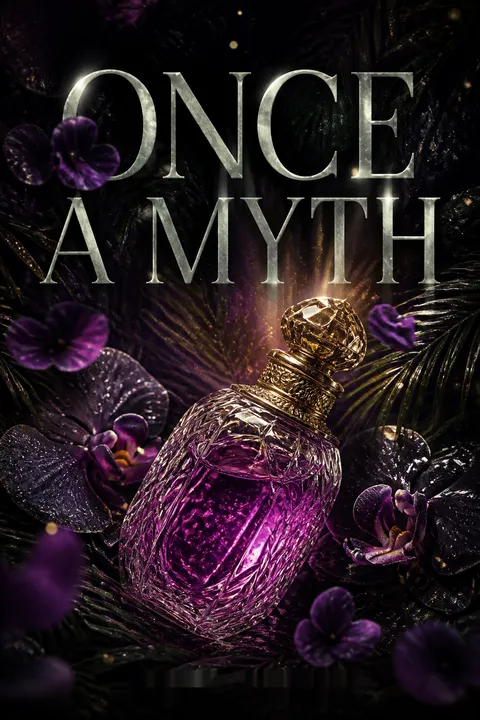
Once a Myth is a dark, unflinching exploration of power, consent, and the commodification of desire. Through the intertwined journeys of Eleanor and Sully, the novel interrogates the boundaries between victim and perpetrator, love and hate, freedom and captivity. The Goddess Isles are both paradise and prison, a microcosm of a world where bodies are bought, sold, and broken for profit. The elixir, Euphoria, and the rituals of the island serve as metaphors for the ways in which systems of power manipulate identity and agency, turning pleasure into a tool of control. At its core, the story is about survival—about the choices we make when all choices are taken away, and the resilience of the human spirit in the face of dehumanization. The relationship between Eleanor and Sully is both a battle and a seduction, a dance of dominance and vulnerability that challenges the reader to question their own complicity and desire. The novel's lessons are uncomfortable but necessary: that evil often wears a beautiful mask, that freedom is never given but fought for, and that even in the darkest places, the will to survive—and to love—can be both a curse and a salvation.
Review Summary
Once a Myth receives mostly positive reviews, praised for its dark, captivating storyline and complex characters. Readers appreciate the intense chemistry between Eleanor and Sullivan, the unique island setting, and Winters' skillful writing. Some criticize the book's morally questionable themes and cliffhanger ending. The story follows Eleanor's abduction and sale to Sullivan, who runs an island catering to wealthy men's fantasies. Many readers find themselves conflicted but addicted to the twisted narrative, eagerly anticipating the next installment.
Characters
Eleanor Grace (Jinx)
Eleanor is the heart of the story—a young woman whose innocence is shattered by abduction and enslavement. Initially trusting and optimistic, she is forced to confront the darkest aspects of humanity and herself. Her psychological journey is one of resistance, adaptation, and the constant struggle to retain her sense of self. Eleanor's relationship with Sully is fraught with hatred, attraction, and a dangerous intimacy. She is both victim and fighter, her spirit battered but unbroken. Over time, she learns to navigate the island's power dynamics, forming alliances and plotting escape, even as her body and mind are repeatedly betrayed.
Sullivan "Sully" Sinclair
Sully is a complex antagonist—ruthless, charismatic, and deeply damaged. He rules the Goddess Isles with absolute authority, justifying his actions with twisted logic and a veneer of benevolence. Sully's past is marked by loss and ambition, his morality shaped by the logic of power and profit. He is both fascinated and threatened by Eleanor, whose defiance and vulnerability awaken desires he cannot control. Sully's psychological landscape is a battleground of dominance, guilt, and longing for connection. His development is defined by his struggle to maintain control—over the island, the goddesses, and himself.
Jealousy (Jess)
Jealousy is a fellow goddess who has found a strange kind of peace in captivity. Her past is marked by abuse and abandonment, making the island a refuge rather than a prison. She is pragmatic, empathetic, and fiercely loyal to those she trusts. Jealousy becomes Eleanor's guide and friend, offering insight into the island's hidden dynamics and the psychology of survival. Her acceptance of her fate is both a warning and a comfort to Eleanor, highlighting the different ways trauma can shape identity and choice.
Calvin Moor (Cal)
Cal is Sully's right-hand man, responsible for the day-to-day operations of the island. He is efficient, discreet, and unwaveringly loyal to Sully. Cal's role is to enforce the rules, manage the goddesses, and ensure the smooth running of the business. He is both a facilitator and a gatekeeper, his presence a constant reminder of the island's power structure. Cal's psychological profile is defined by his ability to compartmentalize, maintaining a professional detachment from the suffering around him.
Tess
Tess is one of the women Eleanor meets in captivity, her story a parallel of loss and trauma. She is brave, outspoken, and quick to rebel, but her spirit is quickly crushed by the brutality of their captors. Tess's fate is left uncertain, serving as a reminder of the randomness and cruelty of their situation. Her presence in the early chapters underscores the importance of solidarity and the fragility of hope.
Markus Grammer
Markus is one of the island's wealthy clients, purchasing Eleanor's first night in Euphoria. He is entitled, eager, and utterly indifferent to her suffering. Markus represents the demand side of the island's economy—the men who pay for the illusion of consent and the reality of domination. His interactions with Eleanor are transactional, reducing her to a commodity. Markus's character is a critique of the systems that enable and profit from exploitation.
Jealousy's Parrot (Pika)
Pika is Sully's pet parrot, a mischievous and intelligent creature who moves freely around the island. Pika's presence is a recurring motif, symbolizing the possibility of escape and the contrast between captivity and autonomy. The bird's relationship with both Sully and Eleanor highlights the complexities of attachment, loyalty, and the longing for freedom.
The Other Goddesses
The other women on the island each represent different responses to captivity—some adapt, some resist, some break. Their stories are woven throughout the narrative, providing context and contrast to Eleanor's journey. They are both competitors and potential allies, their fates a constant reminder of what is at stake.
Dr. Campbell
The island's doctor, Dr. Campbell, is responsible for the health and well-being of the goddesses. He is professional, compassionate, and complicit, providing medical care while turning a blind eye to the moral cost of his employment. Dr. Campbell's presence underscores the normalization of abuse and the ways in which systems of power co-opt even those who mean well.
Scott
Scott is Eleanor's boyfriend, left behind in Mexico when she is abducted. His absence haunts Eleanor, representing the life and love she has lost. Scott's memory is both a source of pain and a touchstone for hope, reminding Eleanor of who she was before the island and who she might become again.
Plot Devices
Dual Narration and Psychological Intimacy
The story is told through the alternating viewpoints of Eleanor and Sully, allowing readers to experience the psychological complexity of both captor and captive. This dual narration creates a sense of intimacy and tension, exposing the contradictions, justifications, and vulnerabilities of each character. The shifting perspectives blur the lines between victim and villain, complicating the reader's sympathies and deepening the emotional impact.
The Elixir as a Tool of Control
The elixir is a central plot device, used by Sully to enforce obedience and facilitate the island's business. Its effects are both physical and psychological, stripping away inhibition and turning pleasure into a weapon. The elixir's power lies in its ability to make the goddesses complicit in their own exploitation, blurring the boundaries between agency and coercion. It also serves as a metaphor for the ways in which systems of power manipulate desire and identity.
The Contract and the Illusion of Choice
The contract Sully offers—four years of service in exchange for eventual freedom—is both a lifeline and a trap. It creates the illusion of choice, offering hope while enforcing submission. The contract is a recurring motif, symbolizing the transactional nature of the island and the commodification of bodies and souls. It also raises questions about the nature of consent, agency, and the price of survival.
Euphoria and Virtual Reality
Euphoria, the island's signature experience, is a virtual reality that manipulates every sense, creating immersive fantasies for both guests and goddesses. It is a place where boundaries dissolve, and the distinction between reality and illusion is erased. Euphoria serves as both a literal and metaphorical space, exploring the dangers and seductions of fantasy, the loss of self, and the ultimate cost of surrender.
Foreshadowing and Thematic Echoes
The narrative is structured around recurring motifs—tests of survival, the loss of identity, the struggle for control. The opening pop quiz foreshadows the trials to come, while the repeated use of names, contracts, and rituals reinforces the themes of ownership and resistance. The story is cyclical, with each act of violence or intimacy echoing previous traumas and setting the stage for future confrontations.
Goddess Isles Series

About the Author



Download PDF
Download EPUB
.epub digital book format is ideal for reading ebooks on phones, tablets, and e-readers.








































