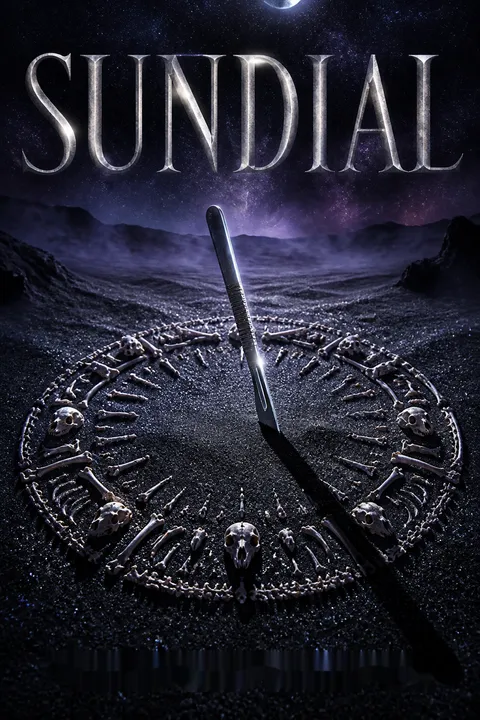

Plot Summary
Suburban Shadows and Secrets
Rob Cussen's life in the suburbs is a careful performance: a teacher, wife, and mother of two daughters, Annie and Callie. But beneath the surface, her marriage to Irving is brittle, haunted by his affairs and her own sense of alienation. Callie, her older daughter, is intense, secretive, and obsessed with death and anatomy, while Annie is fragile and dreamy. When Annie falls ill and Rob suspects Irving's infidelity, the family's delicate balance begins to unravel. The home, once a sanctuary, becomes a stage for silent battles, unspoken resentments, and the first hints of something deeply wrong within the family's core.
The Unraveling Family Thread
As Annie's illness isolates the family, Rob's suspicions about Irving's affair with their neighbor Hannah grow. Callie's disturbing interests—her fascination with murder, her collection of animal bones—become more pronounced. The family's interactions are laced with passive aggression, power struggles, and emotional manipulation. Rob's sense of control slips as she realizes she cannot protect her daughters from each other, or from the darkness within themselves. The family's unity is a fragile illusion, threatened by both external betrayals and the dangerous undercurrents running through their home.
Callie's Dark Fascinations
Callie's behavior grows increasingly alarming: she hoards animal bones, creates anatomical collages, and is implicated in the near-poisoning of her sister. Rob discovers Callie's secret stash—dead animals, hydrogen peroxide, and the cap to Irving's diabetes medicine. The evidence points to Callie's involvement in Annie's brush with death, but Rob is torn between horror and a desperate need to understand her daughter. The boundaries between love, fear, and revulsion blur as Rob confronts the possibility that her child is capable of real harm.
The Poisoned Bond
The near-fatal incident with Annie forces Rob to confront the reality of Callie's violence. In a moment of anguish, Rob strikes Callie, breaking a lifelong vow never to harm her children. The act is both a rupture and a strange moment of intimacy, as mother and daughter finally acknowledge the darkness between them. Rob's guilt is overwhelming, but so is her determination to protect both daughters—even if it means making an impossible choice. The family's bonds are poisoned, yet in their brokenness, a new, raw honesty emerges.
The Sundial Return
Fearing for Annie's safety, Rob takes Callie to Sundial, her childhood home in the Mojave desert. The journey is fraught with tension and uncertainty, as Rob grapples with memories of her own troubled upbringing. Sundial is a place of secrets, built by her father Falcon as a utopian experiment but haunted by trauma and loss. The desert's vastness mirrors the emotional distance between Rob and Callie, yet it also offers a chance for confrontation and, perhaps, healing. The return to Sundial is both an escape and a reckoning.
Ghosts of the Desert
At Sundial, the ghosts of Rob's childhood—her twin sister Jack, her adoptive parents Falcon and Mia, and the legacy of scientific experimentation—loom large. The house is filled with memories of love, cruelty, and betrayal. Rob and Callie's relationship is tested as they navigate the haunted landscape, both literal and psychological. The desert's isolation strips away the veneer of normalcy, forcing mother and daughter to face the truths they have long avoided. The past is not dead; it is alive in every stone, every shadow, every secret buried in the sand.
The Past Unearthed
As Rob unpacks her memories, she recalls the experiments Falcon and Mia conducted on her and Jack—genetic editing, psychological tests, and the infamous "click" that was meant to suppress violent tendencies. The truth about Sundial's dog experiments and the fate of the "bad dogs" becomes clear: the family's legacy is one of manipulation and control, justified as love. Rob discovers Jack's hidden letter, revealing the sisters' true origins as survivors of the notorious "puppy farm," a place of unimaginable abuse. The revelation shatters Rob's identity and forces her to confront the cycle of trauma she is perpetuating.
Sisters in the Dark
The relationship between Rob and Jack is central—a bond forged in shared suffering and betrayal. Their childhood at Sundial was marked by both fierce loyalty and deep wounds. As adults, their paths diverged: Rob sought normalcy, Jack spiraled into addiction and instability. Yet their stories remain intertwined, each haunted by the other's choices. The past is a labyrinth of love and violence, and the sisters' fates are inextricably linked. In the end, Jack's sacrifice saves Rob and Callie, but the cost is irrevocable.
The Click and the Dogs
The "click"—a genetic intervention designed to suppress aggression—becomes a symbol of the family's attempt to control what they fear. The experiments on dogs, and later on Rob and Jack, are acts of desperation and hubris. The click works, until it doesn't: when it fails, violence erupts, both in animals and humans. The dogs' fate mirrors the family's—controlled, manipulated, and ultimately abandoned to their own natures. The legacy of the click is a warning about the dangers of trying to erase darkness rather than understand it.
The Puppy Farm Truth
The true story of the puppy farm is revealed: Rob and Jack were not born to Falcon and Mia, but rescued from a house of horrors where children were caged, abused, and sold. Their earliest memories are of survival, violence, and escape. The trauma of the puppy farm is the root of their struggles, shaping their identities and relationships. The revelation forces Rob to reevaluate everything she thought she knew about herself, her family, and her capacity for both love and harm.
The Decision Tree
Rob's life is governed by decision trees—logical branches leading to inevitable conclusions. Faced with the threat Callie poses to Annie, and the legacy of violence she carries, Rob contemplates the unthinkable: using the click on her own daughter, or even killing her to protect Annie. The decision tree becomes a symbol of the limits of reason in the face of love and fear. Rob's struggle is the heart of the novel—a mother's desperate attempt to save her children from themselves, and from her own past.
The Graveyard Pact
The climax at Sundial is a convergence of past and present violence. The graveyard, filled with the bones of dogs and secrets, becomes the stage for the final confrontation. Rob and Callie are forced to face the consequences of their family's choices: the unleashed dogs, the buried traumas, the ghosts that refuse to rest. Sacrifice is inevitable—Jack's death, the destruction of the click, and the burial of the past. The graveyard pact is both an ending and a beginning.
The Final Hunt
As the family's secrets explode into violence, the lines between hunter and hunted blur. Irving's arrival at Sundial triggers a deadly confrontation, with Rob and Callie forced to defend themselves against his rage. The unleashed dogs, descendants of Sundial's experiments, become both threat and salvation. The final hunt is a reckoning—a test of survival, loyalty, and the capacity for mercy. In the end, it is not science or violence that saves them, but the bond between mother and daughter.
The Last Sacrifice
With Irving dead and the click destroyed, Rob and Callie must confront the aftermath. The sacrifices made—Jack's life, Mia and Falcon's deaths, the loss of innocence—are the price of breaking the cycle. Rob buries the past, both literally and figuratively, and chooses to protect her daughters at any cost. The last sacrifice is an act of love, not violence: the decision to accept imperfection, to live with the darkness rather than deny it.
The Choice That Defines
The novel's resolution is not a return to normalcy, but an embrace of complexity. Rob and Callie, scarred but alive, choose each other. The decision tree leads not to destruction, but to a fragile hope. The past cannot be erased, but it can be acknowledged and survived. The choice that defines them is not to be good or bad, but to be human—to love, to forgive, to endure.
The Cycle Continues
As Rob and Callie race to save Annie from repeating the family's mistakes, the novel acknowledges that cycles of trauma are hard to break. The clock of sisters—Rob and Jack, Callie and Annie—ticks on, measuring the passage of pain and love through generations. The future is uncertain, but the possibility of change remains. The cycle continues, but so does the hope for something better.
The Clock of Sisters
Throughout the novel, clocks and timepieces symbolize the relentless march of memory and inheritance. Sisters are both keepers and victims of time, their lives measured by the choices they make and the secrets they keep. The clock of sisters is a reminder that the past is never truly past, but also that each generation has the power to shape what comes next.
The Light Beyond Sundial
In the aftermath, Rob and Callie look toward an uncertain future. The light beyond Sundial is not a promise of happiness, but of possibility. The family's story is one of survival, not triumph—a testament to the endurance of love in the face of darkness. As they drive toward Annie's pink star lamp, Rob and Callie carry with them the scars of the past and the hope that, this time, they can protect what matters most.
Analysis
Sundial is a harrowing exploration of generational trauma, the limits of love, and the dangers of trying to control what we fear most in ourselves and others. Through its intricate structure and psychologically rich characters, the novel interrogates the legacy of abuse, the ethics of scientific intervention, and the impossibility of escaping the past. At its core, Sundial is about mothers and daughters, sisters and rivals, and the ways in which family can both wound and redeem. The novel refuses easy answers: violence begets violence, but love persists even in the darkest places. The "click" is both a metaphor for the desire to erase pain and a warning about the costs of denial. Ultimately, Sundial suggests that healing is not about forgetting or fixing, but about facing the truth, accepting imperfection, and choosing, again and again, to protect what matters most. The cycle of trauma may continue, but so does the possibility of change—a fragile hope, shining like a pink star in the desert night.
Review Summary
Reviews for Sundial are polarizing, averaging 3.78/5. Many readers praise Catriona Ward's atmospheric, hypnotic prose and shocking twists, with some calling it a masterpiece of psychological horror. Common criticisms include slow pacing in the middle sections, a confusing "book within a book" narrative, and an overabundance of storylines lacking cohesion. Nearly all reviewers flag significant content warnings, particularly extensive animal cruelty involving dogs. Most readers familiar with Ward's previous work, The Last House on Needless Street, felt that novel was superior, though many still eagerly anticipate Ward's future releases.
People Also Read
Characters
Rob Cussen
Rob is the novel's central consciousness—a woman shaped by trauma, desperate for normalcy, and fiercely protective of her children. Raised at Sundial after being rescued from the puppy farm, she is both victim and perpetrator, carrying the scars of abuse and the guilt of violence. Her relationship with her twin sister Jack is the axis of her emotional life, marked by love, rivalry, and betrayal. As a mother, Rob is torn between her love for Callie and her fear of what Callie might become. Her psychological complexity lies in her capacity for both tenderness and brutality, her longing for safety, and her willingness to do whatever it takes to protect her daughters—even at the cost of her own soul.
Callie Cussen
Callie is Rob's elder daughter, a precocious and unsettling child whose fascination with death, anatomy, and control mirrors the family's legacy. She is both victim and threat—capable of cruelty, yet desperate for connection. Callie's psychological landscape is shaped by her mother's ambivalence, her father's manipulation, and the secrets she intuits but cannot fully understand. Her imaginary companion, Pale Callie, represents both trauma and resilience—a ghostly echo of her aunt Jack and the family's buried past. Callie's journey is one of self-discovery, as she grapples with the possibility of inheriting violence and the hope of breaking free.
Jack
Jack is Rob's twin and shadow, embodying the family's capacity for both love and destruction. Marked by addiction, instability, and the failure of the click, Jack is both a warning and a savior. Her relationship with Rob is intense, competitive, and ultimately redemptive—she sacrifices herself to save Rob and Callie, breaking the cycle of violence at the cost of her own life. Jack's psychological depth lies in her awareness of her own brokenness and her determination to protect her sister, even through acts of cruelty and self-destruction.
Irving Cussen
Irving is Rob's husband and Callie's father—a man whose charm masks deep-seated cruelty and narcissism. His relationships are transactional, his love conditional, and his violence both physical and psychological. Irving's manipulation of Rob and Callie perpetuates the cycle of trauma, and his final confrontation at Sundial is the catalyst for the novel's climax. He is both a product and a perpetrator of generational harm, embodying the dangers of unchecked power and entitlement.
Annie
Annie is Rob's younger daughter, outwardly gentle and vulnerable but carrying her own darkness. She is both victim and potential perpetrator, echoing the family's legacy of hidden violence. Annie's relationship with Callie is complex—she is both protected and endangered by her sister. Her role in the novel's final act suggests that the cycle of trauma may continue, despite Rob's efforts to break it.
Mia
Mia is Falcon's partner and Rob and Jack's adoptive mother—a woman driven by both love and guilt. Her scientific ambitions lead her to participate in the click experiments, blurring the line between care and control. Mia's relationship with the girls is fraught with unspoken pain, but her devotion is genuine. She is both a victim of circumstance and an agent of harm, seeking redemption through sacrifice and honesty.
Falcon
Falcon is the architect of Sundial—a visionary who seeks to create a utopia through science and self-sufficiency. His love for Rob and Jack is real, but his need for control and his willingness to experiment on his children make him a tragic figure. Falcon's inability to protect his family from harm, or to acknowledge his own complicity, is at the heart of the novel's critique of paternal authority.
Pawel
Pawel is a former convict and the first human subject of the click—a man haunted by his own violent past. His relationship with Rob and Jack is one of both care and complicity; he helps Jack manage her addiction but is ultimately exiled for his failures. Pawel's presence is a reminder that trauma and violence are not unique to the Cussen family, but part of a larger human story.
Hannah Goodwin
Hannah is Rob's neighbor and Irving's lover—a woman whose friendship with Rob is both genuine and fraught with competition. Her role in the family's unraveling is both passive and pivotal; she is the object of Rob's envy and the catalyst for Annie's final crisis. Hannah represents the seductive promise of normalcy, and the dangers of ignoring what lies beneath the surface.
Pale Callie
Pale Callie is Callie's imaginary companion, a spectral presence that echoes Jack's lost spirit and the family's buried pain. She is both a warning and a comfort, guiding Callie through danger and helping her make sense of the world's darkness. Pale Callie's existence blurs the line between reality and imagination, trauma and resilience, past and present.
Plot Devices
Dual Narrative Structure
The novel alternates between Rob's present-day struggle to protect her daughters and her memories of childhood at Sundial. This structure allows the reader to experience the slow revelation of secrets, the mirroring of past and present, and the cyclical nature of trauma. The interludes from Callie's perspective, as well as the metafictional "Arrowood" boarding school stories, provide additional layers of meaning and emotional resonance.
The Click
The click—a genetic intervention designed to suppress violence—serves as both a literal and symbolic device. It represents the family's attempt to control what they fear, the dangers of scientific hubris, and the impossibility of erasing darkness without understanding it. The click's failure is a metaphor for the limits of reason and the persistence of trauma.
Foreshadowing and Symbolism
Throughout the novel, clocks and timepieces symbolize the relentless passage of trauma through generations. Bones—animal and human—represent both death and the possibility of transformation. The desert is both a place of exile and revelation, its vastness mirroring the characters' emotional isolation and the buried secrets that shape their lives. The recurring motif of the pink star lamp, the graveyard, and the sundial itself all serve as symbols of memory, loss, and the hope for renewal.
Metafictional Interludes
The "Arrowood" boarding school tales, written by Rob and read by Callie, function as a metafictional device—stories within the story that reflect and refract the characters' inner lives. These interludes provide insight into Rob's longing for order and innocence, Callie's struggle with identity, and the family's collective yearning for a world where rules can protect them from harm.
The Decision Tree
Rob's habit of constructing decision trees—mapping out choices and consequences—serves as a narrative device to explore the limits of rationality in the face of love, fear, and violence. The decision tree becomes a symbol of the impossible choices parents must make, and the ways in which logic can both illuminate and obscure the truth.
About the Author

Download PDF
Download EPUB
.epub digital book format is ideal for reading ebooks on phones, tablets, and e-readers.








































