
Plot Summary
Ghosts of the Past
Irina van Breda's life is shaped by the ghosts of her past—children she killed in underground death fights to survive. Now in Miami, she tries to build a new life, but the trauma lingers. She exists in a liminal space, unable to fully embrace her freedom or let go of the violence that defined her. Her memories are not just recollections but living presences, haunting her every step. The world she escaped from was brutal, ruled by men who trafficked children for sport, and her survival came at the cost of her innocence. The ghosts are a constant reminder of what she's done and what she's lost, making it nearly impossible to move forward without reckoning with the past.
The Girl Who Ran
Irina's escape from Brazil is both literal and symbolic. She leaves behind the only family she's ever known—her fellow fighters and trainers—to start anew in America. Miami offers her anonymity and a chance to reinvent herself, but she is still running, not just from her past but from herself. She constructs a small, safe world: a tiny condo, a job at a Cuban restaurant, and a best friend, Nandy, who helps her shed her Russian accent. Yet, beneath the surface, Irina is restless, unable to find meaning in her new existence. Her flight is an act of defiance, but also of desperation, as she seeks a place where she can finally stop running.
Dead Eyes and the Storm
Eason "Dead Eyes" Malone, another survivor of the fight camps, is adrift in Miami, crippled by depression and guilt over his brother's death. He and Irina are drawn together by their shared history and mutual understanding of violence and loss. Eason is fascinated by Irina's resilience, while she is intrigued by his darkness. Their connection is immediate but fraught, as both are wary of intimacy and trust. Eason's nickname, "Dead Eyes," reflects his emotional numbness, while Irina's self-identification as "the storm" hints at her suppressed rage and potential for destruction. Together, they begin to confront the possibility of healing, even as their pasts threaten to pull them under.
Miami's False Paradise
Miami is a city of contrasts for Irina and Eason. The sun, sand, and ocean offer the illusion of paradise, but beneath the surface lies a world of exploitation and pain. Irina's modeling gig, which lands her face on billboards worldwide, is a stark reminder of her objectification and the commodification of suffering. Eason, despite his wealth and comfort, feels alienated and unmoored. Both are surrounded by abundance yet feel impoverished in spirit. The city's vibrancy only highlights their sense of isolation, as they struggle to reconcile their traumatic histories with the promise of a better life.
The Cost of Living
For Irina and Eason, survival has always come at a cost. In the camps, the price was blood; in Miami, it is the constant effort to appear normal. Irina's frugality and minimalist lifestyle are remnants of her fight for survival, while Eason's detachment is a shield against further pain. Both are acutely aware that safety and comfort are fragile, easily lost. The "cost of living" is not just financial but emotional—a daily negotiation between the desire for connection and the fear of vulnerability. Their relationship becomes a test of whether they can afford to let someone in without losing themselves.
Training for Survival
Irina's restlessness leads her back to fighting, not for survival but for meaning. Eason becomes her trainer, pushing her to confront her limits and redefine her strength. Their training sessions are both physical and emotional, as they challenge each other to face their fears and desires. The discipline and camaraderie of the gym offer a semblance of the family they lost, but also force them to confront the violence that shaped them. Through training, they begin to reclaim agency over their bodies and their stories, forging a partnership that is as much about healing as it is about fighting.
The Weight of Freedom
Escaping the camps was supposed to mean liberation, but for Irina and Eason, freedom is heavy with guilt and uncertainty. They struggle with survivor's guilt, haunted by those who didn't make it out. The promise of a new life is complicated by the realization that trauma doesn't disappear with distance. Irina, in particular, feels unmoored, unsure of who she is without the constant threat of death. Eason, too, finds that wealth and safety cannot fill the void left by years of violence. Together, they must learn to carry the weight of their freedom without letting it crush them.
Unraveling the Truth
As Irina and Eason grow closer, the truth about their pasts—and the people who shaped them—comes to light. Eason reveals the depth of his trauma, including the betrayal by his own family and the horrors he witnessed in the camps. Irina confronts the reality that her escape did not end the cycle of violence; the fight camps still exist, and children continue to suffer. Their relationship is tested by these revelations, as they must decide whether to confront the past head-on or continue running from it. The process of unraveling the truth is painful but necessary for healing.
Sick Hate, Sick World
Irina's rage at the world that made her a killer is both her greatest weakness and her greatest strength. She is consumed by a "sick hate" for the men who profited from her suffering and the suffering of others. Eason, too, is driven by anger—at his father, at the system, at himself. Their hatred is a double-edged sword, threatening to destroy them even as it propels them forward. The challenge is to transform that hate into something constructive, to find a way to fight back without becoming what they despise. The world they inhabit is sick, but so is their determination to survive and protect others.
The Intervention
Irina's carefully constructed life is upended when her Miami "family"—Nandy and the Jardinez clan—stage an intervention. They see through her façade and demand honesty, forcing her to confront the reality of her trauma and her need for help. The intervention is both a confrontation and an act of love, as her friends refuse to let her self-destruct. Eason, too, is drawn into this circle of care, finding acceptance and support he never expected. The intervention marks a turning point, as Irina realizes she doesn't have to face her demons alone.
The Language of Pain
Language—spoken, signed, and unspoken—plays a crucial role in Irina's journey. Her ability to communicate in multiple languages, including a unique sign language from the camps, becomes a lifeline for a lost deaf girl she encounters. This act of connection is both a reminder of her own pain and a source of hope, as she realizes she can use her experiences to help others. The language of pain is universal, but so is the language of healing. Through communication, Irina begins to transform her suffering into compassion and purpose.
The Lost and the Found
Irina's decision to help the lost deaf girl is a turning point. In saving another child from the fate she escaped, she finds a measure of redemption. The act of rescue is both literal and symbolic—a way to reclaim agency and rewrite her story. Eason, too, is changed by this experience, as he witnesses Irina's capacity for kindness and courage. Together, they realize that while they cannot save everyone, they can make a difference, one person at a time. The lost are not beyond hope, and the found are not beyond healing.
Family by Choice
The concept of family is redefined for Irina and Eason. Blood ties are less important than the bonds forged through shared struggle and mutual support. Their found family includes not just each other, but Nandy, the Jardinez clan, and the children they help. The process of building this family is messy and imperfect, but it offers a sense of belonging and stability they never had before. Through love, loyalty, and shared purpose, they create a home that is stronger than the sum of its parts.
Letting Go of Yesterday
Healing requires letting go—not of memories, but of the hold they have on the present. Irina and Eason must learn to forgive themselves and each other, to accept that the past cannot be changed but the future is still unwritten. This process is painful and ongoing, marked by setbacks and breakthroughs. Letting go is not about forgetting, but about choosing to live fully despite the scars. It is an act of courage, a declaration that they are more than what was done to them.
The New Beginning
With the past acknowledged and the ghosts laid to rest, Irina and Eason begin to build a new life together. Their relationship is grounded in honesty, vulnerability, and mutual respect. They embrace the possibility of happiness, even as they remain vigilant against the darkness that once consumed them. The new beginning is not a fairy tale, but a hard-won victory—a testament to their resilience and capacity for love. Together, they choose hope over despair, life over mere survival.
Anchors and Drifters
Irina and Eason are both drifters, unmoored by trauma and loss. Yet, in each other, they find an anchor—a reason to stay, to build, to hope. Their partnership is not without challenges, but it offers a sense of stability and purpose that neither thought possible. They learn that healing is not a destination but a journey, and that the best way to weather life's storms is together. Anchored by love, they are free to drift toward a future of their own making.
The Rescue Mission
The act of rescuing the lost deaf girl becomes a metaphor for Irina and Eason's own salvation. In helping others, they help themselves, finding meaning and redemption in acts of kindness. The rescue mission is not just about saving one child, but about breaking the cycle of violence and offering hope to those who have none. It is a reminder that even in a sick world, small acts of courage can make a difference. Through rescue, they reclaim their humanity and their right to happiness.
The Power of Kindness
In the end, it is not hate or violence that brings healing, but kindness. Irina and Eason learn that the only way to break the cycle of pain is to choose compassion, for themselves and for others. Their journey is a testament to the transformative power of love, forgiveness, and community. The world may be sick, but kindness is the cure. By choosing to care, to connect, and to hope, they create a future that is brighter than their past.
Analysis
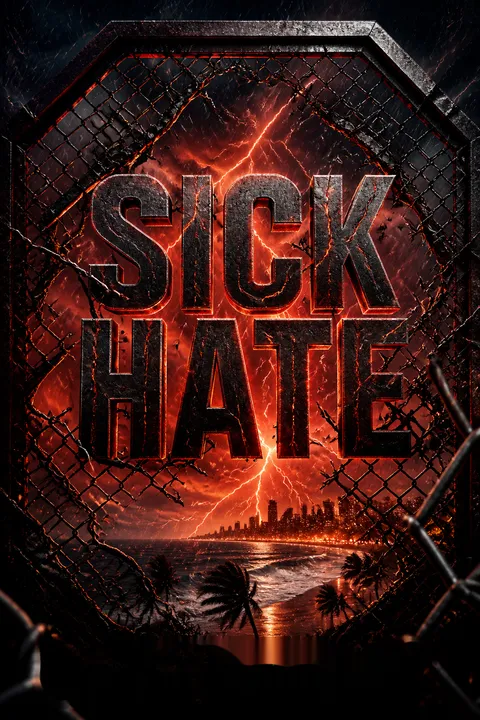
A modern meditation on trauma, survival, and the search for meaningSick Hate is a raw, unflinching exploration of what happens after the rescue—when the fight for survival is over, but the battle for healing has just begun. Through the intertwined stories of Irina and Eason, the novel interrogates the long-term effects of violence, the complexity of survivor's guilt, and the difficulty of building a new life on the ruins of the old. The book rejects easy answers, instead embracing the messiness of recovery: the setbacks, the contradictions, the need to change one's mind as new truths emerge. At its core, Sick Hate is about the power of found family, the necessity of kindness, and the courage it takes to let go of hate. It challenges readers to consider how we carry our ghosts, how we define ourselves beyond our wounds, and how, even in a sick world, small acts of love can be revolutionary. The ultimate lesson is that healing is not about erasing the past, but about choosing to live—and to love—despite it.
Review Summary
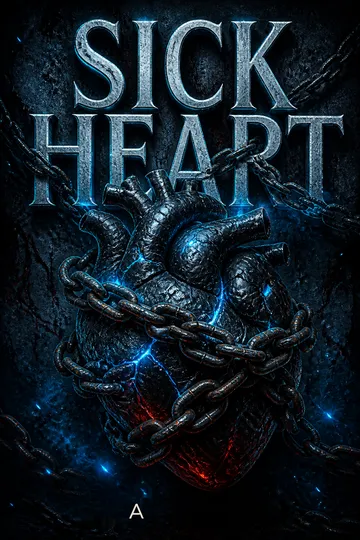
Sick Hate is a highly-rated sequel in J.A. Huss's Sick World series, continuing the story seven years after the events of Sick Heart. Readers praise the emotional depth, character development, and slow-burn romance between Irina and Eason, two survivors of child trafficking and death fights. The book explores themes of healing, love, and finding purpose after trauma. Many reviewers appreciate the author's skillful storytelling and the unexpected twists in the narrative. While some found the pacing slower than the first book, most consider it a powerful and thought-provoking read.
People Also Read




Characters
Irina van Breda
Irina is a young woman forged in the crucible of underground death fights, where she killed to survive from the age of six. Her escape to Miami is both a physical and psychological journey, as she struggles to reconcile her violent past with the possibility of a peaceful future. Irina is fiercely independent, resourceful, and resilient, but also deeply wounded. Her relationships are marked by both longing and fear, as she yearns for connection but is terrified of vulnerability. Psychoanalytically, Irina embodies the trauma survivor's paradox: desperate to move on, yet unable to let go. Her development is a slow, painful process of learning to trust, to love, and to forgive herself. Her bond with Eason is transformative, offering her a chance at redemption and belonging.
Eason "Dead Eyes" Malone
Eason is a former child fighter, marked by physical and emotional scars. His nickname, "Dead Eyes," reflects his emotional numbness and the weight of his guilt—especially over his brother's death and his own complicity in the system that exploited him. Eason is both protector and destroyer, capable of great violence but also deep tenderness. His relationship with Irina is a lifeline, pulling him back from the brink of despair. Psychoanalytically, Eason is trapped in a cycle of self-loathing and avoidance, using training and routine to stave off depression. His development hinges on his ability to accept love and to find purpose beyond survival. Through Irina, he learns that healing is possible, even for the most damaged.
Maart Carvalho
Maart is Irina's former trainer and a surrogate father figure. He is driven by a fierce sense of duty to protect his "kids," but this often manifests as control and emotional distance. Maart's inability to let go of the past—and of Irina—reflects his own unresolved trauma. He is haunted by the choices he made, especially in forcing Irina to stop fighting and inadvertently pushing her away. Psychoanalytically, Maart is a classic caretaker, sacrificing his own needs for others but struggling to express love in healthy ways. His arc is one of learning to release control and accept that his "children" must forge their own paths.
Nandy Jardinez
Nandy is Irina's best friend in Miami, a linguistics student who helps Irina shed her Russian accent and adapt to American life. She is warm, perceptive, and fiercely protective, serving as both confidante and challenger. Nandy's family, the Jardinez clan, becomes Irina's surrogate family, offering her a sense of belonging and stability. Psychoanalytically, Nandy represents the possibility of integration—of blending past and present, trauma and healing. Her role is crucial in Irina's journey toward self-acceptance and community.
Mackenzie "Beth" Scott
Beth is a former Ring of Fire reporter and survivor of the same world that shaped Irina and Eason. She is both observer and participant, using storytelling to make sense of her own trauma. Beth's relationship with Maart is a late-in-life romance, offering both of them a chance at happiness after years of pain. Psychoanalytically, Beth is a witness—someone who carries the stories of others as a way to process her own. Her arc is about letting go of the past and embracing the possibility of a new identity.
Paulo
Paulo is one of Irina's closest friends from the camps, a fellow survivor who becomes a professional MMA fighter. He is loyal, caring, and grounded, serving as both protector and reality check. Paulo's relationship with Irina is sibling-like, marked by mutual respect and affection. Psychoanalytically, Paulo represents the possibility of moving beyond trauma without forgetting it. He is proof that survival can lead to growth, not just endurance.
Budi
Budi is another of Irina's camp brothers, notable for his size and quiet demeanor. He is a stabilizing presence, offering support without judgment. Budi's development is subtle but significant, as he learns to assert himself and find his own path. Psychoanalytically, Budi embodies the strength that comes from vulnerability and connection.
Maeko
Maeko is part of Irina's found family, a fighter who, like Paulo, must decide what comes after survival. He is adaptable, resourceful, and introspective, grappling with questions of identity and purpose. Maeko's journey mirrors Irina's in many ways, as he seeks to define himself outside the context of violence.
Jilly
Jilly is a deaf girl found abandoned in Miami, traumatized and unable to communicate—until Irina reaches her through their shared camp sign language. Jilly's presence is a catalyst for Irina's healing, as rescuing her becomes an act of self-redemption. Psychoanalytically, Jilly represents the wounded inner child, the part of Irina that still needs saving.
Romero Jardinez
Romero is Nandy's father and the head of the Jardinez family. He is a figure of authority and compassion, using his resources to help Irina and Jilly. Romero's role is that of the benevolent patriarch, offering guidance and support without judgment. Psychoanalytically, he represents the possibility of safe attachment and the healing power of community.
Plot Devices
Dual Narratives and Interwoven Timelines
The novel employs dual perspectives—primarily Irina and Eason—allowing readers to experience the story from both a female and male survivor's point of view. Their narratives are interwoven with flashbacks to the camps, creating a layered understanding of how trauma shapes identity. The structure mirrors their psychological journeys: fragmented, nonlinear, and marked by moments of revelation. The use of found family, interventions, and rescue missions provides a framework for exploring themes of redemption and belonging. Foreshadowing is used to hint at the persistence of evil and the difficulty of true escape, while the eventual rescue of Jilly serves as both a literal and symbolic climax. The narrative's cyclical nature—beginning and ending with acts of violence and kindness—reinforces the idea that healing is an ongoing process, not a final destination.
Sick World Series Series

About the Author
Other books by J.A. Huss





Download PDF
Download EPUB
.epub digital book format is ideal for reading ebooks on phones, tablets, and e-readers.








































