

Plot Summary
Altar of Blood and Betrayal
Ilyana is bound on the altar, forced to face death at the hands of Henri, the man she loves. Victor, the sadistic Master, orchestrates a ritual meant to break them all, demanding Henri kill Ily to prove his loyalty. In a moment of agony and connection, Henri refuses, turning his violence on Victor and the guards instead. Blood spills, chaos erupts, and the fragile hope of escape flickers. Ily forgives Henri, their bond unbroken even as the world collapses around them. The altar becomes a crucible, forging their love in the fire of betrayal and sacrifice, setting the stage for a desperate fight for survival.
The Monster Unleashed
Henri, driven by rage and despair, unleashes the darkness within him. He fights with ferocity, slashing and killing, but is ultimately overwhelmed by Victor's guards. The violence is relentless—Henri is beaten nearly to death as Ily and Peter watch, powerless and broken. The violence is both a punishment and a test, pushing Henri to the edge of humanity. The aftermath leaves him shattered, his body and spirit barely clinging to life. The monster inside him, once a shield, now threatens to consume him entirely, and the cost of resistance becomes almost unbearable.
Chains in the Dark
Henri, Ily, and Peter are thrown into a dungeon, collared and chained, left to rot in darkness. Days blur into weeks as hunger, cold, and isolation gnaw at their bodies and minds. Yet, in the bleakness, their connection deepens—poetry, whispered affirmations, and shared suffering become lifelines. The dungeon is both a tomb and a crucible, testing their will to survive and their capacity for love. The outside world fades, replaced by the rhythm of pain and fleeting moments of comfort. Their hope is fragile, but it endures, a stubborn flame in the suffocating dark.
Victor's Experiment
Victor returns, intent on breaking Henri and Ily through psychological warfare. He manipulates their love, using it as a weapon to force obedience. Henri is subjected to humiliation, violence, and the threat of sexual domination, all while being forced to submit to Victor's will to protect Ily. The lines between love and pain, loyalty and survival, blur. Victor's experiment is a study in power—how far can love be twisted before it breaks? Henri's resistance is tested, and Ily's suffering becomes the lever Victor uses to control them both.
Collared and Broken
Henri is collared, stripped of his identity, and forced to endure Victor's "training" as a jewel. Submission becomes a means of survival, but each act of obedience chips away at his soul. Ily and Peter are used as pawns, their pain the price of Henri's defiance. The ballroom becomes a stage for public humiliation, where Henri is whipped, beaten, and paraded as an example. The cost of survival is steep—dignity, autonomy, and hope are traded for the faint promise of protecting those he loves. Yet, even in submission, Henri's spirit flickers, refusing to be fully extinguished.
The Ballroom of Hunger
Chained and displayed, Ily and Peter endure hunger and humiliation as Victor's guests feast and jeer. Henri, the centerpiece of Victor's cruelty, is subjected to public torture—paintball games, whippings, and forced submission. The jewels are reminded of their powerlessness, their bodies and spirits eroded by deprivation. Yet, the bonds between them—glances, silent messages, and shared suffering—become acts of resistance. The ballroom, once a place of decadence, is now a theater of despair, but the seeds of rebellion are quietly sown in the shadows.
Submission and Survival
Henri's submission deepens as Victor escalates his punishments, using Ily's safety as leverage. The cycle of violence and obedience becomes a twisted dance, with Henri sacrificing his dignity to shield Ily from harm. Ily, in turn, begs Henri not to break, even as she is forced to witness his degradation. Their love is both a weapon and a wound, binding them together even as it is used against them. The cost of survival is measured in scars—physical, emotional, and spiritual—but their connection endures, a stubborn defiance in the face of annihilation.
The War Ignites
The long-awaited rebellion erupts as the jewels, guards, and a few Masters turn against Victor. Explosions rock the island, gunfire shatters the night, and the fortress becomes a battlefield. Henri, wounded but relentless, fights his way through the chaos to save Ily. Peter and Ily struggle to survive, their hope rekindled by the uprising. The cost is high—lives are lost, innocence is shattered, and the line between justice and vengeance blurs. The war is both an ending and a beginning, a violent reckoning that promises freedom but demands everything in return.
Hope in the Ashes
In the aftermath of the battle, the cost of freedom is laid bare. Ily and Peter are gravely wounded, and Henri is left to face the possibility of losing them both. The jewels mourn their dead, and the survivors are haunted by trauma and guilt. Victor is finally captured, his reign of terror ended by the very people he sought to destroy. Yet, victory is bittersweet—freedom comes at the price of innocence, and the scars of the past refuse to fade. In the ashes of the old world, hope flickers, fragile but unbroken.
The Price of Love
Ily and Peter's lives hang in the balance, and Henri is consumed by grief and guilt. In a moment of despair, he contemplates ending his own life, unable to bear the loss of his twin flame. Yet, love proves stronger than death—miracles unfold, and both Ily and Peter are pulled back from the brink. Forgiveness becomes the key to healing, as the survivors confront their pasts and choose to embrace the future. The price of love is steep, but it is also redemptive, offering a path to wholeness even in the wake of devastation.
Reunion and Revenge
The survivors are reunited, and the process of healing begins. Henri and Ily, scarred but alive, find solace in each other's arms. Peter, miraculously alive, returns to his family and begins to rebuild his life. Justice is served as Victor and his accomplices are hunted down and destroyed, their crimes exposed to the world. The bonds forged in suffering become the foundation for a new community—a family of survivors who refuse to be defined by their pain. Trust, once shattered, is slowly rebuilt, and the promise of a new beginning emerges.
The Final Hunt
Henri, unable to rest until every last monster is destroyed, embarks on a final hunt. With the help of Q, Ben, and Stewart, he tracks down the remaining traffickers, delivering justice with ruthless efficiency. The hunt is both a catharsis and a reckoning, allowing Henri to reclaim his agency and confront the darkness within. The legacy of Victor's cruelty is erased, one monster at a time, and the survivors are finally free to imagine a future unshadowed by fear. Closure is hard-won, but it is real.
Resurrection and Forgiveness
With the monsters vanquished, Henri and Ily are free to heal and build a life together. Their love, tested by fire, becomes a source of strength and renewal. Peter finds peace and love of his own, forging a new path beyond the trauma of the past. The survivors gather, forming a chosen family bound by shared suffering and hope. Forgiveness—of self and others—becomes the foundation for a new beginning. The scars remain, but they are no longer chains; they are reminders of resilience and the power of love to redeem even the darkest past.
A New Beginning
Henri and Ily settle into a new home, determined to build a life free from the shadows of their past. The gatehouse becomes a sanctuary, a place where love and laughter can flourish. They are joined by friends and family, including Peter, Rachel, and their children, forming a community of survivors who support and uplift one another. The wounds of the past are tended with care, and the future is embraced with hope. Happiness, once unimaginable, becomes a daily reality—a testament to the power of healing and the resilience of the human spirit.
Healing in the Light
As time passes, Henri and Ily continue to heal, both individually and together. They confront their fears, embrace their desires, and learn to trust in the safety of their love. The darkness that once defined them is transformed, no longer a curse but a source of strength. Their identities, once shaped by trauma, are now forged in the light of acceptance and self-love. The journey is ongoing, but each day brings new growth, deeper connection, and the quiet joy of ordinary life.
The Wedding of Scars
Henri and Ily's wedding is a celebration of survival, love, and the community they have built. Surrounded by friends, family, and fellow survivors, they exchange vows that honor both their scars and their dreams. The ceremony is a testament to the power of love to heal, unite, and transform. The past is acknowledged, but it no longer holds them captive. The future is embraced with open hearts, and the promise of a life together is sealed with joy and hope.
The Monster's Legacy
Henri and Ily welcome a daughter, confronting the fears and hopes that come with parenthood. The legacy of pain is transformed into a legacy of love, as they vow to protect and nurture their child. The darkness that once threatened to consume Henri becomes a source of wisdom and strength, guiding him to be the father and partner he never thought he could be. The family they create is a living testament to the possibility of redemption and the enduring power of love.
Diamonds from Darkness
The survivors' stories are finally told, their pain and triumphs shared with the world. Henri's memoir becomes a beacon for others, exposing the reality of darkness and the possibility of transformation. The diamonds forged in suffering shine with a light that cannot be extinguished. The past is not forgotten, but it is no longer a prison. The survivors, once broken, are now whole—living proof that even in the deepest darkness, love can create something unbreakable and beautiful.
Analysis
Diamond Kissesis a harrowing, unflinching exploration of trauma, survival, and the redemptive power of love. Winters crafts a narrative that refuses to shy away from the darkest corners of human experience, yet insists on the possibility of hope and healing. The novel interrogates the ways in which power, pain, and desire are entangled, challenging readers to confront uncomfortable truths about complicity, resilience, and the cost of freedom. At its core, the story is a testament to the strength of the human spirit—the capacity to endure, to forgive, and to build new lives from the wreckage of the past. The survivors' journey from submission to rebellion, from isolation to community, is both a searing indictment of cruelty and a celebration of the bonds that make survival possible. In a world where darkness often seems unbreakable, Diamond Kisses
insists that even the most shattered souls can become diamonds—unbreakable, luminous, and forged in fire.
Review Summary
Diamond Kisses concludes the dark and intense Jewelry Box series, wrapping up Henri and Ily's harrowing journey. Readers praise Winters' evocative writing, complex characters, and ability to elicit strong emotions. The book is described as action-packed, heart-wrenching, and a fitting end to the series. Many reviewers found it difficult to put down, despite its dark themes. While some felt it dragged in parts, most were satisfied with the resolution and appreciated the appearances of characters from previous series. Overall, it's considered a powerful and unforgettable finale.
People Also Read
Characters
Henri Mercer
Henri is a man forged in trauma, shaped by a childhood of abuse and a lifetime of violence. Initially a Master, he is drawn into Victor's world, only to be broken and remade as a jewel. His love for Ily is both his salvation and his curse, driving him to acts of sacrifice and submission. Henri's psyche is a battleground between the monster within and the man he longs to be. His journey is one of redemption—learning to accept love, forgive himself, and transform his darkness into strength. Through pain, loss, and vengeance, Henri emerges as a protector, partner, and father, his scars a testament to survival and hope.
Ilyana "Ily" Sharma
Ily is the emotional core of the story—a woman of fierce compassion, unbreakable will, and deep vulnerability. Kidnapped and forced into Victor's world, she endures unimaginable suffering but refuses to let it define her. Her love for Henri is transformative, offering him a path to redemption even as it is weaponized against them. Ily's relationship with pain, pleasure, and power is complex, shaped by trauma but ultimately reclaimed as her own. Her journey is one of healing, forgiveness, and the reclamation of agency. As a survivor, partner, and mother, Ily embodies the possibility of joy after devastation.
Peter "Paavak" Chauhan
Peter is the steadfast anchor for both Ily and Henri—a man who endures years of slavery with humor, resilience, and selflessness. His willingness to sacrifice himself for others, especially Ily, marks him as a true hero. Peter's journey is one of reclaiming identity and forging new connections beyond trauma. His friendship with Henri evolves from rivalry to brotherhood, and his love for Ily is both platonic and profound. Peter's survival and eventual happiness are hard-won, a testament to the enduring power of hope and the importance of chosen family.
Victor Grand
Victor is the architect of suffering—a master of psychological and physical torment who delights in breaking others. His obsession with power, control, and the destruction of love makes him a formidable antagonist. Victor's games are designed to strip his victims of autonomy, using their deepest bonds as weapons. Yet, his downfall is inevitable, brought about by the very connections he seeks to destroy. Victor's legacy is one of pain, but his defeat is a triumph of collective resistance and the refusal to be defined by cruelty.
Rachel Moran
Rachel is a jewel who endures Victor's abuse with dignity and resilience. Her pregnancy becomes both a shield and a source of vulnerability, but she navigates her circumstances with courage. Rachel's friendship with Ily and Henri is a source of comfort and solidarity. Her decision to keep her child, despite the trauma of conception, is an act of defiance and hope. Rachel's journey is one of healing, self-acceptance, and the creation of new life from the ashes of suffering.
Q (Quincy Mercer)
Q is Henri's half-brother, a man who has built his life on rescuing others from the darkness that once consumed him. Haunted by his own past and the legacy of their father, Q is both ruthless and compassionate. His relationship with Henri is fraught with guilt, rivalry, and eventual reconciliation. Q's role as a rescuer, mentor, and ally is crucial to the survivors' liberation and healing. His journey is one of atonement, learning to trust, and embracing the possibility of family.
Stewart & Ben
Stewart and Ben are Masters who become unlikely allies, using their skills in technology and subterfuge to aid the rebellion. Their relationships with their own jewels are marked by consent and care, setting them apart from Victor's cruelty. Stewart and Ben's decision to risk everything for the sake of the jewels is a turning point in the story, demonstrating the power of conscience and the possibility of change. Their partnership with Henri and Q is instrumental in bringing down the trafficking network.
Faiza
Faiza is a jewel who, despite her own suffering, becomes a key figure in the rebellion. Her courage and resourcefulness inspire others, and her cryptic messages signal the coming uprising. Faiza's survival and eventual freedom are emblematic of the resilience and solidarity of the jewels. Her story is one of quiet heroism and the enduring power of hope.
Melanie Belford
Dr. Belford is the doctor who tends to the physical and emotional wounds of the jewels. Her compassion and skill are lifelines for the survivors, and her willingness to risk her own safety marks her as a true ally. Melanie's presence is a reminder that not all in Victor's world are complicit, and her actions are crucial to the survival and recovery of Ily, Henri, and others.
Krish Sharma
Krish, Ily's brother, represents innocence and the enduring bonds of family. His unique perspective and sensitivity offer comfort and grounding to Ily, even across distance and trauma. Krish's presence is a reminder of the world beyond suffering, and his eventual reunion with Ily is a moment of profound healing and joy.
Plot Devices
Duality of Love and Violence
The narrative is built on the tension between love and violence—how the same bonds that offer salvation can be weaponized for control. Victor's manipulation of Henri and Ily's love is the central engine of the plot, forcing them to confront the limits of sacrifice and the cost of survival. The story explores the ways trauma can distort desire, and how healing requires reclaiming agency over both pain and pleasure.
Cycles of Submission and Rebellion
The structure of the novel mirrors the cycles of submission and rebellion experienced by the characters. Periods of enforced obedience are punctuated by moments of resistance, both small and large. The rebellion is foreshadowed through secret alliances, coded messages, and the slow accumulation of hope. The eventual uprising is both a literal and symbolic breaking of chains, allowing the characters to reclaim their autonomy.
Psychological Realism and Trauma
The story delves deeply into the psychological effects of trauma—dissociation, guilt, shame, and the struggle to trust. The characters' development is shaped by their responses to suffering, and healing is portrayed as a nonlinear, ongoing process. The use of dreams, hallucinations, and memory gaps reflects the fractured reality of survivors, while the emphasis on therapy, community, and chosen family offers a path to wholeness.
Found Family and Chosen Community
The survivors' creation of a chosen family is a key plot device, offering an alternative to the isolation and betrayal of their pasts. The group chat, shared rituals, and collective healing are acts of resistance against the legacy of abuse. The wedding, the birth of children, and the ongoing support network are narrative anchors, grounding the story in hope and the possibility of joy.
Metafiction and Storytelling
The inclusion of Henri's memoir as a plot device blurs the line between fiction and reality, allowing the characters to reclaim their narratives and bear witness to their suffering. The act of storytelling becomes an act of survival, exposing the darkness while affirming the possibility of transformation. The novel's structure, with its epilogues and shifting perspectives, reinforces the idea that healing is a communal, ongoing process.
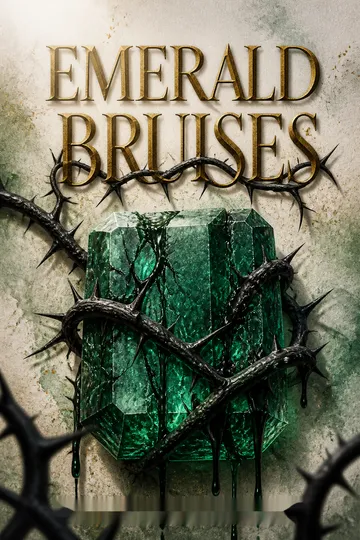
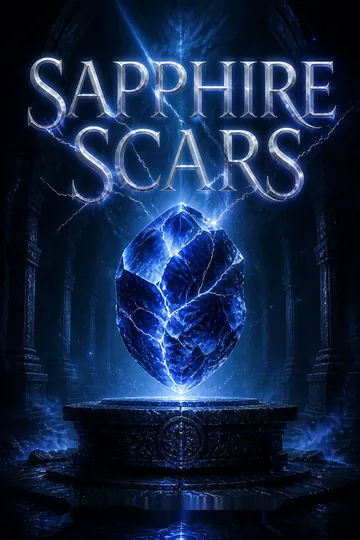
The Jewelry Box Series Series


About the Author
Other books by Pepper Winters



Download PDF
Download EPUB
.epub digital book format is ideal for reading ebooks on phones, tablets, and e-readers.








































