
Plot Summary
Shadows of the Mercer Line
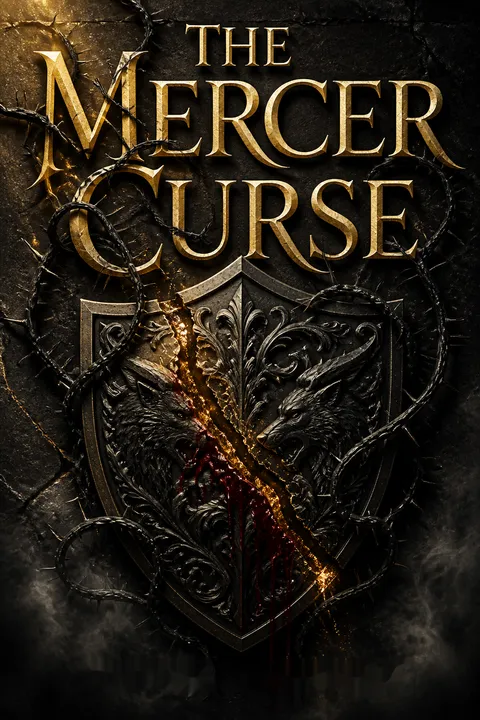
Q Mercer, a man haunted by his father's monstrous legacy, lives in a French chateau with his beloved wife, Tess. He is both a savior and a sinner, rescuing trafficked girls while wrestling with his own dark compulsions. The Mercer name is synonymous with both wealth and a curse—an inherited darkness that Q fights daily. His world is one of opulence shadowed by secrets, where love and violence are inseparable, and every act of kindness is tinged with the threat of brutality. Q's life is a delicate balance between the monster within and the man he strives to be, anchored only by Tess, the woman who accepts and tames his darkness.
Monsters Behind Closed Doors
Q and Tess's relationship is a tempest of passion, pain, and mutual understanding. Tess is the only woman who has ever matched Q's darkness, willingly submitting to his sadistic desires while loving him fiercely. Their intimacy is raw and unfiltered, blending pleasure with blood and control with surrender. Tess's presence is Q's salvation, her submission a gift that keeps his violence from spilling into the world. Their love is unconventional, forged in trauma and trust, and it is the only thing that keeps Q from succumbing to the Mercer curse entirely.
The Only Woman I Love
Tess is both Q's greatest weakness and his greatest strength. She challenges him, provokes him, and grounds him. Their dynamic is a constant push and pull—Tess refuses to be a victim, even as she embraces her role as Q's submissive. She is unafraid of his darkness, meeting it with her own resilience and desire. Their love is a sanctuary and a battlefield, where every act of violence is an act of devotion, and every scar is a testament to their bond. Tess's unwavering loyalty is the thread that holds Q's fractured soul together.
Blood and Desire Intertwined
The couple's intimacy is marked by rituals that blur the line between pleasure and pain. Q's need for blood is both a curse and a cure, a way to channel his violent urges into something consensual and sacred. Tess offers herself willingly, trusting Q to take her to the edge without pushing her over. Their encounters are intense, cathartic, and deeply emotional, serving as both punishment and absolution. Through these acts, Q finds temporary peace, and Tess finds fulfillment in surrendering to the man she loves.
A Brother's Arrival
The fragile equilibrium of Q and Tess's world is shattered by the arrival of Henri Ward, Q's half-brother. Henri is a living reminder of their father's atrocities—a man shaped by abuse, neglect, and the same darkness that plagues Q. Henri's presence is both a threat and a plea for help. He is desperate, broken, and searching for belonging. His sudden appearance forces Q to confront the possibility that the Mercer curse is not his alone to bear, and that the cycle of violence may be unbreakable.
The Curse Revealed
Henri confesses his struggles with violent urges, mirroring Q's own battles. He reveals a life marked by loneliness, shame, and the fear of becoming a monster. Henri's mother, another of their father's victims, has died, leaving him adrift and desperate for connection. His honesty is both a cry for help and a dangerous admission—one that forces Q to question whether redemption is possible for men like them, or if their fate is sealed by blood.
Confessions in the Library
In a tense confrontation, Q and Henri lay bare their histories and their demons. Henri admits to nearly succumbing to his darkness, confessing to violence and a failed suicide attempt. Q listens with a mixture of empathy and suspicion, torn between the urge to help his brother and the instinct to destroy him before he can do harm. The library becomes a confessional, a place where secrets are exchanged and judgments are rendered. The brothers' shared pain is palpable, but so is the threat they pose to each other and the world.
Bargain of Darkness
Q offers Henri a chance at acceptance—but only if he can prove he is not like their father. The test is brutal: infiltrate a notorious trafficking ring known as The Jewelry Box, gather evidence, and help Q destroy its sadistic leader. Failure means death, either by Q's hand or by the darkness within. The bargain is both a lifeline and a death sentence, forcing Henri to confront the very urges he fears. Q's offer is not one of mercy, but of necessity—a way to protect his family and test whether the curse can be overcome.
The Test of Worth
Henri is given a single night to consider Q's ultimatum. He is welcomed into the family home for dinner, but the atmosphere is fraught with tension and suspicion. Tess, ever the mediator, pleads for compassion, seeing in Henri the same brokenness that once threatened to consume Q. The dinner is a test of Henri's resolve and Q's willingness to trust. The stakes are life and death, and the outcome is uncertain. Henri's future—and perhaps his soul—hangs in the balance.
Dinner with the Damned
The dinner is a surreal affair, with Henri an outsider at the table of a family bound by love and violence. Tess's kindness offers a glimpse of hope, but Q's coldness is a constant reminder of the peril Henri faces. The conversation is laced with unspoken threats and desperate longing. Henri is both guest and prisoner, his fate dependent on his ability to resist the darkness and prove his worth. The meal is a microcosm of the Mercer legacy: beauty and brutality, hope and despair.
Ultimatum of Blood
Q lays out the terms of Henri's test in stark detail. To earn a place in the family, Henri must infiltrate The Jewelry Box, resist its temptations, and help bring down its leader. The mission is a crucible, designed to reveal whether Henri is capable of controlling his urges or doomed to repeat their father's sins. The ultimatum is both a challenge and a warning: fail, and Q will kill him without hesitation. The brothers' bond is forged in blood, but trust is a luxury neither can afford.
The Infiltration Proposal
Henri accepts the challenge, driven by a desperate need for belonging and a fear of his own nature. Q provides him with resources and a tracking device, but no guidance or reassurance. The mission is as much a test of character as it is a practical operation. Henri must navigate a world of predators and victims, all while battling the monster within. The proposal is a gamble—one that could save countless lives or destroy Henri's last shred of humanity.
Tess's Plea for Mercy
Tess confronts Q, urging him to show kindness to Henri and give him a real chance at redemption. She sees the pain and longing in Henri, recognizing the same struggles that once threatened to consume Q. Tess's empathy is a counterpoint to Q's ruthlessness, a reminder that love can be a force for healing as well as destruction. Her plea is a challenge to Q's worldview, forcing him to reconsider whether the curse is truly unbreakable.
The Weight of Legacy
Q reflects on the Mercer curse and the choices that have defined his life. He is acutely aware of the danger Henri poses, both to others and to himself. The legacy of violence is a heavy burden, one that Q has managed to bear only through love and discipline. He fears for his son, Lino, and the possibility that the curse will continue. The weight of legacy is both a motivator and a source of despair, shaping every decision Q makes.
Nightfall in the Chateau
As night falls, the chateau is filled with tension and uncertainty. Q and Tess share a moment of intimacy and vulnerability, reaffirming their bond even as the future remains uncertain. Henri is given a room, but his presence is a constant reminder of the dangers that lurk within the family. The night is a time of reflection and resolve, as each character prepares for the trials to come.
A Son's Innocence
Q and Tess's son, Lino, is a symbol of innocence and hope in a world marred by violence. His presence is a reminder of what is at stake—the possibility of breaking the cycle and building a future free from the Mercer curse. Lino's innocence is both a comfort and a source of anxiety for Q, who fears that his son may one day inherit the darkness that haunts the family.
The Unbreakable Leash
Q acknowledges that his only salvation lies in Tess's love and the discipline she provides. Their relationship is a paradox: he is her master, but she is the master of his soul. The leash that binds them is both literal and metaphorical, a symbol of the control that keeps Q from becoming a monster. The unbreakable leash is a testament to the power of love to redeem even the most damaged souls.
Fate's Final Warning
The story ends with a sense of foreboding and inevitability. Q knows that Henri's mission is likely a death sentence, but he offers him a chance nonetheless. The promise of acceptance is real, but so is the threat of destruction. The Mercer curse looms over them all, a shadow that may never be lifted. The final warning is clear: redemption is possible, but only for those strong enough to resist the darkness within.
Analysis
A modern gothic of trauma, love, and the struggle for redemption"The Mercer Curse" is a dark, psychological exploration of inherited evil and the possibility of salvation. Through the intertwined stories of Q and Henri, Pepper Winters interrogates the nature of monstrosity—whether it is a product of blood, circumstance, or choice. The narrative is unflinching in its depiction of violence and desire, yet it is also deeply invested in the redemptive power of love and connection. Tess's role as both victim and savior challenges traditional notions of power and agency, while Q's journey is a testament to the possibility of self-mastery, even in the face of overwhelming darkness. The story's central question—can the cycle of violence be broken, or are we doomed to repeat the sins of our fathers?—is left unresolved, inviting readers to grapple with the complexities of trauma, forgiveness, and the human capacity for change. Ultimately, "The Mercer Curse" is a meditation on the cost of survival and the fragile hope that even the most damaged souls can find peace.
Review Summary
Readers are excited about The Mercer Curse, a prequel to Pepper Winters' new series. Many express enthusiasm for revisiting characters Q and Tess from previous books. The novella introduces Henri, Q's half-brother, piquing interest in his upcoming story. Fans appreciate the dark themes and intense atmosphere. Some note the French language use and praise the audio narration. Overall, readers find it a tantalizing glimpse into the upcoming series, with an average rating of 4.25 out of 5 based on 877 reviews.



Characters
Q Mercer
Q is the central figure—a man shaped by trauma, violence, and a relentless struggle against his own sadistic urges. As the legitimate son of a monstrous father, Q has inherited both wealth and a curse: a compulsion for pain and blood that he channels into rescuing victims of trafficking. His relationship with Tess is the anchor that keeps him from succumbing to his worst instincts. Q is fiercely protective, ruthlessly pragmatic, and deeply conflicted. His love for Tess is both redemptive and possessive, and his willingness to kill to protect his family is matched only by his fear of becoming the very monster he hunts. Q's journey is one of self-control, atonement, and the search for a humanity he fears he may never fully possess.
Tess Mercer
Tess is Q's wife, lover, and submissive—a woman who has endured her own traumas and emerged stronger for them. She is the only person who can match Q's darkness, offering herself willingly in rituals that blend pain and pleasure. Tess is fiercely independent, unafraid to challenge Q or assert her own needs. Her empathy and compassion are a counterbalance to Q's brutality, and her love is the force that keeps him tethered to his humanity. Tess's role as both victim and victor is central to the story's exploration of power, trust, and healing.
Henri Ward
Henri is Q's half-brother, the illegitimate son of their shared father and another of his victims. Haunted by the same violent urges that plague Q, Henri has lived a life of isolation, shame, and self-loathing. His mother's death leaves him adrift, and his confession of near-violence and suicidal despair is a plea for help. Henri's arrival forces Q to confront the possibility that the Mercer curse is not unique, and that redemption may be possible—or impossible—for men like them. Henri's journey is one of self-discovery, temptation, and the search for acceptance.
The Mercer Father
Though dead, the Mercer father's presence looms over the narrative as the origin of the family's darkness. A rapist, abuser, and trafficker, he is the embodiment of evil—a man whose actions have scarred his children and countless others. His legacy is the curse that Q and Henri must fight, and his memory is a constant reminder of the dangers of unchecked violence and desire.
Suzette
Suzette is a trusted member of the Mercer household, privy to the family's secrets and unflinching in her support. She provides stability and discretion, helping to maintain the delicate balance of the chateau. Suzette's acceptance of Q and Tess's unconventional relationship is a testament to her loyalty and understanding.
Franco
Franco is another key member of the household, serving as both security and friend. He is reliable, pragmatic, and unafraid to confront danger on behalf of the family. Franco's presence is a source of strength and reassurance, and his loyalty to Q and Tess is unwavering.
Mrs. Sucre
Mrs. Sucre provides warmth and comfort through her role as the family's cook. Her nurturing nature is a counterpoint to the violence that permeates the household, and her presence is a reminder of the possibility of normalcy and care amidst chaos.
Lino Mercer
Lino is Q and Tess's young son, untouched by the darkness that haunts his parents. His innocence and joy are a source of hope and anxiety for Q, who fears the possibility of passing on the Mercer curse. Lino represents the potential for a future free from violence, and his presence is a constant motivation for Q to fight his own demons.
The Master Jeweler (Victor Grand)
The leader of The Jewelry Box trafficking ring, Victor Grand is a cunning and ruthless predator. He is the target of Q's mission and the test of Henri's resolve. The Master Jeweler's intelligence and cruelty make him a formidable foe, and his presence is a catalyst for the story's central conflict.
Roland Olivan
Roland is a minor but pivotal character, serving as a link between Henri and the world of trafficking. His willingness to exploit and betray others for personal gain makes him a symbol of the pervasive evil that Q and Henri must confront.
Plot Devices
Duality of Human Nature
The narrative is driven by the tension between violence and love, darkness and redemption. Q and Henri are both victims and perpetrators, struggling to control the urges inherited from their father. The story uses their parallel journeys to explore whether evil is a matter of blood or choice, and whether redemption is possible for those who have been shaped by trauma. The duality is reflected in the structure of the narrative, with moments of tenderness juxtaposed against acts of brutality.
Inheritance and Legacy
The Mercer curse is both literal and metaphorical—a legacy of violence passed down from father to son. The story uses this inheritance as a lens to examine the ways in which trauma is transmitted across generations, and the possibility of breaking the cycle. The characters' struggles with their own natures are a reflection of the broader question of whether we are doomed to repeat the sins of our ancestors.
Test and Ultimatum
Q's ultimatum to Henri serves as the central plot device, forcing Henri to confront his own darkness and prove his capacity for self-control. The test is both a practical mission and a psychological crucible, designed to reveal whether Henri is capable of resisting the temptations that destroyed their father. The ultimatum structure creates tension and stakes, driving the narrative toward its climax.
Foreshadowing and Irony
The story is laced with foreshadowing, from Q's warnings about the dangers of the curse to the sense of doom that hangs over Henri's mission. The irony of seeking redemption through acts of violence is a recurring theme, and the narrative structure reinforces the sense that fate may be inescapable. The use of foreshadowing heightens the emotional impact and underscores the story's central questions.
The Jewelry Box Series Series




About the Author
Other books by Pepper Winters









Download PDF
Download EPUB
.epub digital book format is ideal for reading ebooks on phones, tablets, and e-readers.








































