
Plot Summary
Morning Fears and Promises
Pie, a newly transformed wood nymph, is terrified of starting her job as assistant to Tarq, the Modern Minotaur, in a parallel world. Pell, her devoted satyr-chimera partner, tries to comfort her with humor and affection, promising to protect her if anything goes wrong. Their playful banter masks deeper anxieties about change, identity, and the unknown. Pell's gentle encouragement and Pie's reluctant bravery set the tone for a relationship built on trust and mutual support, even as the world around them grows stranger and more magical. The morning ends with Pie determined to face her fears, bolstered by Pell's unwavering love and a promise of sanctuary at home.
Magic Rings and New Jobs
Pie finds a mysterious bag of magic rings that seem to move on their own, hinting at deeper magic and danger. As she prepares for her first day in Tarq's world, she's comforted by small acts of kindness from the monsters at Saint Mark's, including a packed lunch and a good-luck rock. Crossing the portal, Pie is reunited with her talking bird, Pia, whose voice is restored by the magic of the new world. The day is filled with anxiety, but also hope, as Pie realizes she's not alone—her friends, old and new, are with her. The magic rings, however, remain an ominous presence, foreshadowing future trouble.
Tomas's Human Lessons
Tomas, once a dragon, is now a human-chimera learning to navigate the modern world. He's tasked with buying hay for the sanctuary's new vegetarian monsters, leading to comic misunderstandings at the feed store. Tomas's innocence and enthusiasm contrast with Pell's grumpiness, highlighting the challenges of adapting to freedom and responsibility. Tomas's budding romance with Madeline, the feed store girl, brings a sense of hope and new beginnings, even as the realities of debt and sanctuary life loom. His journey is one of self-discovery, learning to balance old instincts with new possibilities.
Tombs, Statues, and Secrets
Pell, unsettled by the appearance of a new black tomb and its golden-horned statue, begins to question the nature of Saint Mark's and its endless tombs. With Tomas, he debates the purpose of their existence and the meaning of the curse that binds them. The tombs, once background scenery, now seem to hold secrets about the sanctuary's true purpose and the monsters' imprisonment. Pell's growing curiosity signals a shift from passive acceptance to active inquiry, setting the stage for revelations about the nature of magic, power, and destiny.
The Minotaur's World
Pie's first day as Tarq's assistant is overwhelming. Tarq's world, Vinca, is a blend of modern science and ancient magic, filled with monsters in fashionable clothes and strict social hierarchies. Pie is thrust into a research lab, expected to unlock the secrets of portal magic using bloodhorn and dragon scales. Tarq's probing questions and hidden motives make Pie uneasy, but she finds solace in her new assistant, Talina, and the possibility of friendship. The contrast between Vinca's dazzling exterior and its underlying power struggles leaves Pie both fascinated and wary.
Hay, Debt, and Townsfolk
Pell and Tomas grapple with the practicalities of feeding the sanctuary's growing population, realizing the cost will plunge Pie further into magical debt. Their attempts to solve the problem—buying a truck, negotiating with townsfolk—highlight the absurdity and frustration of their situation. The magic money system, which erases debt through acts of happiness, becomes both a blessing and a curse. The sanctuary's monsters, each with their own quirks and needs, add to the chaos, making it clear that freedom and community come with unexpected costs.
Buying Trucks, Buying Time
Tomas's purchase of a truck marks a milestone in his journey toward autonomy. Despite Pell's skepticism, Tomas's determination to contribute to the sanctuary and impress Madeline drives him forward. The act of buying the truck with magic money, and the ensuing logistical challenges, underscore the tension between magical solutions and real-world consequences. Tomas's growing confidence and resourcefulness are tempered by the realization that every choice has ripple effects, especially when magic and debt are involved.
Science, Spells, and Friendship
In Vinca, Pie is caught between the expectations of scientific research and the reality of her magical abilities. Talina, her assistant, becomes a source of support and camaraderie, introducing Pie to a circle of powerful, accomplished nymphs. The city's blend of magic and technology is both exhilarating and alienating, forcing Pie to confront her own sense of belonging. The pressure to unlock portal magic intensifies, as does the sense that she is being watched and tested. Friendship offers comfort, but also complicates Pie's loyalties and sense of self.
Tomas's First Date
Tomas's date with Madeline is a sweet, awkward exploration of human romance. Their connection is genuine, but shadowed by the complexities of Tomas's true nature and the secrets he must keep. The date, filled with small-town charm and innocent flirtation, is a brief respite from the larger conflicts brewing at the sanctuary. Tomas's longing for normalcy and love is palpable, making the eventual tragedy of Madeline's fate all the more poignant. His journey is a reminder that even monsters crave connection and happiness.
Magic Bags and Forgotten Skills
Pell's quest to contain the magic rings leads him back to his roots as a blacksmith. The process of forging a chainmail bag, infused with spells and dragon fire, is both a practical solution and a metaphor for reclaiming lost skills and purpose. The sanctuary's history, the nature of magical containment, and the role of gods and curses all come into play. Pell's work is interrupted by the ever-present chaos of sanctuary life, but the act of creation gives him a sense of agency and hope.
Coffee, Friends, and Revelations
A coffee outing with Talina and her friends becomes a turning point for Pie. The warmth and acceptance of the nymphs offer a glimpse of the life she's always wanted, but the revelation of her royal lineage and the expectations that come with it threaten to upend everything. The tension between belonging and individuality, destiny and choice, comes to the fore. Pie's struggle to reconcile her past, present, and future is mirrored in the shifting magic and politics of Vinca.
Spelling, Power, and Identity
Talina teaches Pie that magic in Vinca is rooted in spelling—literal words and poems that shape reality. Pie's first attempts at spell-writing are clumsy but powerful, revealing a latent talent that surprises even her. The act of composing spells becomes a way for Pie to assert control over her life and destiny, even as the rules of magic and debt grow more complex. The discovery that her happiness with Pell erases debt is both liberating and fraught, highlighting the interplay between love, power, and obligation.
Doors, Rings, and Escape
The magic rings reveal themselves as keys to portals—doors that can lead anywhere, but are bound by spells and intention. Pie and Pell experiment with the rings, discovering that together they can open doors to other worlds, escape the confines of the sanctuary, and even change their forms. The thrill of newfound freedom is tempered by the realization that power comes with responsibility, and that the forces arrayed against them—Tarq, the queen, the curse—are growing more dangerous and unpredictable.
The Monster Hunt
Russ Roth and Big Jim lead a posse into the woods, hunting for the "Buckhead Squonk" and other monsters rumored to haunt the hills. Tomas, caught between worlds, tries to mislead them, but the hunt turns violent and chaotic. The line between human and monster blurs, as fear and suspicion drive the townsfolk to extremes. The sanctuary's safety is threatened, and the need for stronger magic and unity becomes urgent. The monster hunt is a catalyst for revelations about identity, prejudice, and the true nature of sanctuary.
Sanctuary's New Order
The aftermath of the hunt brings the sanctuary's monsters together in new ways. Pie's leadership, Pell's strength, and Tomas's adaptability become the foundation of a new order. The monsters, once isolated and mistrustful, begin to form a community, sharing food, stories, and magic. The radio show, "Hour of Monster Power," becomes a nightly ritual, connecting them to the outside world and each other. The sense of home and belonging is hard-won, but fragile, as old threats and new challenges loom.
Radio Nights and Warnings
The monsters gather to listen to Big Jim's radio show, where Russ Roth spins tales of monsters in the hills. The broadcast is both entertainment and warning, as the townsfolk's fear and curiosity grow. Tomas's role as translator and mediator becomes crucial, as the sanctuary prepares for possible invasion. The radio, a symbol of connection and surveillance, underscores the thin line between safety and exposure. The monsters' laughter and camaraderie are tinged with anxiety, as the outside world closes in.
Spelling Lessons and Royalty
Pie's growing mastery of spelling draws the attention of Tarq and the queen. The revelation that she is a royal beast, possibly a lost princess, complicates her sense of self and her place in both worlds. The rules of Vinca—Fireday, moonspots, social hierarchy—become more oppressive, and Pie's resistance grows. The tension between duty and desire, power and vulnerability, comes to a head as Pie is forced to choose between helping Tarq and protecting her own freedom.
Blacksmithing and Self-Discovery
Pell's time in the blacksmith shop becomes a journey of self-discovery. As he crafts the magic bag, he reflects on his past, the nature of the curse, and his role as caretaker and warden. The appearance of new doors and the shifting boundaries of the sanctuary force him to confront uncomfortable truths about power, memory, and agency. Pell's growing sense of purpose is matched by a deepening bond with Pie, as they face the unknown together.
Loneliness, Friendship, and Spells
Pie's struggle with loneliness and imposter syndrome is alleviated by the support of Talina and her friends. The offer of genuine friendship is both a dream come true and a source of anxiety, as Pie grapples with her identity and the expectations placed upon her. The act of writing spells becomes a way to assert control and create meaning, even as the world around her grows more complex and dangerous. The tension between isolation and community, self-doubt and empowerment, is at the heart of Pie's journey.
Town Intrigue and Monster Truths
Tomas's interactions with Madeline, Big Jim, and Russ Roth reveal the deep-seated fears and prejudices of the townsfolk. The discovery that Madeline is not entirely human, and that Russ is an eros, blurs the line between monster and man. The threat of exposure and violence grows, forcing Tomas to confront the reality of his own nature and the dangers facing the sanctuary. The interplay of love, loyalty, and survival becomes ever more urgent.
Chainmail, Magic, and Realizations
Pell completes the magic chainmail bag, realizing that the rings, spells, and doors are all part of a larger design. The connections between Ostanes, the gods, the curse, and the sanctuary come into focus. Pell's role as key, warden, and protector is both a burden and a gift. The realization that he, Pie, and Tomas are all unique, chosen for a purpose, sets the stage for a confrontation with destiny and the forces that seek to control them.
Fireday, Naked Truths
On Fireday, Pie is forced to confront the naked truth of Vinca's power dynamics. Stripped of clothes and pretense, she is thrust into the heart of royal intrigue, accused of treason, and manipulated by Tarq and the queen. The revelation that her magic is the missing piece in Tarq's plans, and that she is both pawn and player in a cosmic game, pushes Pie to the brink. The tension between submission and rebellion, vulnerability and strength, comes to a head.
The Queen's Trap
The rescue mission for the wood nymphs leads Pie, Pell, and Tarq into a trap set by the queen, Callistina. The confrontation is a battle of wills, magic, and identity, as Pie's true power is revealed. The queen's cruelty, Tarq's desperation, and Pell's loyalty collide in a moment of reckoning. The lines between family, enemy, and ally blur, as Pie is forced to make a choice that will change the fate of all monsters.
The Bottoms and the Book
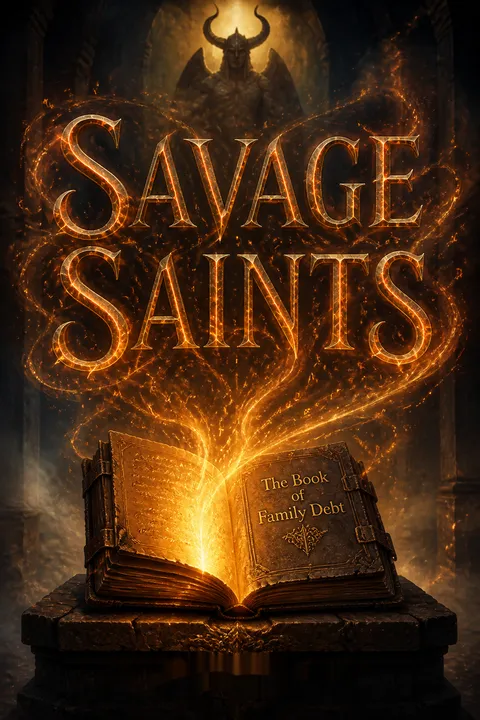
In a parallel, shadowy version of the sanctuary known as the Bottoms, Pie confronts the imprisoned queen and the true nature of the curse. The Book of Family Debt appears, marking Pie as both jailer and judge. The realization that the curse is a blessing, and that sanctuary is a place of safety and transformation, reframes the entire narrative. Pie's journey from powerless human to powerful monster is complete, but the cost is high.
Tomas's Loss and Dragon's Rage
Tomas's love for Madeline ends in tragedy when she is killed during a confrontation with the townsfolk. His grief and rage trigger a transformation back into a full dragon, unleashing destruction on Granite Springs. The line between justice and vengeance blurs, as Tomas's pain becomes a force of nature. The consequences of love, loss, and power are stark and irreversible, leaving Tomas—and the sanctuary—forever changed.
The Sanctuary's True Purpose
In the aftermath of chaos, Pie comes to understand that Saint Mark's is not a prison, but a sanctuary—a place where monsters can be safe, heal, and find belonging. The curse, once seen as a punishment, is revealed as a protective blessing. The arrival of new monsters, the forging of new bonds, and the promise of a new order signal a dawn of hope and possibility. The journey is far from over, but for the first time, Pie, Pell, and their found family have a place to call home.
A New Dawn for Monsters
Three days after the climactic events, Pell and Pie find peace and intimacy in their sanctuary. The mysteries of the curse, the nature of power, and the meaning of family linger, but the monsters are no longer alone. With the Book of Family Debt, new alliances, and a deeper understanding of themselves, they are ready to face whatever comes next. The sanctuary, once a place of exile, is now a home—a place where even monsters can be kind, loved, and free.
Analysis
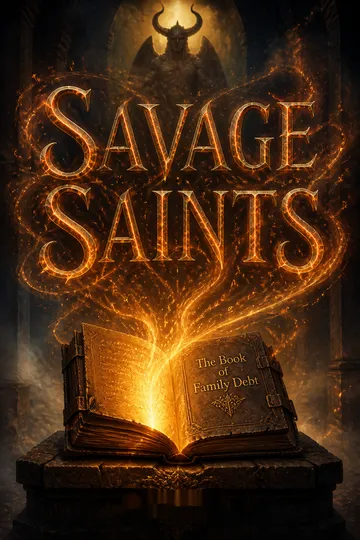
Savage Saints is a genre-bending, emotionally rich tale that uses the trappings of monster romance and magical adventure to explore deeper questions of identity, belonging, and the nature of power. At its heart, the novel is about transformation—of self, relationships, and community. Pie's journey from fearful outsider to empowered leader mirrors the struggles of anyone who has felt out of place or burdened by expectations. The magical systems—rings, spells, debt—are not just plot devices, but metaphors for the ways we are shaped by love, obligation, and the stories we tell ourselves. The sanctuary, once a prison, becomes a place of healing and possibility, suggesting that true freedom comes not from escape, but from acceptance and connection. The novel's humor, sensuality, and inventiveness make it accessible and engaging, while its psychological depth and moral complexity invite reflection on the costs and rewards of kindness, courage, and self-discovery. In a world obsessed with camps and divisions, Savage Saints offers a vision of sanctuary—not as escape from the world, but as a space where even monsters can be loved, forgiven, and free.
Review Summary
People Also Read

Characters
Pie Vita
Pie is a former human who discovers she is a wood nymph chimera with latent, world-altering magic. Her journey is one of self-acceptance, as she moves from fear and self-doubt to confidence and agency. Pie's relationships—with Pell, Tomas, and her new friends—are central to her growth. She is both a pawn and a player in the cosmic game of gods, curses, and royalty. Her power lies in her ability to spell reality into being, to open doors, and to bring people together. Pie's struggle with loneliness, belonging, and destiny is the emotional heart of the story, and her choices shape the fate of all monsters.
Pell
Pell is a satyr-chimera cursed to guard Saint Mark's for two thousand years. His gruff exterior hides deep loyalty, vulnerability, and a longing for connection. Pell's journey is one of awakening—from passive acceptance of his role to active questioning and leadership. His love for Pie is transformative, giving him purpose and hope. As a blacksmith, spell-breather, and potential warden, Pell's skills and instincts are crucial to the sanctuary's survival. His struggle with memory, power, and responsibility mirrors the larger themes of agency and redemption.
Tomas
Tomas, once a dragon, is now a human-chimera learning to navigate freedom, love, and loss. His childlike wonder and earnestness make him both comic relief and emotional anchor. Tomas's romance with Madeline is a poignant exploration of vulnerability and the cost of connection. His transformation back into a dragon, triggered by grief, is a powerful metaphor for the dangers of unchecked emotion and the thin line between justice and destruction. Tomas's ability to understand monsters and humans alike makes him a vital link in the sanctuary's community.
Tarq
Tarq, the Modern Minotaur, is both ally and antagonist. His suave exterior masks deep wounds, guilt, and a desperate need to save his lost love. Tarq's manipulation of Pie and Pell is driven by both self-interest and genuine care. As a royal beast, he is entangled in the politics of Vinca and the schemes of the queen. Tarq's journey is one of reckoning—facing the consequences of his actions, seeking forgiveness, and ultimately choosing to protect rather than exploit. His relationship with Pie is fraught with tension, attraction, and mutual dependence.
The Queen (Callistina)
Callistina is the golden-furred, antlered queen of Vinca, obsessed with control, legacy, and the production of a godling heir. Her beauty and charisma are matched by cruelty and cunning. As Pie's sister, she represents the path of power without compassion—a warning of what Pie could become. The queen's downfall, orchestrated by Pie's magic, is both a personal and political victory, but her imprisonment in the Bottoms hints at the cyclical nature of power and vengeance.
Talina
Talina, a wood nymph chimera with moonspots, becomes Pie's friend and guide in Vinca. Her warmth, intelligence, and loyalty offer Pie a sense of community and acceptance. Talina's own struggles with class, identity, and expectation mirror Pie's, making their friendship a source of strength and growth. As a scientist and spellcaster, Talina helps Pie unlock her potential and navigate the complexities of magic and politics.
Madeline
Madeline, the strawberry-haired feed store girl, is Tomas's first love and a symbol of innocence and hope. Her death at the hands of the townsfolk is a turning point, unleashing Tomas's dragon rage and forcing the sanctuary to confront the dangers of exposure and prejudice. Madeline's hidden dragon heritage and her brief happiness with Tomas underscore the story's themes of identity, loss, and the cost of love.
Eyebrows (Clarence)
Eyebrows is the sanctuary's tailor, crafting clothes for Pie and the monsters. His creativity, resourcefulness, and quiet authority make him a stabilizing force in the community. Eyebrows's past as a royal tailor and his knowledge of magic and politics add depth to the sanctuary's history. His ability to command respect, even from wilder monsters like Batty, hints at hidden strength and wisdom.
Batty
Batty, a winged, bat-like monster, is both comic relief and a source of unpredictable magic. His time-manipulating rocks and ability to fly over the sanctuary's walls make him a valuable ally and a potential threat. Batty's loyalty to Pie and his willingness to break rules for the greater good highlight the importance of flexibility and innovation in a world bound by curses and tradition.
Pia
Pia, once Pie's inner voice and confidante, is transformed into a mute bird by the curse. Her restoration in Vinca, and subsequent death at the hands of the queen, is a powerful metaphor for the loss and reclamation of self. Pia's presence is a reminder of Pie's journey from isolation to empowerment, and her fate underscores the story's themes of sacrifice, identity, and the cost of magic.
Plot Devices
Magic Rings and Portal Doors
The bag of magic rings is a central plot device, each ring serving as a key to a portal—doors that can lead anywhere, but require spells and intention to activate. The rings symbolize both opportunity and risk, offering the promise of escape, transformation, and power, but also the threat of chaos and unintended consequences. The interplay between rings, spells, and doors drives the narrative, forcing characters to confront the limits of their agency and the responsibilities that come with freedom.
Debt, Magic, and Happiness
The magical debt system, where acts of happiness erase obligations, is both a literal and metaphorical engine for the story. It ties together themes of love, sacrifice, and self-worth, while also critiquing systems of power and exploitation. The tension between earning freedom and being trapped by obligation is mirrored in the characters' relationships, choices, and growth. The Book of Debt, and later the Book of Family Debt, serve as tangible reminders of the costs and rewards of magic.
Spelling and Word Magic
The revelation that magic in Vinca is rooted in spelling—literal words, poems, and rhymes—transforms the narrative. Spelling becomes a means of asserting control, rewriting fate, and forging identity. The act of composing spells is both creative and dangerous, offering the possibility of liberation or disaster. The evolving curse, revealed as a living poem, underscores the power of language to bind, bless, and break.
Narrative Structure and Perspective
The story alternates between Pie, Pell, and Tomas, offering diverse perspectives on shared events. This structure allows for deep psychological exploration, contrasting experiences, and the gradual revelation of secrets. The use of humor, banter, and emotional vulnerability creates intimacy and engagement, while the shifting realities of magic, portals, and curses keep the narrative dynamic and unpredictable.
Foreshadowing and Revelation
The appearance of new tombs, the movement of magic rings, the changing nature of the curse, and the secrets of the sanctuary are all foreshadowed through subtle clues and character reflections. Revelations are earned through inquiry, risk, and emotional growth, rather than exposition. The interplay of past and present, memory and discovery, creates a sense of inevitability and surprise.
Monsters of St. Mark's Series
Download PDF
Download EPUB
.epub digital book format is ideal for reading ebooks on phones, tablets, and e-readers.








































