
Plot Summary
Spark, Sacrifice, and Secrets
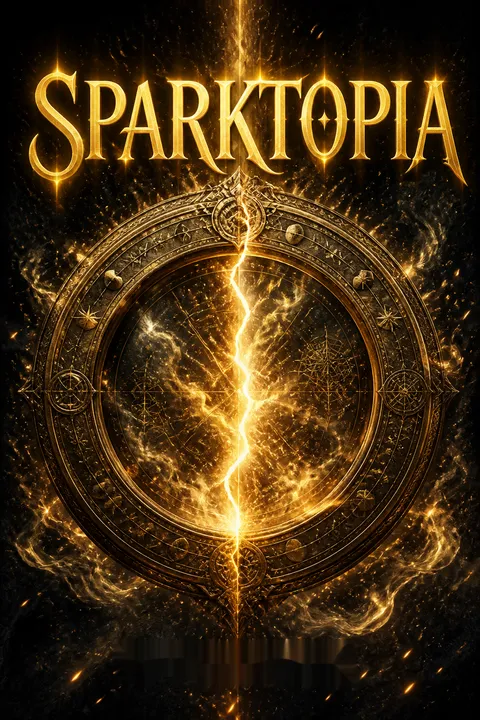
In Tau City, the magical energy called Spark is harvested from young women, the Spark Maidens, who are chosen every decade. Only one is meant to be sacrificed to the mysterious god in the tower, but this cycle is broken as more Maidens are called, and the city's traditions begin to unravel. Clara Birch, Spark Maiden number nine, dreams of a future with her childhood love, Finn Scott, but the threat of being chosen looms. The city's comfort and power are built on secrets, and the cost of maintaining them is growing unbearable. The story opens with love, longing, and the shadow of a deadly tradition.
The Choosing Festival Unravels
The Choosing Festival, once a glamorous event, is now fraught with anxiety as more Maidens are taken than ever before. Clara, Finn, and their friends navigate the rituals and pageantry, but the cracks in the system are showing. Down-city girls like Jasina Bell, who secretly works for the Rebellion, see the truth behind the spectacle. The festival's promise of luxury and status is revealed as a thin veil over a system of exploitation, and the city's faith in the god and the Extraction process begins to falter.
Maidens, Rebellion, and Romance
Clara's relationship with Finn is tested by the pressures of the Extraction and the city's expectations. Meanwhile, Jasina and her friends, undercover rebels from down-city, plot to end the god's reign. The Maidens' lives are filled with both privilege and fear, and the bonds between them are strained by jealousy, ambition, and the ever-present threat of being chosen. The Rebellion's plans grow bolder as the city's unrest simmers, and romance becomes both a comfort and a weapon.
The God's Tower Deception
As Maidens are sacrificed, the truth about the god in the tower is slowly revealed. There is no divine being—only a system that feeds on the Spark of young women. The Extraction Master, Finn's father, and the Matrons maintain the illusion, but cracks appear as the sacrifices accelerate. Clara and Finn's hope for a future together is threatened by secrets, and the Rebellion's spies uncover the machinery behind the god's supposed miracles. The city's faith is a carefully constructed lie.
The Extraction's Deadly Pattern
The Extraction, once a rare and almost symbolic event, becomes a relentless culling. Maidens disappear one by one, and the survivors are left traumatized and isolated. Clara's sense of safety as number nine is shattered, and the city's history of sacrifice is exposed as a cycle of manipulation. The Rebellion's warnings go unheeded by most, but the pattern is clear: the god's hunger is growing, and no one is safe. The Maidens' celebrity masks their terror.
Down-City Girls, Up-City Lies
The story delves into the lives of down-city girls like Jasina, whose perspective exposes the hypocrisy of up-city luxury. The Rebellion's roots are in the city's underbelly, where Spark is scarce and hope is hard-won. Jasina's infiltration of the Maiden Tower reveals the emptiness of its opulence and the cruelty of its traditions. The Matrons' control is absolute, but cracks appear as alliances shift and secrets are shared. The city's unity is a fragile illusion.
The Price of Power
As the god's demands escalate, Finn is forced to confront the truth about his family's role in the system. Clara's dreams of escape with Finn are dashed as she is called for Extraction. The Rebellion's plans collide with the city's rituals, and the cost of power becomes personal. Maidens are forced to choose between survival and sacrifice, and the lines between heroism and complicity blur. The city's comfort is built on the suffering of its daughters.
The Riot of Hope
The city erupts in unrest as the truth about the god and the Extractions spreads. The Rebellion's actions inspire hope and chaos in equal measure. Clara's disappearance becomes a rallying point, and Finn's authority is challenged. The Matrons and Council scramble to maintain control, but the people's faith is shaken. The riot is both a cry for justice and a symptom of a system on the brink of collapse. The Maidens' suffering is no longer hidden.
The God Is a Girl
The shocking revelation emerges: the god in the tower is not a man, but a child—Anneeta—born addicted to Spark and raised in the tower's shadows. She is both victim and monster, consuming the Spark of Maidens to survive. The city's rituals are exposed as a means of feeding her, and the Rebellion's mission takes on new urgency. Clara, Tyse, and Jasina must decide whether to save or destroy the god-child, and the lines between innocence and evil blur.
The Looking Glass Revealed
The Looking Glass, a mysterious device hidden in the Extraction Tower, is revealed as a portal between worlds and a tool for controlling the god's power. Finn discovers his father's secret message and the true purpose of the Extractions. Jasina's infiltration uncovers the Matrons' plan to use the Looking Glass for their own ends. The device is both salvation and destruction, and its activation sets off a chain of events that will change Tau City forever.
Betrayal, Escape, and Explosions
As the Matrons and Council attempt a final ritual to create a new god, Jasina, Gemna, and Ceela are forced into a deadly ceremony. The Rebellion's sabotage triggers an explosion, destroying the Extraction Tower and the Looking Glass. Finn and Jasina escape through the tunnels, while Clara, Tyse, and Anneeta flee through the train system. The city is left in ruins, its power structure shattered, and the survivors must reckon with the cost of their choices.
Across Worlds, Across Time
Clara, Tyse, and Anneeta journey across worlds, pursued by those who would use their power. The train becomes a liminal space between realities, and the trio must rely on each other to survive. Anneeta's hunger for Spark threatens Clara's life, and Tyse's past as an augment soldier resurfaces. In another world, Finn and Jasina walk the line between heroism and guilt, haunted by the destruction they left behind. The boundaries between worlds are thin, and destiny is uncertain.
The Game of Gods Begins
In Delta City, Clara and Tyse find uneasy refuge, but the god Delta reveals a larger conflict: the Game of Gods, a cosmic struggle for power across dimensions. Tyse is recruited as the Godslayer, tasked with destroying rogue gods and Spark factories. Clara, now his Courtesan, is both partner and power source. The rules of the game are unclear, and the stakes are nothing less than the fate of all worlds. The line between myth and reality blurs.
Maidens on the Run
Jasina and Finn, wounded and hunted, travel through the tunnels beneath Sigma City, pursued by the remnants of the old order. The truth about the Spark Maidens is revealed: they are products, bred and sold as power sources for gods. The factories are worlds unto themselves, and the Maidens' suffering is commodified. Jasina and Finn's partnership is forged in hardship, and their mission becomes one of vengeance and liberation.
The Godslayer's Courtesan
Clara and Tyse's relationship deepens as they navigate the complexities of their new roles. The myth of the Godslayer and his Courtesan becomes reality, and their partnership is both romantic and revolutionary. Clara's spark is no longer a curse, but a source of strength. Together, they must confront the responsibilities of power and the consequences of their choices. Their love is both a weapon and a promise.
The End of Innocence
The survivors of the old order—Maidens, rebels, and gods—must come to terms with the horrors they have witnessed and committed. The lines between victim and perpetrator blur, and the cost of survival is reckoned in guilt and grief. The city's innocence is lost, and the future is uncertain. The Maidens' suffering is not forgotten, but transformed into a call for justice and change.
Destiny, Destruction, and Departure
The story ends with the survivors scattered across worlds, each facing a new destiny. Finn and Jasina become the Godslayer and his Courtesan, legendary figures in a war that spans realities. Clara and Tyse find a fragile peace in Delta City, but the Game of Gods is just beginning. The destruction of the Looking Glasses marks the end of one era and the start of another. The line so bright is now a battlefield, and the future belongs to those who dare to change the rules.
Analysis
Sparktopia is a dark, inventive reimagining of the chosen-one fantasy, blending dystopian ritual, feminist critique, and science-fantasy worldbuilding into a story that is both intimate and epic. At its core, the novel interrogates the cost of comfort and the lies societies tell to justify exploitation—especially of women. The Spark Maidens' suffering is both literal and symbolic, exposing the ways in which tradition, power, and faith are used to maintain unjust systems. The story's shift from local rebellion to cosmic war—the Game of Gods—reflects the dangers of unchecked ambition and the ease with which victims can become perpetrators. The characters' psychological complexity, especially Clara's journey from compliance to agency and Finn's struggle with guilt and complicity, grounds the story's high-concept twists in real emotion. The novel's ultimate message is one of hard-won hope: that change is possible, but only at great cost, and that true power lies in solidarity, self-knowledge, and the courage to break the rules. Sparktopia is both a cautionary tale and a call to action, urging readers to question the systems they inherit and to imagine new ways of being.
Review Summary
People Also Read
Characters
Clara Birch
Clara is Spark Maiden number nine, raised in luxury but haunted by the threat of sacrifice. Her love for Finn Scott is the anchor of her early life, but the Extraction shatters her illusions. Clara's journey is one of awakening: from compliant Maiden to rebel, from victim to partner in revolution. Her spark, once a symbol of vulnerability, becomes her greatest strength. Clara's psychological arc is defined by her struggle to reconcile duty, love, and self-worth. Her relationship with Tyse, the augment soldier, is both healing and transformative, allowing her to claim agency and redefine her destiny.
Finn Scott
Finn is the son of the Extraction Master, raised to uphold the city's deadly traditions. His love for Clara is genuine, but his complicity in the system is a source of deep guilt and self-loathing. Finn's arc is one of painful growth: he is forced to confront the truth about his family's role in the Extractions and the lies that sustain the city. Betrayed by those he trusted, Finn becomes both a destroyer and a savior, ultimately choosing to side with Jasina and embrace a new, uncertain future. His psychological complexity lies in his struggle between duty and conscience, love and loss.
Jasina Bell
Jasina is a down-city girl, a Little Sister who infiltrates the Maiden Tower as part of the Rebellion. Her intelligence, ambition, and unapologetic sexuality set her apart. Jasina's journey is marked by betrayal—by her aunt, her friends, and the system she sought to overthrow. She is both victim and agent, using her wits and courage to survive the Matrons' schemes and the god's hunger. Her partnership with Finn is forged in trauma and necessity, and together they become legendary figures. Jasina's psychological depth comes from her need for recognition, her capacity for loyalty, and her willingness to do whatever it takes to change the world.
Tyse Saarinen
Tyse is a former Sweep Army augment, discharged and living in the ruins of the God's Tower. Haunted by guilt and loss, he is both cynical and fiercely loyal. Tyse's relationship with Clara is transformative: she awakens his capacity for hope and love, while he gives her the strength to claim her power. Tyse's arc is one of redemption, as he moves from self-imposed exile to active resistance against the gods. His psychological complexity lies in his struggle with his own humanity, his fear of attachment, and his determination to protect those he loves—even at great cost.
Anneeta
Anneeta is the true god in the tower—a child born addicted to Spark, raised in isolation, and fed on the lives of Maidens. She is both victim and villain, her innocence corrupted by the system that created her. Anneeta's relationship with Clara and Tyse is fraught: she is both dependent on them and a threat to their survival. Her arc is one of tragic self-awareness, as she comes to understand the consequences of her hunger and the possibility of change. Anneeta embodies the story's central question: can innocence survive in a world built on sacrifice?
Aldo Scott
Finn's father, Aldo, is the keeper of the city's darkest secrets. He maintains the illusion of the god's divinity, orchestrates the Extractions, and ultimately sacrifices his own son's happiness for what he believes is the greater good. Aldo's posthumous message to Finn is both a confession and a call to action, forcing Finn to confront the truth and choose a new path. Aldo's psychological complexity lies in his ability to justify cruelty for the sake of tradition and survival.
Matron Bell
Jasina's aunt and the leader of the Matrons, Matron Bell is a master of control and deception. She uses her authority to maintain the system of sacrifice, betraying even her own niece for the sake of power. Her relationship with Jasina is one of exploitation and emotional abuse, and her arc is a cautionary tale about the dangers of fanaticism and the corruption of ideals.
Donal Oslin
Donal is the Tower District governor's son, raised in privilege and groomed to become the new god. His transformation from spoiled youth to monstrous god is both literal and symbolic. Donal embodies the dangers of unchecked power and the ease with which victims can become perpetrators. His relationship with Jasina is one of violence and domination, and his arc ends in destruction.
Gemna Hatley
Gemna is one of Clara's closest friends, a Spark Maiden who endures the terror of the Extractions. Her loyalty and resilience are tested by betrayal and loss, and her fate is a reminder of the story's high cost. Gemna's psychological depth comes from her ability to endure suffering and her refusal to give up hope, even in the face of death.
Stayn
Stayn is Tyse's old friend, now a powerful figure in Tau City's government. He is both ally and antagonist, caught between loyalty and ambition. Stayn's role in the story is to expose the larger game at play—the Game of Gods—and to force Tyse and Clara to confront the reality of their situation. His psychological complexity lies in his ability to justify compromise and his ultimate recognition of his own powerlessness.
Plot Devices
Ritual Sacrifice as Social Control
The Extraction ritual is the central plot device, serving both as a literal means of powering the city and a metaphor for the exploitation of women and the maintenance of social order. The ritual's escalation—from one sacrifice per decade to a relentless culling—mirrors the city's descent into crisis. The device is used to explore themes of complicity, tradition, and the cost of comfort.
The God's Tower and the Looking Glass
The God's Tower is both a physical and symbolic structure, housing the machinery of control and the secret of the god's true nature. The Looking Glass is a multi-layered plot device: it is a portal between worlds, a tool for extracting Spark, and a means of surveillance and manipulation. Its destruction marks the end of one era and the beginning of another, and its presence foreshadows the story's shift from local rebellion to cosmic conflict.
Parallel Worlds and the Game of Gods
The revelation that Tau City is one of many worlds, each with its own gods and Spark factories, expands the story's scope from personal tragedy to epic war. The Game of Gods is a meta-narrative device, turning the characters' struggles into moves in a larger, unseen conflict. This device allows for foreshadowing, irony, and the blurring of myth and reality.
Unreliable Authority and Betrayal
The story is driven by the unreliability of authority figures: the Matrons, the Council, the Extraction Masters, and even the gods themselves. Betrayal is a constant threat, and alliances are always provisional. This device creates tension, suspense, and a sense of moral ambiguity, forcing characters to question their own motives and the legitimacy of their cause.
Dual Protagonists and Interwoven Narratives
The story is told through the alternating perspectives of Clara, Finn, Jasina, and Tyse, each with their own arc and psychological depth. Their narratives intersect and diverge, creating a tapestry of love, loss, rebellion, and redemption. This structure allows for dramatic irony, foreshadowing, and the exploration of different facets of the story's central themes.
About the Author
Other books by J.A. Huss

Download PDF
Download EPUB
.epub digital book format is ideal for reading ebooks on phones, tablets, and e-readers.








































