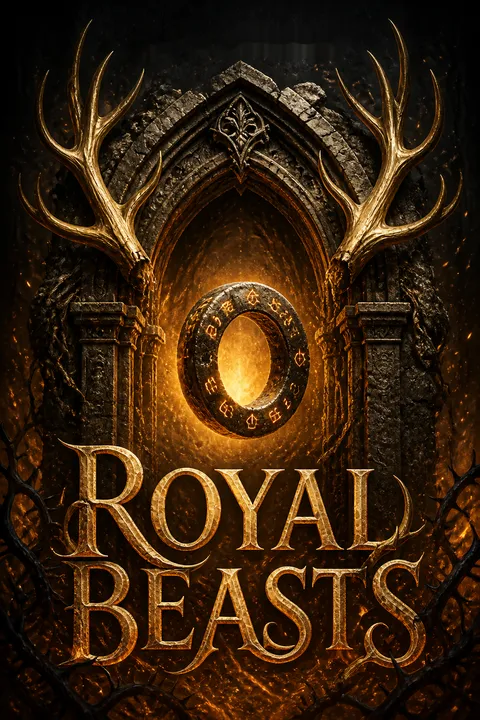

Plot Summary
Cursed Sanctuary Unraveling
The ancient curse protecting Saint Mark's Sanctuary is failing, and the world inside is changing. Pell, Pie, and Tomas, once bound by the rules of their magical prison, find themselves facing new dangers as the sanctuary's magic unravels. Pell's anger manifests as destructive power, Pie's spellwork becomes unpredictable, and Tomas struggles with his shifting identity. The monsters and nymphs, once content, now grow restless and rebellious, threatening the fragile peace. The sanctuary, once a haven, is now a crumbling battleground where the old order is dying, and the future is uncertain. The characters are forced to confront their roles, their debts, and the true meaning of freedom as the curse that once protected them now threatens to destroy everything they love.
Dragon's Awakening and Loss
Tomas's lover, Madeline, is resurrected as a dragon, but the joy of reunion is short-lived. Her transformation is traumatic, stripping her of her humanity and thrusting her into a confusing, primal existence. Tomas, who has longed for companionship, is devastated as Madeline's mind slips away, leaving him with only the hope that time will heal her. Meanwhile, the dragon eggs—symbols of hope and legacy—are lost in the chaos, deepening Tomas's grief. This chapter explores the pain of change, the cost of immortality, and the loneliness that comes with being a monster. Tomas's struggle mirrors the larger unraveling of the sanctuary, as personal loss echoes the collapse of their world.
Monsters, Nymphs, and Chaos
With the curse weakening, the sanctuary's population of monsters and nymphs spirals out of control. Parties, sex, and rebellion replace order and safety. Pell, once the master, finds his authority challenged at every turn. The monsters, emboldened by freedom, reject the rules and demand autonomy. Pie, caught between her desire to help and her fear of losing control, is forced to use her magic to banish troublemakers, but each act of power only deepens the divide. The sanctuary, meant to be a place of refuge, becomes a microcosm of chaos, reflecting the characters' internal struggles and the larger battle between fate and free will.
Doors, Rings, and Spells
The true nature of the sanctuary's magic comes to light: doors that lead to other worlds, rings that control destinies, and spells that shape reality. Pie's accidental spellwork grows more powerful and unpredictable, while Pell's voice can now reshape the world or destroy it. Tomas receives a door of his own, symbolizing both hope and the danger of unchecked magic. The characters realize that their powers are both gifts and burdens, and that every use of magic comes with a price. The rules of the sanctuary—once clear—are now fluid, and the boundaries between worlds, identities, and destinies blur.
The Arrival of Jacqueline
Pie's childhood friend Jacqueline arrives unexpectedly, bringing with her a busload of orphaned children. Her presence is a reminder of Pie's lost humanity and the world outside the sanctuary. Jacqueline's determination to save the children mirrors Pie's own struggle to protect those she loves. But the sanctuary is no place for humans, and the monsters' wildness makes it dangerous. The solution—hiding Jacqueline and the children in the magically altered town of Savage Falls—sets off a chain of events that will draw the outside world into the sanctuary's unraveling fate.
The Town of Savage Falls
The nearby town, once Granite Springs, is now Savage Falls—a place out of time, shrouded in fog and ruled by the devilish Eros. Pell, Pie, and Batty venture into town for supplies, only to find themselves caught in a web of glamour, memory, and danger. The town's transformation is a reflection of the sanctuary's own instability, and the presence of Eros signals that larger, cosmic forces are at play. The boundaries between worlds are breaking down, and the characters are forced to confront the consequences of their magic and the bargains they have made.
Hallways of Memory and Truth
The hallways—magical spaces that reveal memories and alternate realities—become central to the characters' journeys. Pell and Pie are separated and forced to relive pivotal moments from their pasts: Pell's forgotten origins as a godling, Pie's traumatic childhood and kidnapping by Eros, and the true nature of their curses. These journeys are both literal and metaphorical, forcing the characters to confront their deepest fears, regrets, and desires. The hallways reveal that the past cannot be escaped, only understood and, perhaps, forgiven.
The Gods' Bargain and Betrayal
The truth of the sanctuary's curse is revealed: it is the result of a bargain between ancient gods—Ptah, Cronus, Zeus, Saturn—and the alchemist Ostanes. The gods, desperate to maintain their power as humanity forgets them, breed magical children (the royal beasts) to serve as vessels for their magic. Pie, Pell, and Tomas are pawns in this cosmic game, their lives shaped by the gods' betrayals and broken promises. Eros, the banished god of love, seeks revenge and power, manipulating the characters to serve his own ends. The characters must decide whether to continue playing the gods' game or to break free, even if it means sacrificing everything.
The Caretaker Ceremony
In a pivotal memory, Pie relives the Caretaker Ceremony—a ritual where magical children are auctioned to royal families. She learns that she was meant to be a prize, a vessel for a new godling, but was stolen by Eros and cast into the human world. The ceremony reveals the cruelty and desperation of the gods, the origins of the curse, and the true nature of Pie's magic. The trauma of this event shapes Pie's destiny and sets the stage for the final confrontation with Eros and the gods.
The Devil's Arrow
Eros, now revealed as the devil of Savage Falls, ensnares Pie with a magical arrow, binding her fate to Tarq and demanding the birth of a new godling. Pell and Tomas are forced to confront their own roles in the gods' schemes and the cost of their freedom. The curse reaches its climax as the sanctuary collapses, Vinca is destroyed, and the characters are faced with impossible choices. The devil's arrow is both a literal and symbolic test: will they submit to fate, or will they find a way to break the cycle of sacrifice and betrayal?
Collapse of Sanctuary and Vinca
The sanctuary and the magical city of Vinca are reduced to ruins, casualties of the gods' war and the characters' choices. The monsters and nymphs are scattered, the prisoners of the Bottoms vanish, and the last remnants of the old order are swept away. Pell, Pie, and Tomas are left with nothing but each other and the knowledge that their actions have consequences far beyond their own lives. The collapse is both an ending and a beginning, forcing the characters to confront the true meaning of sacrifice, forgiveness, and hope.
The Last Game: Truth or Dare
In the ruins of their world, Pell, Pie, and Tomas are drawn into one last magical game—a truth-or-dare challenge orchestrated by Eros. The rules are unclear, the stakes are everything, and the only way out is through. Each must confront their deepest truths, make impossible choices, and decide what they are willing to sacrifice for love, freedom, and redemption. The game is a microcosm of the entire story: a test of character, will, and the power of magic to both destroy and heal.
The Final Choice
Faced with the end of their world and the impossibility of victory, Pell, Pie, and Tomas must choose how to meet their fate. Pressia, the oracle and alchemist, offers them a final riddle: true freedom comes not from winning, but from accepting loss, forgiving the past, and letting go. The characters seal away the magic, send the monsters home, and prepare to walk through the last door—knowing it may mean their own end. The final choice is not about power, but about peace, love, and the courage to start over.
Forgiveness and New Beginnings
In the aftermath, Pell and Pie are given a second chance. Pie, after a journey of forgiveness—including forgiving her mother and herself—finds her way back to Pell. The curse is broken, the doors are closed, and the past is honored but not repeated. Tomas, now the keeper of endings, finds his own peace as the god of happy endings, even as he must let go of his own desires. The story ends not with triumph, but with quiet redemption: love, forgiveness, and the promise of a new beginning.
Tomas: Keeper of Endings
In the epilogue, Tomas is revealed as the timekeeper, the god of happy endings, and the architect of the story's cycles. He and Eros, eternal rivals, reflect on the nature of punishment, love, and the endless game of gods and monsters. Tomas's role is both a reward and a penance: he can give others happy endings, but never have one himself. The story closes with Pell and Pie, finally free, choosing each other and a simple life—while Tomas and Eros prepare for the next round of the eternal game.
Analysis
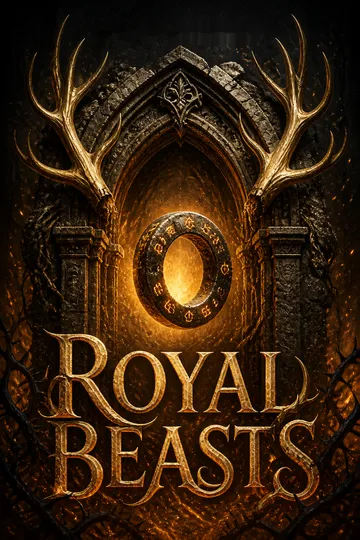
Royal Beasts is a sprawling, genre-bending fantasy that uses the trappings of paranormal romance, myth, and magical realism to explore deep questions of trauma, forgiveness, and the search for home. At its core, the novel is about the cost of survival in a world shaped by the ambitions and failures of those who came before. The characters—monsters, gods, and outcasts—are all victims of a system they did not create, forced to play roles in a cosmic game that offers no true winners. The story's nonlinear structure, use of magical doors and hallways, and emphasis on language as magic allow for a rich exploration of memory, identity, and the possibility of change. The ultimate message is one of acceptance: true freedom comes not from victory, but from the courage to forgive, let go, and choose love in the face of loss. The ending, with Pell and Pie choosing each other and a simple life, is both a rejection of the gods' game and an affirmation of the power of ordinary happiness. Royal Beasts is a meditation on the necessity of endings, the redemptive power of forgiveness, and the hope that, even in a world of monsters, happy endings are possible—if we are brave enough to choose them.
Review Summary
People Also Read

Characters
Pie Vita (Pianna)
Pie is the emotional and magical heart of the story—a young woman with a traumatic past, hidden magical heritage, and the power to shape reality through spellwork. Kidnapped as a child from a world of gods and monsters, she is raised in the human world, marked by loss and abandonment. Her journey is one of self-discovery, forgiveness, and the struggle to control her own destiny. Pie's relationships—with Pell, Tomas, and her lost sister Callistina—are fraught with love, guilt, and the longing for home. As the "slave caretaker," she is both a victim and a wielder of power, forced to make impossible choices. Her arc is one of transformation: from pawn to player, from cursed to free, and from lost child to the architect of her own happy ending.
Pell
Pell is the gruff, powerful, and deeply wounded master of Saint Mark's Sanctuary. Once a godling bred by ancient gods for their own purposes, he is now a reluctant leader, burdened by the curse that binds him and the sanctuary. His anger is both a weapon and a curse, capable of reshaping reality or destroying it. Pell's love for Pie is the anchor of his existence, and his journey is one of learning to let go of control, accept vulnerability, and choose love over power. His relationship with Tomas is one of brotherhood and rivalry, and his struggle with the gods' expectations mirrors his internal battle for self-acceptance. In the end, Pell's greatest act is not victory, but surrender: choosing peace, forgiveness, and a simple life with Pie.
Tomas
Tomas is the ancient dragon imprisoned beneath the sanctuary, both comic relief and tragic figure. His longing for love and family is a driving force, but his monstrous nature and the trauma of immortality isolate him. Tomas's relationship with Madeline is a microcosm of the story's themes: love, loss, and the pain of change. As the story unfolds, Tomas is revealed to be more than a victim—he is the timekeeper, the god of happy endings, and the architect of the story's cycles. His role is both a reward and a punishment: he can give others closure, but never have it himself. Tomas's arc is one of acceptance, wisdom, and the bittersweet knowledge that endings are necessary for new beginnings.
Eros (The Devil)
Eros is the story's primary antagonist—a banished god of love, now ruling Savage Falls as a devilish figure. His power to manipulate desire and fate makes him both seductive and terrifying. Eros's motivations are complex: revenge against the gods who betrayed him, the desire to create a new pantheon, and a twisted sense of responsibility for Pie. His actions—kidnapping Pie, orchestrating the curse, and demanding the birth of a new godling—drive the story's central conflict. Yet Eros is also a figure of regret and longing, unable to love or be loved, and ultimately seeking redemption through surrender and apology.
Madeline
Madeline is Tomas's beloved, resurrected as a dragon but lost to her monstrous nature. Her transformation is a metaphor for trauma and the cost of immortality. Madeline's struggle to retain her humanity, and Tomas's desperate hope to save her, mirror the larger themes of change, loss, and the search for belonging. Her fate—lost, then found, then lost again—echoes the story's cycles of hope and heartbreak.
Callistina
Callistina is Pie's lost sister, once a supportive sibling, later a rival and prisoner. Her arc is one of tragedy: from hopeful participant in the gods' schemes to a broken, mad figure in the ruins of the sanctuary. Callistina's fate is a warning about the cost of power, the cruelty of the gods, and the dangers of envy and betrayal. Her relationship with Pie is fraught with guilt, regret, and the longing for reconciliation.
Jacqueline Larue
Jacqueline is Pie's childhood friend, a social worker who rescues orphaned children and brings them to the sanctuary's world. Her presence is a reminder of Pie's lost humanity and the world outside magic. Jacqueline's loyalty, courage, and willingness to fight for the vulnerable make her a mirror for Pie's own journey. Her arc is one of letting go, trusting others, and finding her own place in a world of monsters.
Batty (Darrel)
Batty is a bat-winged monster, both comic relief and a figure of intrigue. His shifting loyalties, secret knowledge, and role as a translator make him both a helper and a threat. Batty's relationship with Tomas and Madeline is complex, and his actions often serve his own mysterious agenda. He is a symbol of the ambiguity of magic and the dangers of trusting appearances.
Pressia
Pressia is the unseen architect of the story's magic—a former bride-to-be of Pell, now a ghostly presence in the apothecary. Her books, spells, and riddles guide the characters toward understanding and redemption. Pressia's fate—eternal waiting, writing, and watching—mirrors the story's themes of patience, sacrifice, and the cost of wisdom. She is both a victim and a guide, offering hope and closure to those who come after her.
Tarq
Tarq is Pell's oldest friend, a fellow godling and the intended partner for Pie in the gods' schemes. His fate—crowned, betrayed, and ultimately killed—serves as a warning about the dangers of power, the cost of loyalty, and the inevitability of loss. Tarq's relationship with Pell is one of brotherhood, rivalry, and regret, and his death is a turning point in the story's final act.
Plot Devices
Doors and Rings
The central plot device is the system of magical doors and rings, which allow characters to travel between worlds, shape destinies, and rewrite reality. Doors represent both opportunity and danger: they are the means of escape, but also the mechanism of the curse. Rings are symbols of power, commitment, and the cost of magic. The rules governing doors and rings are fluid, reflecting the story's themes of choice, consequence, and the unpredictability of fate. The act of sealing away the rings and closing the doors is both a sacrifice and a liberation, marking the end of one era and the beginning of another.
Hallways and Memory
The hallways—magical spaces that reveal memories and alternate realities—are used to explore character backstory, reveal hidden truths, and force the characters to confront their traumas. The nonlinear structure allows for deep psychological exploration, blurring the lines between past, present, and future. The hallways are both a literal and metaphorical device, representing the journey through grief, forgiveness, and self-discovery.
Spelling and Voice
Magic in the story is enacted through spelling—poetic incantations that shape reality—and through Pell's powerful voice, which can create or destroy. This device ties magic to language, emotion, and intention, emphasizing the importance of words, promises, and the cost of power. The unpredictability of Pie's spellwork and the destructive potential of Pell's voice reflect the dangers of unchecked emotion and the need for self-mastery.
Gods' Bargain and Cosmic Game
The story is framed as a cosmic game between ancient gods, with the characters as pawns in a larger struggle for survival and relevance. The gods' bargains, betrayals, and schemes drive the plot, but the characters' choices—especially the choice to forgive, let go, and start over—ultimately break the cycle. The final game of truth or dare is a microcosm of the entire story: a test of character, will, and the power of love to transcend fate.
Monsters of St. Mark's Series
Download PDF
Download EPUB
.epub digital book format is ideal for reading ebooks on phones, tablets, and e-readers.








































