
Plot Summary
Winter's Whispered Legends
In the deep winter of Ea Uaré, Silvan elves huddle around fires, sharing tales of omens, loss, and the legendary Green Sun—Fel'annár. The land is scarred by the devastation of Sen'uár and the encroaching threat of Deviants, mortals cursed with immortality and rot. Among the Silvans, hope and fear mingle as the North-western Patrol returns, their deeds echoing through the trees. The forest is alive with stories, and Fel'annár's name is on every tongue, a symbol of both promise and the burdens of destiny. The cold, the darkness, and the memory of loss set the stage for a journey that will test the bonds of brotherhood and the meaning of heritage.
Cursed Immortality's Price
Once mortal, now immortal in spirit but decaying in flesh, the Deviants are a living curse—punished for seeking what was forbidden. Their existence is a warning: immortality without grace is torment. In a brutal skirmish, Fel'annár and his companions face these wailing, rotting foes, their battle skills honed by necessity and camaraderie. The aftermath is grim—no prayers, only the practical burning of bodies. The elves' victory is tinged with pity and horror, for the Deviants' fate is a mirror of what can happen when nature's laws are defied. The encounter leaves Fel'annár and his friends changed, their resolve hardened by the knowledge of what they fight against.
Brotherhood in Blood and Battle
Fel'annár's Company—Ramien, Idernon, Carodel—are more than comrades; they are brothers, united by shared trials and the scars of battle. Distrusted by Alpine commanders and even some Silvans, they find acceptance only through courage and skill. The group's dynamic is shaped by teasing, loyalty, and the silent understanding that each would die for the others. As they journey toward Tar'eastór, new friendships are tested, old wounds reopened, and the lines between Alpine and Silvan blur in the face of common enemies. The Company's unity becomes their greatest strength, a shield against prejudice and the darkness ahead.
The Bastard's Secret
Fel'annár's life is shadowed by questions of identity. Raised as a Silvan, mocked for his Alpine features, he has always felt apart. The truth, when it comes, is shattering: he is the illegitimate son of King Thargodén, born of forbidden love between Alpine and Silvan. The revelation, delivered by Lainon, his mentor and protector, upends Fel'annár's world. Anger, betrayal, and confusion war within him as he grapples with the implications—not just for himself, but for the fragile peace between peoples. The secret, once revealed, cannot be contained, and its consequences ripple outward, threatening to ignite old resentments and new ambitions.
The King's Grief
King Thargodén is a man broken by the death of his beloved Lássira and the estrangement of his children. His reign is marked by absence—of joy, of connection, of purpose. The news of his lost son's survival and his lover's death brings both closure and a rekindling of resolve. Thargodén's grief is a crucible, forging a new determination to heal his family and his realm. The king's journey from despair to action is mirrored in the land itself, as old wounds are acknowledged and the possibility of renewal emerges. His acceptance of Fel'annár as his son is both a personal and political turning point.
Alpine and Silvan Divide
The journey to Tar'eastór exposes the deep rift between Alpine and Silvan elves. Commanders like Pan'assár embody the old order—proud, dismissive, and haunted by past betrayals. Silvan warriors, for their part, cling to traditions and resent their marginalization. The Company, straddling both worlds, becomes a microcosm of the larger conflict. Through shared hardship, some barriers begin to fall, but others are reinforced by fear and ambition. The struggle for respect, recognition, and belonging is as fierce as any battle, and the outcome will shape the future of the realm.
The Listener's Awakening
As a Listener, Fel'annár can sense the emotions of the trees and the land—a rare and misunderstood power. This connection is both a blessing and a burden, marking him as different and sometimes feared. In moments of crisis, his abilities manifest in startling ways: glowing eyes, hair that floats as if underwater, and a communion with nature that borders on the divine. These episodes unsettle allies and enemies alike, but they also hint at a destiny greater than any one elf. Fel'annár's struggle to control and understand his gift becomes a metaphor for his journey toward self-acceptance and leadership.
The Road to Tar'eastór
The Company's trek through the Median Mountains is fraught with danger—Deviant attacks, treacherous weather, and the ever-present threat of betrayal. Along the way, they encounter allies and adversaries, each with their own agendas. The landscape itself becomes a character, its beauty and brutality reflecting the inner turmoil of the travelers. As they near Tar'eastór, the stakes rise: old secrets come to light, new alliances are forged, and the Company must rely on each other as never before. The journey is both a physical and spiritual trial, preparing them for the challenges to come.
The Summit of Truths
In Tar'eastór, a summit of Silvan and Alpine leaders is convened, ostensibly to address the growing threat of Deviants but in reality to confront the deeper issues of heritage, legitimacy, and power. Amareth, Fel'annár's aunt and surrogate mother, is summoned to reveal the truth of his birth. The political machinations of Band'orán and other purists threaten to unravel the fragile peace. Amidst these tensions, Fel'annár's identity is publicly acknowledged, forcing all to reckon with the meaning of blood, loyalty, and destiny. The summit becomes a crucible in which old grievances are aired and new paths are forged.
The Warrior's Heritage
Fel'annár's resemblance to his grandfather Or'Talán is uncanny, both in appearance and spirit. This legacy is both a blessing and a curse, as expectations and resentments swirl around him. Under the tutelage of Gor'sadén, one of the legendary Three, Fel'annár is offered the chance to learn the forbidden Kal'hamén'Ar—the Dance of Graceful Death. His journey from orphaned outcast to potential leader is marked by humility, courage, and a willingness to sacrifice. The question of whether heritage or choice defines a warrior is at the heart of his struggle, and the answer will shape the fate of the realm.
The Dance of Death
Training in Tar'eastór is rigorous, demanding not just skill but self-knowledge and discipline. Fel'annár's pursuit of the Kal'hamén'Ar is both a personal quest and a symbol of reconciliation between Alpine and Silvan traditions. The Company, now including Alpine and Silvan warriors, becomes a model of what the realm could be. Battles against Deviants and Incipients test their mettle, and the cost of victory is high. The loss of comrades, the burden of command, and the ever-present threat of betrayal force Fel'annár to confront his own limits and the true meaning of strength.
The Company's Bond
The Company's unity is forged in adversity—loss, betrayal, and the constant threat of death. The deaths of Osír and Lainon, in particular, leave deep scars but also inspire acts of courage and compassion. The bonds between Fel'annár, Idernon, Ramien, Carodel, Galdith, Galadan, and Sontúr become a source of hope and resilience. Their willingness to accept each other, regardless of origin or status, stands in stark contrast to the divisions that plague the wider world. The Company's example becomes a beacon, suggesting that true kinship is chosen, not inherited.
The Price of Protection
Lainon's role as protector and mentor to Fel'annár is both a blessing and a burden. His death, defending Fel'annár in battle, is a moment of profound loss and transformation. The passing of Lainon's light into Fel'annár is both literal and symbolic—a transfer of responsibility, wisdom, and hope. The grief that follows is shared by all, but it also becomes a catalyst for growth. The lesson is clear: to protect is to risk everything, and the price of love is often paid in sorrow.
The Light of Aria
Fel'annár's connection to Aria, the life force of the world, is revealed to be more than mere magic—it is a calling. As a Ber'anor, he is charged with a purpose beyond his understanding, protected by a Ber'ator (Lainon) until he is ready to fulfill his destiny. The manifestations of his power—healing, communion with nature, and the ability to inspire others—are signs of a greater role to come. The recognition of this purpose by the Ari'atór and others marks a turning point, as Fel'annár moves from being a pawn of fate to an agent of change.
The Ber'anor's Destiny
In the aftermath of loss and revelation, Fel'annár stands at the threshold of a new era. His acceptance of both his Alpine and Silvan heritage, his mastery of the Kal'hamén'Ar, and his willingness to lead by example mark him as a figure of hope. The divisions that once seemed insurmountable begin to heal, and the possibility of unity emerges. The road ahead is uncertain, fraught with danger and the machinations of those who fear change. But Fel'annár, the Green Sun, is no longer just a legend—he is a living symbol of what the realm can become when love, sacrifice, and courage are allowed to transcend the boundaries of blood and tradition.
Analysis
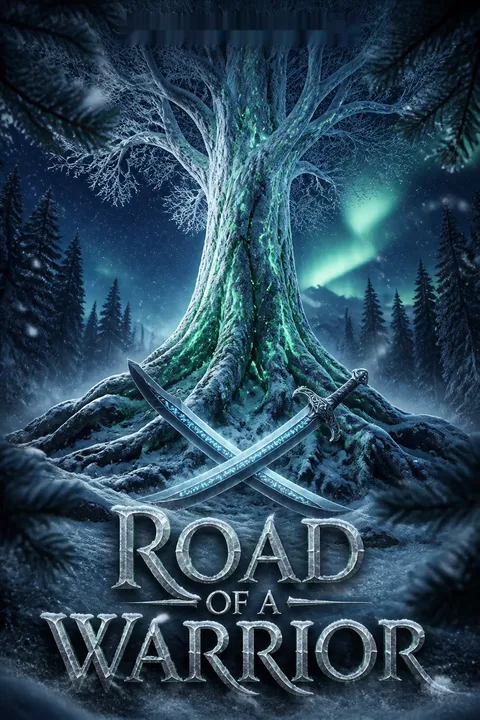
R.K. Lander's Road of a Warrior is a sweeping epic that explores the costs and possibilities of unity in a world fractured by prejudice, grief, and ambition. At its heart is Fel'annár, a character whose journey from orphaned outcast to symbol of hope mirrors the realm's own struggle to reconcile its divided heritage. The novel interrogates the meaning of family, the burdens of legacy, and the transformative power of chosen kinship. Through the lens of fantasy, it addresses deeply modern questions: Can old wounds be healed? Can difference be a source of strength rather than division? The story's use of magic realism, political intrigue, and martial discipline serves to externalize the inner battles of its characters, making the personal political and the political personal. Ultimately, the book argues that true leadership is born not of blood or tradition, but of humility, sacrifice, and the courage to embrace both the light and the darkness within. In a world where the past threatens to dictate the future, Road of a Warrior offers a vision of hope: that by facing our wounds, honoring our bonds, and daring to change, we can forge a new path—together.
Review Summary
Road of a Warrior is highly praised for its captivating storytelling, complex characters, and rich world-building. Readers appreciate the emotional depth, character development, and intricate plot. The book is seen as a strong sequel that expands on the elven world introduced in the first installment. Many reviewers express eagerness for the next book in the series. The protagonist, Fel'annár, is particularly well-received, with readers invested in his journey and growth. Some minor criticisms include occasional confusion with multiple character names and a desire for more antagonist development.
Characters
Fel'annár
Fel'annár is the illegitimate son of King Thargodén and a Silvan woman, raised in obscurity and haunted by questions of identity. Marked by Alpine features and Silvan spirit, he is both outsider and bridge between worlds. His rare gift as a Listener connects him to the land and its pain, while his martial prowess and humility earn him the loyalty of his companions. Fel'annár's journey is one of self-discovery, as he moves from shame and anger to acceptance and purpose. The loss of his protector Lainon and the revelation of his heritage force him to confront the burdens of leadership and the meaning of destiny. Ultimately, Fel'annár becomes a symbol of hope, unity, and the possibility of transcending the past.
Lainon
Lainon is a Spirit Warrior, chosen by Aria to guide and defend Fel'annár. Empathic, disciplined, and haunted by his own sacrifices, Lainon embodies the ideals of the Ari'atór—service, faith, and selflessness. His love for Tensári and his devotion to Fel'annár define his character, as does his willingness to die so that others may live. Lainon's death is both a personal tragedy and a moment of transformation, as his light passes into Fel'annár, marking the latter as Ber'anor. Lainon's legacy is one of wisdom, courage, and the enduring power of chosen family.
King Thargodén
Thargodén is a ruler broken by loss—the death of his beloved Lássira and the estrangement of his children. His reign is marked by absence and regret, but the revelation of Fel'annár's survival and Lássira's fate rekindles his resolve. Thargodén's struggle to reconcile duty and love, tradition and change, mirrors the challenges facing his realm. His acceptance of Fel'annár as his son is both a personal act of healing and a political statement, signaling a willingness to embrace unity over division. Thargodén's journey is one of redemption, as he seeks to mend the wounds of the past and guide his people toward a new future.
Pan'assár
Once a legendary warrior and member of the Three, Pan'assár is now a man consumed by bitterness and regret. His hatred of Silvans is rooted in the trauma of Or'Talán's death, which he blames on their refusal to abandon the forest. Pan'assár's journey is one of slow, painful self-awareness, as he is forced to confront the consequences of his prejudice and the possibility of change. His interactions with Fel'annár and Gor'sadén challenge his assumptions, and his eventual willingness to allow Fel'annár to train in the Kal'hamén'Ar is a tentative step toward reconciliation.
Gor'sadén
Gor'sadén is the last of the Three, a warrior of immense skill and wisdom. His recognition of Fel'annár's potential and his willingness to challenge Pan'assár's prejudice make him a key figure in the story's movement toward unity. Gor'sadén's mentorship of Fel'annár in the Kal'hamén'Ar is both a passing of the torch and a symbol of hope for the future. His loyalty to Or'Talán and his openness to change mark him as a leader capable of guiding others through uncertainty.
Sontúr
Sontúr, second son of King Vorn'asté, is torn between the roles of warrior and healer. His journey is one of self-discovery, as he seeks to define his place in a world of shifting allegiances and expectations. Sontúr's friendship with Fel'annár and his willingness to join the Company reflect his openness to new ideas and his desire to serve in a way that honors both tradition and innovation. His struggle to reconcile faith and reason mirrors the broader tensions of the realm.
Idernon
Idernon is the intellectual heart of the Company, a thinker who questions everything but is fiercely loyal to his brothers. His curiosity and skepticism provide balance to the group, and his willingness to embrace the unknown—whether in Fel'annár's powers or the mysteries of the Ari'atór—marks him as a bridge between worlds. Idernon's journey is one of learning to trust, both in others and in himself.
Ramien
Ramien is the physical powerhouse of the Company, known for his strength, loyalty, and irreverent humor. His friendship with Fel'annár and Idernon is unshakeable, and his willingness to face danger head-on inspires those around him. Ramien's journey is one of learning to balance bravado with vulnerability, and his presence is a constant source of comfort and courage for the group.
Carodel
Carodel brings music, laughter, and empathy to the Company. His ability to find beauty in hardship and to give voice to the group's unspoken feelings makes him indispensable. Carodel's journey is one of healing—both his own wounds and those of his friends—through art, memory, and the power of shared experience.
Galdith
Galdith is marked by loss—the destruction of his home, the deaths of loved ones—but finds new purpose in the Company. His initial skepticism gives way to loyalty and friendship, and his willingness to challenge injustice makes him a valuable ally. Galdith's journey is one of moving from bitterness to hope, as he learns to trust again and to believe in the possibility of change.
Plot Devices
Dual Heritage and Hidden Identity
The revelation of Fel'annár's parentage is the central plot device, serving as both a source of internal conflict and a catalyst for external change. His dual heritage—Alpine and Silvan—embodies the possibility of reconciliation but also the threat of upheaval. The gradual unveiling of his identity, through dreams, visions, and the testimony of others, creates suspense and emotional resonance. This device is mirrored in the broader political landscape, where questions of legitimacy, tradition, and change are constantly in play.
The Company as Microcosm
The Company, with its mix of backgrounds, personalities, and skills, serves as a microcosm of the realm's divisions and possibilities. Their evolving relationships—marked by loyalty, conflict, and growth—foreshadow the larger reconciliation that the story seeks. The Company's ability to transcend prejudice and forge genuine kinship is both a narrative engine and a thematic statement.
The Listener's Gift and Magic Realism
Fel'annár's power as a Listener is both a literal and symbolic device. It allows for moments of magic realism—glowing eyes, communion with nature, the blooming of a dead tree—that externalize his internal struggles and the world's hidden wounds. These episodes serve as foreshadowing, as well as moments of revelation and transformation, linking the personal to the cosmic.
The Dance of Graceful Death (Kal'hamén'Ar)
The forbidden martial art of the Kal'hamén'Ar is a plot device that tests Fel'annár's worthiness and willingness to embrace all aspects of himself. His training under Gor'sadén, and the eventual acceptance by Pan'assár, symbolize the possibility of healing old divisions and forging a new path. The Dance is both a literal skill and a metaphor for the journey toward wholeness.
Sacrifice and the Passing of Light
The deaths of Lainon and others are not merely losses but moments of profound change. The passing of Lainon's light into Fel'annár is a plot device that marks the transfer of responsibility and the beginning of a new era. Sacrifice is shown to be the price of love and the engine of growth, both for individuals and for the world.
Political Intrigue and Foreshadowing
The machinations of Band'orán, the tensions between Alpine and Silvan, and the looming threat of Deviants create a backdrop of uncertainty and danger. Foreshadowing is used throughout—dreams, prophecies, and the warnings of the wise—to build suspense and to suggest that the personal and the political are inextricably linked.
The Silvan Series
About the Author
Download PDF
Download EPUB
.epub digital book format is ideal for reading ebooks on phones, tablets, and e-readers.








































