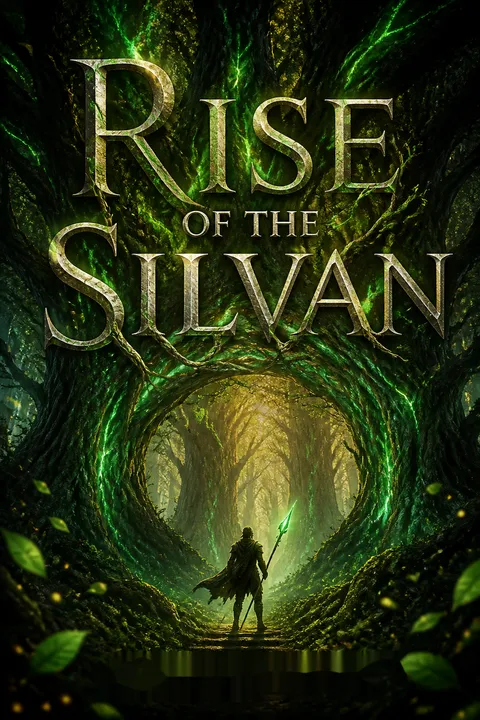

Plot Summary
Aftermath and Unrest
The Silvan and Alpine alliance stands battered in the wake of civil war and the defeat of Band'orán, but peace is fragile. Fel'annár, the young Silvan Warlord, is thrust into leadership while still recovering from wounds—physical and emotional. Discrimination lingers, and the Silvan warriors, proud and weary, refuse to return to the city until their demands for equality are met. The king and his council scramble to heal old wounds, but suspicion and pride threaten to unravel the fragile unity. Amidst the encampments, the dead are mourned, the wounded tended, and the seeds of new conflict are sown as rumors of a greater threat begin to stir in the north.
The Warlord's Burden
Blinded and exhausted, Fel'annár is called to mediate between the Silvan elders and the Alpine leadership. He is seen as both a symbol and a tool—expected to heal centuries of injustice and lead his people into a new era. The weight of command presses on him, as he must convince the Silvans to trust in promises of reform while warning of a looming external danger. His own doubts and the pain of being seen as an instrument rather than a person threaten to break him, but he pushes forward, determined to fulfill his duty even as he questions his place in the world.
Fractured Alliances
The fragile peace is tested as the Silvan warriors refuse to return to the city, citing years of discrimination and a recent act of betrayal by an Alpine healer. The king's efforts to bridge the divide are met with skepticism, and the Silvan captains, led by Bulan and Dalú, are wary of serving under Pan'assár, the Alpine commander whose past bigotry is not easily forgotten. Meanwhile, Fel'annár's family from the Deep Forest arrives, bringing with them unresolved pain and the hope of reconciliation. The threat from the north grows ever closer, forcing all to consider whether unity is possible before it is too late.
The Silvan Stand
With the king's decree of equality and the restructuring of the army into Mountain and Forest Divisions, Fel'annár is promoted to general and given command of the Silvan warriors. The Silvans, inspired by his leadership and the promise of real change, return to the city in force, their war drums echoing through the gates. The Inner Circle is reborn, with Silvan captains and female warriors welcomed for the first time. Yet beneath the celebration, the scars of the past remain, and the question lingers: will this new unity hold when the true enemy arrives?
The Enemy Approaches
Far to the north, the Nim'uán and his Sand Lord army—augmented by Deviants and the terrifying Reapers—prepare to invade the forest. Their numbers are vast, their cruelty legendary, and their purpose twofold: to claim the water-rich lands of Ea Uaré and to hunt the mages who can command the trees. As the enemy draws near, the Silvan villages are evacuated, but many refuse to leave their ancestral homes. The stage is set for a confrontation that will test the courage and unity of the newly reformed army.
The Price of Command
As the enemy breaches the Xeric Wood, the Silvan army is forced to witness unspeakable atrocities—civilians caged and used as shields, warriors devoured alive by Reapers. Fel'annár is faced with an impossible decision: to unleash the power of the forest and risk killing his own people, or to hold back and watch his army be slaughtered. The burden of command becomes a crucible, forging him into a true leader even as it threatens to break his spirit. The cost of victory is measured in blood, and the line between heroism and sacrifice blurs.
The Forest Awakens
With the hostages freed at great cost, Fel'annár unleashes the fury of the forest. The ancient trees, led by the Three Sisters—Anora, Golora, and Bulora—awaken in a maelstrom of violence, tearing through the enemy ranks with unstoppable force. The battle becomes a dance of death, with the Silvan warriors and their allies fighting alongside the living wood. The enemy's monstrous beasts are brought down, but not before many more lives are lost. The power that Fel'annár wields is both awe-inspiring and terrifying, leaving all who witness it changed.
The Wheel Turns
The Silvan and Alpine army, outnumbered and exhausted, faces the full might of the Nim'uán and his Sand Lords in the heart of the forest city. The Wheel of War—an ancient formation led by the Kah Masters—carves a path through the enemy, but the cost is high. Pan'assár, seeking redemption for his past, sacrifices himself to save his warriors, and Galadan, the Fire Warrior, falls at his side. The battle is won, but the victory is hollow, and the survivors are left to mourn their dead and question the price they have paid.
Blood and Sacrifice
As the dust settles, the true cost of the war is revealed. Thousands lie dead, including beloved leaders and friends. The survivors, battered and grieving, must tend to the wounded, bury the fallen, and begin the long process of healing. Fel'annár, now the undisputed leader of the Silvan people, is haunted by guilt and doubt, questioning every decision and mourning every life lost. The unity forged in battle is tempered by sorrow, and the future remains uncertain.
The Three Sisters' Fury
The aftermath of the battle leaves the forest forever changed. The Three Sisters, ancient sentinels and perhaps Originals, have revealed their true power, and the magic of the land is now undeniable. The Silvan people, inspired by the miracle of their survival and the leadership of Fel'annár, begin to rebuild their city and their lives. The scars of war run deep, but hope flickers in the promise of a new beginning.
The Fall of Abiren'á
With the enemy vanquished, the survivors of Abiren'á return to their shattered home. Under Fel'annár's guidance, the city is rebuilt, and a new outpost is established to guard the northern border. The unity of Silvan, Alpine, and Ari'atór is celebrated, and the memory of the fallen is honored in song and ritual. Yet even in victory, the wounds of the past linger, and the lessons of war are not easily forgotten.
The Last Stand
In a desperate duel beneath the sands, Fel'annár faces the last of the Nim'uán, wielding the spear Harvest and the power of the forest. The battle is brutal and personal, a clash of destinies shaped by loss and vengeance. With the help of his friends and the living wood, Fel'annár prevails, but the victory is bittersweet. The threat is ended, but the cost is nearly more than he can bear.
The Cost of Victory
As the survivors gather to honor the dead, Fel'annár is wracked by self-doubt and sorrow. The wisdom of his mentors and the love of his friends help him begin to heal, but the scars of command run deep. The unity of the people is tested by the weight of loss, and the future of the forest hangs in the balance.
The Weight of Grief
Gor'sadén, last of The Three, mourns the loss of his brothers and contemplates the meaning of duty and sacrifice. Fel'annár, guided by the counsel of his friends and the memory of those who have fallen, begins to accept the burdens of leadership. The survivors, inspired by their example, find the strength to move forward, even as they carry the pain of the past.
The Rise of the Silvan
With the war won and the city rebuilt, Fel'annár is celebrated as the leader who united the peoples of the forest and defended their home against impossible odds. The Silvan people, once divided and oppressed, stand proud and free. The unity of Silvan, Alpine, and Ari'atór is enshrined in tradition, and the promise of peace and renewal shines brighter than ever before.
Secrets of the Evergreen
In the aftermath of war, Fel'annár seeks answers to the riddles of his dreams and the true nature of his purpose. Guided by the wisdom of the Originals and the revelations of the Shirán, he uncovers the existence of a second Source hidden in the Evergreen Wood—a secret that may change the fate of the world. The burden of guardianship passes from Or'Talán to Fel'annár, and the meaning of his journey is finally revealed.
The Light in the Forest
Fel'annár, now fully awakened to his destiny, embraces his role as the protector of the hidden Source. The unity he has forged among the peoples of the forest becomes the foundation for a new age of peace and understanding. The lessons of war, loss, and love shape him into a leader worthy of legend, and the light he carries becomes a beacon for all who follow.
The Next Road
As the survivors return home and the wounds of war begin to heal, new challenges and mysteries await. The threat of the Nim'uán is ended, but the world is forever changed. Fel'annár, The Company, and their allies look to the future with hope and determination, ready to face whatever roads lie ahead. The story of the Silvan is not yet finished, and the promise of new adventures beckons on the far side of the forest.
Analysis
A modern epic of unity, trauma, and the search for belonging
Rise of The Silvan is a sweeping tale that reimagines the classic fantasy epic for a contemporary audience, blending the grandeur of myth with the intimacy of personal struggle. At its heart, the novel is a meditation on the cost of leadership, the pain of exclusion, and the transformative power of chosen family. Fel'annár's journey from outcast to legend is both a personal and communal odyssey, reflecting the challenges of forging unity in a world scarred by division. The story's use of nature as both setting and character underscores the interconnectedness of all things, while the cycles of trauma and healing mirror the realities of modern life. The novel's willingness to confront the horrors of war, the ambiguity of sacrifice, and the complexity of forgiveness gives it a depth and resonance that transcends genre. Ultimately, Rise of The Silvan is a story about the courage to face the past, the humility to accept help, and the hope that even in the ashes of loss, new life can take root.
Review Summary
Rise of The Silvan receives overwhelmingly positive reviews, with readers praising its immersive world-building, complex characters, and emotional depth. Many describe it as an epic fantasy that keeps them engrossed throughout its 30-hour audiobook. Readers appreciate the character growth, intense battles, and the balance of humor and heartbreak. Some note it's the best in the series so far, with a few mentioning occasional repetition or excessive focus on the main character. Overall, fans eagerly anticipate the next installment, with many calling it a must-read for fantasy lovers.
People Also Read

Characters
Fel'annár
Fel'annár is the half-Silvan, half-Alpine Warlord whose journey from outcast to general forms the heart of the story. Haunted by the trauma of his past and the weight of impossible expectations, he is both a symbol of hope and a vessel for the pain of his people. His relationships—with his Connate Llyniel, his mentor Gor'sadén, his estranged family, and his loyal Company—reveal a soul torn between duty and longing for acceptance. As he learns to wield the power of the forest and confronts the cost of command, Fel'annár's growth is marked by humility, empathy, and a deepening understanding of sacrifice. His ultimate acceptance of his role as guardian of the hidden Source marks his transformation from reluctant hero to legend.
Gor'sadén
Gor'sadén is the wise and battle-hardened commander who serves as Fel'annár's teacher and surrogate father. Once part of the legendary trio with Or'Talán and Pan'assár, he is now the last of his kind, carrying the grief of loss and the burden of leadership. His guidance is both practical and philosophical, helping Fel'annár navigate the complexities of command and the pain of sacrifice. Gor'sadén's own journey is one of coming to terms with mortality, legacy, and the meaning of true brotherhood.
Llyniel
Llyniel is Fel'annár's soulmate and the newly appointed Lestari (Master Healer) of Ea Uaré. Her strength, compassion, and unwavering support provide Fel'annár with the stability he needs to face his trials. Llyniel's own arc is one of self-realization and leadership, as she steps into her role with confidence and grace. Her relationship with Fel'annár is marked by deep love, mutual respect, and the shared understanding of the cost of war.
Pan'assár
Once a symbol of Alpine supremacy and bigotry, Pan'assár's journey is one of atonement and transformation. Haunted by his failures and the loss of Or'Talán, he strives to earn the forgiveness of the Silvan people and his own self-respect. His mentorship of Fel'annár and ultimate sacrifice in battle serve as acts of redemption, cementing his legacy as a leader who found honor in humility and selflessness.
Galadan
Galadan is the Fire Warrior, a member of The Company whose wisdom, loyalty, and understated courage make him a pillar of support for Fel'annár and his friends. His death in battle is a profound loss, symbolizing the cost of victory and the depth of the bonds forged in war. Galadan's legacy endures in the memories and hearts of those he leaves behind.
Bulan
Bulan is Fel'annár's Silvan uncle, a former captain who returns to help mend the rift between the Silvan and Alpine peoples. His initial skepticism and pain give way to pride and acceptance as he witnesses Fel'annár's growth. Bulan's role as mentor, family, and leader is crucial in uniting the Silvan warriors and guiding the new generation.
The Company (Idernon, Ramien, Galdith, Carodel, Tensári, Lainon)
The Company is a diverse group of warriors—Silvan, Alpine, Ari'atór, male and female—who embody the unity and resilience at the heart of the story. Each member brings unique strengths and perspectives: Idernon's wisdom, Ramien's strength, Galdith's fierceness, Carodel's artistry, Tensári's Ari'atór discipline, and Lainon's mysterious return as Shirán. Their camaraderie, humor, and unwavering loyalty provide both comfort and challenge to Fel'annár, and their losses and triumphs are deeply felt.
Saz'nár and Key'hán (The Nim'uán)
The Nim'uán twins are the leaders of the invading Sand Lord army, driven by a complex mix of vengeance, longing, and the pain of exile. Their cruelty is legendary, but glimpses of grief and the memory of their Silvan mother add depth to their villainy. Their pursuit of the mages and the hidden Source makes them both personal and existential threats, and their eventual defeat is hard-won and costly.
Hobin
Hobin is the leader of the Ari'atór, a figure of immense wisdom, discipline, and quiet power. His role as advisor, ally, and fellow Ber'anor is pivotal in helping Fel'annár understand his purpose and the deeper mysteries of the world. Hobin's presence brings gravitas and a sense of continuity with the ancient traditions of the Ari'atór.
Amareth
Amareth is Fel'annár's aunt, a figure marked by regret, love, and the scars of difficult choices. Her role in raising Fel'annár and keeping him hidden from his family is both protective and damaging, and her journey toward reconciliation is fraught with pain and hope. Amareth's political acumen and devotion to her people make her a key player in the restoration of unity.
Plot Devices
Duality of Identity and Unity
The narrative is structured around the tension between division and unity—Silvan and Alpine, old and new, tradition and change. Fel'annár's mixed heritage and outsider status make him both a bridge and a battleground for these forces. The plot uses his journey to explore the pain of exclusion, the longing for acceptance, and the transformative power of chosen family. The restructuring of the army, the inclusion of female warriors, and the forging of new alliances all serve as metaphors for the healing of old wounds and the creation of a new, inclusive identity.
The Burden of Command and Sacrifice
The story is driven by the relentless demands of leadership—making impossible choices, bearing the guilt of loss, and finding the strength to continue. Fel'annár's arc is shaped by the tension between empathy and duty, and the plot repeatedly forces him to choose between the lives of the few and the many. The deaths of beloved characters, the horrors of war, and the moments of self-doubt are used to foreshadow the cost of victory and the necessity of sacrifice.
Magic of the Forest and the Power of Nature
The living forest, the Three Sisters, and the awakening of the trees are central plot devices, symbolizing both the ancient power of the land and the potential for renewal. The ability to command the trees is both a gift and a burden, and the plot uses this magic to explore themes of stewardship, humility, and the limits of control. The mysteries of the Originals, the hidden Source, and the return of the Shirán add layers of myth and foreshadowing, hinting at deeper truths yet to be revealed.
Cycles of Trauma and Healing
The narrative structure mirrors the cycles of trauma and healing experienced by individuals and communities. The aftermath of battle, the rituals of mourning, and the rebuilding of the city are used to explore the process of coming to terms with loss and forging new hope. The plot uses foreshadowing and callbacks to earlier events to show how the past shapes the present, and how healing requires both remembrance and the courage to move forward.
Prophecy, Dreams, and the Unseen
Fel'annár's dreams, the runes beneath his skin, and the revelations of the Shirán are used to foreshadow his ultimate purpose and the existence of deeper mysteries. The plot weaves together personal and cosmic stakes, using prophecy and the unknown to create a sense of destiny and anticipation. The hidden Source, the guardianship of the forest, and the possibility of new threats ensure that the story's end is also a beginning.
The Silvan Series




About the Author
Download PDF
Download EPUB
.epub digital book format is ideal for reading ebooks on phones, tablets, and e-readers.








































