
Plot Summary
Grief and Divine Purpose
The story opens with Tensári, an Ari'atór warrior, grieving the loss of her soulmate Lainon, who died protecting Fel'annár. Her pain is compounded by resentment toward Fel'annár, questioning if he was worth Lainon's sacrifice. In a mystical dream, Tensári glimpses the afterlife and Lainon's peace, which brings her solace and a renewed sense of purpose. She is shown visions by Aria, the spirit of nature, hinting at a greater destiny for Fel'annár and herself. This chapter sets the tone of loss, spiritual connection, and the intertwining of fate and duty, as Tensári seeks guidance from her commander, Hobin, and prepares to find meaning in her suffering.
Battle's Aftermath and Burdens
Fel'annár and his Company return from a brutal patrol, scarred by the loss of Lainon and the relentless fight against Deviants. The emotional and physical exhaustion is palpable, with Fel'annár struggling under the weight of expectation, his evolving powers, and the trauma of battle. The Company's camaraderie is a fragile comfort as they process grief and uncertainty. Meanwhile, Prince Handir, burdened by guilt over Lainon's death and the secret of Fel'annár's heritage, withholds crucial messages from Fel'annár. The chapter explores the cost of leadership, the pain of secrets, and the bonds forged in adversity.
Forest Summit Unveiled
The Forest Summit convenes, bringing together Silvan and Alpine leaders to address deep-seated divisions. Band'orán, the king's uncle, manipulates the council, stoking prejudice against Silvans and plotting to undermine King Thargodén. Silvan leaders Erthoron and Lorthil hope for recognition and justice, while the king's family grapples with the consequences of past betrayals. The summit becomes a stage for old wounds and new ambitions, as the Silvans demand fair representation and the right to name their own warlord. The chapter pulses with the tension of a society on the brink of upheaval.
Bloodlines and Betrayals
Fel'annár's true parentage is revealed: he is the son of King Thargodén and the Silvan Lássira, making him both a symbol of hope and a target for political machinations. Handir, torn between resentment and duty, finally delivers the long-withheld messages from Fel'annár's father and Captain Turion. The emotional confrontation between the brothers is fraught with pain, apology, and the possibility of reconciliation. Meanwhile, Band'orán's agents, including the assassin Macurian, move in the shadows, seeking to eliminate Fel'annár before he can become a rallying point for the Silvans.
The King's Proclamation
King Thargodén publicly acknowledges Fel'annár as his son and names him a lord, igniting both celebration and outrage. The Silvans rejoice, seeing in Fel'annár the leader they have longed for, while the Alpines are divided, some embracing change, others recoiling in bigotry. Fel'annár is thrust into the spotlight, struggling with the expectations placed upon him and the complexities of his dual heritage. The chapter captures the emotional high of acceptance and the undercurrent of danger as enemies plot in response to the king's bold move.
Brotherhood and Schemes
Fel'annár, now a lord, navigates the treacherous waters of court politics, guided by his brothers in the Company and the mentorship of Gor'sadén. Handir reveals the plan to restore unity to Ea Uaré, enlisting Fel'annár's help to bridge the divide between Silvans and Alpines. Llyniel, a healer and Handir's childhood friend, becomes a confidante and potential love interest for Fel'annár, her own journey mirroring his search for belonging. The chapter explores the forging of alliances, the pain of past wounds, and the hope for a new future.
Becoming the Warrior Lord
Fel'annár undergoes a ceremonial transformation, presented as a lord in a blend of Silvan and Alpine attire, symbolizing his unique place in both worlds. He is tested by Commander Pan'assár for entry into the Kal'hamén'Ar, the elite warrior order, and must confront prejudice and prove his worth. The Company stands by him, their loyalty unwavering. Fel'annár's internal struggle with identity, duty, and the expectations of others reaches a turning point as he embraces his destiny as both warrior and leader.
The Test of the Kah
Fel'annár faces Pan'assár in a grueling test of skill and spirit, ultimately earning the right to train as a Kah Warrior under Gor'sadén. The battle is as much psychological as physical, forcing Pan'assár to confront his own guilt and prejudice, and leading to a moment of atonement and mutual respect. The Company celebrates Fel'annár's achievement, and the bonds between them deepen. The chapter is a crucible of pain, forgiveness, and the forging of new beginnings.
Shadows and Assassins
As Fel'annár trains and grows in stature, the threat against him intensifies. Macurian, the Shadow assassin, orchestrates a deadly ambush, poisoning Fel'annár and nearly ending his life. The Company and Llyniel rally to save him, showcasing their devotion and the power of Silvan healing. The failed assassination exposes the depth of the conspiracy against Fel'annár and the lengths to which his enemies will go. The chapter is a testament to resilience, the strength of chosen family, and the ever-present shadow of betrayal.
The Beautiful Monster
Reports of Deviant activity reveal the emergence of the Nim'uán, a monstrous, intelligent Deviant with elven origins, commanding an army and a deadly Gas Lizard. Fel'annár's unique connection to the trees allows him to sense the coming danger, and the commanders prepare for war. The Company, now fully united and committed to Fel'annár's cause, stands ready to face the unprecedented threat. The chapter builds tension as the lines between elf and monster blur, and the fate of Tar'eastór hangs in the balance.
Sacrifice at Tar'eastór
The Deviant army attacks Tar'eastór, and Fel'annár, with the Company, makes a desperate stand to buy time for the city's defenders. He unleashes his full power, commanding the trees in a devastating defense, but at great personal cost. The battle is brutal, with Gor'sadén gravely wounded and Fel'annár mortally injured after a climactic duel with the Nim'uán. The Company's loyalty and courage shine, but the price of unity and survival is steep. The chapter is a crescendo of sacrifice, valor, and the agony of loss.
Death's Door and Dawn
Fel'annár hovers between life and death, his body broken and his spirit adrift. The healers, led by Llyniel, fight to save him, drawing on rare knowledge and the power of the Sentinel tree. The Company keeps vigil, sharing memories and refusing to let go. In a moment of grace, Fel'annár is touched by Aria and the dawn, returning to life as if reborn. The city rejoices, and the bonds of love and brotherhood are reaffirmed. The chapter is suffused with hope, healing, and the promise of new beginnings.
Healing and Revelations
As Fel'annár heals, relationships are mended and truths are revealed. Pan'assár and Gor'sadén recover, their friendship restored. Handir and Fel'annár reconcile as brothers, and Llyniel and Fel'annár confess their love. The Company is recognized for their heroism, and Fel'annár is promoted to trainee lieutenant. The city honors its saviors, and the sense of community and unity is palpable. The chapter is a celebration of healing, forgiveness, and the strength found in vulnerability.
Love Amidst Turmoil
Fel'annár and Llyniel's relationship deepens, their love a beacon amidst the uncertainty of the times. Both must confront their pasts and the challenges of their respective callings, but together they find the courage to face what lies ahead. The Company, now a family in all but blood, prepares for the next phase of their journey. The chapter is tender, reflective, and filled with the quiet strength of love in the face of adversity.
The Silvan Uprising
The Silvan people, disillusioned by the council's refusal to grant them equality, rise in defiance. The Night of a Thousand Drums echoes through the land, a powerful symbol of unity and resistance. The Silvans form their own council and prepare to name Fel'annár as their warlord, rejecting Alpine dominance. The chapter captures the collective spirit of a people reclaiming their identity and demanding justice, setting the stage for a new era.
The Price of Unity
The king's veto of the council's decision buys time, but the divisions in Ea Uaré deepen. Band'orán and his allies plot further treachery, while the Silvans prepare for self-governance. The cost of unity is high, with the threat of civil war looming. Fel'annár and his companions must navigate the perilous path between hope and despair, their choices shaping the fate of the realm. The chapter is a meditation on the sacrifices required for true unity.
The Return of Hope
As Fel'annár regains his strength, he is embraced as a leader by both Silvans and Alpines who yearn for change. The Company stands ready to follow him, and the promise of a restored, just Ea Uaré glimmers on the horizon. The chapter is filled with anticipation, the sense that a new legend is being born, and the hope that love, courage, and sacrifice can heal even the deepest wounds.
Night of a Thousand Drums
The story culminates in the Silvan uprising, the drums of rebellion echoing through the land. Fel'annár, now fully realized as both warrior and leader, stands at the threshold of a new era. The forces of oppression are on the defensive, and the Silvans reclaim their voice and destiny. The chapter ends with the promise of continued struggle, but also with the certainty that the dawn of a legend has arrived, and the future belongs to those who dare to hope.
Analysis
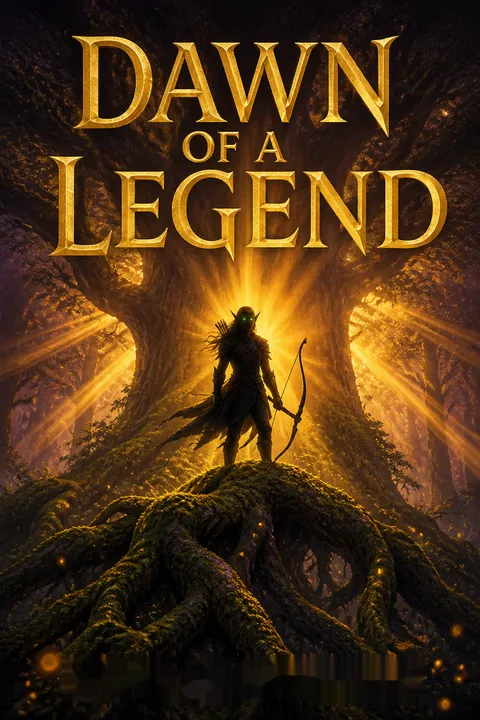
Dawn of a Legend is a sweeping epic that weaves together themes of identity, sacrifice, and the quest for unity in a world fractured by prejudice and ambition. At its core, the novel is a meditation on the power of embracing one's full self—heritage, pain, and potential—and the necessity of forging bonds that transcend blood and tradition. Through Fel'annár's journey from outcast to legend, the story interrogates the costs of leadership, the corrosive effects of bigotry, and the redemptive possibilities of love and forgiveness. The interplay between the mortal and the divine, the personal and the political, is handled with nuance, allowing for both intimate character moments and grand, mythic stakes. In a modern context, the book resonates as an allegory for the challenges of multicultural societies, the dangers of demagoguery, and the enduring need for empathy and courage. The lessons are clear: true strength lies in vulnerability, unity is forged through understanding, and the dawn of a legend is not the end, but the beginning of a new, hard-won hope.
Review Summary
Readers overwhelmingly praise Dawn of a Legend, the third book in R.K. Lander's Silvan series. They commend the rich world-building, complex characters, and emotionally engaging storytelling. Many note the series' relevance to real-world issues while maintaining an immersive fantasy setting. The book is lauded for its balance of action, romance, and political intrigue. Fans appreciate the character development, especially of the protagonist Fel'annar. Most reviewers eagerly anticipate the next installment, with many considering it their favorite in the series so far.
People Also Read

Characters
Fel'annár
Fel'annár is the heart of the story—a young elf of mixed Silvan and Alpine heritage, marked by his extraordinary green eyes and innate connection to the natural world. Raised in secrecy, he is haunted by questions of identity and belonging, his journey shaped by loss, prejudice, and the burden of destiny. As both a skilled warrior and a "Listener" able to commune with the trees, Fel'annár is thrust into the center of political and spiritual upheaval. His relationships—with his brothers in the Company, with Llyniel, and with his newfound family—are sources of strength and vulnerability. Over the course of the story, Fel'annár evolves from a grieving, uncertain youth into a leader and symbol of hope, ultimately embracing his role as Ber'anor, the Divine Servant, charged with uniting a fractured land.
Llyniel
Llyniel is a skilled healer of mixed Silvan and Alpine descent, whose journey mirrors Fel'annár's search for identity and purpose. Her deep empathy, intelligence, and passion for healing make her both a vital ally and a grounding presence. Llyniel's relationship with Fel'annár blossoms from curiosity and camaraderie into profound love, providing both with the courage to face their pasts and the uncertainty of the future. Her expertise and quick thinking are instrumental in saving Fel'annár's life, and her willingness to challenge tradition and follow her heart marks her as a quietly revolutionary figure.
Handir
Handir, the second son of King Thargodén, is a prince torn between duty, resentment, and the longing for connection. Haunted by his mother's departure and Lainon's death, Handir initially withholds crucial information from Fel'annár, struggling with jealousy and guilt. As the story unfolds, he emerges as a shrewd political operator, orchestrating the plan to restore unity to Ea Uaré. His eventual reconciliation with Fel'annár and acceptance of their brotherhood is a key emotional turning point, reflecting the possibility of healing even the deepest familial wounds.
Gor'sadén
Gor'sadén is the wise and formidable commander general of Tar'eastór, renowned for his mastery of the Kal'hamén'Ar and his unwavering sense of justice. He becomes Fel'annár's mentor and surrogate father, guiding him through the trials of leadership, combat, and self-discovery. Gor'sadén's own journey is one of redemption and renewed purpose, as he confronts the ghosts of the past and embraces his role in shaping the next generation. His relationship with Fel'annár is deeply paternal, culminating in mutual recognition and love.
Pan'assár
Pan'assár is a legendary warrior and former member of The Three, whose life has been defined by loss, guilt, and prejudice. His initial hostility toward Fel'annár and the Silvans is rooted in unresolved trauma, but through confrontation, battle, and Fel'annár's selfless actions, he undergoes a profound transformation. Pan'assár's journey is one of atonement, culminating in forgiveness, renewed brotherhood with Gor'sadén, and acceptance of Fel'annár as a worthy successor.
Lainon
Lainon, an Ari'atór warrior and Fel'annár's Ber'ator (Divine Protector), dies early in the story but remains a powerful presence. His sacrifice, wisdom, and love shape Fel'annár's path, and his return across the Veil provides comfort and guidance from beyond. Lainon's legacy is one of selfless devotion, and his spiritual connection to Fel'annár underscores the story's themes of destiny, loss, and the enduring bonds of love.
The Company (Idernon, Ramien, Galdith, Carodel, Galadan, Sontúr)
The Company is Fel'annár's found family—a diverse group of warriors who embody loyalty, humor, and resilience. Each member brings unique strengths and perspectives: Idernon's wisdom, Ramien's strength, Galdith's fierceness, Carodel's artistry, Galadan's stoicism, and Sontúr's healing and wit. Their unwavering support anchors Fel'annár, and their collective journey from outcasts to heroes mirrors the larger struggle for acceptance and unity.
Band'orán
Band'orán is the primary antagonist, a cunning and ruthless Alpine lord whose quest for power drives much of the conflict. He exploits prejudice, sows division, and orchestrates plots against the king and Fel'annár. Band'orán's psychological complexity lies in his blend of charisma, bitterness, and the capacity for both calculated cruelty and genuine conviction. His machinations force the protagonists to confront the darkest aspects of their society and themselves.
Hobin
Hobin is the Supreme Commander of the Ari'atór, a figure of deep wisdom, empathy, and spiritual authority. He serves as a guide to both Tensári and Fel'annár, helping them understand their roles as Ber'anor and Ber'ator. Hobin's presence bridges the mortal and divine, offering insight into the workings of fate, the nature of sacrifice, and the possibility of redemption.
King Thargodén
Thargodén is a king broken by grief and past mistakes, whose journey is one of painful self-examination and gradual return to strength. His public recognition of Fel'annár and his willingness to challenge tradition mark him as a leader capable of change. Thargodén's relationships—with his children, his lost love Lássira, and his people—are fraught with regret and hope, embodying the story's central themes of forgiveness, legacy, and the cost of leadership.
Plot Devices
Dual Heritage and Identity
The narrative's central device is Fel'annár's dual heritage, which serves as both a source of internal conflict and a symbol of the possibility for unity. His journey from outcast to leader mirrors the larger struggle between Silvans and Alpines, and his acceptance of both sides of himself is key to healing the land. The device is used to explore themes of prejudice, belonging, and the transformative power of embracing one's full identity.
Prophecy, Dreams, and Divine Intervention
Dreams, visions, and the influence of Aria are woven throughout the story, foreshadowing key events and shaping characters' choices. These mystical elements provide both comfort and challenge, pushing characters toward self-discovery and sacrifice. The interplay between free will and destiny is a recurring motif, with the divine serving as both guide and test.
Found Family and Brotherhood
The Company's loyalty and love for Fel'annár provide a counterpoint to the betrayals and losses of blood family. Their camaraderie, humor, and willingness to face death together underscore the importance of chosen family in overcoming adversity. This device is used to explore themes of trust, sacrifice, and the healing power of community.
Political Intrigue and Betrayal
The story is driven by a web of political machinations, secret missives, and shifting loyalties. Band'orán's plots, the council's votes, and the actions of spies and assassins create a constant sense of danger and uncertainty. The device heightens tension, tests characters' integrity, and forces them to confront the costs of power and the necessity of courage.
The Test and the Dance
The Kal'hamén'Ar test and the subsequent battles serve as crucibles for character development, blending physical prowess with psychological and spiritual growth. The Dance of Graceful Death is both a literal and metaphorical journey, representing the integration of mind, body, and soul. These trials are used to explore themes of worthiness, atonement, and the forging of legend.
Nature as Ally and Adversary
The trees, the Sentinel, and the land itself are active participants in the story, responding to Fel'annár's call and shaping the outcome of battles. Nature is both a source of power and a reflection of the characters' inner states, reinforcing the story's ecological and spiritual themes.
Foreshadowing and Cyclical Structure
The narrative is rich with foreshadowing—through dreams, prophecies, and the repetition of historical patterns. The cyclical nature of loss, redemption, and renewal is emphasized, suggesting that the struggles of one generation are both burden and opportunity for the next. This device deepens the emotional resonance and underscores the stakes of the characters' choices.
The Silvan Series




About the Author
Download PDF
Download EPUB
.epub digital book format is ideal for reading ebooks on phones, tablets, and e-readers.








































