
Plot Summary
Gods and Guardians Gather
In the high places of Bel'arán, Aria, the god of the elven world, convenes with her chosen guardians, the Shirán, to discuss the fate of their world. The war has left scars, but hope is rekindled in Fel'annár, the Lightwielder, whose unique gifts are both a blessing and a mystery. The gods and their agents debate the need for vigilance, hinting at threats that linger beyond the visible, and the importance of Fel'annár's role as protector. The council's words are heavy with history, regret, and the longing for peace, but also with the knowledge that destiny is not yet fulfilled. The gods' presence is both comfort and burden, as their servants prepare for the next era, knowing that the errors of the past must not be repeated.
Aftermath and Unrest
As the dust settles from the northern war, Fel'annár and his companions labor to rebuild Abiren'á and their own spirits. Gor'sadén, mourning the loss of his brother-in-arms Pan'assár, questions the meaning of life and the afterlife, haunted by dreams and the weight of promises. Fel'annár, now a symbol of hope and change, struggles with the fear his powers evoke and the uncertainty of what lies ahead. The army and people, battered but resilient, begin the slow work of healing, even as new threats loom on the horizon. The bonds of family and friendship are tested and strengthened, and the promise of a new beginning is shadowed by the knowledge that peace is fragile and fleeting.
Invasion from the Sea
A new enemy emerges as Gra'dón, the monstrous fourth prince of Calrazia, leads a devastating assault on the sea-bound kingdom of Pelagia. The Pelagian Fire, once a source of pride and protection, is turned against its creators in a catastrophic conflagration. Survivors scramble to evacuate, and Captain Airen embarks on a desperate mission to steal the enemy's secret weapon. The invasion is swift and merciless, leaving the elven world reeling and vulnerable. The fall of Pelagia signals a coordinated attack on Ea Uaré, and the realization dawns that the war is far from over. The enemy's cunning and cruelty are matched only by their ambition, and the elves must rally or face annihilation.
The Lightwielder's Burden
Fel'annár, marked by destiny and gifted with the ability to wield the light, grapples with the expectations placed upon him. His connection to the forest deepens, and he learns to communicate across distances, forging new bonds with allies. Yet, his powers isolate him, and the fear of what he might become haunts both himself and those around him. As he prepares to return home, Fel'annár is beset by visions and warnings, sensing a threat from the south. The burden of leadership weighs heavily, and the path to greatness is fraught with doubt, sacrifice, and the ever-present danger of losing oneself to the very power that could save them all.
Shadows and Sacrifice
Macurian, once a traitor and assassin, seeks redemption by risking his life to save Captain Airen and deliver vital intelligence. The city of Ea Uaré is rife with intrigue as Draugolé plots rebellion from his cell, manipulating the desperate and the damned. The Silvan council debates the return to their ancestral homes, torn between hope and fear. Amidst these shadows, acts of courage and selflessness shine—old wounds are reopened, and unlikely heroes emerge. The lines between friend and foe blur, and the true cost of loyalty and forgiveness is revealed as the elves prepare for the coming storm.
The Fourth Prince
Gra'dón, driven by grief and rage, unleashes his monstrous army upon the elven lands. His motivations are complex—a blend of personal loss, the desire for conquest, and the need to prove himself against the immortals who rejected his family. The elves, outnumbered and outmatched, brace for siege as the enemy's numbers and unnatural allies become clear. The city's defenders scramble to fortify their walls, train new recruits, and forge new weapons. The specter of betrayal lingers, and the fate of the realm hangs in the balance as the enemy draws ever closer, determined to claim what he believes is rightfully his.
Siege and Desperation
The enemy's siege begins in earnest, with devastating new weapons and monstrous beasts battering the city's defenses. The defenders, led by Fel'annár, Gor'sadén, and Turion, fight valiantly but are pushed to their limits. The city's walls crack, and the gates are battered. The refugees and civilians are shepherded to safety, and the Silvan forests become both sanctuary and last line of defense. Amidst the chaos, acts of heroism and sacrifice abound, but the cost is high. The enemy's cunning and cruelty threaten to overwhelm the defenders, and the hope of victory dims as the siege grinds on.
The Forest's Voice
As the siege intensifies, Fel'annár's connection to the forest becomes the elves' greatest weapon. He learns to channel the Dohai, the energy of the land, and the trees themselves rise to defend their people. The enemy is confounded by the living forest, and the balance of power shifts. Yet, the use of such power comes at a cost, and Fel'annár is forced to confront the limits of his abilities and the consequences of wielding such force. The bond between the elves and their land is both strength and vulnerability, and the outcome of the battle hinges on the Lightwielder's mastery of his gift.
Betrayal and Redemption
The city's defenders are bolstered by the return of the Illicit Kah warriors, once traitors, now seeking redemption. Their courage and sacrifice on the battlefield earn them a second chance, and the lines between past sins and present valor blur. Macurian's journey from shadow to brotherhood is mirrored by others who find purpose in service and sacrifice. The cost of forgiveness is high, and not all are willing to pay it. Yet, in the crucible of war, the possibility of redemption becomes a beacon of hope, and the bonds of trust are reforged in the fires of battle.
The Hosts Unleashed
Gra'dón unleashes the Hosts of Gharzakan, monstrous beetle swarms and wraith-like horrors that devastate the city's defenders. The elves are driven to the brink, their numbers dwindling as the enemy's unnatural allies wreak havoc. The city's last defenses are breached, and the enemy pours through the gates. In the chaos, leaders fall, and the hope of victory seems lost. Yet, even in the darkest hour, the resilience of the elves and the ingenuity of their allies—such as the airborne delivery of Pelagian Fire—turn the tide. The battle becomes a desperate struggle for survival, with the fate of the realm hanging by a thread.
Fire and Flight
In a daring gambit, the Shirán deliver Pelagian Fire by air, incinerating the enemy's forces outside the city walls. The balance shifts, and the elves rally to reclaim their home. The cost is immense, and the battlefield is littered with the dead. The enemy, though wounded, is not yet defeated, and Gra'dón's wrath is terrible to behold. The Lightwielder's powers are pushed to their limits, and the final confrontation looms. The city's defenders, battered but unbroken, prepare for the last stand, knowing that victory will require every ounce of courage, sacrifice, and faith.
The Plateau Falls
The climactic battle between Fel'annár and Gra'dón unfolds atop the king's plateau. Wounded and exhausted, Fel'annár faces the monstrous Nim'uán and the deadly Spirit Catcher. The duel is brutal, and the cost is high—friends fall, and the fate of the Evergreen Wood hangs in the balance. In a desperate act, Fel'annár unleashes the full power of the light, shattering the Spirit Catcher and releasing the trapped souls. The plateau collapses, and the ancient dragon—the Liminal—awakens, consuming both Gra'dón and Fel'annár in a cataclysmic event. The world is forever changed, and the line between life and death blurs.
Into the Evergreen Wood
Fel'annár awakens in the heart of the forbidden Evergreen Wood, broken in body and spirit. He is tended by mysterious hands and guided by visions of his ancestors, including Or'Talán. In this liminal space—Harbour—he confronts the truths of his past, the legacy of his blood, and the meaning of sacrifice. The boundaries between life and death, memory and reality, are thin here, and Fel'annár must choose whether to return to the world of the living or move on. The wisdom of the gods and the love of family guide him, and the promise of peace and belonging beckons.
Between Worlds
Gor'sadén and Hobin, drawn by a mysterious beckoning, enter the Evergreen Wood and find Fel'annár alive but changed. Together, they journey through the sacred forest, reflecting on the past and the cost of victory. Fel'annár reads his mother's journal, finding closure and understanding. The wounds of war—both physical and emotional—begin to heal, and the bonds of brotherhood and family are reaffirmed. The journey home is slow and painful, but hope is rekindled. The world outside awaits, eager for the return of its prince and the dawn of a new era.
Return and Rebirth
Fel'annár's return to Ea Uaré is met with disbelief and joy. The city, battered but unbowed, celebrates the survival of its hero and the promise of renewal. Llyniel, The Company, and the royal family gather to welcome him, and the wounds of the past begin to close. The truth of Fel'annár's journey is kept secret, known only to a few, as he recovers under Llyniel's care. The city prepares for a week of festivities, honoring the dead and celebrating the living. The promise of peace and the hope of a brighter future are palpable, as the people look to their new prince for guidance and inspiration.
The Final Set
Fel'annár faces the Final Set, the ultimate test of the Kal'hamén'Ar, before the assembled court and people. The dance of Graceful Death is both spectacle and rite, a testament to the discipline, power, and unity of the elves. The return of the Kah marks the beginning of a new era, bridging the glories of the past with the promise of the future. The bonds of brotherhood, the wisdom of the elders, and the resilience of the people are celebrated. The city, once again, becomes a beacon of hope, and Fel'annár's mastery is both personal triumph and communal victory.
Coronation and Closure
The week of celebration culminates in the coronation of Fel'annár and Llyniel as prince and princess of Ea Uaré. The city rejoices, and the scars of war begin to fade. Old wounds are healed as secrets are revealed, forgiveness is granted, and the promise of peace is fulfilled. Fel'annár, now at peace with his past and his destiny, takes a leap of faith—embracing his role as Ber'anor, Lightwielder, and, ultimately, Shirán. The gods watch, the people celebrate, and the world turns towards a new age, forever changed by the courage, sacrifice, and love of its heroes.
Analysis
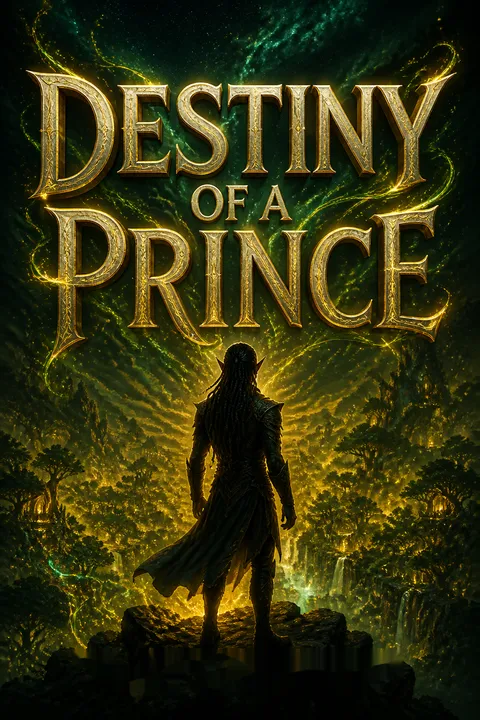
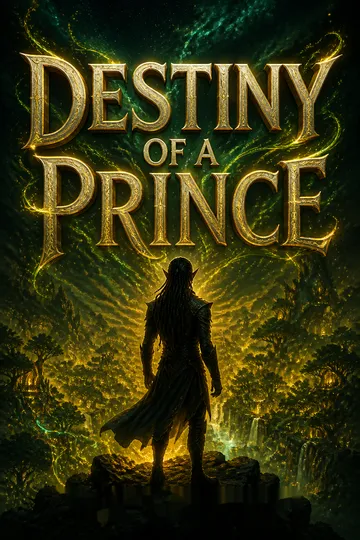
A tale of legacy, healing, and the courage to changeDestiny of a Prince is a sweeping epic that explores the intersection of fate, free will, and the enduring power of love and memory. At its heart, the story is about the cost of war—not just in lives lost, but in the wounds carried by survivors and the generations that follow. Through Fel'annár's journey from outcast to prince, the narrative examines the psychological toll of trauma, the struggle for acceptance, and the redemptive power of forgiveness. The interplay between gods and mortals, nature and civilization, and the cycles of loss and renewal, creates a rich tapestry that is both mythic and deeply personal. The lessons are clear: true strength lies in vulnerability, leadership is an act of service, and the bonds we forge—by blood or by choice—are what give life meaning. The story's ultimate message is one of hope: that even in the face of overwhelming darkness, the light endures, and the courage to leap into the unknown is the first step towards healing and a better world.
Review Summary
Destiny of a Prince receives high praise as the epic conclusion to The Silvan series. Readers laud the character development, world-building, and emotional depth. Many found it a satisfying end to a beloved saga, with intricate plotlines and engaging battles. Some noted the book's length and occasional pacing issues, but most agreed it was worth the journey. Fans appreciated the poetic writing style and the series' ability to evoke strong emotions. Overall, it's considered a fitting finale to a cherished fantasy epic.
Characters
Fel'annár
Fel'annár is the heart of the story—a half-Silvan, half-Alpine elf marked by destiny and gifted with the rare ability to wield the light. Haunted by his mysterious parentage and the trauma of war, he is both an outcast and a symbol of hope. His journey is one of self-discovery, as he learns to accept his power, his heritage, and the burdens of leadership. Fel'annár's relationships—with his family, The Company, and the gods—are complex, shaped by love, loss, and the ever-present threat of betrayal. His psychological arc is one of moving from isolation and self-doubt to acceptance, mastery, and the embrace of his role as protector and prince.
Gor'sadén
Gor'sadén is the last of The Three, a legendary Kah Master and Fel'annár's chosen father. Haunted by loss and the weight of promises, he is both a warrior and a philosopher, guiding Fel'annár through the trials of leadership and the mysteries of the Kal'hamén'Ar. His relationship with Fel'annár is deeply paternal, marked by mutual respect, love, and the shared burden of destiny. Gor'sadén's journey is one of finding purpose after loss, embracing his role as Ber'anor, and ultimately, seeking peace and closure in a world forever changed by war.
Llyniel
Llyniel is Fel'annár's beloved and the Lestari of Ea Uaré. Her strength, compassion, and wisdom ground Fel'annár, providing him with the love and stability he desperately needs. Llyniel's own journey is one of resilience—navigating grief, uncertainty, and the demands of leadership. Her relationship with Fel'annár is a source of healing for them both, and her presence is a constant reminder of what is at stake. Llyniel's psychological depth is revealed in her ability to balance duty and desire, to forgive and to hope, even in the face of overwhelming loss.
Thargodén
Thargodén is the king of Ea Uaré, a ruler burdened by the mistakes of the past and the loss of his soulmate, Lássira. His relationship with Fel'annár is fraught with regret, longing, and the desperate need for closure. Thargodén's arc is one of atonement—seeking to heal the wounds he has inflicted on his family and his realm. His eventual acceptance of Fel'annár, the revelation of old secrets, and his decision to seek peace in the next world mark the culmination of his journey from grief to hope.
Gra'dón
Gra'dón is the monstrous fourth prince of Calrazia, driven by grief, rage, and the desire for vengeance against the immortals who rejected his family. His motivations are complex—rooted in personal loss, the need for belonging, and the ambition to conquer. Gra'dón's psychological depth is revealed in his moments of empathy, his longing for family, and his ultimate downfall. He is both a symbol of the dangers of unchecked power and a tragic figure, shaped by forces beyond his control.
The Company
The Company—Ramien, Idernon, Carodel, Galdith, Sontúr, Tensári, and others—are Fel'annár's closest friends and companions. Each brings unique strengths, flaws, and histories to the group, and their bonds are forged in the crucible of battle and loss. The Company represents the best of elven society—courage, loyalty, and the willingness to sacrifice for one another. Their psychological arcs are marked by grief, resilience, and the search for meaning in a world scarred by violence.
Lainon
Lainon is Fel'annár's Ber'ator, a winged Ari'atór who serves as both protector and guide. His journey is one of service—navigating the boundaries between life and death, duty and desire. Lainon's relationship with Fel'annár is deeply spiritual, marked by sacrifice, wisdom, and the pain of separation. His own love for Tensári and his role as a Shirán add layers of complexity to his character, as he balances personal longing with the demands of the gods.
Macurian
Macurian's arc is one of redemption—a former assassin and mercenary who seeks to atone for his past by risking everything for the greater good. His journey is fraught with guilt, self-doubt, and the desperate need for forgiveness. Through acts of courage and sacrifice, Macurian earns a place among the defenders of Ea Uaré, and his story is a testament to the possibility of change and the power of second chances.
Turion
Turion is the steadfast commander general of Ea Uaré, a mentor to Fel'annár and a pillar of strength for the city's defenders. His leadership is marked by wisdom, compassion, and the willingness to make hard choices. Turion's death is a profound loss, but his legacy endures in the hearts of those he led and taught. His psychological arc is one of duty, sacrifice, and the quiet pride of a life well-lived.
Lássira
Lássira, though absent for much of the narrative, is a constant presence in the hearts and minds of those who loved her. Her legacy shapes Fel'annár's journey, Thargodén's grief, and the Silvan people's longing for justice. Through her journal and the memories of others, Lássira's strength, wisdom, and love are revealed. Her eventual return to the next world brings closure and hope, a reminder that love endures beyond death.
Plot Devices
Divine Intervention and Prophecy
The narrative is structured around the interplay between divine will and mortal agency. Aria and the Shirán serve as both guides and guardians, their interventions subtle but profound. Prophecy and destiny are recurring motifs, but the story emphasizes the importance of choice, sacrifice, and the willingness to defy even the gods for the sake of love and justice. Foreshadowing is used to build tension, with dreams, visions, and omens hinting at future events and the true nature of the characters' powers.
Duality and Liminality
The story is rich with liminal spaces—between life and death, forest and city, past and future. Characters like Fel'annár and Lainon embody this duality, navigating the boundaries between worlds and identities. The Evergreen Wood serves as both sanctuary and threshold, a place where the rules of reality are bent and the true nature of the elven worlds is revealed. The motif of crossing boundaries—physical, emotional, and metaphysical—is central to the narrative's structure and themes.
Brotherhood and Found Family
The Company and the relationships between Fel'annár, Gor'sadén, Llyniel, and others highlight the importance of found family and the bonds forged in adversity. Loyalty, sacrifice, and the willingness to forgive are tested repeatedly, and the story's emotional core lies in the resilience of these relationships. The narrative structure weaves together multiple character arcs, using parallel journeys and mirrored events to explore the psychological impact of war, loss, and redemption.
Light, Nature, and Magic
The use of light, the Dohai, and the living forest as both metaphor and literal force is a key plot device. Fel'annár's journey to master his powers is mirrored by the city's reliance on the land and the gods. The interplay between nature and civilization, magic and technology, is explored through the siege, the use of Pelagian Fire, and the awakening of the dragon. The narrative uses these elements to explore themes of balance, stewardship, and the cost of wielding great power.
Cycles, Memory, and Rebirth
The story is structured around cycles—of war and peace, life and death, loss and renewal. Memory, both personal and collective, is a source of pain and healing. The motif of journals, letters, and storytelling is used to preserve the past and guide the future. The ending, with Fel'annár's leap of faith and the promise of new adventures, reinforces the idea that every ending is a new beginning, and that the legacy of love, sacrifice, and hope endures across worlds.
The Silvan Series
About the Author
Download PDF
Download EPUB
.epub digital book format is ideal for reading ebooks on phones, tablets, and e-readers.








































