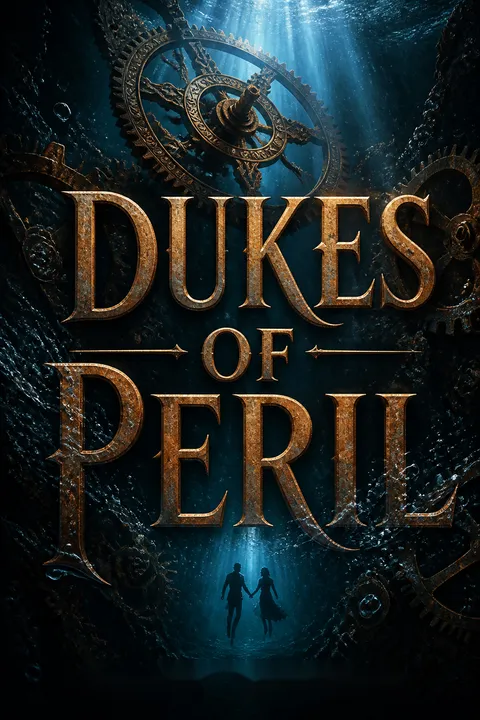

Plot Summary
Plunge Into Darkness
Lavinia and Remy's harrowing plunge from the cliff into icy waters is a moment of pure survival, both physical and emotional. The chaos of the fall, the struggle to surface, and the memory of Lavinia's sister's death in the same river all collide in a frantic, breathless fight for life. Remy's protective instincts and Lavinia's determination to live intertwine, setting the tone for a story where trauma and resilience are inseparable. Their eventual rescue by Nick and Sy is not just a physical salvation but a symbolic return to the brotherhood and the complicated love that binds them all. The aftermath leaves them battered but alive, and the emotional wounds are as raw as the physical ones, foreshadowing the battles yet to come.
Brotherhood's Rescue
The brotherhood of the Dukes—Nick, Sy, and Remy—rallies to save Lavinia and Remy, but the rescue is fraught with tension. Old betrayals, guilt, and the scars of recent violence simmer beneath the surface. Nick's fierce protectiveness clashes with his own history of hurting Lavinia, while Sy's steady presence is tinged with regret for not being there sooner. Remy's addiction and mental health struggles threaten to unravel the group, and Lavinia's trauma is compounded by the knowledge that her safety is always conditional. The rescue is a moment of hope, but it's clear that survival is only the beginning; healing and forgiveness will be a much harder journey.
Shelter and Reckoning
In the aftermath, the group hides out in a remote house, where physical wounds are tended and emotional ones laid bare. Lavinia, Nick, Sy, and Remy confront the truths of their relationships—love, betrayal, and the pain they've inflicted on each other. Nick's leadership is challenged by his own self-doubt and the weight of the Bruin legacy. Sy's role as caretaker is both a comfort and a burden, while Remy's struggle with addiction and guilt is brought to the forefront. Lavinia, caught between them, must decide if she can forgive and trust again. The safe house becomes a crucible, forging new bonds and testing old ones, as they prepare to face the threats that still loom.
Fractures and Forgiveness
The group's return to Forsyth is marked by tension and uncertainty. Lavinia's position as Duchess is questioned by the fraternity, and her loyalty is tested by those who see her as an outsider. The scars of past violence—Remy's betrayal, Sy's aggression, Nick's possessiveness—threaten to tear them apart. Yet, through raw honesty and painful apologies, they begin to rebuild trust. Lavinia's strength and refusal to be a victim inspire the Dukes to confront their own demons. The process is messy and incomplete, but the willingness to fight for each other signals a new beginning.
The Duchess Ascends
Lavinia steps fully into her role as Duchess, asserting her authority among the Dukes and the wider fraternity. She navigates the treacherous politics of Forsyth, balancing the demands of tradition with her own sense of justice. The annual poker game looms, a stage for both celebration and humiliation, as Saul Cartwright, the King, seeks to use Lavinia as a pawn in his power games. The cutsluts rally around her, and Lavinia's leadership is tested as she must protect not only herself but the other women caught in the crossfire. Her resolve hardens, and she becomes both a symbol of vulnerability and defiance.
The King's Ultimatum
Saul Cartwright's grip tightens as he blackmails Nick and the Dukes with a damning video, demanding Lavinia's public degradation at the poker game. The threat is existential—exposure means death or exile for the Dukes. The group is forced into a corner, and Lavinia must endure humiliation to protect those she loves. The event is a crucible, revealing the true nature of power in Forsyth: it is built on secrets, violence, and the willingness to sacrifice. Yet, even in submission, Lavinia and the Dukes find ways to assert their agency, turning the spectacle into a display of unity and defiance.
The Poker Game
The poker game is a night of debasement and danger. Lavinia is forced to perform for the alumni, enduring groping, threats, and the ever-present risk of violence. The Dukes are powerless, their rage barely contained as they watch her suffer. Yet, through coded gestures and unspoken understanding, they support her, turning the performance into an act of survival and solidarity. The aftermath is a mix of relief and trauma, as the group grapples with the cost of their choices and the knowledge that Saul's reign cannot continue.
Branding and Betrayal
Saul demands Lavinia's branding, a brutal ritual meant to mark her as property and cement his dominance. The Dukes are forced to comply, with Remy carrying out the act to spare her greater pain. The branding is a moment of profound violation, but also of transformation. It becomes the catalyst for rebellion, as the group realizes that survival under Saul's rule is no longer possible. The pain and betrayal forge a new resolve: Saul must fall, and the old order must be destroyed.
The Vote for Kingship
The fraternity gathers to vote on Saul's fate, and the question of leadership comes to the fore. Nick, long groomed for the role, is passed over in favor of Sy, whose quiet strength and integrity have earned the trust of the house. The vote is a moment of reckoning, as the group chooses a new path—one that values loyalty, compassion, and the willingness to fight for change. The transition is bittersweet, as Nick must confront his own limitations and Sy must accept the burden of kingship.
The Fall of Saul
Sy confronts Saul, executing him with the support of the fraternity and the tacit approval of the other Kings. The act is both justice and necessity, ending a reign of terror and opening the door to a new future. The aftermath is tense, as alliances are tested and the threat of retaliation looms. Yet, the group stands united, their bonds forged in fire and blood. The fall of Saul is not just the end of a tyrant, but the beginning of a new order—one that promises hope, but demands vigilance.
The Lucia Legacy
Lavinia uncovers the truth of her family's legacy: her sister Leticia's secret plan to use explosives as leverage against their father, Lionel Lucia. The discovery of the detonator phone gives Lavinia the power to end her father's reign of terror. The group races to unravel the mystery, piecing together the clues left by Leticia and confronting the ghosts of the past. The revelation is both a gift and a burden, forcing Lavinia to choose between vengeance and freedom.
The Clock Strikes
With the threat of explosives neutralized, Lavinia and the Dukes restore the ancient clock tower, a symbol of West End's resilience and renewal. The clock's hands, frozen for decades, begin to move again, and the bells ring out over the city. The moment is both literal and metaphorical—a new era has begun, and the wounds of the past are finally beginning to heal. The group stands together, looking out over Forsyth, united in purpose and hope.
The Queen's Choice
Lavinia embraces her role as Queen, not just in title but in spirit. She chooses her Dukes—Nick, Sy, and Remy—not as captors or saviors, but as partners. Their love is messy, passionate, and hard-won, forged through pain and forgiveness. Together, they redefine what it means to rule, rejecting the old patterns of violence and control. The bonds between them are tested and strengthened, and Lavinia's agency is finally her own.
The End of North Side
Lavinia uses the detonator to destroy her father's house, ending the Lucia dynasty and freeing herself from the last vestiges of his control. The act is both vengeance and liberation, a final severing of the chains that bound her. The city is changed, the old order toppled, and the future is uncertain but full of possibility. The group stands on the belfry, watching the flames, knowing that they have survived—and that they have the power to shape what comes next.
New Beginnings
In the aftermath, the group finds peace and purpose. The clock tower is restored, the fraternity is united under Sy's leadership, and Lavinia's place as Queen is secure. The scars of the past remain, but they are no longer chains. The group looks to the future, determined to build a new legacy—one founded on love, loyalty, and the hard-won lessons of survival. The story ends not with triumph or defeat, but with the quiet, enduring hope of new beginnings.
Analysis
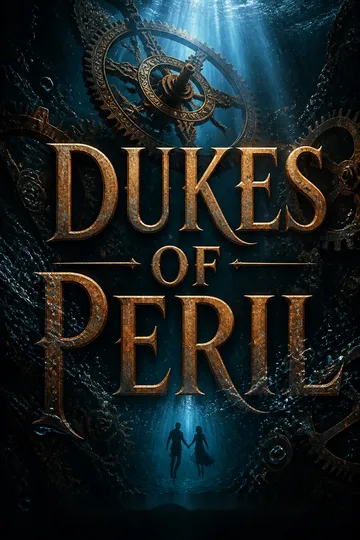
Dukes of Peril is a dark, unflinching exploration of trauma, power, and the possibility of transformation within a brutal, patriarchal system. At its core, the novel is about survival—not just the physical survival of its characters, but the survival of hope, love, and agency in a world designed to crush them. The story interrogates the rituals and traditions that perpetuate violence, exposing the ways in which power is maintained through secrecy, humiliation, and the willingness to sacrifice others. Yet, it also offers a vision of change: through solidarity, honesty, and the refusal to accept the status quo, the characters forge new bonds and redefine what it means to rule. Lavinia's journey from victim to Queen is both a personal and political revolution, challenging the idea that legacy and blood are destiny. The restoration of the clock tower is a powerful metaphor for healing—time, once frozen by trauma, begins to move again. The novel's lessons are hard-won: true power lies not in domination, but in the courage to love, forgive, and build something new from the ashes of the old.
People Also Read








Characters
Lavinia Lucia
Lavinia is the heart of the story—a woman forged in trauma, captivity, and loss, who refuses to be defined by her suffering. Her journey from victim to Duchess to Queen is marked by resilience, defiance, and a fierce commitment to those she loves. Lavinia's relationships with Nick, Sy, and Remy are complex, blending love, pain, and mutual healing. She is haunted by her family's legacy, especially her sister Leticia's death, but ultimately finds the strength to break the cycle of violence and claim her own agency. Her psychological depth is revealed in her struggles with claustrophobia, sleep paralysis, and the scars of abuse, but also in her capacity for forgiveness and leadership. Lavinia's evolution is the story's emotional core, and her choices drive the transformation of everyone around her.
Nick Bruin
Nick is the embodiment of West End's raw power—a fighter marked by violence, loyalty, and a deep, often destructive love for Lavinia. His journey is one of self-discovery, as he grapples with the weight of legacy, the temptation of power, and the need to atone for past wrongs. Nick's protectiveness can be suffocating, but it is rooted in genuine devotion. He is haunted by guilt and the fear of losing those he loves, especially Lavinia. His rivalry with Sy and Remy is both a source of tension and a crucible for growth, as he learns to share, trust, and lead. Nick's psychological complexity is revealed in his struggle to balance dominance with vulnerability, and his ultimate willingness to put others before himself.
Sy Perilini
Sy is the steady anchor of the group—a man defined by responsibility, compassion, and a quiet strength that belies his own insecurities. As the older brother, he is used to cleaning up messes and holding the group together, often at the expense of his own needs. Sy's journey is one of stepping into leadership, accepting the mantle of King not out of ambition, but out of necessity and love. His relationship with Lavinia is marked by tenderness and mutual respect, and his struggle with control and vulnerability is a central theme. Sy's psychological insight, shaped by his studies and his own wounds, allows him to guide the group through crisis, but he must also learn to let go and trust others.
Remy Maddox
Remy is the group's wild card—a man of passion, creativity, and deep pain. His struggle with addiction, mental illness, and the legacy of his father's abuse is a constant source of tension and danger. Remy's love for Lavinia is both redemptive and destructive, and his journey is one of learning to accept help, take responsibility, and fight for his own healing. His artistry is both a gift and a curse, a way to make sense of chaos and a means of escape. Remy's psychological depth is revealed in his cycles of mania and depression, his need for connection, and his ultimate willingness to sacrifice for those he loves.
Saul Cartwright
Saul is the story's primary antagonist—a man who wields power through secrets, blackmail, and the willingness to exploit others' weaknesses. His reign is marked by cruelty, tradition, and a ruthless commitment to maintaining control. Saul's psychological profile is one of narcissism and sadism, but also of insecurity and fear of obsolescence. His downfall is precipitated by his inability to adapt, his underestimation of Lavinia and the Dukes, and his reliance on violence as a means of rule.
Lionel Lucia
Lionel is the shadow that haunts Lavinia—a father whose love is conditional, whose power is absolute, and whose legacy is one of destruction. His psychological makeup is defined by control, manipulation, and a pathological need to dominate. Lionel's relationship with his daughters is toxic, and his inability to love or change ultimately leads to his downfall. He is both a personal and systemic antagonist, representing the worst of Forsyth's traditions.
Leticia Lucia
Leticia's presence is felt throughout the story, both as a source of pain and as a catalyst for change. Her death haunts Lavinia, but her secret plan to use explosives as leverage against their father reveals a hidden strength and love. Leticia is a complex figure—both victim and agent, shaped by the same forces that threaten to destroy Lavinia. Her legacy is one of sacrifice, and her memory drives the story's final act of liberation.
Bruce Oakfield
Bruce is a recurring antagonist within the fraternity—a man whose entitlement, aggression, and resentment fuel much of the internal conflict. His actions, from challenging Lavinia's authority to participating in her humiliation, are driven by a need to assert dominance and reclaim lost status. Bruce's psychological profile is one of insecurity masked by bravado, and his eventual defeat is a rejection of the old order he represents.
Mama B
Mama B is the heart of the cutsluts and a symbol of resilience in a world that chews up and spits out women. Her wisdom, toughness, and willingness to bend the rules make her an invaluable ally to Lavinia. Mama B's own history with the Royalty is marked by pain and survival, and her guidance helps Lavinia navigate the treacherous politics of Forsyth. She is both a mother figure and a reminder of the costs of power.
Story
Story is the Lady of the Lords, a woman who has survived her own crucible and emerged stronger. Her friendship with Lavinia is a source of support and solidarity, and their alliance signals a new era of cooperation among the Royal women. Story's psychological depth is revealed in her scars, her humor, and her refusal to be defined by her trauma. She is both a confidante and a co-conspirator, helping to forge a new sisterhood.
Plot Devices
Multi-Perspective Narrative
The story is told through multiple perspectives—primarily Lavinia, Nick, Sy, and Remy—allowing readers to experience the emotional and psychological complexity of each character. This device deepens the narrative, exposing hidden motivations, fears, and desires. It also creates dramatic irony, as characters' secrets and misunderstandings drive tension and conflict. The shifting viewpoints mirror the story's themes of fragmentation and unity, showing how healing and change require seeing through others' eyes.
Symbolism of the Clock Tower
The clock tower is a central symbol, representing both the paralysis of trauma and the possibility of renewal. Its frozen hands mirror the characters' inability to move past their pain, while its eventual restoration signals the beginning of a new era. The process of fixing the clock parallels the group's journey—messy, uncertain, and requiring the cooperation of many hands. The ringing of the bells is both a literal and metaphorical heartbeat, marking the return of life to West End.
Rituals of Power and Initiation
The story is structured around the rituals that define Forsyth's power dynamics—initiations, votes, branding, and public spectacles. These rituals are both sources of trauma and opportunities for transformation. The branding of Lavinia is a moment of profound violation, but also the catalyst for rebellion. The vote for kingship is a test of loyalty and legacy, revealing the true nature of leadership. The poker game and other public events are crucibles where private pain becomes public, and agency is both taken and reclaimed.
Foreshadowing and Secrets
The narrative is laced with foreshadowing—dreams, cryptic warnings, and the ever-present threat of violence. Secrets drive the plot, from the blackmail video to Leticia's hidden detonator. The gradual unraveling of these mysteries creates suspense and propels the characters toward confrontation and change. The use of dreams and psychological triggers deepens the sense of inevitability, as the past refuses to stay buried.
Thematic Use of Violence and Healing
Violence is omnipresent—physical, emotional, and systemic. It is both the means of control and the path to liberation. The story does not shy away from the brutality of its world, but it also explores the possibility of healing. Forgiveness, therapy, and the willingness to confront pain are recurring motifs. The characters' scars—literal and metaphorical—are both reminders of suffering and badges of survival.
Royals of Forsyth University Series





Download PDF
Download EPUB
.epub digital book format is ideal for reading ebooks on phones, tablets, and e-readers.








































