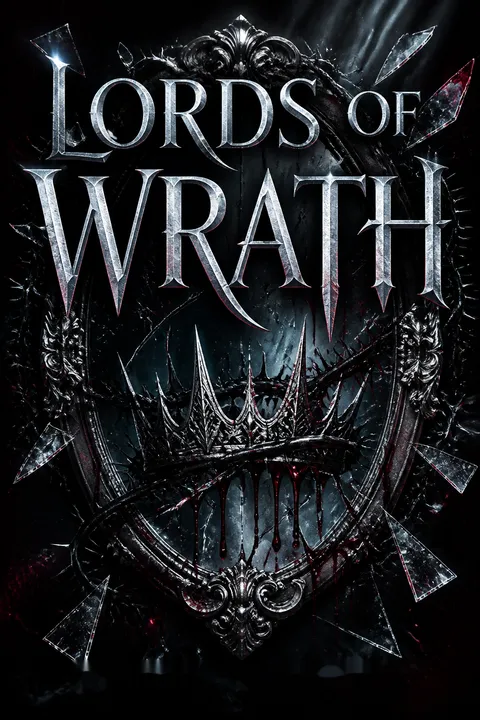

Plot Summary
Homecoming's Darkest Game
Story Austin returns to Forsyth University, stepping into the lair of her three stepbrother Lords—Killian, Tristian, and Rath. The campus is abuzz with Homecoming, but beneath the surface, the Lords' game is darker than ever. Story is their Lady, bound by a contract, but the rules are written in pain and humiliation. The Lords compete for her, each staking their claim in ways that blur the line between protection and possession. Story, haunted by her past and a stalker's threats, must play along, using her wits to survive the twisted rituals and power plays that define Forsyth's elite. The stakes are higher, the punishments crueler, and the only certainty is that no one escapes unscathed.
The Lady's Awakening
After being forced into submission, Story realizes that survival at Forsyth means more than compliance—it means adaptation. She transforms her appearance and demeanor, using beauty and obedience as armor. The Lords' cruelty is relentless, but Story's resolve hardens. She uncovers the depth of their manipulation, learning that every kindness is a calculated move in their game. Her own secrets—especially the threat of her stalker, Ted—become her leverage. Story's awakening is not just sexual but strategic; she vows to turn the Lords' own tactics against them, even as she's drawn deeper into their web.
Lords and Their Prey
The Lords—Killian, Tristian, and Rath—each reveal their own brand of darkness. Killian is brutal and possessive, Tristian is calculating and cold, Rath is seductive but emotionally elusive. Story is passed between them, each encounter a test of her limits and a lesson in power. The lines between pleasure and pain, consent and coercion, blur. Story learns to read their desires, using their weaknesses to her advantage. But the Lords are not her only predators; the campus is full of rival frats, jealous women, and the ever-present threat of Ted, who watches from the shadows, waiting for his chance to strike.
The Rules of Survival
Story navigates the treacherous social hierarchy of Forsyth, learning the unspoken rules that govern the Royals. She must be the perfect Lady—obedient, beautiful, and silent—while secretly plotting her own revenge. The Lords' game is revealed to be part of a larger competition between the frats, with points awarded for conquests and humiliations. Story is both a prize and a pawn, but she refuses to be a victim. She forms uneasy alliances, gathers information, and prepares for the moment when she can turn the tables. Every humiliation becomes a lesson, every wound a weapon.
The Game of Betrayal
The Lords' trust in each other—and in Story—begins to fracture. Story discovers the spreadsheet where the Lords have been tracking their points, each act of cruelty and intimacy reduced to a score. The realization is devastating, but it steels her resolve. She manipulates the Lords, playing them against each other, while secretly communicating with Ted. The game escalates as rival frats retaliate, and Story is forced to participate in acts of revenge that leave her complicit in the Lords' violence. The line between betrayer and betrayed blurs, and Story must decide how far she's willing to go to win.
Blood and Boundaries
The Lords' revenge against their rivals turns violent, culminating in arson and public humiliation. Story is both an accomplice and a victim, her body marked by the Lords' initials and her mind scarred by their games. The violence escalates, and the boundaries between the Lords and their enemies dissolve. Story's own boundaries are tested as she's forced to confront her complicity in the cycle of abuse. The blood spilled is both literal and symbolic—a reminder that at Forsyth, power is always paid for in pain.
The Price of Revenge
Story's plan for revenge is set in motion, but the consequences are more devastating than she imagined. The Lords retaliate with a brutal punishment, carving their initials into her flesh and subjecting her to public degradation. Story's sense of self is shattered, but she refuses to break. She realizes that revenge is a double-edged sword, wounding both victim and perpetrator. The price of survival is high, and Story must decide whether to continue the cycle of violence or find another way out.
The Stalker's Shadow
The threat of Ted, Story's stalker, becomes more immediate and deadly. He manipulates events from the shadows, sending threatening messages and orchestrating attacks on the Lords. Story's past and present collide as she's forced to confront the reality of Ted's obsession. The Lords, for all their cruelty, become her unlikely protectors, but their motives are never pure. The line between savior and captor blurs, and Story must decide who she can trust—if anyone.
The Carnival of Masks
The Homecoming carnival is both a celebration and a battlefield. The Royals' rivalries come to a head, and Story is forced to play her part in the spectacle. Beneath the masks, true intentions are revealed. The Lords' control over Story is challenged, and she seizes the opportunity to assert her own agency. The carnival becomes a crucible, burning away illusions and exposing the raw truth beneath. Story's transformation is complete—she is no longer just a pawn, but a player in her own right.
The Breaking of Trust
The Lords discover Story's betrayal, and the fragile trust between them is destroyed. The punishment is swift and brutal, leaving Story physically and emotionally broken. The Lords are forced to confront their own complicity in the cycle of abuse, but their remorse is too little, too late. Story's sense of self is in tatters, and she contemplates escape—by any means necessary. The breaking of trust is not just between Story and the Lords, but within each of them, as they grapple with the consequences of their actions.
The Funhouse Reckoning
The climax unfolds in the carnival's funhouse, a hall of mirrors reflecting the distorted reality of Forsyth. Story is punished and humiliated, forced to confront the darkest parts of herself and the Lords. The funhouse becomes a crucible of pain and revelation, where the true cost of survival is laid bare. The Lords' power is revealed to be as fragile as the glass around them, and Story's resilience is tested to its limits. In the end, the only way out is through.
The Knife and the Crown
The Lords mark Story with their initials, a permanent reminder of their ownership and her defiance. The knife becomes both a tool of punishment and a symbol of power. Story's body is a battleground, her pain a currency. The crown—once a symbol of victory—is now a mark of survival. The Lords are forced to reckon with the consequences of their actions, and Story must decide whether to accept her place or seize her freedom.
The Lady's Last Stand
Story, pushed to the brink, contemplates ending her own life. In her darkest moment, she finds unexpected strength—not from the Lords, but from within. She chooses to live, not as a victim, but as a survivor. The Lords, confronted with the reality of what they've done, are forced to let her go. Story's last stand is not a battle, but a choice—a refusal to be defined by her pain.
The King's True Face
Story confronts Daniel, her stepfather and the true architect of her suffering. The revelation that he is Ted, her stalker, shatters the last illusions of safety. Daniel's manipulation and cruelty are laid bare, and Story is forced to confront the reality that the system is rigged against her. The confrontation is both a reckoning and a release, freeing Story from the last vestiges of her past.
The Velvet Pit
Story is forced to perform in Daniel's brothel, a final act of degradation meant to break her spirit. But she is not alone—Dimitri sacrifices himself to save her, turning the performance into an act of defiance. The pit becomes a stage for redemption, where pain is transformed into power. The Lords unite to rescue Story, confronting Daniel and reclaiming their agency.
The Choice to Stay
In the aftermath, Story is given the chance to leave Forsyth and the Lords behind. She chooses her own terms, demanding respect and agency. The Lords, chastened and changed, accept her conditions. The cycle of abuse is broken—not by violence, but by the choice to be better. Story's journey ends not with revenge, but with the possibility of healing and hope.
Analysis
Lords of Wrath is a harrowing exploration of power, trauma, and survival within a system designed to break its participants. Through the lens of dark academia and twisted romance, the novel interrogates the ways in which pain is both inflicted and weaponized, and how agency can be reclaimed even in the most oppressive circumstances. Story's journey from victim to survivor is marked by moments of profound suffering and unexpected resilience; her refusal to be defined by her pain is both a personal and political act. The Lords, for all their cruelty, are revealed to be as much victims of the system as perpetrators, their violence a product of their own wounds and insecurities. The novel's unflinching portrayal of abuse, consent, and complicity forces readers to confront uncomfortable truths about power and desire. Ultimately, Lords of Wrath is a story about the possibility of redemption—not through revenge, but through the hard-won choice to be better. It is a testament to the strength required to break the cycle of violence, and a reminder that freedom is never given, only seized.
People Also Read



Characters
Story Austin
Story is the stepdaughter of Daniel Payne and the unwilling Lady of the Lords. Haunted by a traumatic past and stalked by Ted, she is forced into a contract that makes her the property of Killian, Tristian, and Rath. Story's journey is one of survival and transformation; she learns to weaponize her pain, turning the Lords' own tactics against them. Her relationships with the Lords are fraught with violence, manipulation, and moments of genuine connection. Story is both a victim and a player, navigating the treacherous world of Forsyth with cunning and resilience. Her greatest struggle is reclaiming her agency and deciding who she wants to be—pawn, player, or something more.
Killian Payne
Killian is Story's stepbrother and the de facto leader of the Lords. Raised in privilege but scarred by his father's cruelty, Killian wields power through violence and control. His relationship with Story is marked by obsession, jealousy, and a desperate need for dominance. Killian's psychological complexity lies in his inability to reconcile his desire for Story with his fear of vulnerability. He is both protector and predator, capable of tenderness but more often ruled by rage. Killian's arc is one of reckoning—forced to confront the consequences of his actions and the emptiness of power without love.
Tristian Mercer
Tristian is the most strategic of the Lords, using intellect and manipulation to maintain his position. He is obsessed with order, nutrition, and the appearance of control, but beneath the surface lies a deep insecurity. Tristian's relationship with Story is transactional, but he is the first to show her genuine care—albeit in his own twisted way. His need for control extends to everyone around him, and his greatest fear is losing it. Tristian's development is marked by moments of vulnerability, especially when confronted with the limits of his power and the reality of his feelings for Story.
Dimitri "Rath" Rathbone
Rath is the most emotionally complex of the Lords, hiding his pain behind music, drugs, and sarcasm. He is both a seducer and a victim, using intimacy as a shield against his own sense of inadequacy. Rath's relationship with Story is the most genuine, marked by moments of softness and shared vulnerability. However, his inability to trust—both himself and others—leads to acts of betrayal and cruelty. Rath's arc is one of self-discovery, as he learns to accept both his darkness and his capacity for love.
Daniel Payne
Daniel is Killian's father and Story's stepfather, the true power behind the Lords. He is a master manipulator, orchestrating events from the shadows and using everyone around him as pawns. Daniel's obsession with purity and control drives much of the narrative's violence. He is revealed to be Ted, Story's stalker, and the architect of her suffering. Daniel embodies the corrupt system that enables abuse, and his downfall is both a personal and symbolic victory for Story and the Lords.
Ted
Ted is the unseen threat that haunts Story, sending her threatening messages and orchestrating attacks on the Lords. He is a symbol of the inescapability of trauma and the dangers that lurk beyond the visible world. Ted's true identity is a source of suspense, and his actions force Story and the Lords to confront their own complicity in cycles of violence. Ted is both a literal and metaphorical shadow, representing the past that refuses to stay buried.
Ms. Crane
Ms. Crane is the housekeeper for the Lords, a former madam with a sharp tongue and a wealth of secrets. She is both complicit in and critical of the Lords' actions, providing care for Story while reminding her of the realities of survival. Ms. Crane's presence is a reminder that everyone at Forsyth is playing a role, and that survival often means sacrifice. Her relationship with Story is one of tough love, and her loyalty is ultimately to those who can protect her.
Charlene
Charlene is the previous Lady of the Lords, replaced by Story. She serves as a warning of what happens to those who fail to play the game. Charlene's interactions with Story are marked by a mix of sympathy and resignation; she knows the cost of survival and the limits of agency within the system. Her presence is a reminder that the cycle of abuse is ongoing, and that escape is never guaranteed.
Ugly Nick / Pretty Nick
The Nicks are Daniel's enforcers, tasked with carrying out his dirty work. Ugly Nick becomes a key player in the climax, his death a turning point in the battle for power. The Nicks represent the expendability of those who serve the system, and their fates are a warning to all who get too close to the fire.
Bianca, Sutton, Autumn, Marigold
The other Royal women at Forsyth—Duchess, Countess, Princess, and Baroness—are both rivals and mirrors for Story. Each is trapped in her own version of the game, forced to navigate the same cycles of power, betrayal, and survival. Their interactions with Story highlight the ways in which women are pitted against each other, and the possibility of solidarity in the face of shared oppression.
Plot Devices
The Game and the Contract
The central plot device is the Lords' game—a competition for points, conquests, and control, with Story as the ultimate prize. The contract that binds Story to the Lords is both literal and symbolic, representing the ways in which women's bodies are commodified and controlled. The game is a microcosm of the larger power struggles at Forsyth, with rival frats, secret alliances, and ever-shifting rules. The contract's rules are enforced through violence, humiliation, and psychological manipulation, but Story learns to use them to her advantage, turning the Lords' own tactics against them.
Foreshadowing and Mirrors
The use of mirrors—literal and metaphorical—is a recurring device, reflecting the distorted realities of Forsyth and the characters' fractured identities. The funhouse, the shattered bathroom mirror, and the constant surveillance all serve to foreshadow moments of reckoning and self-discovery. The narrative structure is cyclical, with past traumas echoing in present actions, and every act of violence mirrored by an act of resistance or revenge.
The Stalker's Threat
Ted's presence is felt through emails, messages, and orchestrated attacks, creating a sense of constant danger. His identity is a source of suspense, and his actions force the characters to confront their own complicity in cycles of abuse. The threat of Ted is both a plot device and a metaphor for the inescapability of trauma.
The Carnival and the Funhouse
The Homecoming carnival and its funhouse serve as the setting for the story's climax, a place where masks fall and true intentions are revealed. The carnival is both a celebration and a battlefield, and the funhouse's hall of mirrors becomes a crucible for pain, punishment, and transformation. The use of public spectacle heightens the stakes, forcing characters to confront their own roles in the cycle of violence.
The Knife and the Crown
The knife is both a tool of punishment and a symbol of power, used to mark Story's body and assert the Lords' dominance. The crown, once a symbol of victory, becomes a mark of survival—a reminder that power is always paid for in pain. These symbols are used to explore themes of agency, ownership, and the cost of survival.
Narrative Structure
The story is told through alternating points of view, allowing readers to experience the psychological complexity of each character. The shifting alliances and betrayals create a sense of instability, mirroring the characters' own fractured identities. The use of foreshadowing, flashbacks, and parallel plotlines deepens the emotional impact and heightens the suspense.
Royals of Forsyth University Series
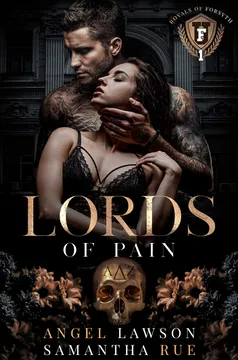
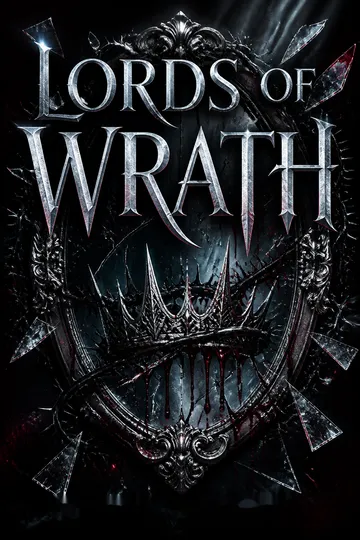
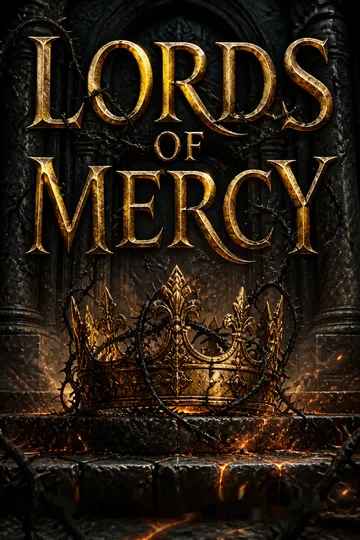
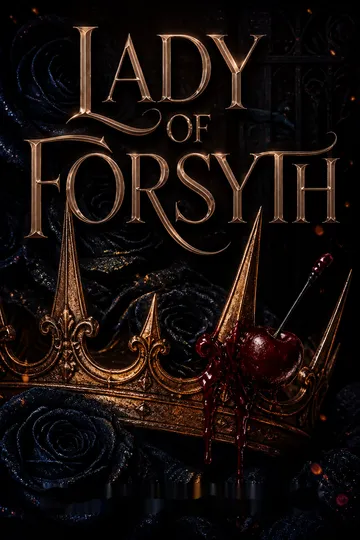

Download PDF
Download EPUB
.epub digital book format is ideal for reading ebooks on phones, tablets, and e-readers.








































