
Plot Summary
Escape from the Chest
Sy rescues Lavinia from a literal chest in her father's house, finding her broken, dehydrated, and traumatized. The act is impulsive, driven by a need to save her from the cruelty of her family. He brings her back to the Dukes' tower, where Remy and Nick are shocked by her condition. The rescue is not just physical but emotional, as Sy and Remy tend to her wounds and try to coax her back to life. The event exposes the deep rot at the heart of Forsyth's Royalty, setting the stage for the unraveling of old loyalties and the forging of new, complicated bonds.
Broken and Reborn
Lavinia's recovery is slow and painful, both physically and emotionally. Remy and Sy care for her, bathing and feeding her, while Nick is haunted by guilt and self-loathing for his role in her suffering. The trauma she endured in the chest and throughout her life is laid bare, but so is her resilience. As she regains strength, she begins to reclaim her agency, forming new, fragile connections with her Dukes. The process is messy, full of setbacks and small victories, but it marks the beginning of Lavinia's transformation from victim to survivor.
The Tower's Fractures
The rescue fractures the unity of the Dukes. Nick, wracked with guilt, flees to South Side, seeking solace in old haunts and old vices. Remy and Sy, left behind, struggle with their own roles in Lavinia's pain and in the violence that defines their world. The tower becomes a place of tension and unspoken grievances, as each Duke grapples with what it means to protect, possess, and love Lavinia. The emotional wounds are as deep as the physical ones, and the path to healing is uncertain.
The Duchess Returns
As Lavinia heals, she asserts herself in the tower, refusing to be a passive victim. She confronts her Dukes, demanding honesty and respect, and begins to train with Sy in self-defense. Her relationships with Remy and Nick deepen, complicated by desire, guilt, and the ever-present threat of violence from outside and within. The return of her agency is both empowering and dangerous, as it upends the old power dynamics and forces everyone to confront uncomfortable truths.
Bruin Brothers Collide
Nick's return to the tower is marked by a violent confrontation with Sy and Remy. Old resentments and new betrayals come to a head, resulting in a brutal fight that leaves everyone bloodied, physically and emotionally. The brothers' rivalry is laid bare, as is their shared love for Lavinia. The fight is both a catharsis and a warning: the bonds that tie them together are as likely to strangle as to save.
The Price of Rescue
The Dukes' rescue of Lavinia does not go unpunished. Saul, the King of West End, demands retribution for their defiance, forcing Sy to throw a fight and endure a humiliating loss. The punishment is a reminder of the power the Kings hold over their heirs, and of the fragility of the Dukes' position. The cost of rescue is steep, and the consequences ripple through the tower, deepening the sense of isolation and vulnerability.
The King's Retribution
The fallout from Saul's punishment is swift and brutal. Sy is ambushed and beaten, a message from the Kings that no act of defiance will go unanswered. Lavinia, forced to care for him, is reminded of the ever-present danger that surrounds them. The violence is both a punishment and a warning, and it forces the Dukes and their Duchess to reckon with the reality of their world: survival means making impossible choices, and trust is a rare and precious commodity.
The Baron's Bargain
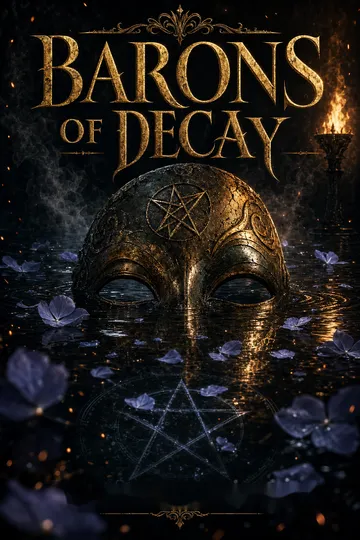
Desperate for answers about her missing sister, Lavinia and Nick strike a dangerous bargain with the Barons. The price is steep: a life for a life, a game of Russian roulette with death as the dealer. The Barons' crypt is a place of secrets and shadows, and the truth they offer is as likely to destroy as to save. The deal is a turning point, forcing Lavinia and Nick to confront the darkness within themselves and within Forsyth.
The Duchess' Choice
The aftermath of the Barons' bargain leaves Lavinia changed. She is forced to choose between vengeance and mercy, between the past and the future. Her decision to forgive Nick, to accept his love and his flaws, is both a surrender and a victory. The choice is not easy, and it comes with a cost, but it marks a new beginning for the Duchess and her Dukes.
The Bruin's Confession
Nick's confession of love is raw and unvarnished, a plea for forgiveness and a promise of devotion. Lavinia, still reeling from the pain and betrayal of the past, must decide whether to accept him as he is or to walk away. Their reconciliation is tentative, marked by vulnerability and the hope of something better. It is a moment of grace in a world defined by violence and loss.
The Moth and the Star
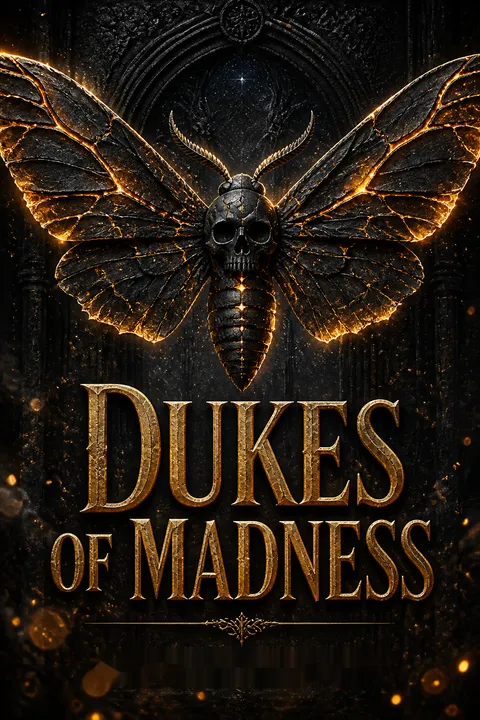
Remy, spiraling into mania and addiction, finds solace in his art and in Lavinia. He tattoos her with a death's-head moth, a symbol of transformation and rebirth. The act is intimate and healing, a way for both of them to reclaim their bodies and their stories. The moth and the star become symbols of survival, of the possibility of beauty in the midst of madness.
The Color of Madness
Remy's descent into madness is accelerated by the revelation that his father is the King of the Barons. The truth is both liberating and devastating, forcing Remy to confront the legacy of violence and secrecy that has shaped his life. His relationships with Lavinia and the other Dukes are tested as he struggles to find his place in a world that seems determined to break him.
The Heir in the Tower
A contract is put out on the "heir in the tower," threatening the lives of Nick, Remy, and Lavinia. The Dukes must come together to protect each other, even as old wounds and new betrayals threaten to tear them apart. The threat is a reminder that their enemies are many and their allies few, and that survival depends on unity and trust.
The Black Wedding
Remy's father, revealed as the Baron King, demands his son's return to the shadows. The confrontation is a battle for Remy's soul, as he is forced to choose between the darkness of his legacy and the light of his chosen family. The "black wedding" is both a literal and metaphorical union of death and love, of past and future.
To the Victor, the Spoils
The Dukes' world is one of extremes: love and hate, pleasure and pain, victory and defeat. Lavinia's relationships with Sy, Nick, and Remy are tested by jealousy, desire, and the ever-present threat of violence. The line between lover and enemy is thin, and every victory comes with a price. The spoils of war are never as sweet as they seem.
The Fall into Stars
In the novel's climax, Lavinia and Remy are cornered by the Baron King and his followers. Faced with the choice between captivity and death, they choose to leap from the cliff together, defying the fate that has been written for them. The fall is both an act of love and of rebellion, a refusal to be caged by the sins of their fathers.
Forgiveness and Fury
The story ends on a note of uncertainty and hope. The Dukes and their Duchess are battered but unbroken, their bonds tested but not destroyed. Forgiveness is hard-won, and the future is uncertain, but there is a sense that something new is possible. The fury that once threatened to consume them has become a source of strength, and the promise of love endures.
Analysis
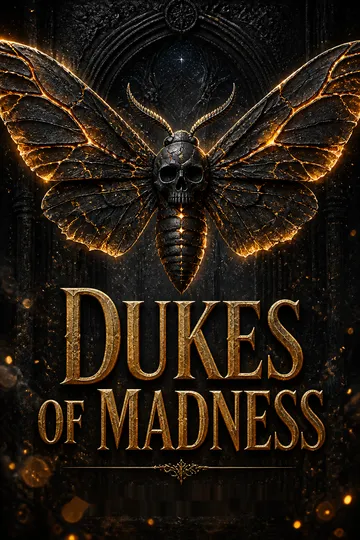
Dukes of Madness is a dark, emotionally charged exploration of trauma, power, and the search for agency in a world built on violence and secrecy. At its core, the novel is about survival—not just of the body, but of the self. Lavinia's journey from victim to Duchess is a testament to the resilience of the human spirit, and her relationships with Sy, Nick, and Remy are both a source of pain and a path to healing. The novel interrogates the meaning of love, consent, and forgiveness in a world where these things are constantly under threat. It challenges the reader to consider the costs of loyalty, the dangers of unchecked power, and the possibility of redemption. Through its use of symbolism, cyclical structure, and deeply flawed characters, Dukes of Madness offers a raw, unflinching look at the ways in which we are shaped by our pasts—and the ways in which we can choose, again and again, to fight for a better future.
People Also Read

Characters
Lavinia Lucia
Lavinia is the daughter of a North Side King, raised in privilege but subjected to horrific abuse and neglect. Her journey is one of survival and transformation: from victim, to survivor, to the Duchess of West End. She is fiercely intelligent, stubborn, and resourceful, but also deeply wounded. Her relationships with the Dukes—Sy, Nick, and Remy—are complex, marked by desire, betrayal, and the search for belonging. Lavinia's trauma shapes her, but it does not define her; she is both the catalyst for the Dukes' growth and the glue that holds them together. Her arc is one of reclaiming agency, learning to trust, and ultimately, choosing love and forgiveness over vengeance.
Sy (Simon Perilini)
Sy is the physical and emotional anchor of the Dukes, a fighter with a strict code of honor and a deep sense of responsibility. He is haunted by his own insecurities—about his body, his sexuality, and his worthiness as a leader and lover. Sy's relationship with Lavinia is fraught with tension, desire, and guilt; he both saves and hurts her, struggling to reconcile his need for control with his longing for connection. His journey is one of learning to be vulnerable, to accept his own flaws, and to seek forgiveness. Sy's loyalty is unwavering, but his inability to express emotion often leads to conflict and misunderstanding.
Nick Bruin
Nick is the heir to the Bruin legacy, a natural leader whose confidence masks deep wounds. He is both charming and ruthless, capable of great tenderness and great violence. Nick's love for Lavinia is obsessive and all-consuming, driving him to both save and betray her. His guilt over his past actions—especially his role in Lavinia's suffering—haunts him, and his journey is one of atonement and self-acceptance. Nick's rivalry with Sy and Remy is both a source of strength and a weakness, as he struggles to balance his need for control with his desire for connection.
Remy Maddox
Remy is the creative soul of the Dukes, a brilliant artist whose mind is both a gift and a curse. He is bipolar, prone to manic highs and crushing lows, and his relationship with his father—the King of the Barons—is a source of deep pain and confusion. Remy's love for Lavinia is intense and transformative, but also fraught with insecurity and jealousy. His art is both a means of survival and a way of making sense of the chaos around him. Remy's journey is one of seeking truth, battling his own demons, and learning to trust in love and friendship.
Lionel Lucia
Lionel is Lavinia's father, a King whose power is built on violence, secrecy, and control. He is both a literal and figurative jailer, locking Lavinia away and wiring the city with explosives as a failsafe against betrayal. Lionel's paranoia and cruelty are the source of much of the novel's conflict, and his legacy is one of destruction. He is a symbol of the old order, unwilling to relinquish power or accept change.
Saul Cartwright
Saul is the King of West End, a man who values order and loyalty above all else. He is both a mentor and a threat to the Dukes, punishing them for their defiance while also relying on their strength to maintain his own power. Saul's relationship with the Dukes is complicated, marked by both respect and resentment. He is a master of political maneuvering, always seeking to maintain the balance of power in Forsyth.
Timothy Maddox (Baron King)
Timothy is Remy's father and the King of the Barons, a man who thrives on secrets, manipulation, and the art of death. He is both a loving and a monstrous figure, shaping Remy's life through both care and cruelty. Timothy's revelation as the Baron King is a turning point, forcing Remy to confront the darkness within his own legacy. He is a symbol of the seductive power of secrecy and the dangers of unchecked ambition.
Perez
Perez is the heir to the Counts, a sadistic and entitled rival who embodies the worst of Forsyth's Royalty. His abuse of Lavinia and his rivalry with the Dukes set off a chain of violence and retribution that threatens to engulf the entire city. Perez's death at Nick's hands is both a victory and a curse, marking the beginning of open war between the houses.
Story Austin
Story is the Lady of the Lords, a survivor of her own traumas who becomes an unexpected ally to Lavinia. Her journey mirrors Lavinia's in many ways, and her advice and support are crucial in helping Lavinia navigate the treacherous world of Forsyth. Story represents the possibility of solidarity and healing among women in a world defined by male violence.
Archie (The Archduke)
Archie, the kitten, is more than just a pet; he is a symbol of Lavinia's vulnerability and her capacity for care. His presence is a source of comfort and grounding for Lavinia, a reminder that even in the darkest circumstances, there is room for tenderness and hope.
Plot Devices
Trauma and Recovery
The novel's structure is built around cycles of trauma and recovery. Lavinia's journey from victim to survivor is mirrored by the Dukes' own struggles with guilt, violence, and the search for redemption. The narrative uses flashbacks, confessions, and physical wounds as metaphors for emotional scars. The process of healing is nonlinear, marked by setbacks and breakthroughs, and the characters' ability to forgive themselves and each other is central to their growth.
Power, Control, and Consent
Power and control are central themes, explored through the shifting dynamics between Lavinia and her Dukes, and between the Dukes and the Kings. The novel interrogates the meaning of consent, both sexual and emotional, and the ways in which agency can be reclaimed or lost. The use of physical spaces—chests, cages, crypts, and beds—serves as a metaphor for the characters' struggles to define and defend their boundaries.
Color and Symbolism
Remy's color system is a recurring motif, used to track emotional states and to symbolize the characters' journeys. Tattoos, scars, and physical marks are also used as symbols of identity, transformation, and belonging. The moth and the star, in particular, represent the possibility of rebirth and the enduring power of hope.
Secrets and Revelations
The novel is structured around secrets—hidden motives, family legacies, and the truth about Leticia's death. Revelations are carefully foreshadowed, with clues scattered throughout the narrative. The process of uncovering the truth is both a source of danger and a path to liberation, forcing the characters to confront the darkness within themselves and their world.
Cyclical Violence and Generational Trauma
The sins of the fathers are visited upon the children, and the characters are constantly struggling to break free from the cycles of violence and abuse that define Forsyth. The novel uses repetition—of violence, of betrayal, of forgiveness—to highlight the difficulty of escaping the past, and the courage required to forge a new future.
Royals of Forsyth University Series

Download PDF
Download EPUB
.epub digital book format is ideal for reading ebooks on phones, tablets, and e-readers.








































