
Plot Summary
Return to a Captive Jewel
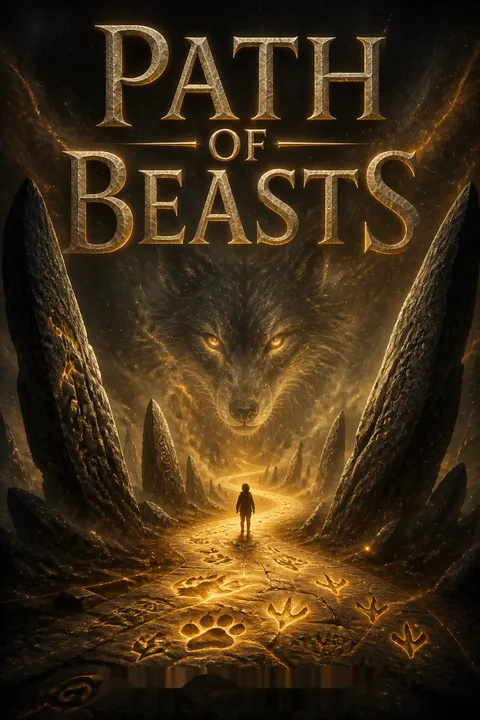
Goldie, Toadspit, and Bonnie slip back into Jewel under cover of darkness, only to find their home transformed by fear and oppression. Mercenaries patrol the streets, and the once-familiar city is now ruled by the treacherous Fugleman, with the Blessed Guardians reinstated. The children's reunion with their city is fraught with tension and secrecy, as they witness the Fugleman's cruelty firsthand—most shockingly, the attempted murder of the Grand Protector, who is discarded like rubbish into the canal. Their homecoming is not one of comfort, but of immediate peril and the urgent need for resistance.
Shadows and Secrets Unveiled
The children rescue the wounded Protector and reunite with their allies in the Museum of Dunt. The museum, a living repository of Jewel's wild past, becomes their sanctuary and war room. Goldie struggles with the wolf-sark, a battle-madness inherited from Princess Frisia, whose memories and instincts now haunt her. The keepers realize the Fugleman's grip on the city is tightening, and that the only hope lies in dividing his forces and sowing discord among his mercenaries and the Guardians. The children's courage is tested as they prepare for a campaign of trickery and subterfuge.
The Protector's Fate
The Grand Protector's life hangs by a thread, her survival a secret that must be guarded. Her presence galvanizes the resistance, but also brings the weight of responsibility. Goldie and her friends must balance their longing for family with the necessity of secrecy and action. The city's fear is palpable, and the children's brief reunions with their parents are bittersweet, underscoring the stakes of their struggle. The Protector's recovery becomes a symbol of hope, but also a reminder of the Fugleman's ruthlessness.
Wolf-Sark's Whisper
Goldie's internal struggle with the wolf-sark intensifies, as Princess Frisia's memories threaten to overwhelm her. The line between self and other blurs, and Goldie fears losing herself to the ancient warrior's rage. Yet, Frisia's strategic wisdom proves invaluable as the children orchestrate their first strike against the Fugleman's regime. The tension between violence and restraint, identity and possession, becomes central to Goldie's journey, shaping her choices and the fate of those around her.
Dividing the Enemy
Recognizing the mutual disdain between the mercenaries and the Guardians, Goldie devises a plan to exploit their divisions. Through carefully orchestrated thefts, rumors, and staged attacks, the children stoke suspicion and resentment, weakening the Fugleman's hold. The Hidden Rock, their secret resistance identity, becomes a rallying cry for the oppressed citizens. The city's mood shifts from despair to defiance, as small acts of rebellion ripple outward, fueled by the children's cunning and the Protector's quiet leadership.
The Great Gun Threat
The Fugleman unveils his ultimate weapon: Frow Carrion, a monstrous cannon capable of destroying the Museum of Dunt and unleashing the city's contained wildness. The threat of annihilation looms, forcing the keepers to accelerate their plans. The museum itself grows restless, its rooms shifting and its wild energies stirring in response to the danger. The children's resolve hardens, knowing that a direct assault would doom them all, and that only deception and misdirection can buy them time.
The Hidden Rock Rises
The Hidden Rock's exploits inspire the citizens of Jewel, who begin to resist in their own ways—spreading rumors, sabotaging the enemy, and supporting the keepers. Goldie's parents and others print secret gazettes exposing the Fugleman's lies. The city's spirit, long suppressed, flickers back to life. Yet, the Fugleman retaliates with cruelty, imprisoning children and families, and selling them into slavery. The stakes escalate, and the children's victories are shadowed by the suffering of innocents.
Trickery and First Strike
Goldie, Toadspit, and Bonnie execute daring raids, stealing the mercenaries' pay and framing the Guardians, deepening the rift between the enemy factions. Their use of concealment, fingertalk, and mimicry of nothingness allows them to strike unseen. The museum's wildness is both a threat and a shield, its shifting rooms echoing the chaos outside. The children's triumphs are tempered by the knowledge that each act of resistance brings harsher reprisals, and that the Fugleman's patience is wearing thin.
The Plague Ship Ruse
When Bonnie, Mouse, and many others are captured and sold to the slaver Old Lady Skint, Goldie and her allies devise a bold rescue. They fake an outbreak of plague aboard the slave ship, using paint and papier-mâché to mimic disease. The ruse sows panic among the slavers and the Fugleman's forces, allowing the children and their families to escape. The plan's success hinges on trust, quick thinking, and the willingness to risk everything for one another.
Chains and Betrayals
Pounce, torn between loyalty and survival, betrays Goldie and Toadspit to the Fugleman in a desperate bid to save Mouse. Guardian Hope returns, setting a trap that nearly dooms Goldie and her parents. Yet, even in chains, the children's ingenuity and the solidarity of their friends turn the tide. The revelation that Double, Old Lady Skint's second-in-command, is Goldie's long-lost Auntie Praise, adds a layer of personal pain and complexity to the struggle for freedom.
Auntie Praise Revealed
The shocking discovery that Double is Auntie Praise forces Goldie and her family to confront the past and the corrosive effects of captivity and survival. Praise's story is one of loss, adaptation, and the slow erosion of self under the weight of kindness and necessity. Her redemption comes through action—helping the children escape and guiding them back to Jewel. The theme of identity, forgiveness, and the possibility of change resonates, even as the city faces its darkest hour.
The Final Bombardment
Frow Carrion's bombardment shakes the Museum of Dunt to its foundations, threatening to unleash the wildness contained within. The keepers, families, and allies huddle together, singing the First Song to calm the museum's rage. The Dirty Gate swings open, and ancient armies and plagues begin to spill forth. In the chaos, Toadspit challenges the Fugleman to a duel, buying precious time for Goldie to attempt the only hope left: walking the Beast Road.
The Beast Road Beckons
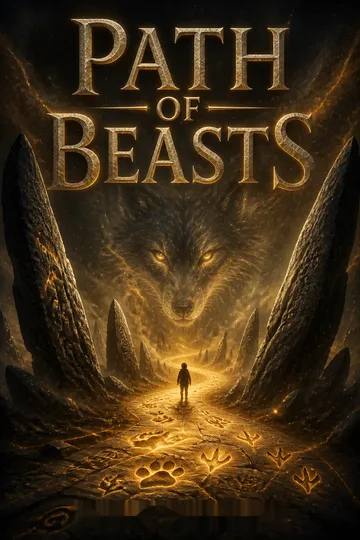
Guided by Herro Dan's ancient song, Goldie, Broo, and the cat embark on the perilous Beast Road—a journey through darkness, terror, and memory. Goldie confronts her deepest fears, the seductive power of the wolf-sark, and the boundaries of her own identity. The road demands courage, cunning, and the willingness to let go. Salvation, it turns out, is not a weapon or a treasure, but the hard-won knowledge of self and the choice to reject violence, even when possessed by its power.
Duel at Sunset
As Goldie walks the Beast Road, Toadspit faces the Fugleman in a duel to the death. The city holds its breath as boy and tyrant clash, each fighting for more than their own life. The duel is both a distraction and a symbol—the old world's rules of war pitted against the new generation's refusal to surrender. The outcome hangs in the balance, as the museum's wildness erupts and the armies of the past threaten to consume everything.
The Wolf-Sark Unleashed
Goldie, possessed by the wolf-sark, leads the phantasms of brizzlehounds and idle-cats into the heart of the battle. The red mist of rage and vengeance nearly claims her, but the voices of her friends and her own hard-won self-mastery pull her back from the brink. The Fugleman's surrender is a lie, and only the intervention of Broo—now fully real—ends his reign of terror. The cost of victory is high, and the line between savior and destroyer is razor-thin.
Salvation and Sacrifice
With the Fugleman dead and the enemy routed, the city is saved—but the phantasms refuse to return to the deep caves. Goldie faces the prospect of walking the Beast Road again, a sacrifice that would cost her everything. In a final act of wisdom and love, she relinquishes the wolf-sark and the spirit of the warrior princess, allowing the wildness to return without her. The city is spared, but Goldie is forever changed.
The Double-Edged Return
As peace returns to Jewel, the survivors reckon with loss, forgiveness, and the work of rebuilding. Goldie, now wholly herself, embraces her family, friends, and the future. The museum stands as a testament to the city's wildness and resilience, and the promise of freedom for all its children. The story ends not with triumph, but with the quiet, hard-won knowledge that salvation is never simple, and that the struggle for identity and justice is ongoing.
Analysis
Lian Tanner's Path of Beasts is a masterful exploration of resistance, identity, and the perilous allure of power. Set in a city where safety has become tyranny, the novel interrogates the costs of both submission and rebellion. Through Goldie's journey—external and internal—the story examines the tension between violence and restraint, the seduction of rage, and the necessity of self-mastery. The living museum, with its shifting rooms and contained wildness, serves as a potent metaphor for history's inescapable presence and the dangers of forgetting or suppressing the past. The narrative's reliance on trickery and cunning, rather than brute force, elevates intelligence and adaptability as virtues. The Beast Road, with its mythic tests, crystallizes the novel's central lesson: salvation is not found in weapons or vengeance, but in the courage to choose one's own path, to forgive, and to relinquish the burdens of the past. In a world where every victory is double-edged, Path of Beasts offers a nuanced meditation on freedom, responsibility, and the ongoing struggle to become—and remain—oneself.
Review Summary
Path of Beasts concludes Lian Tanner's Keepers trilogy with Goldie and friends battling the Fugleman who has seized control of Jewel with mercenaries. Goldie struggles internally with Princess Fresia's warrior spirit while fighting to save the Museum of Dunt and the city. Reviews average 4.14/5 stars, praising the engaging storytelling, satisfying conclusion, and excellent audiobook narration by Claudia Black. Critics note predictable plotting, underdeveloped villains, and slow pacing in parts. Most readers found it an entertaining, imaginative middle-grade fantasy with strong character relationships, though some wished for deeper exploration of the mysterious museum.
People Also Read
Characters
Goldie Roth
Goldie is the heart of the resistance—a clever, resourceful girl whose journey is as much internal as external. Haunted by the wolf-sark and the memories of Princess Frisia, she struggles to maintain her sense of self amid the seductive pull of violence and power. Her relationships—with Toadspit, Bonnie, her parents, and the keepers—anchor her, even as she is forced to make impossible choices. Goldie's arc is one of self-mastery: learning to use the gifts and burdens of the past without being consumed by them. Her ultimate victory is not over the Fugleman, but over the darkness within herself.
Toadspit Hahn
Toadspit is Goldie's closest ally and confidant, a boy whose quick wit and skill with a sword are matched by his fierce loyalty. He is protective of his sister Bonnie and harbors his own scars from captivity and loss. Toadspit's willingness to challenge the Fugleman in a duel is both an act of bravery and self-sacrifice, buying time for Goldie's quest. His relationship with Goldie is complex—marked by trust, frustration, and deep affection. Toadspit's growth is seen in his acceptance of nonviolence and his recognition of the true cost of war.
Bonnie Hahn
Bonnie, Toadspit's younger sister, represents the vulnerability and courage of childhood. Her experiences—abduction, captivity, and resistance—force her to grow quickly, yet she retains a sense of wonder and humor. Bonnie's role as the museum's "first and only line of defense" is both comic and poignant, highlighting the absurdity and tragedy of war. Her relationship with Goldie and Toadspit is sibling-like, and her optimism is a source of strength for the group.
The Fugleman (Harrow)
The Fugleman is the embodiment of charm corrupted by ambition. His ability to persuade and deceive is matched only by his ruthlessness. As both the leader of the Blessed Guardians and the criminal Harrow, he orchestrates the city's descent into fear and oppression. His relationship with the Protector—his sister—is twisted by envy and a hunger for power. The Fugleman's downfall is precipitated by his own arrogance and the unraveling of his alliances. He is a cautionary figure, illustrating the dangers of unchecked authority and the seductive nature of evil.
The Grand Protector
The Protector is a figure of resilience and quiet strength. Her survival after the Fugleman's attack inspires the resistance, and her wisdom guides the keepers' strategies. She is both a mother figure and a political leader, embodying the city's best qualities. Her willingness to sacrifice herself for Jewel's safety is a testament to her character. The Protector's relationship with Goldie and the other children is nurturing, yet she respects their agency and courage.
Olga Ciavolga
Olga is the oldest and most enigmatic of the museum's keepers. Her knowledge of the museum's mysteries and her own long history—including a connection to Princess Frisia—make her both a guide and a warning. Olga's sternness is tempered by deep care for her charges. She understands the dangers of power and the necessity of choice, urging Goldie to remember that "there is always a choice." Her presence is a stabilizing force amid chaos.
Herro Dan
Herro Dan is the keeper of stories and songs, the link to Jewel's ancient past. His knowledge of the Beast Road and the museum's secrets is crucial to the children's survival. Dan's warmth and humor balance his gravity, and his relationship with Goldie is paternal. He is haunted by the loss of his own family to the Beast Road, and his support for Goldie is both an act of faith and redemption.
Sinew
Sinew is the keeper whose harp and songs help calm the museum's wildness. He is practical, nurturing, and quietly brave, often acting as a mediator and comforter. Sinew's relationship with Mouse and the other children is avuncular, and his partnership with Olga and Herro Dan is built on mutual respect. His role in the resistance is understated but vital.
Mouse
Mouse is a mysterious, white-haired boy with a gift for calming animals and reading fortunes. His communication is nonverbal, but his presence is powerful. Mouse's connection to the museum's wildness and his role in the Beast Road's prophecy make him both an asset and an enigma. His friendship with Pounce is deep and transformative, and his courage is quiet but unwavering.
Auntie Praise (Double)
Auntie Praise, long thought dead, is revealed as Double, the slaver's second-in-command. Her journey from victim to perpetrator to ally is a study in the corrosive effects of captivity and the possibility of forgiveness. Praise's relationship with Goldie and Ma is fraught with pain and longing, and her eventual aid in the children's escape is both atonement and reclamation of self. She embodies the novel's themes of identity, change, and the double-edged nature of salvation.
Plot Devices
Living Museum and Shifting Rooms
The Museum of Dunt is not merely a setting but a living, shifting entity whose moods and wildness mirror the city's turmoil. Its rooms contain the dangers and wonders of Jewel's past—wars, plagues, and beasts—locked away but never truly gone. The museum's shifting is both a plot device and a metaphor for the instability of memory, identity, and society. The keepers' ability to calm the museum through song and ritual is central to the resistance, and the threat of its wildness being unleashed raises the stakes of every conflict.
The Wolf-Sark and Princess Frisia
The wolf-sark, inherited from Princess Frisia, is both a gift and a curse for Goldie. It grants her strategic insight and ferocity in battle, but threatens to consume her identity and morality. The tension between using power and being used by it is a recurring motif, explored through Goldie's internal struggles and her ultimate choice to relinquish the wolf-sark. The memories of Frisia serve as both guidance and temptation, blurring the line between past and present, self and other.
Concealment, Trickery, and Deception
The children's survival and victories depend on their mastery of concealment, fingertalk, and the art of trickery. These skills allow them to strike at the enemy, sow discord, and inspire rebellion without direct confrontation. The motif of deception extends to the larger narrative, as the Fugleman's lies are countered by the Hidden Rock's subterfuge. The theme underscores the power of intelligence, adaptability, and the refusal to fight on the enemy's terms.
The Beast Road and Prophecy
The Beast Road is both a literal and symbolic journey, demanding courage, self-knowledge, and the willingness to face one's deepest fears. The prophecy—requiring three travelers, mortal enemies, and a native-stranger—frames Goldie's quest as both personal and communal. The tests along the road echo the challenges faced in the city, and the ultimate revelation is that salvation is not a weapon, but the hard-won mastery of self and the rejection of violence.
Duality and Identity
The novel is structured around dualities—Goldie/Frisia, Broo/the cat, Auntie Praise/Double, Fugleman/Protector. These pairings explore the fluidity of identity, the possibility of change, and the necessity of choice. The motif of the double-edged sword recurs, reminding readers that every gift carries a cost, and that salvation and destruction are often intertwined.
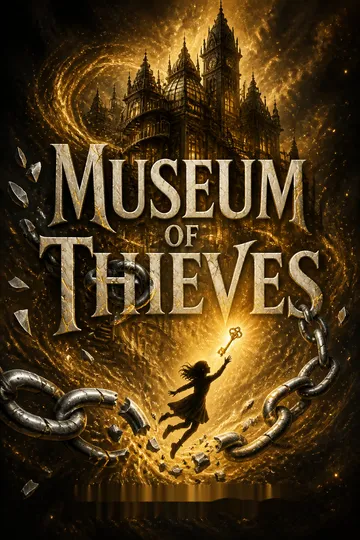
The Keepers Trilogy Series
Download PDF
Download EPUB
.epub digital book format is ideal for reading ebooks on phones, tablets, and e-readers.








































