
Plot Summary
Smoke Over Anniera
The story opens with Janner Igiby awakening to an ominous silence aboard a ship, the Enramere, as his family flees the destruction of Anniera. The smoke of their homeland's ruin still stains the sky, a constant reminder of loss and danger. Janner, wounded from past battles, is surrounded by his mother Nia, sister Leeli, and brother Kalmar—now transformed into a wolfish Grey Fang. Their grandfather Podo, a gruff sailor, commands the ship, while their uncle Artham, once Peet the Sock Man, now a winged guardian, scouts ahead. The family's hope is to find safety in the Green Hollows, Nia's birthplace, but the trauma of Anniera's fall and the threat of Gnag the Nameless's relentless pursuit haunt them. The sea voyage is tense, marked by uncertainty and the ever-present scent of smoke.
Refuge in the Hollows
As the Enramere nears the Green Hollows, the family's hope for refuge is tempered by fear. Nia's memories of Anniera's glory and loss mingle with her children's longing for home. The Hollows, protected by the formidable Watercraw chain and a fierce, insular people, promise safety from Fangs and Gnag's armies. Yet, the Hollowsfolk's legendary distrust of outsiders and the looming Blackwood forest, home to monstrous cloven, cast a shadow. The family's arrival is met with both celebration and unease, especially when Kalmar's wolfish appearance is revealed. The children's unique gifts—Leeli's music, Kalmar's senses, Janner's leadership—are both a blessing and a source of danger, as Gnag's interest in them grows.
Arrival and Betrayal
The family's ship is escorted into Ban Rona, the Hollows' capital, with Nia hailed as a returning queen. Yet, the joy is short-lived. When Kalmar is seen by the townsfolk, panic erupts. The crowd, terrified of Fangs, attacks, and Kalmar is dragged away to the dungeon. Janner's attempts to protect his brother are futile against the mob's fury. The family is split, and the children's hopes for peace are shattered by the realization that even among kin, they are not safe. The Hollowsfolk's trauma from years of war and invasion has made them quick to judge and slow to trust, especially when faced with a living symbol of their nightmares.
The Wolf King's Shame
In the dungeon, Kalmar is tormented by shame and fear, believing himself a monster unworthy of love or trust. Janner, torn between anger and compassion, struggles with his role as Throne Warden—protector of the king, even when the king is his broken little brother. Nia, desperate to save her son, invokes the ancient law of turalay, binding her fate to Kalmar's: if he breaks the law, she suffers his punishment. The family's unity is tested as Kalmar's struggle with his wolfish nature threatens to undo them all. The Hollowsfolk's suspicion grows, and the children's every move is watched.
The Queen's Vow
At the council of the Hollows, Nia stands before the chiefs and declares turalay, vowing her life for Kalmar's. Her blood seals the oath on the ancient tree in the Keep, stunning the assembly. Kalmar is released, but the cost is immense: any misstep could doom both mother and son. The family is reunited, but the threat of exile or death hangs over them. Nia's act of love and courage is both a shield and a burden, as Kalmar's struggle with his nature and the community's hostility make every day a test of loyalty and restraint.
Ban Rona's Hostility
The Wingfeathers settle at Chimney Hill, their ancestral home, with the help of Bonifer Squoon, an old family friend. Yet, the warmth of hearth and home is chilled by the townsfolk's suspicion. Kalmar's presence is a constant source of tension; children and adults alike avoid or mock him. At school, the siblings face bullying and isolation, especially from Grigory Bunge and his gang. Janner, forced into the Durgan Guild to protect Kalmar, sacrifices his own dreams. Leeli finds solace among the houndmasters, her music forging bonds with the Hollows' great dogs. The family clings to each other, but the threat of violence and betrayal is never far.
The Dungeon and the Law
The children's days are filled with lessons, chores, and the ever-present risk of Kalmar's temper or hunger betraying them. Olumphia Groundwich, the headmistress, warns them that the townsfolk are eager for any excuse to expel or imprison Kalmar—and by turalay, Nia as well. The law is both protection and trap. Janner's role as Throne Warden becomes a daily struggle, as he must shield his brother not only from others, but from himself. The siblings' bond is tested by fear, shame, and the weight of expectation. Meanwhile, rumors of missing livestock and strange tracks stir new fears in Ban Rona.
New Home, Old Fears
As winter deepens, livestock vanish from farms around Ban Rona. The townsfolk blame Kalmar, convinced the Grey Fang is preying on their animals. Janner, suspicious of his brother's nocturnal absences and growing hunger, follows Kalmar one night and discovers a terrible secret: Kalmar has been feeding a wounded cloven—a monstrous, broken creature—hiding in a cave. Kalmar's compassion for the cloven, born of his own shame and loneliness, has led him to risk everything. Janner is horrified, torn between disgust and understanding. The secret cannot be kept, and soon the townsfolk's worst fears are confirmed.
School of Strangers
At the Guildling Hall, the siblings endure daily taunts and threats. Grigory Bunge's campaign against Kalmar escalates, pushing Janner to his breaking point. In a moment of desperation, Janner attacks Grigory, declaring his role as Throne Warden and warning all who would harm his brother. The fight changes the school's dynamic; the siblings are left alone, but the cost is high. Janner's anger and Kalmar's shame threaten to drive them apart, even as their need for each other grows. The family's isolation deepens, and the threat of disaster looms.
The Durgan Guild
Janner and Kalmar's training in the Durgan Guild, under the stern Guildmaster Clout, forges them into capable fighters and spies. The lessons in sneakery and teamwork bring moments of pride and camaraderie, but also highlight Kalmar's differences. As the livestock disappearances escalate, suspicion falls squarely on Kalmar. The Durgan Patrol, led by Rudric, investigates, and the evidence mounts. When Freva's daughter Bonnie goes missing, the town's fear turns to rage. The Wingfeathers are arrested, and the council is called to pass judgment.
The Cloven's Secret
In the council hall, the evidence against Kalmar is damning: tracks, bones, and Freva's grief. Despite Janner's attempts to explain, the truth of Kalmar's compassion for the cloven is lost on the mob. The council, led by Nibbick Bunge, sentences Kalmar and Nia to death. The family is separated, and hope seems lost. In the chaos, Bonifer Squoon's true allegiance is revealed—he is a traitor, working for Gnag the Nameless. As the execution nears, Leeli's song awakens a vision, and the cloven—Esben, the children's lost father—arrives, bearing Bonnie and revealing the truth.
Sara's Rebellion
Far away in Dugtown, Sara Cobbler, a former friend of Janner's, endures the horrors of the Fork Factory. Inspired by Janner's courage, she organizes a secret rebellion among the enslaved children. With cunning and bravery, Sara and her allies overthrow the Overseer and the Fangs, freeing the factory's captives. Artham Wingfeather, now a haunted hero, arrives with Gammon, aiding in the liberation. Sara's story of hope and resistance echoes the Wingfeathers' struggle, and her longing for reunion with Janner adds a note of yearning and courage to the tale.
The Missing Child
As the truth of Bonnie's disappearance comes to light, Bonifer Squoon's treachery is fully revealed. He orchestrated the child's abduction to frame Kalmar and facilitate the Fangs' invasion. With the council in chaos and the city under attack, Bonifer kidnaps Janner, Kalmar, and Leeli, delivering them to the Fangs. The family is torn apart once more, and the children face a terrifying journey toward Gnag's stronghold. The betrayal of a trusted friend cuts deep, and the children's fate hangs in the balance.
The Council's Verdict
As the gallows are raised and the crowd clamors for blood, Nia and Kalmar prepare to die. Leeli's song, full of sorrow and hope, stirs the hearts of the assembly and awakens a deep magic. The cloven, revealed as Esben, intervenes, saving Bonnie and exposing Bonifer's lies. The Fangs attack, and chaos erupts. In the battle, Esben is mortally wounded, but not before reuniting with his family and rescuing his children from Bonifer's clutches. The cost of truth and mercy is high, but the family's love endures.
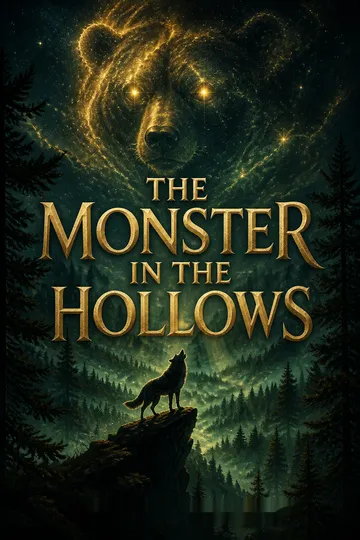
The Bear King Revealed
In a final, desperate act, Esben—transformed from cloven to bear—rescues his children from Bonifer and the Fangs. Mortally wounded, he brings them to safety, reuniting the family at last. In the moonlit harbor, surrounded by the remnants of battle, Esben blesses his children, affirms Kalmar's worth, and entrusts the future to them. His death is both an ending and a beginning, as the family and the Hollowsfolk mourn and resolve to fight for freedom. The Bear King's legacy is one of love, sacrifice, and hope.
Treachery at the Watercraw
Bonifer's machinations allow the Fangs to invade Ban Rona, but the courage of the Wingfeathers, Rudric, and the Durgan Patrol turns the tide. The city is saved, but at great cost. Bonifer's fate is left uncertain, his treachery a bitter lesson in the dangers of pride and resentment. The family's unity and the Hollowsfolk's repentance mark a turning point, as old wounds begin to heal and new alliances are forged.
The Last Song
In the aftermath, Leeli's song weaves together the threads of sorrow and hope, binding the family and the city in a moment of grace. The Maker's presence is felt, and the children's gifts are affirmed as vital to the world's healing. The family's grief is tempered by the knowledge that love endures beyond death, and that even the broken can be made whole. The Hollowsfolk, chastened and inspired, pledge themselves to the coming war against Gnag.
The High King's Farewell
As winter falls, the Wingfeathers and the people of the Green Hollows prepare for war. Kalmar, now the High King, is accepted and honored by Rudric and the council. The family, though scarred by loss, is united in purpose. The Hollowsfolk, once fearful and insular, open their hearts and pledge their strength to the fight for freedom. The story ends with hope: the Jewels of Anniera, forged in suffering and love, will lead the free peoples of Aerwiar in the battle to come.
Analysis
A tale of brokenness, belonging, and the cost of loveThe Monster in the Hollows is a profound exploration of what it means to be an outsider, to carry shame, and to seek acceptance in a world scarred by fear and loss. Through the Wingfeather family's journey, Andrew Peterson examines the dangers of prejudice, the weight of tradition, and the redemptive power of sacrificial love. The novel's dual narrative structure—juxtaposing the family's exile with Sara Cobbler's rebellion—highlights the universal longing for home and freedom. Transformation, both physical and spiritual, is at the heart of the story: characters are forced to confront their own brokenness and the brokenness of others, learning that true strength lies in humility, compassion, and the willingness to bear one another's burdens. The ancient laws of the Hollows, the magic of music and vision, and the ever-present threat of betrayal serve as both obstacles and catalysts for growth. Ultimately, the book is a call to mercy: to see beyond appearances, to forgive the unforgivable, and to believe that even the most wounded can be made whole. In a world still haunted by division and fear, The Monster in the Hollows offers a vision of hope, community, and the enduring power of love to heal and unite.
Review Summary
People Also Read
Characters
Janner Wingfeather
Janner is the eldest Wingfeather child, thrust into the role of Throne Warden—a guardian and servant to his younger brother, the king. Sensitive, bookish, and brave, Janner's journey is one of sacrifice and self-discovery. He struggles with resentment, fear, and the weight of responsibility, especially as Kalmar's transformation and shame threaten to tear the family apart. Janner's loyalty is tested by betrayal, danger, and his own doubts, but his love for his siblings and his growing sense of purpose drive him to acts of courage and compassion. His relationship with Kalmar is fraught but ultimately redemptive, as he learns that true strength lies in humility and love.
Kalmar Wingfeather
Kalmar, once called Tink, is the middle child and heir to Anniera's throne. Transformed into a Grey Fang, he is haunted by shame, guilt, and the fear of his own monstrousness. Kalmar's journey is one of self-acceptance and redemption, as he struggles to control his wolfish instincts and prove his worth. His compassion for the cloven and his willingness to risk everything for others reveal a deep, wounded nobility. Kalmar's relationship with Janner is central—he needs his brother's protection and forgiveness, even as he longs to be more than a burden. His eventual acceptance as king is hard-won, marked by humility and love.
Leeli Wingfeather
Leeli, the youngest, is gifted with music that carries mysterious power. Her whistleharp soothes dragons, tames dogs, and awakens deep magic. Despite her physical disability, Leeli's spirit is indomitable; she is compassionate, wise beyond her years, and fiercely loyal. Her music is a source of healing and unity, binding her family and even the Hollowsfolk. Leeli's innocence and courage are a beacon in the darkness, and her role as Song Maiden is both literal and symbolic—she gives voice to hope when all seems lost.
Nia Wingfeather
Nia is the family's anchor—wise, strong, and unyielding in her love. Her past as Anniera's queen and her deep connection to the Hollows shape her actions. Nia's willingness to invoke turalay, binding her fate to Kalmar's, is the ultimate act of maternal sacrifice. She navigates the dangers of exile, prejudice, and betrayal with grace and resolve, guiding her children through loss and fear. Her relationship with Rudric offers a glimpse of healing and new beginnings, even as she mourns Esben.
Podo Helmer
Podo, a former pirate and sailor, is both comic relief and a well of wisdom. His love for his family is fierce, and his stories connect the children to their heritage. Podo's past mistakes and his banishment from the sea add depth to his character; he is a man seeking redemption and peace. His relationship with Nia and the children is marked by gruff affection and hard-earned wisdom.
Artham Wingfeather (Peet the Sock Man)
Artham, once the noble Throne Warden, is broken by trauma and guilt over failing his brother Esben. His transformation into a winged, birdlike being is both a curse and a gift. Artham's madness is a constant struggle, but his love for the children and his acts of heroism are redemptive. His journey is one of seeking atonement and healing, and his connection to Esben is central to the story's emotional arc.
Esben Wingfeather (The Cloven/Bear King)
Esben, presumed dead, is revealed as the cloven—a monstrous, wounded creature hiding in the Hollows. His transformation is the result of Gnag's cruelty and his own sacrifice. Esben's reunion with his family is both tragic and triumphant; his love endures despite his brokenness. His final acts—saving his children, blessing Kalmar, and dying in their arms—are the story's emotional climax, embodying the themes of redemption, sacrifice, and the power of love.
Bonifer Squoon
Bonifer is a complex figure—once a friend and counselor to the Wingfeathers, now revealed as a bitter, vengeful agent of Gnag. His betrayal is rooted in old wounds and twisted love, and his machinations nearly destroy the family and the Hollows. Bonifer's intelligence and cunning make him a formidable foe, and his downfall is a cautionary tale about the corrosive power of resentment and pride.
Rudric ban Yorna
Rudric is a figure of strength and integrity, torn between loyalty to his people and his love for Nia. His leadership is tested by fear, prejudice, and the threat of invasion. Rudric's willingness to admit fault and seek forgiveness marks him as a true leader, and his acceptance of Kalmar as king signals a new era for the Hollows. His relationship with Nia offers hope for healing and unity.
Sara Cobbler
Sara's story runs parallel to the Wingfeathers', embodying the themes of hope, courage, and the fight for freedom. Her leadership in the Fork Factory's revolt is inspired by Janner's example, and her longing for reunion with him adds emotional depth. Sara's journey from despair to agency is a testament to the power of small acts of resistance and the importance of community.
Plot Devices
Dual Narrative Structure
The novel weaves together the Wingfeathers' struggle for acceptance and survival in the Green Hollows with Sara Cobbler's rebellion in the Fork Factory. This dual narrative heightens tension, contrasts themes of captivity and freedom, and allows for a broader exploration of hope and resistance. The convergence of these threads underscores the interconnectedness of personal and communal redemption.
Transformation and Identity
The motif of transformation—Kalmar's change into a Grey Fang, Esben's into a cloven, Artham's into a birdman—serves as a metaphor for trauma, shame, and the possibility of healing. These changes are both curse and gift, forcing characters to confront their deepest fears and desires. The struggle for identity is central, as characters learn that true worth is found not in appearance or power, but in love and humility.
Ancient Laws and Oaths
The invocation of turalay, binding Nia's fate to Kalmar's, is a powerful plot device that raises the stakes and explores themes of sacrifice, justice, and mercy. The ancient laws of the Hollows, both protective and perilous, shape the characters' choices and the community's response to fear and difference.
Foreshadowing and Prophecy
Leeli's music, Janner's visions, and the recurring presence of the Maker's magic foreshadow key events and reveal deeper truths. These elements create a sense of destiny and interconnectedness, suggesting that even in darkness, hope and redemption are possible. The use of prophecy and song as narrative devices ties the characters' personal journeys to the fate of the world.
Betrayal and Redemption
The betrayal by Bonifer Squoon and the suspicion of the Hollowsfolk are countered by acts of forgiveness, courage, and self-sacrifice. The narrative structure allows for moments of despair to be transformed into opportunities for grace and reconciliation. The theme of redemption is embodied in the characters' willingness to forgive, to fight for each other, and to believe in the possibility of healing.
The Wingfeather Saga Series
About the Author
Download PDF
Download EPUB
.epub digital book format is ideal for reading ebooks on phones, tablets, and e-readers.








































