
Plot Summary
War's Boredom and Brotherhood
Janner, Kalmar, and Leeli, the Wingfeather siblings, endure the tedium of a war council in the Green Hollows, where tribes pledge allegiance to Kalmar, the wolfish boy-king. The ceremony is fraught with tension, as Kalmar's Fang appearance stirs distrust. Janner's quick thinking and humility help defuse a near-revolt, showing the siblings' growing maturity and unity. The day's end brings a surprise birthday celebration for Janner, a rare moment of warmth and laughter amid the looming threat of Gnag the Nameless. The siblings' bond is tested and strengthened, setting the emotional tone for the trials ahead.
The Unwanted King's Test
Janner is "blindplopped"—drugged and abandoned in the wild as a Durgan Guild tradition, forced to survive alone and find his way home. He awakens in a snowy forest, equipped with only basic supplies and a letter from his guildmaster. The test is both physical and psychological, pushing Janner to rely on his training, wits, and courage. Leeli secretly sends her dog Baxter to watch over him, a gesture of love and worry. Janner's journey through the wilderness, facing thorks and hunger, becomes a metaphor for the loneliness and responsibility of growing up, and the pain of being set apart for a greater purpose.
Blindplop and Birthday Trials
Janner's blindplop is interrupted by bizarre Hollish creatures and the ever-present threat of Fangs. He faces thorks—strange, toothy blobs—and narrowly escapes, only to be captured by ridgerunners. His compassion leads him to save a young troll, Oood, from execution, forging an unlikely friendship. Meanwhile, Leeli's anxiety for her brother grows as war looms. The siblings' separate paths highlight their unique strengths: Janner's empathy, Kalmar's courage, and Leeli's steadfastness. Each is tested in isolation, yet their destinies remain intertwined, foreshadowing the sacrifices to come.
Leeli's Hounds and Hidden Fears
Leeli trains the Houndry Corps, preparing Ban Rona's dogs for battle and messenger duty. Her empathy and command over the dogs become vital to the city's defense. The threat of war weighs heavily on her, and she senses the coming loss. When a captured Fang offers peace in exchange for the siblings' surrender, Leeli's music rallies the people, transforming fear into resolve. Her song becomes a weapon, and her leadership inspires hope. Yet, she is haunted by the knowledge that her family's presence brings danger to all she loves.
The Enemy's Offer
A Fang messenger delivers Gnag's offer: surrender the Wingfeather children or face annihilation. The city is divided, but Nia, their mother, refuses. The siblings struggle with guilt, knowing their existence endangers thousands. Leeli's defiant song unites the Hollowsfolk, but the enemy's power is revealed as Bat Fangs descend from the sky, launching a devastating assault. The siblings' sense of responsibility deepens, and the cost of their lineage becomes painfully clear.
Bat Fangs Descend
The Bat Fangs' attack is swift and brutal, overwhelming the city's defenses. Kalmar's unique abilities allow him to escape the dungeon and seek reinforcements, risking his life to save others. Leeli and Nia tend to the wounded, while Janner, still lost, races home through a war-torn landscape. The siblings' separation heightens their longing for each other and their fear for their family's survival. The city's fate hangs in the balance, and the siblings' courage is tested as never before.
Kalmar's Daring Escape
Kalmar sneaks through the besieged city, using his Fang disguise to evade Bat Fangs and Grey Fangs. His senses are heightened, but so is the threat of losing himself to the wolf within. He delivers a warning to the Hollish army, barely surviving a harrowing chase. Kalmar's heroism is marred by shame and fear of his own nature. He resolves to confront Gnag alone, believing himself a danger to those he loves. His journey becomes a battle not just against enemies, but against the darkness inside.
Janner's Perilous Journey
Janner's trek home is fraught with peril: ridgerunners, trolls, and the ever-present threat of Fangs. He risks his life to save a young troll, Oood, from execution, forging a bond that will prove crucial. Janner's compassion and willingness to act without certainty mark his growth. He is captured, drugged, and carried away, his fate uncertain. The wilderness strips him of comfort and certainty, but also reveals his capacity for selfless love.
Trolls, Ridgerunners, and Mercy
Janner and Kalmar, reunited, join forces with Oood the troll. Their journey through the Blackwood is a gauntlet of monsters and memories. They encounter the cloven—twisted, half-melded creatures, victims of Gnag's experiments. The brothers' compassion for the cloven, and their willingness to see humanity in the monstrous, foreshadows the healing to come. The pain of remembrance haunts the cloven, and the siblings realize that Gnag's evil is not just in violence, but in the destruction of identity and hope.
The Dungeon's Madness
In the Deeps of Throg, Janner and Kalmar witness the horror of the melding process: humans willingly surrendering their names and selves for the promise of power. The Stone Keeper, Gnag's lieutenant, oversees the transformation. Kalmar nearly succumbs to his wolfish nature, attacking Janner in a moment of madness. Only the power of his true name brings him back. The siblings' love and the memory of who they are become their only defense against despair.
Leeli's Song of Defiance
Leeli's whistleharp becomes the city's last hope. Her music confounds the Bat Fangs and rallies the defenders. Through her song, she connects with her brothers across distance and darkness, sharing visions and courage. The siblings' bond transcends space, and Leeli's music becomes a thread of hope in the world's unraveling. Yet, the enemy's power grows, and the cost of resistance mounts.
The Siege and the Storm
The city endures night after night of assault. Leeli's music, the dogs' bravery, and the people's resolve hold the line, but the enemy's numbers are overwhelming. The arrival of Gnag's fleet signals the end. Leeli is captured, and the city falls. The siblings are brought together at last, but only as prisoners, forced to open the Fane of Fire for Gnag. The storm outside mirrors the storm within, as hope flickers and the world teeters on the edge of ruin.
Oood and the Cloven
In the Blackwood, the brothers discover Clovenfast, a hidden city of the cloven, ruled by the tree-like Queen Arundelle. The cloven are revealed as former Annierans, broken by Gnag's experiments. The Queen's counsel and the brothers' compassion awaken hope for restoration. The prophecy of a boy who will be the seed of a new garden is revealed, and the siblings realize that healing the world will require sacrifice.
The Blackwood's Secret City
The brothers learn the history of the cloven and the pain of remembrance. Queen Arundelle, once Annieran, helps them understand that true healing comes not from power, but from love and the willingness to remember who they are. The cloven's longing for restoration mirrors the siblings' own longing for home. The Queen's love for Artham, the lost Throne Warden, becomes a symbol of hope that even the most broken can be redeemed.
The Cloven Queen's Counsel
Arundelle reveals the prophecy of the seed: a boy who will bring healing to the broken. The siblings are offered a choice: remain in safety, or risk everything to confront Gnag and open the Fane of Fire. The Queen's wisdom and the cloven's longing for wholeness inspire the siblings to press on, knowing that the cost may be their own lives. The journey becomes a pilgrimage, and the siblings' love for each other becomes their greatest strength.
Gnag's Origins Revealed
Gnag's history is unveiled: born Davion Wingfeather, twin to the king, he was stolen by Bonifer Squoon and raised in Throg, fed lies of abandonment and unlovability. His quest for power and vengeance is rooted in a wound of identity and love. The siblings' compassion for Gnag deepens, even as they oppose him. The revelation that Gnag's true longing is for a name and belonging reframes the entire conflict, turning the final battle into a struggle for the soul.
The Fane of Fire Unlocked
Forced to open the Fane of Fire, the siblings hope the Maker will intervene. Instead, Gnag seizes the ancient stone, seeking to meld himself with Yurgen the Dragon King. The siblings' faith is shaken, and their hope seems lost. Yet, their willingness to obey, even in despair, becomes the seed of redemption. The Fane's light reveals the truth of their hearts, and the siblings' love for each other becomes their last defense.
The Melding and the Monster
Gnag melds with Yurgen, becoming a monstrous dragon-man. He slays Podo, the siblings' beloved grandfather, and forges an alliance with the dragons. The world is plunged into chaos as Gnag's army descends on Ban Rona. The siblings, broken and grieving, are swept along in the tide of destruction. Yet, even in defeat, they cling to each other and to the hope that love is stronger than death.
The Last Battle of Ban Rona
Ban Rona is destroyed, but the survivors gather at the Field of Finley for a final stand. The cloven, led by Oood and Cadwick, arrive to aid the Hollowsfolk. Leeli's music, the dragons' flight, and the siblings' courage turn the tide. Gnag is confronted not with violence, but with the truth of his name and the love he was denied. The battle becomes a crucible of mercy, and the world is changed forever.
The Price of Healing
To heal the cloven and the Fangs, Kalmar offers himself as the seed of a new garden. Janner, the Throne Warden, intervenes, taking the burden upon himself. The ancient stone's power is unleashed, and Janner's life is given to restore the broken. The Fangs and cloven are made whole, and the world is filled with new hope. Janner's death is mourned, but his sacrifice becomes the foundation of a new Anniera.
The Seed and the Garden
The survivors return to Anniera, where the land is miraculously restored. The siblings, Nia, and their friends begin the work of rebuilding, planting seeds both literal and metaphorical. The former Fangs and cloven are welcomed as citizens, and Kalmar becomes a true king, offering mercy and new names. The story ends not with triumph, but with the quiet, hard work of healing and the promise of peace.
The Restoration of Anniera
Anniera is reborn, not as a kingdom of power, but as a community of the broken made whole. The siblings' journey ends with the planting of a new garden, the restoration of names, and the embrace of the Maker's love. Janner's sacrifice is honored, and the story closes with the promise that even in a world of sorrow, the light of love and self-giving can never be quenched. The world is whispering—listen, child—the story is true.
Analysis
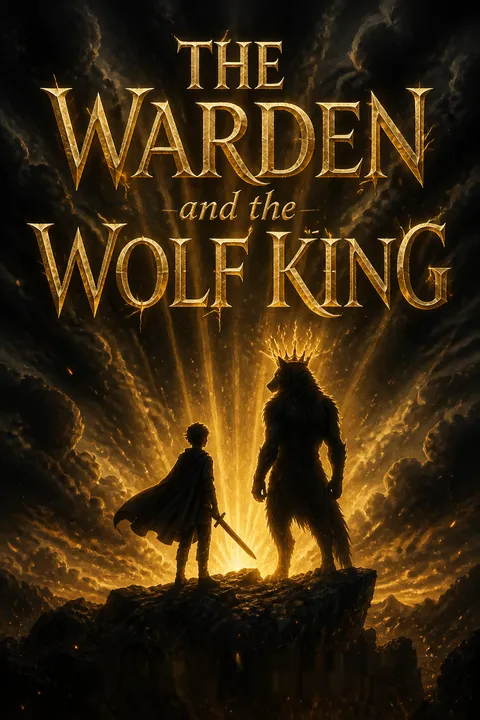
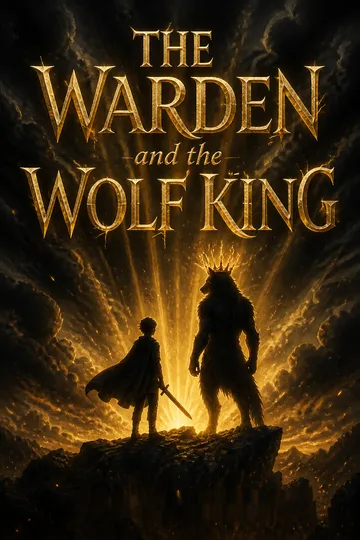
Andrew Peterson's The Warden and the Wolf King is a masterful exploration of brokenness, identity, and redemption, woven through a rich tapestry of fantasy, adventure, and deep emotional resonance. At its heart, the novel is a meditation on the power of names, the cost of love, and the hope of restoration in a world marred by sorrow. The story subverts traditional fantasy tropes by centering not on the triumph of might, but on the quiet heroism of self-giving, the healing of memory, and the embrace of the outcast. The siblings' journey—from isolation and fear to unity and sacrifice—mirrors the reader's own longing for home and belonging. Gnag's defeat is not a simple vanquishing of evil, but a confrontation with the wounds that birth it, and the possibility of mercy even for the most lost. The restoration of Anniera, with its inclusion of the broken and the monstrous, is a vision of community rooted in grace, where the past is neither forgotten nor erased, but transformed. Peterson's narrative invites us to believe that even in the darkest night, the world is whispering—listen, child—the story is true.
Review Summary
The Warden and the Wolf King receives overwhelming praise with a 4.74/5 rating. Readers commend Andrew Peterson's masterful storytelling, multiple viewpoints, and emotional depth. Many compare it to Chronicles of Narnia, highlighting biblical allegory woven throughout. The ending proves intensely emotional, making numerous readers cry. Reviewers appreciate the complex character development, particularly Janner and Kalmar, and themes of sacrifice, redemption, and family bonds. Some cite minor plot holes or pacing issues. The series conclusion is described as powerful yet bittersweet, with an ambiguous epilogue leaving readers wanting more while providing satisfying closure to the four-book saga.
People Also Read
Characters
Janner Wingfeather
Janner is the eldest Wingfeather sibling, burdened with the role of Throne Warden—protector of his brother, the king. Sensitive, introspective, and often plagued by self-doubt, Janner's journey is one of reluctant heroism. He is tested by loneliness, fear, and the weight of responsibility, yet his compassion and willingness to act for others define his arc. Janner's greatest moment comes in his ultimate sacrifice: offering himself as the seed of a new garden to heal the broken, fulfilling the prophecy and embodying the story's deepest theme—love that gives itself away. His death is both tragic and triumphant, the foundation of Anniera's restoration.
Kalmar Wingfeather
Kalmar, the middle child and High King of Anniera, is marked by his transformation into a Fang—a wolfish, monstrous form that makes him both a symbol of hope and a source of fear. He is impulsive, brave, and deeply loyal, but haunted by the darkness within. Kalmar's struggle is both external (against Gnag and his armies) and internal (against the wolf inside). His willingness to lead, to offer himself for the healing of others, and to forgive himself for his failures marks his growth. Kalmar's journey is one of redemption, learning that true kingship is found in humility, mercy, and self-giving.
Leeli Wingfeather
Leeli, the youngest sibling, is physically limited by her twisted leg but possesses a strength of spirit that inspires all around her. Her music is both weapon and balm, confounding enemies and rallying friends. Leeli's empathy, leadership of the Houndry Corps, and unwavering hope make her the heart of the family. She is a bridge between worlds—human and animal, sorrow and joy. Leeli's role in the final healing, and her ability to see the good in even the most broken, embodies the story's message of grace.
Nia Wingfeather
Nia is the siblings' mother and the true queen of Anniera. Her wisdom, courage, and sacrificial love hold the family together through every trial. Nia's grief for her lost husband and the suffering of her children is matched only by her resilience. She is a figure of quiet strength, guiding her children with both firmness and tenderness. Nia's journey is one of letting go—of her homeland, her husband, and ultimately her eldest son—yet she remains the anchor of hope and the promise of home.
Gnag the Nameless (Davion Wingfeather)
Gnag is the story's antagonist, a figure of immense power and cruelty, yet ultimately revealed as a wounded child—Davion Wingfeather, twin to the king, stolen and raised in lies. His quest for vengeance and power is rooted in a longing for love and a name. Gnag's transformation into a monster, and his final confrontation with the truth of his identity, reframes him as a tragic figure. His defeat comes not through violence, but through the siblings' compassion and the restoration of his name, embodying the story's theme that even the greatest evil is born of brokenness and can be met with mercy.
Oood
Oood is a young troll rescued by Janner, whose innocence, strength, and love of poetry provide both comic relief and profound insight. Oood's journey from outcast to hero mirrors the story's larger arc of brokenness and restoration. His loyalty and courage are instrumental in the final battle, and his healing by the water of the First Well becomes a symbol of hope for all the broken. Oood's presence reminds the siblings—and the reader—that even the most monstrous can be redeemed.
Queen Arundelle
Arundelle, once Annieran and now the tree-like queen of Clovenfast, embodies the pain and possibility of remembrance. Her wisdom and compassion guide the siblings through the Blackwood, and her love for Artham is a testament to the endurance of hope. Arundelle's counsel and her willingness to embrace her brokenness become the key to the healing of the cloven and the restoration of Anniera. She is both a mother figure and a symbol of the world's longing for wholeness.
Artham Wingfeather
Artham, the siblings' uncle, is a tragic hero—once a noble Throne Warden, now a half-melded birdman tormented by shame and madness. His journey is one of self-forgiveness and the rediscovery of purpose. Artham's love for Arundelle and his protection of the children are redemptive, and his return to Anniera marks the healing of old wounds. Artham's arc is a meditation on the cost of failure and the possibility of grace.
Bonifer Squoon
Bonifer is the story's human villain, whose jealousy and unrequited love for Madia lead him to betray Anniera and steal away Gnag. His actions set the tragedy in motion, and his descent into madness and transformation into a spider-creature is both fitting and pitiable. Bonifer's lies and manipulations are the root of Gnag's pain, and his fate is a warning about the corrosive power of envy and the refusal to accept one's place in the story.
Elder Cadwick
Cadwick is a horse-like cloven who serves as a leader and guide in Clovenfast. His struggle with memory and identity mirrors the larger themes of the story. Cadwick's loyalty to Arundelle and his willingness to risk himself for the siblings mark him as a figure of quiet heroism. His journey from brokenness to restoration, and his role in leading the cloven home, embody the hope that even the most wounded can find healing and purpose.
Plot Devices
The Power of Names and Memory
Throughout the narrative, names are a source of power, identity, and healing. Gnag's namelessness is the root of his pain and evil; the Fangs' loss of names marks their transformation into monsters. The restoration of names—through Kalmar's mercy and the siblings' compassion—becomes the means of redemption for the broken. Memory, too, is both a burden and a blessing: the cloven's pain is rooted in remembrance, yet it is only by remembering who they are that they can be healed. The story's structure is built around the loss and recovery of names, culminating in the revelation of Gnag's true identity and the restoration of the world.
Sacrifice and Substitution
The narrative is driven by acts of sacrifice: Janner's willingness to die for his brother, Kalmar's offer to heal the broken, Podo's death to summon the dragons, and Nia's continual surrender of her children. The climax hinges on substitution—Janner taking Kalmar's place as the seed of the new garden, echoing the story's deepest theme that true power is found in self-giving love. The plot repeatedly subverts expectations of heroism, showing that victory comes not through violence, but through the willingness to lay down one's life for others.
Music and Song as Magic
Leeli's music is both literal and symbolic: it confounds enemies, rallies allies, and connects the siblings across distance and despair. The ancient song is the key to unlocking the Fane of Fire and the restoration of the broken. Music becomes a metaphor for the harmony of creation, the possibility of beauty in the midst of sorrow, and the power of art to heal and unite. The narrative structure itself is musical, with recurring motifs, refrains, and crescendos that echo the story's themes.
The Prophecy and the Seed
The prophecy of a boy who will be the seed of a new garden is woven throughout the narrative, foreshadowing the climax and shaping the characters' choices. The fulfillment of the prophecy comes at great cost—Janner's life—and the restoration of Anniera is not a return to the past, but the birth of something new. The plot device of the seed and the garden reframes the story as one of resurrection, not mere recovery, and invites the reader to consider the cost and promise of true renewal.
The Intertwining of Light and Darkness
The story's structure is built on the interplay of light and darkness, hope and despair, brokenness and healing. The characters' journeys mirror this duality: Kalmar's struggle with the wolf within, Artham's battle with madness, Gnag's longing for love and his descent into evil. The narrative repeatedly brings the characters to the brink of darkness, only to reveal that light is found not in the absence of pain, but in the embrace of love and the willingness to be known. The final restoration is not the erasure of sorrow, but its transformation into beauty.
The Wingfeather Saga Series
About the Author
Download PDF
Download EPUB
.epub digital book format is ideal for reading ebooks on phones, tablets, and e-readers.








































