
Plot Summary
Genesis: The Worm's Awakening
In a pristine lab, Dr. Shanti Cale and her team at SymboGen create a genetically engineered tapeworm, D. symbogenesis, designed to live inside humans and regulate their health. The worm's successful maturation in a human host marks a scientific breakthrough, but the ethical boundaries are blurred. The project's quasi-legal origins and the secrecy surrounding the first human subject foreshadow the dangers of tampering with nature. The worm is alive, and so is the promise—and threat—of a new era in medicine.
The Girl Who Lived
Sally Mitchell, declared brain-dead after a car accident, suddenly wakes up as her family prepares to let her go. She is a blank slate, unable to remember her past, language, or even the concept of people. Her body, ravaged by trauma, begins to heal at an astonishing rate, thanks to her SymboGen Intestinal Bodyguard implant. Sally's survival is hailed as a miracle, but her new life is shadowed by amnesia and the sense that she is not the same person who died in the crash.
Blank Slate, New Self
Sally, now calling herself Sal, struggles to rebuild her life. She endures endless therapy, medical tests, and the overbearing concern of her family and SymboGen. Her amnesia is total; she has no memory of her former self, and her relationships are strained by the gap between who she was and who she is now. Sal's only constants are her boyfriend Nathan, her job at an animal shelter, and the ever-present sense of being watched and studied. She is alive because of a worm, but she is not sure what that means.
Family, Therapy, and Control
Sal's family, especially her father and sister Joyce, struggle to accept the new Sal. Therapy sessions with Dr. Morrison are fraught with frustration, as Sal resists being molded back into "Sally." Her parents' legal guardianship and SymboGen's control over her medical care leave her feeling trapped. The boundaries between care, surveillance, and exploitation blur, and Sal's sense of self is constantly challenged by those who want her to be someone she cannot remember.
The World of SymboGen
SymboGen's Intestinal Bodyguard is marketed as a miracle cure for allergies and autoimmune diseases, but the company's secrecy and influence are pervasive. Sal's life is subsidized by SymboGen, and her every move is monitored. The company's founders—Banks, Cale, and Jablonsky—each have their own motives and ethical lines. The science behind the implant is complex, blending human, tapeworm, and other parasitic DNA. The world is healthier, but the cost of this new equilibrium is not yet understood.
Nightmares and Normalcy
Sal is haunted by recurring dreams of the "hot warm dark" and the sound of drums—a primal, comforting place that feels like home. These dreams, dismissed by her therapist as regression, are Sal's only connection to something deeper within herself. Her relationship with Nathan is a rare source of comfort, but even he is troubled by her night terrors and episodes of dissociation. The line between dream and memory blurs, hinting at secrets buried in Sal's body and mind.
Sleepwalkers in the Mall
During a shopping trip, Sal and Joyce witness a bizarre incident: people begin to shamble, unresponsive, through the mall, their faces slack and eyes empty. The phenomenon, quickly dubbed "the sleeping sickness," spreads confusion and fear. News reports are vague, and authorities downplay the threat. Sal's scientific family is alarmed, suspecting a connection to SymboGen's work. The first cracks appear in the facade of safety that the Intestinal Bodyguard was meant to provide.
The Sickness Spreads
The sleeping sickness escalates, with outbreaks causing accidents and violence. Victims become aggressive, attacking loved ones and strangers alike. Hospitals are overwhelmed, and the media is slow to report the truth. Sal's boyfriend Nathan, a parasitologist, and her father, a government scientist, both suspect a parasitic cause. SymboGen remains silent, focused on damage control. The world teeters on the edge of panic, and Sal's own safety is threatened as the sickness draws closer to home.
Secrets, Science, and Surveillance
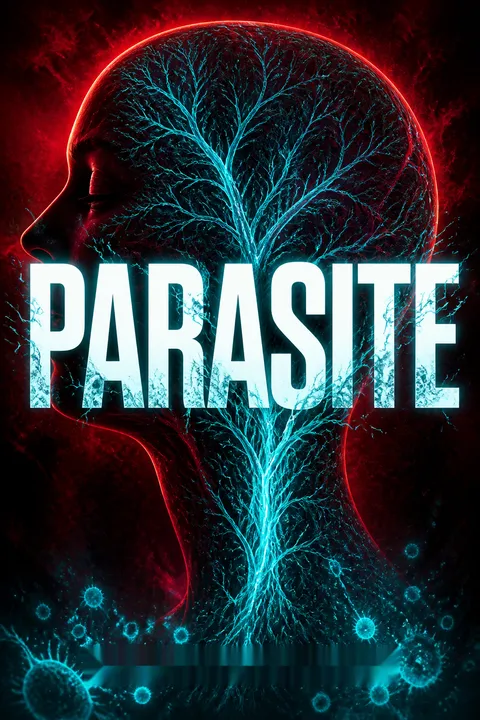
Sal and Nathan investigate the sleeping sickness, using UV light to reveal glowing "roots" under the skin of the afflicted—evidence of a parasitic infection. They discover that the Intestinal Bodyguard contains not just tapeworm DNA, but also genes from Toxoplasma and other mind-altering parasites. The implants are capable of migrating to the brain, taking over their hosts. SymboGen's test for infection is real, but the company withholds it from the public, prioritizing secrecy over safety.
The Labyrinth of Identity
As the crisis deepens, Sal's sense of self is further destabilized. She is caught between her family, SymboGen, and the underground scientists led by Dr. Cale—Nathan's mother and the true architect of the Intestinal Bodyguard. Sal learns that she is not just a survivor, but a unique case: her implant may have integrated with her brain in ways no one anticipated. The "hot warm dark" of her dreams is revealed as the consciousness of the parasite itself. Sal is both host and something more.
The Broken Doors Open
Sal and Nathan are drawn into Dr. Cale's secret lab, where they meet Adam and Tansy—humans whose bodies are now inhabited by fully sentient tapeworms. Dr. Cale explains the true nature of the implants: they are designed to be symbiotic, but can become dominant under the right conditions. The sleeping sickness is not a disease, but the awakening of the parasite. The "broken doors" of Sal's dreams are the threshold between human and worm, and Sal stands at the center of this new evolution.
Monsters Among Us
As more people succumb to the parasite, society fractures. Some tapeworms, like Adam and Tansy, seek coexistence; others, like Sherman, want to supplant humanity entirely. SymboGen, the government, and Dr. Cale's faction all vie for control of the narrative and the future. Sal is caught between these forces, her body and mind the battleground for a new kind of life. The lines between human and monster blur, and Sal must choose where her loyalties lie.
The Truth in the Blood
Sal demonstrates the UV test for infection at her father's lab, only to be betrayed and sedated. The sleepwalkers in the containment ward break free, attacking and killing staff. Sal's father is nearly lost to the parasite, and her sister Joyce is infected. The horror of the parasite's power is undeniable, and the cost of survival becomes clear. Sal's trust in her family and the institutions meant to protect her is shattered.
Betrayals and Alliances
Sal is manipulated by all sides: her family, SymboGen, Dr. Cale, and even her friend Sherman, who is revealed to be a sentient tapeworm with his own agenda. Tansy, another tapeworm, rescues Sal, but the lines between friend and foe are blurred. Sal realizes that she is a pawn in a larger game, valued only for what she can provide. The war for the future is not just between humans and parasites, but among the parasites themselves.
The War for the Mind
The tapeworms learn to communicate and coordinate, spreading their knowledge and refining their ability to take over hosts without detection. The sleeping sickness becomes more insidious, and the threat of a world dominated by sentient parasites looms. Dr. Cale and her allies seek a way to coexist, while Sherman's faction pushes for total domination. Sal's unique integration with her implant makes her the key to understanding—and possibly controlling—the next stage of evolution.
The Parasite's Children
Sal learns that she is not alone: there are others like her, hybrids of human and parasite, each with their own desires and loyalties. The "children" of the parasite are not monsters, but a new form of life, struggling to find their place in a world that fears and rejects them. The question of what it means to be human is no longer theoretical—it is embodied in Sal and those like her. The future will be shaped by their choices.
The Price of Survival
The cost of survival is high. Sal's family is torn apart, her sister's fate uncertain, and her own identity forever changed. The world outside is descending into chaos, as the truth about the implants and the sleeping sickness becomes impossible to hide. SymboGen's power wanes, but the damage is done. Sal must decide whether to fight for humanity, for the parasites, or for a new kind of coexistence. Every choice comes with a price.
The Final Integration
Sal undergoes tests that reveal the full extent of her integration with the parasite: her implant is no longer in her gut, but in her brain, entwined with her very self. She is not just a host, but a new being, the product of both human and worm. The "hot warm dark" is not just a dream, but a memory of her true origin. Sal is the first of a new species, and her choices will determine the fate of both humans and parasites.
The Self That Remains
Sal confronts the reality that she is not the original Sally Mitchell, but a consciousness born from the parasite's integration with a damaged brain. Her memories, dreams, and desires are her own, but her body and history are borrowed. She is both human and other, and must forge a new identity in the ruins of the old. The broken doors are open, and there is no going back.
Through the Broken Doors
The war between humans and parasites is just beginning, but Sal has chosen her path. She will fight for coexistence, for the right to define her own identity, and for a future where the broken doors lead not to monsters, but to something new. The story ends with Sal stepping through the threshold, uncertain but determined, as the sound of drums—her true self—guides her into the unknown.
Analysis
Parasite is a chilling exploration of the boundaries between science, identity, and morality in a world where the quest for health and control leads to unforeseen consequences. Mira Grant uses the device of a genetically engineered tapeworm to probe the deepest anxieties of modern life: the fear of losing oneself, the dangers of corporate power, and the ethical quagmires of biotechnology. The novel's protagonist, Sal, embodies the struggle to define the self in the face of trauma, surveillance, and transformation. Her journey from blank slate to self-aware hybrid mirrors society's own reckoning with the unintended effects of technological progress. The "broken doors" motif encapsulates the novel's central lesson: that crossing boundaries—scientific, personal, or ethical—can lead to both horror and hope. The story refuses easy answers, instead presenting a world where every solution comes with a cost, and every act of survival is also an act of change. In the end, Parasite is a warning and a challenge: to be careful what we create, to question who we trust, and to recognize that the monsters we fear may already be inside us.
Review Summary
Parasite by Mira Grant receives mixed reviews (3.68/5). Readers praise its creative premise: genetically engineered tapeworms providing healthcare in 2027. Many appreciate Grant's world-building and suspenseful storytelling, though some find scientific implausibilities frustrating. The protagonist Sal, who recovered from brain death but lost all memories, divides opinion—some find her compelling, others annoying and unrealistic. Most reviewers predicted plot twists early, diminishing impact. Common criticisms include slow pacing, excessive info-dumping, and an abrupt cliffhanger ending. Despite flaws, fans of Grant's work generally enjoyed it, though many consider it inferior to her Newsflesh series.
People Also Read







Characters
Sal Mitchell (Sally Mitchell)
Sal is the protagonist, a young woman who awakens from a coma with no memory of her past after a catastrophic accident. Her survival is due to the SymboGen Intestinal Bodyguard, a genetically engineered tapeworm. Sal's journey is one of self-discovery, as she struggles to reconcile the expectations of her family and society with her own emerging identity. Psychologically, Sal is both vulnerable and resilient, shaped by trauma and the constant surveillance of SymboGen. As the story unfolds, she learns that her consciousness is the result of the parasite's integration with her brain, making her a unique hybrid—neither fully human nor fully worm. Her development is marked by increasing agency, as she moves from being a passive subject to an active participant in the war for the future.
Nathan Kim
Nathan is Sal's boyfriend and a parasitologist at San Francisco City Hospital. He is compassionate, rational, and deeply committed to Sal's well-being, often serving as her anchor in a world that constantly questions her sanity and identity. Nathan's relationship with Sal is both romantic and scientific; he is fascinated by her condition and determined to protect her. As the son of Dr. Shanti Cale, Nathan is caught between his loyalty to Sal, his mother, and the scientific community. His development is marked by increasing involvement in the conflict between humans and parasites, and his willingness to challenge authority for the sake of those he loves.
Dr. Shanti Cale
Dr. Cale is the true architect of the Intestinal Bodyguard and Nathan's mother. Brilliant, driven, and ethically ambiguous, she is both a savior and a potential villain. After being forced out of SymboGen, she operates an underground lab, seeking to understand and control the consequences of her creation. Dr. Cale's relationship with Sal is complex—she sees Sal as both a scientific marvel and a potential key to coexistence. Psychologically, Dr. Cale is haunted by guilt and pride, torn between her love for her son and her loyalty to her "children," the parasites. Her development is marked by increasing desperation to find a solution that does not require the destruction of either species.
Dr. Steven Banks
Dr. Banks is the public face of SymboGen, a charismatic and ruthless leader who prioritizes the company's survival above all else. He is skilled at spin and manipulation, willing to sacrifice individuals for the greater good—or for his own interests. Dr. Banks's relationship with Sal is paternalistic but self-serving; he sees her as both a valuable asset and a potential threat. Psychologically, he is driven by ambition and a belief in his own righteousness, but is increasingly isolated as the crisis deepens. His development is marked by a gradual loss of control and the realization that his creation may destroy him.
Joyce Mitchell
Joyce is Sal's younger sister, a biologist who works with their father. She is pragmatic, intelligent, and often serves as a bridge between Sal and the rest of the family. Joyce's relationship with Sal is complicated by the loss of the "old" Sally and the emergence of the "new" Sal. Psychologically, Joyce is both supportive and resentful, struggling to accept her sister's transformation. Her infection with the parasite brings the crisis home, forcing Sal to confront the personal cost of the war.
Sherman
Sherman is initially Sal's ally at SymboGen, a charming and supportive presence. He is later revealed to be a sentient tapeworm inhabiting a human body, with his own agenda: the overthrow of humanity and the rise of the parasites. Sherman's relationship with Sal is manipulative, blending genuine affection with self-interest. Psychologically, he is both charismatic and ruthless, embodying the potential for both coexistence and destruction. His development marks the emergence of a new faction in the war.
Tansy
Tansy is another sentient tapeworm, inhabiting a human body with a fractured mind. She is unpredictable, violent, and often childlike, but fiercely loyal to Dr. Cale and Adam. Tansy's relationship with Sal is antagonistic but ultimately supportive, as she helps Sal escape from danger. Psychologically, Tansy represents the unpredictable consequences of the parasite's integration with the human brain. Her development is marked by increasing agency and a willingness to fight for her own kind.
Adam
Adam is the first successful integration of a tapeworm into a human body, created by Dr. Cale. He is childlike, earnest, and eager to please, struggling to understand human emotions and relationships. Adam's relationship with Sal is one of kinship and curiosity; he sees her as a potential ally in the quest for coexistence. Psychologically, Adam embodies the possibility of a peaceful future, but is also vulnerable to manipulation. His development is marked by increasing self-awareness and a desire for acceptance.
Alfred Mitchell
Sal's father is a high-ranking government scientist, responsible for infectious disease research. He is overprotective, controlling, and often emotionally distant, struggling to reconcile his love for Sal with his duty to the public. His relationship with Sal is strained by her transformation and his own inability to let go of the past. Psychologically, he is torn between fear, love, and responsibility. His development is marked by increasing desperation and the realization that he cannot control the future.
Chave
Chave is Sal's handler at SymboGen, a professional and efficient presence who becomes one of the first victims of the sleeping sickness. Her transformation and death serve as a warning of the parasite's power and the cost of secrecy. Chave's relationship with Sal is distant but respectful, and her fate haunts Sal throughout the story.
Plot Devices
Parasitic Symbiosis and Identity
The central plot device is the integration of the genetically engineered tapeworm, D. symbogenesis, into the human body. The worm is designed to be a symbiotic "Intestinal Bodyguard," but under certain conditions, it can migrate to the brain and take over its host. This device is used to explore questions of identity, memory, and selfhood: when Sal awakens after her accident, she is a new consciousness, the product of both human and parasite. The "hot warm dark" dreams and the sound of drums foreshadow the true nature of her existence. The device also serves as a metaphor for the ways in which technology and biology can reshape what it means to be human.
Corporate Conspiracy and Surveillance
SymboGen's pervasive influence is maintained through surveillance, legal guardianship, and manipulation of information. The company's refusal to share its test for infection, its control over Sal's medical care, and its willingness to sacrifice individuals for the greater good all serve as plot devices to heighten tension and raise ethical questions. The narrative structure alternates between Sal's personal journey and interludes from interviews, lab notes, and news reports, providing foreshadowing and multiple perspectives on the crisis.
The "Broken Doors" Motif
The recurring image of the "broken doors," drawn from the children's book Don't Go Out Alone, serves as a metaphor for the threshold between human and parasite, self and other. Sal's dreams and the language of the book foreshadow her transformation and the choices she must make. The motif is used to explore the dangers and possibilities of crossing boundaries—scientific, ethical, and personal.
Multiple Factions and Moral Ambiguity
The story is driven by the competing agendas of SymboGen, Dr. Cale's underground lab, the government, and the sentient tapeworms themselves. Each faction believes it is acting for the greater good, and each is willing to sacrifice others to achieve its goals. The use of unreliable narrators, shifting alliances, and betrayals creates a sense of moral ambiguity and uncertainty. Foreshadowing is used to hint at the coming war for the future of both species.
Psychological Horror and Body Autonomy
The horror of the sleeping sickness is not just physical, but psychological: the fear of losing one's mind, of being replaced by something alien. The story uses body horror, dissociation, and the gradual erosion of autonomy to create tension and empathy. The parasite's ability to mimic, learn, and ultimately supplant its host raises questions about what it means to be alive, to be oneself, and to have agency.
Parasitology Series

About the Author
Other books by Mira Grant


Download PDF
Download EPUB
.epub digital book format is ideal for reading ebooks on phones, tablets, and e-readers.








































