
Plot Summary
Broken Doors, Opened
The story opens with Dr. Shanti Cale's desperate message: the world is unraveling as genetically engineered tapeworms, once hailed as medical miracles, have turned into a global threat. The "broken doors" between species—human and parasite—are now open, and the boundaries of identity, loyalty, and survival are blurred. Dr. Cale's warning is both confession and challenge, setting the stage for a world where the lines between creator and creation, savior and destroyer, are no longer clear. The emotional weight is immediate: regret, fear, and the hope that something can still be salvaged from the chaos. The reader is thrust into a world where every choice is fraught, and the cost of knowledge is heartbreak.
Parasite and Host Divide
Sal Mitchell, once believed to be a human girl, is in fact a sentient tapeworm inhabiting a human body. Her existence is a living contradiction: she is both the inheritor of Sally Mitchell's life and a new being, struggling to define herself amid the expectations and fears of those around her. The divide between parasite and host is not just biological but existential, as Sal navigates the love and suspicion of her "family," the Mitchells, and the scientific community. Her journey is one of self-discovery, guilt, and the longing for acceptance, as she tries to reconcile her tapeworm instincts with her growing sense of humanity.
Quarantine and Betrayal
As the outbreak worsens, Sal is taken into military custody, separated from her allies, and thrown into a quarantine zone. The world outside is collapsing into violence and suspicion, and inside, the survivors are forced into uneasy alliances. Betrayal is everywhere: from the government, from those who once called Sal family, and even from within, as Sal is forced to choose between her own survival and the safety of those she loves. The emotional core is isolation and the pain of being misunderstood, as Sal's true nature is both her greatest strength and her deepest curse.
The Price of Survival
Survival in this new world demands impossible choices. Sal bargains her freedom for the lives of her friends, enduring abuse and suspicion from her captors. The cost of staying alive is high: dignity, trust, and sometimes even the lives of innocents. The narrative explores the tension between self-preservation and self-sacrifice, as Sal's actions are judged by both human and chimera standards. The emotional toll is heavy, as every act of survival leaves scars—physical and psychological—on all involved.
Sleepwalkers in the Dark
The "sleepwalkers"—humans overtaken by their tapeworm implants—become a terrifying new force. Their presence is a constant threat, both outside and within the quarantine. Sal's unique perspective allows her to sense and sometimes influence them, but she is haunted by the knowledge that she is kin to these lost souls. The fear of losing oneself, of becoming a monster, is palpable. The chapter is suffused with dread and the desperate hope that some part of the original person might still remain inside the sleepwalker's shell.
Waterborne Invasion
The crisis escalates as it's discovered that the tapeworm eggs have been released into the water supply, making infection nearly unavoidable. The world's infrastructure—its most basic necessity—is now a vector for destruction. The emotional impact is one of helplessness and betrayal, as even the act of drinking water becomes a risk. The sense of safety is shattered, and the survivors must adapt to a reality where trust in the environment, and in each other, is gone.
Family Reforged, Family Lost
Sal's journey brings her into contact with new "family"—other chimera, like Adam and Juniper, and the remnants of her human connections. The meaning of family is transformed: it is no longer about blood or biology, but about shared experience, loyalty, and the willingness to protect one another. At the same time, the old family ties are irrevocably broken, as the Mitchells grieve for the daughters they have lost, both to death and to transformation. The emotional heart is bittersweet: the joy of new bonds, the pain of old ones severed.
The Enemy Within
Sherman, a chimera created by Dr. Cale, emerges as the architect of the waterborne invasion. His vision is one of chimera supremacy, and he is willing to sacrifice anyone—including his own kind—to achieve it. Sal is forced to confront the darkness within her own species, and the realization that the enemy is not just outside, but within. The emotional arc is one of disillusionment and resolve, as Sal decides that survival must not come at the cost of her soul.
Chimera's New Dawn
The birth of Juniper, a chimera child who integrates perfectly with her host, signals a new evolutionary leap. She represents the possibility of coexistence, of a future where chimera and human traits are not at war but in harmony. Sal becomes a mother figure, and the community begins to rebuild, even as the world outside remains hostile. The emotional tone is one of cautious optimism, tempered by the knowledge that peace is fragile and must be fought for.
The Cost of Science
Dr. Cale's reflections on her role in creating the crisis are a meditation on the double-edged nature of scientific progress. The narrative grapples with the unintended consequences of good intentions, and the burden of responsibility that comes with creation. The emotional weight is one of sorrow and determination: the past cannot be undone, but the future can still be shaped by those willing to learn from their mistakes.
Alliances and Sacrifices
As the threat of Sherman's chimera army grows, Sal and her allies are forced to seek help from USAMRIID and Colonel Mitchell. Old enemies become uneasy allies, and the price of cooperation is high: trust, autonomy, and the willingness to make painful sacrifices. The emotional core is tension and hope, as the survivors must decide whether to risk everything for a chance at redemption.
The Siege of the Mind
Sal volunteers to infiltrate Sherman's stronghold, risking her life and identity to save her loved ones. The battle is as much psychological as physical, as Sal must deceive Sherman, resist his manipulations, and hold on to her sense of self. The emotional arc is one of courage and vulnerability, as Sal faces the possibility of losing herself to the very enemy she seeks to defeat.
The Last Experiment
In a desperate bid to save Tansy, Sal's chimera sister, the survivors perform a risky brain transplant, placing Tansy in the body of Joyce, Sally's human sister. The procedure is both a scientific miracle and an ethical quandary, forcing all involved to confront the meaning of identity, memory, and the right to exist. The emotional climax is one of grief and hope, as two families—human and chimera—are forever changed.
The Choice to Change
The survivors must come to terms with the losses they have suffered and the choices they have made. Forgiveness is hard-won, and not always possible. Sal and Colonel Mitchell, once father and daughter, must accept that their relationship can never return to what it was, but that something new—if fragile—can be built. The emotional resolution is one of acceptance and the willingness to move forward, even when the past cannot be undone.
Blood and Memory
The aftermath of the final battle is marked by bloodshed and the memories of those lost. Sal is gravely wounded, and her survival hangs in the balance. The narrative explores the persistence of memory, the power of love, and the ways in which the past shapes the present. The emotional tone is one of mourning and resilience, as the survivors honor the dead by choosing to live.
The End of Innocence
The crisis is over, but the world is not what it was. The survivors—human and chimera—must find new ways to coexist, rebuild, and redefine what it means to be alive. The innocence of the old world is gone, replaced by hard-won wisdom and the scars of survival. The emotional arc is one of bittersweet triumph: the doors are closed, but the future is uncertain.
The World Remade
In the aftermath, Sal and her chosen family find refuge on an island, building a new community where chimera and humans can live together. The world outside is still dangerous, but there is hope in the small acts of kindness, the forging of new bonds, and the determination to create something better. The emotional heart is one of peace and possibility, as the survivors look to the future.
Home Among Strangers
The story ends with Sal, Nathan, Juniper, Tansy, and Adam—chimera and human, family by choice—settling into their new home. The broken doors are closed, but the journey is not over. The emotional resolution is one of belonging, love, and the promise that, even in a world remade by disaster, it is possible to find home among strangers.
Analysis
Chimera is a profound meditation on identity, survival, and the unintended consequences of scientific ambition. At its core, the novel asks what it means to be human—and whether that definition can or should be extended to those we once called "other." Through Sal's journey, the story explores the pain of being caught between worlds, the longing for acceptance, and the courage required to choose compassion over fear. The narrative refuses to offer easy answers: every victory is tempered by loss, every act of survival by the memory of those who did not make it. The evolution of the chimera, culminating in Juniper's perfect integration, is both a warning and a hope—that the future will not be a simple restoration of the past, but something new, born of pain, love, and the willingness to change. The novel's ultimate lesson is that the doors between self and other, past and future, are always broken, always open—and that the only way forward is together, no matter how uncertain the path.
Review Summary
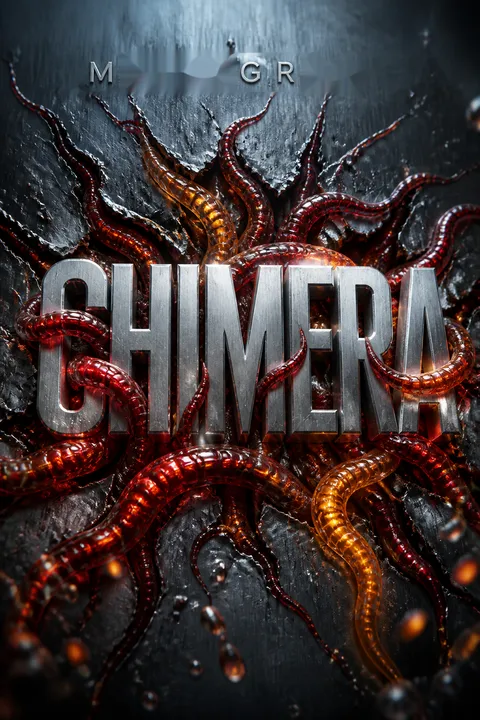
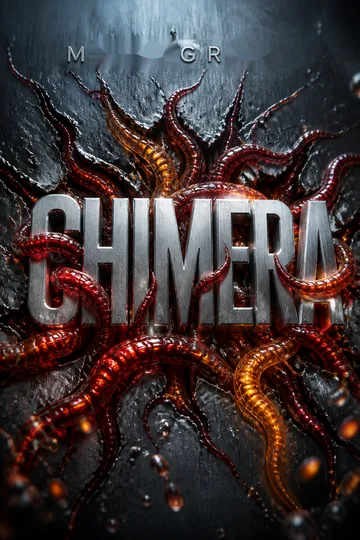
Chimera receives mixed reviews as the final installment of Mira Grant's Parasitology trilogy. Readers praise Grant's skill at blending science fiction, horror, and philosophical questions about humanity, consciousness, and survival. The scientifically grounded premise involving tapeworm parasites resonates with many. However, common criticisms include repetitive kidnapping plots, excessive length that could have been condensed into two books, insufficient development of beloved characters like Tansy, and heavy-handed philosophical discussions. While some find the ending satisfying, others feel disappointed compared to Grant's acclaimed Newsflesh trilogy. Most agree Grant's writing quality remains strong despite pacing and structural issues.
People Also Read
Characters
Sal Mitchell
Sal is the central figure—a sentient tapeworm (chimera) inhabiting the body of Sally Mitchell. Her journey is one of self-discovery, as she navigates the boundaries between parasite and host, human and other. Sal's relationships are fraught: she is both daughter and stranger to the Mitchells, both kin and rival to other chimera. Psychologically, Sal is defined by her longing for acceptance, her guilt over the harm her existence has caused, and her fierce loyalty to those she loves. Over the course of the story, she evolves from a confused survivor to a leader willing to make hard choices for the greater good, even at great personal cost.
Dr. Shanti Cale
Dr. Cale is the scientist who engineered the tapeworms and, by extension, the chimera. She is both a mother figure to Sal and Adam and a symbol of scientific hubris. Her relationships are complex: she loves her creations but is haunted by the consequences of her work. Psychologically, Dr. Cale is driven by curiosity, pride, and a deep sense of responsibility. She is capable of both great compassion and cold calculation, and her arc is one of atonement—seeking to undo the harm she has caused while refusing to deny her own agency.
Nathan Kim
Nathan is Dr. Cale's biological son and Sal's lover. He serves as a bridge between human and chimera, offering Sal unconditional love and support while grappling with his own fears and losses. Psychologically, Nathan is empathetic, rational, and quietly courageous. His relationship with Sal is a source of strength for both, and his willingness to accept her true nature is a model for the possibility of coexistence. Nathan's arc is one of healing and commitment, as he chooses to build a future with Sal despite the world's chaos.
Colonel Alfred Mitchell
Colonel Mitchell is Sally's father and a high-ranking USAMRIID officer. His relationship with Sal is fraught: he wants to see his daughter in her, but cannot fully accept the chimera's presence. Psychologically, he is torn between duty and love, haunted by the loss of his daughters and the collapse of the world he was sworn to protect. His arc is one of reluctant acceptance and sacrifice, as he ultimately chooses to help Sal and her allies, even at the cost of his own career and family.
Sherman Lewis
Sherman is a chimera created by Dr. Cale, but unlike Sal, he is driven by a vision of chimera supremacy. He is charismatic, manipulative, and ruthless, willing to sacrifice anyone for his cause. Psychologically, Sherman is marked by resentment, a need for control, and a twisted sense of destiny. His relationship with Sal is both adversarial and intimate, as he sees her as both rival and potential partner. Sherman's arc is one of hubris and downfall, as his actions ultimately lead to his own destruction.
Adam Cale
Adam is another of Dr. Cale's creations, a chimera who retains a childlike innocence and a deep need for family. He is Sal's brother in every sense but blood, and his relationship with her is one of unconditional love and support. Psychologically, Adam is gentle, trusting, and sometimes naive, but he is also resilient and adaptable. His arc is one of growth, as he learns to navigate the complexities of the new world while holding on to his essential goodness.
Juniper
Juniper is a child chimera who integrates perfectly with her host, representing a new evolutionary step. She is both vulnerable and resilient, learning rapidly and forming deep bonds with Sal and Adam. Psychologically, Juniper is a blank slate, shaped by the love and care of her new family. Her presence is a source of hope and a reminder that the future can be different from the past.
Tansy
Tansy is a chimera who suffers grievous harm at the hands of Dr. Banks but is later given a second chance at life through a brain transplant into Joyce's body. Her arc is one of trauma, recovery, and transformation, as she must relearn everything and forge a new identity. Her relationship with Sal and Adam is central, and her survival is a testament to the power of love and resilience.
Fishy (Matthew Dockrey)
Fishy is a human ally who copes with trauma by treating reality as a video game. His relationship with Sal and the others is both supportive and distancing, as his psychological defense mechanisms both protect and isolate him. Fishy's arc is one of gradual re-engagement with reality, as he chooses to fight for his friends even as he mourns what he has lost.
Carrie Black
Carrie is a human who survives the quarantine zone and becomes an uneasy ally to Sal. Her relationship with Sal is marked by suspicion, resentment, and occasional moments of connection. Psychologically, Carrie is traumatized, angry, and desperate to find meaning in a world that no longer makes sense. Her arc is one of struggle and, ultimately, acceptance of her own limitations.
Plot Devices
Dual Identity and Unreliable Narration
The narrative is driven by Sal's dual identity as both parasite and host, human and other. This creates a constant tension between what is real and what is perceived, as Sal's memories, instincts, and emotions are often at odds. The unreliable narration—Sal's inability to fully trust her own perceptions—mirrors the larger uncertainty of the world, where no one is what they seem and every alliance is provisional.
Biological Horror and Evolutionary Allegory
The tapeworm outbreak is both a literal and metaphorical invasion, raising questions about the boundaries of self, the ethics of scientific progress, and the dangers of unchecked ambition. The evolution of the chimera, from mindless sleepwalkers to fully integrated beings like Juniper, serves as an allegory for adaptation, survival, and the possibility of coexistence. The horror is not just in the body, but in the mind—the fear of losing oneself, of becoming something unrecognizable.
Found Family and Chosen Kinship
As the old world collapses, the survivors must forge new bonds, often across lines of species, biology, and history. The concept of found family is central: Sal, Adam, Juniper, Nathan, and Tansy become a family not by blood, but by choice and necessity. This device allows the narrative to explore themes of loyalty, forgiveness, and the possibility of building something new from the ruins of the old.
Moral Ambiguity and Sacrifice
The story is structured around a series of moral dilemmas: who deserves to survive, what price is too high, and whether the ends can ever justify the means. Sacrifice is a recurring motif—Sal's willingness to risk herself for others, Colonel Mitchell's choice to help his "daughter" at the cost of his own life, Dr. Cale's struggle to atone for her creations. The narrative refuses easy answers, instead forcing characters and readers alike to confront the complexity of survival.
Foreshadowing and Cyclical Structure
The use of interludes, diary entries, and scientific notes foreshadows the eventual convergence of human and chimera destinies. The story is cyclical: the doors that are opened at the beginning are closed at the end, but the world is forever changed. The structure reinforces the idea that evolution is both progress and repetition, and that the future is always built on the bones of the past.
Parasitology Series
About the Author
Other books by Mira Grant
Download PDF
Download EPUB
.epub digital book format is ideal for reading ebooks on phones, tablets, and e-readers.








































