

Plot Summary
God Dies at Noon
On the longest day, the Saint of Steel dies, leaving his paladins—Stephen among them—bereft and broken. The loss is not just spiritual but visceral, a tearing away of purpose and power. Stephen, once a vessel of holy rage, is left with only the echo of the battle tide and a hollow where his god's voice once was. The world moves on, but the paladins are adrift, haunted by what they became in the aftermath. The Temple of the White Rat, known for its practical kindness, takes them in, offering sanctuary but not healing. Stephen clings to duty, the only thing left, as he tries to navigate a world that no longer makes sense, his faith now a wound that will not close.
Broken Paladins, Broken Lives
Three years after the god's death, Stephen and his fellow paladins live as outsiders, haunted by guilt and the fear of their own power. The Rat's temple gives them work—guarding, escorting, standing as silent threats—but nothing fills the void. Their camaraderie is laced with dark humor and shared trauma. Stephen's days are a cycle of routine, sword practice, and silent longing for the lost connection to the divine. The paladins' presence is both a comfort and a warning to the city: they are protectors, but the rage still lurks beneath the surface, untethered and dangerous.
Duty in the Absence
Stephen finds solace in small acts of duty—escorting healers, knitting socks, and maintaining the last shrine to his dead god. The work is humble, but it keeps him moving. He is paired with Brother Francis, a healer who challenges Stephen's assumptions about danger and kindness. Their journey through the city's poorest quarters reveals both the resilience and the desperation of its people. Stephen's sense of purpose is fragile, built on the hope that he can still do good, even if the glory is gone. The city's undercurrents—poverty, violence, and a string of beheadings—hint at deeper dangers.
Perfumer in Peril
Grace, a talented but anxious perfumer, lives in the Glover's Quarter, haunted by her past and fiercely protective of her independence. Her world is scents and secrets, her closest confidant a civette named Tab. A late-night search for rare flowers leads her into danger, pursued by the fanatical Motherhood. In a moment of desperation, she throws herself into Stephen's arms, trusting the paladin's reputation for restraint. Their improvised ruse—pretending to be lovers—saves her, but leaves both unsettled. Grace is drawn to Stephen's gentleness beneath his formidable exterior, while he is captivated by her wit and resilience.
Alleyway Encounter
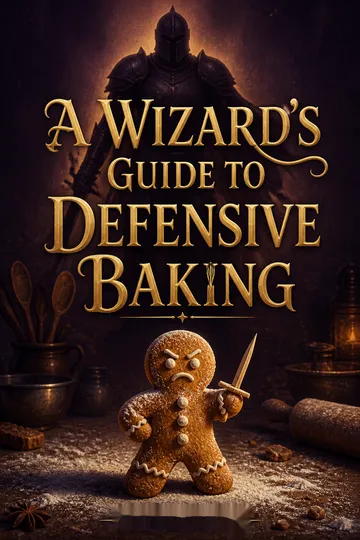
The encounter in the alley sparks something unexpected between Stephen and Grace. Their banter is awkward but genuine, each surprised by the other's vulnerability. Grace's knowledge of scents fascinates Stephen, while his steadfastness offers her a rare sense of safety. They part ways, but the memory lingers—Grace is haunted by the scent of gingerbread that clings to Stephen, and he by the warmth of her laughter. Both are reluctant to admit the connection, wary of hope after so much loss. Their paths, however, are destined to cross again as the city's dangers close in.
Scent of Gingerbread
Grace obsesses over the paladin's scent, trying to recreate it in her workshop. Her friend Marguerite, a spy with secrets of her own, teases out Grace's growing infatuation. Meanwhile, Stephen's routine is disrupted by thoughts of Grace, her presence a spark in his otherwise gray existence. Their mutual longing is complicated by self-doubt and the scars of past betrayals. The city's political tensions escalate with the arrival of the Crown Prince of Charlock, and both Grace and Stephen are drawn into the web of intrigue, their fates increasingly entwined.
Tangled Fates
Grace is chosen to present a perfume to the visiting prince, thrusting her into the city's social and political spotlight. Stephen, assigned as an honor guard, watches over the proceedings with growing unease. The reception is a swirl of ambition, rivalry, and hidden threats. Grace's anxiety peaks as she navigates the treacherous waters of courtly expectations, while Stephen struggles to balance his protective instincts with his growing feelings. Their brief, charged encounters are interrupted by violence—a failed assassination, a dead body, and the discovery of a sinister plot that implicates them both.
Courtly Intrigues
The failed attempt on the prince's life throws the city into chaos. Stephen's quick thinking prevents disaster, but he and Grace are drawn deeper into the investigation. Evidence is planted, and suspicion falls on Grace, whose skills with scent and chemistry make her an easy scapegoat. Marguerite's espionage skills become crucial as she and Stephen race to uncover the truth. The paladins rally around Stephen, their loyalty tested by the city's fear of their power. The Motherhood seizes the opportunity to settle old scores, pushing for harsh justice and threatening to ignite a war.
Perfume and Poison
Grace is arrested for poisoning the Crown Prince, her journals seized as evidence. The trial is a farce, orchestrated by the Motherhood and fueled by political expediency. Stephen, torn between his duty and his heart, risks everything to defend her. Marguerite's true identity and loyalties are called into question, and Grace is forced to confront the ghosts of her past—her failed marriage, her lost apprenticeship, and her fear of abandonment. The paladins' solidarity is both a shield and a liability, as their reputation for violence makes them targets for manipulation.
The Headsman's Shadow
As the trial unfolds, a series of gruesome beheadings terrorizes the city. Stephen discovers the true nature of the killer: not a man, but a monstrous creation—clay-headed golems that possess corpses and leave only severed heads behind. The scent that Grace identified becomes the key to tracking the monsters. The city's authorities, slow to believe, are forced to act as the body count rises. Stephen's battle with one of the creatures nearly costs him his life, and the paladins are pushed to the brink as they confront a threat that is both magical and all too human.
False Accusations
Grace's trial reaches its nadir as her estranged husband Phillip testifies against her, painting her as cold and vengeful. Stephen, unable to contain his rage, nearly succumbs to the battle tide in court, confirming the city's worst fears about the paladins. Both are imprisoned—Grace facing execution, Stephen locked away as a danger to all. Marguerite vanishes, her true motives unclear. In the darkness of their separate cells, Grace and Stephen confront their deepest fears: of being unworthy, of losing everything, of never being loved for who they are.
The Trial Begins
With execution looming, Grace and Stephen are forced to rely on each other as never before. A daring escape—fueled by berserker strength and desperate love—leads them to refuge in an abandoned chapel. There, stripped of all pretense, they finally give in to their feelings, finding solace and passion in each other's arms. Their love is a fragile, defiant act against a world determined to break them. As the city hunts them, the paladins rally to their side, risking everything for loyalty and justice.
Betrayals and Confessions
The true architect of the prince's poisoning is revealed: DuValier, the prince's own envoy, acting on behalf of a rival for the throne. Marguerite, revealed as a master spy with her own hidden past, orchestrates the final moves that expose the conspiracy. The Crown Prince, very much alive, returns to claim justice and clear Grace's name. The Motherhood's zealotry is exposed as self-serving, and the city's fragile peace is restored—at least for now. Grace and Stephen, battered but unbroken, are finally free to choose their own future.
Escape and Pursuit
With the truth revealed, Grace and Stephen return to their lives, forever changed. Marguerite disappears, leaving Grace with the deed to her shop and a note of farewell. The paladins, vindicated but still haunted, find a measure of peace in service and camaraderie. Grace confronts her past when her ex-husband returns, but this time she stands her ground, claiming her independence and her right to happiness. Stephen, still wary of his own darkness, learns to trust in love and the possibility of healing.
Monsters in the Dark
The threat of the clay-headed monsters is not fully vanquished; their creator remains at large, and the city's safety is fragile. The Temple of the Rat, with Grace's help, distributes vials of the monster's scent to other cities, hoping to prevent further horrors. The paladins remain vigilant, their brokenness now a source of strength and empathy. Grace, at last, finds a home and a partner who sees her for who she is, scars and all. Their love is imperfect, but real—a testament to survival and the possibility of grace after ruin.
The Chapel Refuge
In the quiet sanctuary of the chapel, Grace and Stephen find a moment of peace. Their love, forged in crisis, is tender and fierce. They share their fears and hopes, learning to trust each other with their vulnerabilities. The world outside is still dangerous, but together they are stronger. Their union is not a fairy tale, but a hard-won partnership built on mutual respect and understanding. As dawn breaks, they face the future—uncertain, but no longer alone.
Love and Survival
With the city's dangers behind them, Grace and Stephen begin to build a life together. Their relationship is marked by honesty, humor, and the willingness to face their demons. They support each other's work—Grace's perfumes, Stephen's service—and find joy in small things, like knitting socks and sharing quiet moments. The scars of the past remain, but they are no longer wounds. In each other, they find the grace to forgive themselves and to hope for happiness, however imperfect.
The Truth Unmasked
The story ends with the city at peace, the monsters defeated (for now), and justice served. Grace inherits her shop, free at last from the shadows of her past. Stephen, still a paladin without a god, finds purpose in love and service. Marguerite's true identity remains a mystery, but her friendship endures in memory. The paladins, once broken, are healing—slowly, imperfectly, but together. Grace and Stephen, against all odds, have found each other and the possibility of grace in a world that offers little mercy.
Analysis
Paladin's Grace is a story about survival after devastation, the search for meaning in a world stripped of certainties, and the slow, painful work of healing. Through the intertwined journeys of Stephen and Grace, T. Kingfisher explores the aftermath of trauma—how it shapes identity, relationships, and the capacity for hope. The novel subverts traditional fantasy tropes: the paladin is not a flawless hero but a man haunted by loss and fear of his own power; the perfumer is not a passive victim but a woman who claims her agency despite overwhelming odds. The narrative's heart lies in the small acts of kindness and courage that accumulate into redemption: a knitted sock, a shared laugh, the willingness to stand by another in their darkest hour. The monsters—both human and inhuman—are reminders that evil often wears familiar faces, and that justice is a collective, imperfect endeavor. Ultimately, Paladin's Grace is a testament to the resilience of the broken, the necessity of chosen family, and the possibility of grace even when the gods are silent. It is a love story, but also a story about the courage to begin again, to trust, and to find beauty in the ashes of the past.
Review Summary
People Also Read










Characters
Stephen
Once a holy berserker, Stephen is left adrift after the death of his god. His life is defined by loss—of faith, of purpose, of control. He is fiercely loyal, protective, and deeply wounded, struggling with the fear that his power will harm those he loves. His relationship with Grace awakens hope and vulnerability, challenging his belief that he is unworthy of happiness. Through love, he learns to accept his brokenness and to trust in the possibility of healing. His journey is one of self-forgiveness and the rediscovery of grace in the absence of the divine.
Grace Angelica
Grace is a survivor—of poverty, betrayal, and emotional abuse. Her life is built on self-reliance and the fear of losing everything. She is brilliant, creative, and anxious, her sense of smell both a gift and a curse. Her friendship with Marguerite and her love for Stephen force her to confront her deepest fears: of vulnerability, of being unlovable, of never belonging. Through adversity, she claims her own worth and the right to happiness. Her journey is one of self-acceptance and the courage to trust again.
Marguerite
Marguerite is a master of secrets, her true identity hidden even from those closest to her. She is witty, resourceful, and fiercely loyal to Grace, providing both practical support and emotional grounding. Her past is a tapestry of lies and reinventions, but her friendship is genuine. Marguerite's departure is both a loss and a gift, leaving Grace with the means to claim her independence. She embodies the theme of chosen family and the power of friendship to heal old wounds.
Istvhan
Istvhan is Stephen's closest friend among the paladins, a source of humor and blunt wisdom. He copes with trauma through dark jokes and physicality, but his loyalty is unwavering. Istvhan's pragmatic approach to life balances Stephen's introspection, and his willingness to challenge his friend's self-pity is crucial to Stephen's growth. He represents the importance of camaraderie and the possibility of joy even in the aftermath of tragedy.
Zale
Zale is a solicitor-sacrosanct of the Temple of the Rat, dedicated to justice and the defense of the vulnerable. They are sharp, adaptable, and compassionate, guiding Grace through the labyrinth of the legal system. Zale's presence is a reminder that institutions can be forces for good, and that justice is not just a matter of law but of empathy and persistence.
The Bishop (Beartongue)
Bishop Beartongue is the heart of the Temple of the Rat, balancing compassion with shrewdness. She is unflappable, wise, and unafraid to challenge both allies and enemies. Her support is instrumental in saving Grace and Stephen, and her leadership provides a model of ethical authority. She embodies the theme of practical grace—the idea that kindness and justice are not abstract ideals but daily acts of courage.
Phillip
Phillip is Grace's former partner, a perfumer who exploited her talents and undermined her confidence. His testimony at her trial is a final act of betrayal, but his return also provides Grace the opportunity to reclaim her power and assert her independence. He represents the lingering wounds of abuse and the necessity of confronting the past to move forward.
DuValier
DuValier is the prince's envoy, whose apparent friendliness masks a ruthless ambition. His betrayal is a turning point in the story, exposing the dangers of misplaced trust and the complexity of political intrigue. He is a foil to Stephen—outwardly charming but inwardly hollow, his loyalty for sale to the highest bidder.
The Crown Prince of Charlock
The prince is both victim and player in the city's deadly games. His feigned illness and strategic patience reveal a mind as sharp as any blade. His actions force the city to confront its own corruption and the limits of justice. He is a reminder that power is always contested, and that survival often depends on the ability to see through deception.
The Smooth-Faced Man (Clay-Headed Monster)
The golem-like killer is a manifestation of the city's darkest fears—a monster that wears human flesh and leaves only death in its wake. Its presence forces the characters to confront the limits of their own power and the reality that some evils cannot be reasoned with. It is both a literal and metaphorical embodiment of the dangers that lurk beneath the surface of society.
Plot Devices
Dead God and Broken Faith
The death of the Saint of Steel is the inciting trauma that shapes every character's arc. The paladins' struggle to find meaning in a world without their god is both a personal and collective journey. This device allows for deep exploration of grief, identity, and the search for new forms of grace. The absence of the divine also heightens the stakes—without supernatural guidance, the characters must rely on their own flawed humanity.
Scent as Symbol and Clue
Grace's mastery of scent is both her livelihood and her salvation. Scents are used as metaphors for memory, desire, and danger. The unique smell of the clay-headed monsters becomes the key to unraveling the mystery, while the scent of gingerbread symbolizes the unexpected sweetness in Stephen's life. Perfume is both art and science, a means of connection and a weapon in the struggle for justice.
False Accusation and Trial
The trial structure provides a crucible for character development and social commentary. The manipulation of evidence, the use of Grace's journals against her, and the Motherhood's zealotry all serve to critique systems of power and the ease with which the vulnerable can be scapegoated. The courtroom becomes a stage for both personal and political battles, with truth and justice often at odds.
Monstrous Metaphor
The clay-headed monsters are both literal threats and metaphors for the dehumanizing forces at work in the city—corruption, fanaticism, and the legacy of violence. Their ability to possess corpses and mimic humanity speaks to the fear of losing oneself, a theme echoed in the paladins' struggle with the battle tide. The monsters' defeat is partial, a reminder that evil is never fully vanquished.
Found Family and Chosen Bonds
The relationships among the paladins, between Grace and Marguerite, and within the Temple of the Rat illustrate the power of chosen family. In the absence of divine or biological ties, the characters build new bonds through loyalty, humor, and shared struggle. These connections are tested but ultimately endure, offering hope in a world marked by loss.
Foreshadowing and Parallelism
The narrative structure uses foreshadowing—Grace's fear of losing everything, Stephen's dread of the tide—to build tension and deepen emotional resonance. Their journeys parallel each other, each learning to trust and to forgive. The resolution of the external threat mirrors their internal healing, suggesting that grace is found not in perfection, but in the willingness to begin again.
About the Author
Other books by T. Kingfisher








Download PDF
Download EPUB
.epub digital book format is ideal for reading ebooks on phones, tablets, and e-readers.








































