
Plot Summary
Sigils and First Blood
Kallum Locke, haunted professor and chaos magician, stands at the edge of his own abyss when he collides with Halen St. James, a criminologist, on a dark university campus. Their meeting is marked by violence: Halen is attacked, and together they kill her assailant, Professor Wellington. The act is both traumatic and intimate, binding them in blood and secrecy. Kallum, obsessed and inspired, performs a ritual to make Halen forget, but the connection between them is already indelible. This night sets the stage for a story of obsession, trauma, and the search for meaning in darkness, as two broken souls find in each other both salvation and damnation.
The Muse Awakens
Six months later, Halen's memories begin to return, triggered by a totem from the crime scene. She is drawn back into the Harbinger serial killer case, haunted by flashes of violence and the enigmatic presence of Kallum. The lines between victim, investigator, and perpetrator blur as she confronts her own capacity for violence and the seductive pull of Kallum's darkness. The case, the town of Hollow's Row, and her own psyche become a labyrinth of secrets, guilt, and longing. Halen's journey is not just about solving murders, but about reclaiming her fractured self and understanding the true nature of her connection to Kallum.
Memory's Violent Return
As Halen and Kallum are drawn deeper into the investigation, the town's secrets unravel. Interrogations reveal the presence of a cult-like society, body modifications, and a hierarchy of followers. Halen's own trauma resurfaces, mirrored in the pain of others. The lines between justice and vengeance blur as she realizes her own complicity in the violence. Kallum's protective obsession intensifies, and their relationship becomes a dance of dominance, submission, and mutual destruction. The investigation is as much about the monsters within as the ones they hunt.
Rituals of Desire
Kallum and Halen's relationship explodes into physical and emotional intensity. Their passion is laced with violence, fear, and the thrill of the forbidden. They push each other to the brink, exploring the boundaries of pleasure and pain, dominance and surrender. The rituals they perform—both sexual and occult—become a means of exorcising trauma and forging a new identity. Yet, beneath the ecstasy, the threat of self-destruction looms. Their love is both a sanctuary and a curse, a place where they can be fully seen and utterly lost.
Shadows and Confessions
The investigation uncovers a hidden torture chamber, evidence of ritualistic killings, and the involvement of trusted townspeople. Halen and Kallum are forced to confront the darkness in themselves and each other. Confessions are made—of past violence, of complicity, of the inability to let go. The shadows of their pasts threaten to consume them, but in sharing their pain, they find a fragile hope. The cost of truth is high, and both must decide what they are willing to sacrifice for love, justice, and survival.
Pleasure and Pain Intertwined
Halen and Kallum's relationship reaches new heights of intensity, blending pleasure and pain, love and violence. Their encounters are cathartic and destructive, a way to reclaim agency in a world that has stripped them of control. Yet, the guilt of their actions—past and present—haunts them. The investigation closes in on the true perpetrators, but the real battle is within: can they forgive themselves, or will their love be another form of self-punishment?
Cages of Guilt
The discovery of a hidden chamber and evidence of torture forces Halen and Kallum to confront the reality of the crimes committed in Hollow's Row. The town's leaders are implicated, and the web of complicity grows. Halen is torn between her duty to the victims and her loyalty to Kallum. The metaphorical and literal cages they inhabit—guilt, trauma, obsession—threaten to close in. The only way out is through confession, acceptance, and the willingness to destroy the evidence that binds them to the past.
Alchemy of Monsters
The investigation reveals the true nature of the cult: a desperate attempt to escape death and suffering through ritual and sacrifice. Devyn, the priestess, is dying, and her quest for transcendence is both tragic and monstrous. Halen and Kallum see themselves reflected in the cult's alchemy—the desire to transform pain into meaning, to become something more than human. But the cost is high: innocence is lost, and the line between victim and monster is erased. In the end, love and violence are two sides of the same coin.
Iceberg of Truths
Halen's investigation into the cult and her own past leads to the revelation of hidden motives and buried trauma. The iceberg model of the psyche becomes a metaphor for the story: what is visible is only a fraction of the truth. The real drivers are unconscious—guilt, grief, desire, and the need for connection. As Halen uncovers the truth about the murders, the cult, and her own actions, she must decide whether to embrace the darkness or fight for the light.
Forces Collide
The various forces at play—law enforcement, the cult, personal demons—collide in a violent confrontation. Betrayals are revealed, alliances shift, and the true nature of the enemy is exposed. Halen and Kallum are forced to choose between self-preservation and sacrifice, between love and justice. The breaking point is reached, and the consequences are irreversible. The only way forward is through destruction and rebirth.
Doomed by Obsession
A violent crash—literal and metaphorical—shatters the fragile equilibrium. Halen and Kallum are separated, and the threat of loss becomes real. The price of obsession is paid in blood and pain. Yet, even in the face of doom, their connection endures. The story becomes a meditation on the inevitability of suffering, the beauty of fleeting moments, and the hope that love can survive even the darkest fate.
Primal Man Unleashed
Kallum's primal nature is unleashed as he hunts Halen through the marsh, a pursuit that is both terrifying and erotic. The chase becomes a metaphor for their relationship: predator and prey, dominance and surrender, fear and desire. In the end, Halen surrenders not out of weakness, but out of trust. Their union is both a consummation and a transformation, a merging of darkness and light.
Dual Flames, Dual Fates
Halen and Kallum's relationship reaches its apotheosis: a union of dual flames, two halves made whole through pain, pleasure, and acceptance. They confess their darkest truths, forgive each other, and embrace the reality that they are both monsters and lovers. Their love is not a cure, but a way to survive the madness together. The story becomes a meditation on the necessity of embracing the shadow, of finding beauty in the brokenness.
The Darker Side
Halen confronts her shadow self, the part of her capable of violence and vengeance. Through Jungian psychology and the metaphor of the gnarled trees, she comes to accept that darkness is a part of life, not something to be denied or destroyed. Choosing to live means choosing to embrace both the pain and the pleasure, the guilt and the hope. The story is not about redemption, but about integration.
Pursuit and Sacrifice
The climax arrives as Halen and Kallum face the cult, the law, and their own demons. Sacrifices are made—of innocence, of safety, of the past. Devyn's death, the exposure of the cult, and the destruction of evidence allow Halen and Kallum to escape, but not unscathed. The pursuit is over, but the scars remain. The only way to survive is to accept the cost and move forward together.
Nights in White Satin
In the aftermath, Halen and Kallum attempt to build a life together. The investigation is closed, the town returns to uneasy normalcy, and the lovers find solace in each other's arms. Yet, the past is never truly gone. Healing is a process, not a destination. The possibility of peace exists, but only if they continue to choose each other, day after day, in the face of darkness.
Moth to a Flame
The final secrets are revealed: Kallum was the Harbinger, orchestrating murders to save Halen from her own self-destruction. The story comes full circle as Halen uncovers the truth, confronts Kallum, and chooses to stay. Their love is both the cause and the cure, the poison and the antidote. The moth is drawn to the flame, not out of ignorance, but out of a need to feel alive.
Dark Matter, Bright Hope
Years later, Halen and Kallum have built a life together, scarred but whole. They continue to chase darkness, to solve crimes, to find meaning in suffering. The story ends not with a happily ever after, but with the promise of hope: that even in the darkest matter, there is light. Their love is a testament to the power of embracing the shadow, of finding beauty in the broken, and of choosing each other, again and again.
Analysis
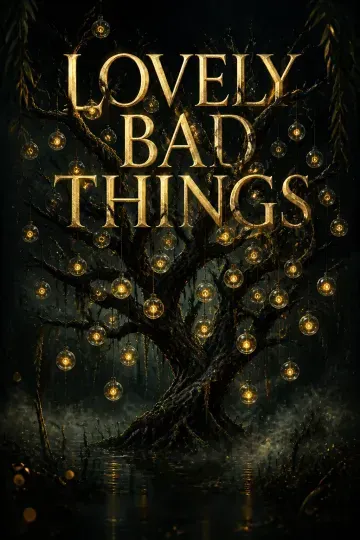
A modern gothic meditation on trauma, obsession, and the alchemy of loveLovely Wicked Things is a dark, erotic, and psychologically rich exploration of what it means to survive trauma, to love in the face of destruction, and to find meaning in suffering. Through the intertwined stories of Halen and Kallum, the novel interrogates the boundaries between victim and perpetrator, sanity and madness, pleasure and pain. The use of occult symbolism, ritual, and myth elevates the personal to the universal, suggesting that the search for wholeness is both an individual and a collective journey. The story refuses to offer easy redemption or closure; instead, it insists that healing is a process of integration, of embracing the shadow as well as the light. The lesson is not that love conquers all, but that love—when it is honest, fierce, and accepting—can make even the darkest suffering endurable. In a world where everyone carries a shadow, the only way forward is to find someone who will walk with you through the night, who will see you in your brokenness and call you lovely.
Review Summary
Lovely Wicked Things concludes the Hollow's Row trilogy with mixed reviews. Many praise the intricate plot, philosophical depth, and intense romance between Kallum and Halen. Readers appreciate the dark themes, plot twists, and character development. Some find the philosophical content overwhelming or confusing. The book's complexity and dark elements divide readers, with some loving the intense, twisted narrative and others finding it difficult to follow. Overall, fans of dark academia and psychological thrillers seem most satisfied with the series' conclusion.
People Also Read
Characters
Kallum Locke
Kallum is a professor of occult philosophy, chaos magician, and the secret Harbinger killer. His life is defined by obsession, trauma, and a desperate need for meaning. He is both protector and predator, lover and monster. His relationship with Halen is the axis of his existence: she is his muse, his salvation, and his damnation. Psychologically, Kallum is a study in duality—capable of great tenderness and horrific violence, driven by a need to feel alive and to save Halen from herself. Over the course of the story, he moves from manipulator to partner, learning to accept his darkness and to love without destroying.
Halen St. James
Halen is a criminologist and profiler, marked by the loss of her parents and her own capacity for violence. She is both victim and perpetrator, haunted by guilt and driven by a need to understand the darkness within herself and others. Her relationship with Kallum is transformative: he awakens her shadow, but also offers her a way to survive it. Halen's journey is one of integration—accepting her pain, her rage, and her desire, and learning to live with them rather than be destroyed by them. She is both the moth and the flame, drawn to danger but capable of choosing life.
Devyn Childs
Devyn is the leader of the cult in Hollow's Row, driven by terminal illness and a desperate need to escape death. She is both victim and perpetrator, her rituals a means of finding meaning in suffering. Devyn's relationship with Halen is complex: she is both a mirror and a warning, showing what happens when the search for transcendence becomes monstrous. Her death is both a tragedy and a release, a final act of agency in a world that has denied her control.
Agent Rana
Agent Rana is the lead investigator, caught between the demands of justice and the realities of bureaucracy. She is both ally and obstacle to Halen and Kallum, willing to bend the rules to achieve results but wary of the darkness she sees in them. Rana's role is to force the protagonists to confront the consequences of their actions, to ask whether the ends justify the means.
Detective Riddick
Riddick is a member of the cult, complicit in the town's crimes and driven by his own obsessions. He is both a reflection and a foil for Kallum, showing what happens when violence is unchecked by love or conscience. His death is a necessary sacrifice, a reminder that not all monsters can be redeemed.
Dean Emmons
Emmons is the other half of the cult's leadership, driven to madness by loss and the need to protect Devyn. His sacrifices are both tragic and horrific, showing the dangers of unchecked obsession. Emmons is a warning: love without boundaries becomes destruction.
Mrs. Lipton
Mrs. Lipton represents the town's complicity, the willingness to look away from evil in the name of tradition and status. She is both victim and perpetrator, her actions driven by fear and the need to maintain control. Her story is a reminder that evil thrives in silence.
Agent Hernandez
Hernandez is Halen's partner in the investigation, providing a grounding presence and a counterpoint to Kallum's chaos. He is both a friend and a potential threat, his loyalty tested by the darkness he uncovers. Hernandez's journey is one of acceptance: learning to trust Halen's judgment, even when it leads into the shadows.
Dr. Keller
Dr. Keller is assigned to monitor Kallum, representing the limits of psychiatry and the dangers of trying to control what cannot be contained. She is both a witness and a bystander, unable to intervene in the true drama unfolding between Halen and Kallum.
Percy Wellington
Wellington is the initial victim, the man whose death binds Halen and Kallum together. He is both innocent and guilty, a man whose own crimes set the stage for the story's violence. Wellington's role is to show that justice is never simple, and that the line between victim and perpetrator is always blurred.
Plot Devices
Dual Narrative and Unreliable Memory
The story is told through alternating perspectives—primarily Halen and Kallum—allowing the reader to experience both the external investigation and the internal psychological drama. Memory is unreliable, with key events hidden, repressed, or distorted until the truth is finally revealed. This device creates suspense, ambiguity, and a sense of inevitability, as the characters (and the reader) are forced to confront the reality of their actions and desires.
Ritual and Symbolism
Rituals—both sexual and occult—are central to the story, serving as metaphors for transformation, integration, and the search for meaning. Alchemical symbols, sigils, and references to Greek mythology and philosophy provide a rich tapestry of meaning, connecting the personal to the universal. The use of the moth, the ouroboros, and the philosopher's stone are recurring motifs, representing the cycle of destruction and rebirth, the merging of opposites, and the quest for transcendence.
Foreshadowing and Circular Structure
The story is structured as a circle, with the ending echoing the beginning. Foreshadowing is used throughout—through letters, dreams, and symbolic acts—to create a sense of fate and inevitability. The characters are caught in a cycle of violence and redemption, doomed to repeat their mistakes until they learn to accept themselves and each other.
Psychological Analysis and Self-Reflection
The narrative is deeply psychological, with frequent references to Jung, Freud, and Nietzsche. The characters are engaged in a process of self-analysis, confronting their shadows, integrating their pain, and seeking wholeness. The story is as much about the internal journey as the external plot, with the investigation serving as a metaphor for the search for self-understanding.
Scapegoating and Moral Ambiguity
The device of the scapegoat is central: crimes are pinned on others, evidence is destroyed, and the line between justice and self-preservation is blurred. The characters are forced to make impossible choices, sacrificing innocence for survival, love for truth. The story refuses easy answers, insisting that morality is always ambiguous and that redemption is found not in purity, but in acceptance.
Hollow's Row Series
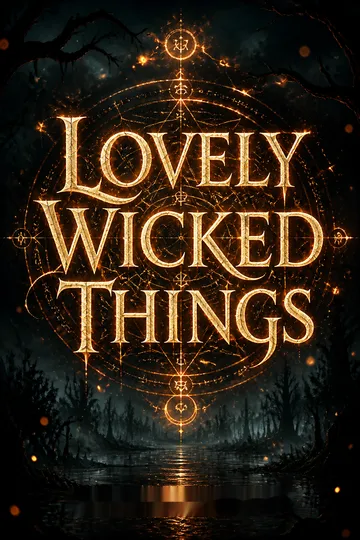
About the Author
Other books by Trisha Wolfe


Download PDF
Download EPUB
.epub digital book format is ideal for reading ebooks on phones, tablets, and e-readers.








































