
Plot Summary
Terminal Girls and Stories
Rae is a terminally ill young woman drifting through life in a hospital. Her younger sister Alice, vibrant and bookish, is her anchor—especially through their mutual obsession with the "Time of Iron" series, an epic fantasy full of grim destinies, ruthless heroes, and tragic villainesses. Their bond grows deeper as Alice reads the books aloud, blending fiction with the painful reality of Rae's illness. The sisters debate the nature of fictional evil and heroism, finding catharsis and purpose in shared stories. But beneath the playful banter and literary analysis, Rae feels her time slipping away, haunted by mortality and desperate for meaning. Their favorite stories become both refuge and battleground—a space where love, fear, and defiance intermingle, and where the ending is far from certain.
Proposition From a Stranger
Rae, resigned to the slow departure from her own life, is visited by a mysterious woman offering a miraculous choice: to journey into the fictional realm of Eyam and steal the Flower of Life and Death, a magical bloom able to cure her real-world cancer. The catch: she must inhabit the infamous villainess Rahela's body, with her fate sealed for execution. It's a wager that plays on longing and despair, but also a spark of agency—does believing in stories grant them power over reality? Faced with the unknown, Rae clings to her cynicism, yet the chance to seize her story proves irresistible. As she passes through a shimmering portal, the ambiguous line between fiction and life blurs, and Rae plunges—half-willing, half-despairing—into a narrative written in blood, longing, and consequence.
Evil Union Initiation
Waking as Lady Rahela, Rae finds herself in impending peril—a locked room, treacherous courtiers, and a prophesied execution. She swiftly enlists her reluctant maid Emer and mercenary bodyguard Key, forming an unlikely "union of evil" bound by a forbidden blood oath. None trust each other, trauma and old wounds just beneath the surface, but they are united by necessity against the world—and the narrative—that seeks their doom. Rae harnesses quick wit and ruthless pragmatism to corral her minions, while Key's lethal skills and Emer's acerbic intelligence become indispensable. The formation of their pact is not just survival, but a reimagining of villainy—a messy camaraderie forged in betrayal and hope, ambition and self-loathing, as they plot to change the ending the world has reserved for people like them.
Deceptions and Blood Oaths
Rae quickly learns that the systems of power in Eyam—court intrigue, magical artifacts, divine prophecies—are just as rigged as in her hospital-bound reality. Threatened with public execution, Rae boldly bluffs prophetic visions, dazzling the king and ministers with invented revelations and conveniently timed predictions. Her audacious performance moves her from death-row villain to "holy prophet," but at a price: the entire palace now watches her every move, allies and assassins alike. She's cast herself as a disruptor, but each lie tightens old traps and creates new ones. Meanwhile, forbidden oaths and emergent friendships disrupt the strict boundaries of loyalty and self-preservation. In this world, authenticity and deception coil like snakes, until it's unclear which is the more dangerous game.
Seduction of the Spymaster
To achieve her goal of stealing the life-saving flower, Rae seeks out the infamous Golden Cobra—a dazzling, enigmatic spymaster whose theatrical persona cloaks desperate ambition. To her shock, she discovers he too is from the "real world," remade within the story by fighting, scheming, and rewriting his own role. Their meeting is electric: a dance of reveals, mutual suspicion, and the aching hope that they can rewrite destiny together. Yet even in alliance, secrets curdle—loyalties are transactional, and past betrayals threaten future survival. Their partnership is cemented by mutual need, cleverness, and the lingering terror that neither will escape the story's fatal pull. The alliance of two real-world outsiders marks a turning point: evil is unionized—and all bets are off.
Dealings, Masks, & Alliances
As Rae schemes for survival, she navigates a world obsessed with beauty, worth, and inheritance. Contestants vie in deadly competitions for the king's hand and public favor, while monsters—both literal and metaphorical—stalk the narrative. Rae's bond with Key deepens, complicating her dismissive view of love, and she navigates complex rivalries with Lady Lia, the not-so-helpless heroine. Ballrooms become battlegrounds; dances, acts of defiance. Alliances form and fracture under the relentless pressure of doomed fates and shifting affections. Feminine identity, agency, and vulnerability are scrutinized by the cruel gaze of court and story alike. Underneath it all, Rae—and the villains—start to wonder: can they choose what they become, or are they here only to be sacrificed?
Schemes, Prophets, and Enemies
Rae's "prophetic" status brings both power and peril. Every move is shadowed by enemies—spymasters who want to exploit her, ministers desperate to discredit her, and a merciless king who alternates between fascination and violence. Her every gambit is a tightrope walk between survival and exposure. Collateral damage accumulates: servants dead, alliances unraveling, the wrong people falling in love. The villain's guidebook offers little, and Rae's improvisations grow increasingly desperate as the stakes rise. Even invented truths create ripples, as story and reality start to bleed together. For real-world Rae, the cost of each lie and alliance is becoming literal, as the deadline for the flower—and life itself—draws near.
Ballads and Barbed Dances
The anticipated royal ball becomes a crucible where antagonists and allies collide. Rae and the Cobra set the palace ablaze with a scandalous, subversive performance—a "villain song" that mocks the story's good-vs-evil binary, casting a spell of laughter and fire. But the merriment barely masks looming threats: assassins strike, traitors unmask themselves, and the king's wrath grows both unpredictable and deadly. Rae can taste the flower's promise, yet every step toward survival betrays someone—her minions, her own principles, or truths she cannot stomach. Amid seduction and spectacle, even triumph comes with a bitter edge: victories are fragile, and evil's "winning" may still be its own defeat.
Queens, Monsters, and Masks
At the grand Queen's Trials, deadly fantasy beasts are unleashed, and only violence or cunning can ensure survival. Rae and her companions must fight not just for lives, but for meaning against a backdrop of spectacle and blood. Allies become enemies, enemies become kin—old lines are obliterated by necessity and revelation. As the heroine Lia risks everything to fight her own battle, Rae must decide what kind of villain she will be: destroyer, betrayer, or someone who creates space for hope. The outcome of the Trials opens old wounds and exposes new lies, transforming every character's relationship to fate, justice, and each other. Sacrifice, deception, and self-forgiveness crash together in the arena.
Decisions In A Burning World
As war and invasion descend on Eyam, the boundaries between free will and orchestrated doom blur. Rae's interventions spiral out of control as unintended consequences ignite battles, destroy cities, and shatter destinies. Her attempts to fix the story only deepen the wound—both in the land and in herself. Bonds of sisterhood, loyalty, and love are tested to their breaking points. The "price" of altering fate is paid in blood, loss, and grief, as characters reckon with the cost of agency. The Flower of Life and Death—so long pursued—offers hope and horror alike: to claim it may mean betraying everything she's come to love.
The Last Betrayal
Rae's relentless focus on escape comes at a steep price: Key—her closest ally and a would-be Emperor—perishes because of her schemes and self-centered gambits. The cost of villainous "winning" is unbearable loss, and Rae is forced into an agonizing recognition: evil's triumph leaves only ashes. Her power has been both her weapon and her undoing, severing trust, love, and even the meaning she once found in being the "main character." Redemption and regret are locked in battle, as Rae mourns too late the destroyed futures and the death of the only one who truly believed in her.
The Emperor Ascends
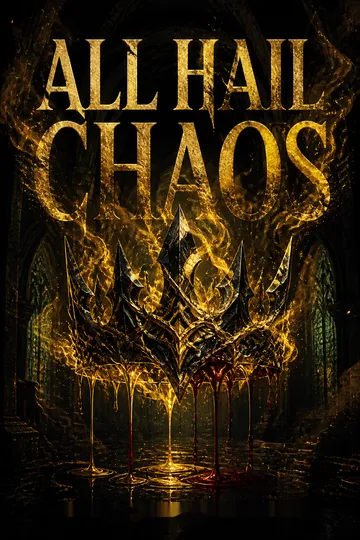
Cast into despair, Rae becomes the catalyst for the true Emperor's awakening—not Octavian, but Key, resurrected from doom in wrath and blood. The prophecy is fulfilled in the worst way: not a romance, but apocalypse. An army of the dead sweeps the city, and the world darkens under the crown of the forsaken. Rae, broken and powerless, is forced to confront her own failures and the monstrous consequences of her actions. Fate cannot be tricked; stories exact their price. Tragedy takes its full bite—catharsis, but not comfort.
Aftermath: Broken Pieces
In the wake of devastation, Remnants of Rae's found family—Emer, Lia, the Cobra, and Marius—cling to one another amid heartbreak. Grief and guilt consume them, but within the wreckage, seeds of compassion, forgiveness, and new kinship struggle up through the blood-soaked soil. Absolution is impossible, but survival, empathy, and even love may endure. The survivors are irreparably changed, yet their stories go on. The narrative's focus shifts from destiny to reconstruction—from "winning" to healing.
Fate, Choice, & Escape
As the ruined kingdom staggers toward an ambiguous dawn, Rae faces her final choice: to stay and fight for the world she has hurt, or to walk away through the open door, leaving behind both her victories and her tragedies. The curtain falls before we see her decision made real, leaving the story's world delicately balanced between hope and despair, retribution and redemption. The villain's journey has reshaped everyone it touched—villain, hero, side character, sister alike. The song of evil goes on—haunted, defiant, and unfinished.
Analysis
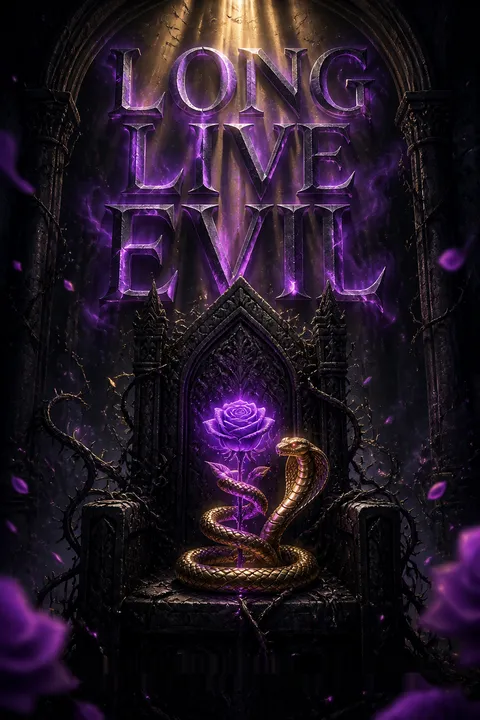
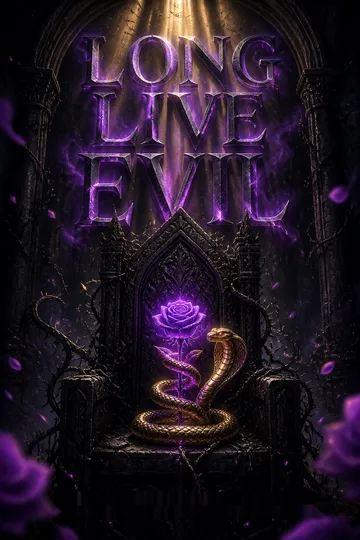
Long Live Evil is a blisteringly self-aware fantasy that transforms the "villainess isekai" genre into a contemplation of agency, complicity, and the monstrous price of rewriting fate. Weaving together metafiction, sibling devotion, trauma analysis, and razor-edged humor, the novel interrogates its own genre conventions—is evil a choice or an inevitability? Are we doomed by the narratives we inherit, or can we create our own meaning even in opposition to the rules? Ultimately, Brennan posits that stories matter because people make each other real through the act of belief, love, and storytelling itself. Yet the novel is ruthless about the cost—every attempt at self-determination leaves wounds, and sometimes healing one destiny means breaking another. The book's final anguish comes from the recognition that, while evil can "win," it does so at the expense of connection, hope, and the very thing that made the villain's yearning so compelling in the first place. Long Live Evil is thus both a caution and a comfort: if stories are powerful, so is the responsibility to use that power with humility, care, and—above all—a willingness to keep reaching for grace even from the heart of darkness.
Review Summary
Reviews for Long Live Evil are polarizing, averaging 3.84/5. Fans praise its campy, meta humor, clever subversion of fantasy villain tropes, and emotional depth rooted in the protagonist's cancer journey. Many found it wickedly entertaining with compelling characters like Key and the Golden Cobra. Critics, however, cite poor pacing, outdated humor resembling early 2010s internet culture, excessive modern slang jarring against the fantasy setting, underdeveloped characters, and heavy-handed exposition. Some DNF'd early, while others were won over by the midpoint. Most agree the ending is strong and anticipate the sequel.
People Also Read
Characters
Rae / Lady Rahela
Rae is a terminally ill woman whose escape into fiction becomes literal as she inhabits the body and doom of Lady Rahela, the notorious villainess of Eyam. Smart, sarcastic, and painfully self-aware, Rae's "villainy" is rooted in self-defense, desperation, and the knowledge of impending death. Her relationships with Key, Emer, the Cobra, and Lia are fraught with betrayal, longing, and the ever-present uncertainty of what is real. Rae's psychoanalytic journey is from cynical detachment to the agony of connection; her need for control, power, and meaning make her both destructive and sympathetic. She is driven by the terrifying fear of nonexistence—and love for her sister—into reckless action, transforming the narrative even as she is ultimately transformed, and left shattered by her choices.
Key / Emperor
Key is the "villainous" bodyguard from Eyam's gutters, at once mercenary, tender, and haunted by a traumatic past of abandonment and abuse. He is both Rae's first ally and, unbeknownst to her, the protagonist fated to become the true Emperor, born of gods and the abyss. Endowed with otherworldly power and strange healing, Key's loyalty is fierce but fragile, rooted in a desperate yearning for acceptance and belonging. His crush on Lia—an obligatory subplot—highlights his perpetual role as an expendable minor character, always ready to die for someone else's story. Psychoanalytically, Key is the outsider whose self-hatred becomes self-fulfilling prophecy; his final transformation into the Emperor is both a tragic apotheosis and punishment for the world's neglect and Rae's betrayal.
Alice / Lady Lia
In the real world, Alice is Rae's beloved sister; in Eyam, her analogue is Lady Lia—the paragon for whom stories are written, beautiful, pure, and self-effacing. But beneath Lia's luminous virtue is a cunning survivor who weaponizes powerlessness and adapts to danger, ultimately subverting the image of the helpless good woman. Her psychoanalytic arc involves rejecting passivity to claim agency, and choosing forgiveness and love even when repeatedly betrayed. Lia's bond with Rae/Rahela is both fraught and redemptive, echoing the complexities of sisterhood: rivalry, guilt, and the aching desire to matter. Lia's journey is a mirror for Rae's own, each shaping and haunted by the other.
Emer / Iron Maid
Emer is Rahela's maid, marked by a literal stain on her face and a lifetime of deprivation and marginalization. Her loyalty to Rahela has twisted into rage and eventual violence—she is predestined to become the Iron Maid, notorious killer. Emer is acerbic, skeptical, and desperately hungry for respect and agency, torn between envy, love, and fear. Her relationship with Rahela is the psychological core of Emer's development, encapsulating the pain of servitude, betrayal, and the possibility (however slim) of chosen kinship. Emer's psychoanalysis revolves around the need for recognition countenanced by repeated abandonment and the danger of believing in hope.
The Cobra (Eric)
The Golden Cobra is an improvisational genius from the real world, self-written into the Time of Iron series as a dazzling, gender-nonconforming spymaster, libertine, and owner of the city's infamous brothel. Underneath the theatricality and irreverence lies a bruised and vulnerable heart—a boy who risked everything for survival and found himself chained to the fate of the narrative. The Cobra's relationship with Marius is based on blackmail, codependency, and eventually a broken attempt at love and loyalty. His psychoanalytic core is the existential anxiety of being unreal, the terror of irrelevance, and the desperate hope that friendship can rewrite destiny, even as old cruelty dooms him.
Octavian (King)
Octavian appears at first to be the handsome, charismatic center of prophecy and romance—the seemingly destined emperor. His manipulations, insecurities, and moral emptiness, however, unravel the traditional "hero" archetype: he is a bundle of unhealed wounds, desperate for adoration and incapable of recognizing others as real. Psychoanalytically, he is charisma weaponized, a lesson in the dangers of unchecked power and aggrieved narcissism. His relationship with Rae/Rahela is transactional, violent, and ultimately hollow; only when Key replaces him as Emperor does the story's true protagonist emerge.
Marius Valerius / Last Hope
Marius is the Last Hope—a man so strictly bound by oaths, honour, and fear of his own potential for violence that he is emotionally frozen and socially isolated. He is the classic "righteous" hero, but is undone by trauma, remorse, and the limitations of narrative expectation. His psychoanalytic arc pivots on self-forgiveness, the realization that monstrousness and kindness coexist, and the peril and necessity of choosing love. His relationship with the Cobra is the emotional heart of the palace's web of secrets, blackmail, and uneasy transcendence.
Princess Vasilisa
At first a detested "plain" rival, Vasilisa is quickly revealed to be practical, clever, and emotionally direct—less passive than the story's machinery requires, more capable than anyone expects. Her romance with Lord Fabianus subverts both Eyam's and the narrative's expectations—her journey interrogates what it means to choose happiness over glory and to reject inherited roles in favor of authentic connection.
Lord Fabianus Nemeth
Fabianus, long dismissed as the family failure because of disinterest in war and martial virtue, reveals depths of love, humor, and quiet strength. His romance with Vasilisa is a radical act of choosing joy over the "right" destiny. He psychoanalytically represents the "minor character" made essential—the possibility of a happy ending sidestepping the blood-soaked main plot.
The Oracle
The Oracle is ancient, cryptic, and ultimately a narrative device as much as a person. She speaks to the tragic underpinnings of the world—prophecy as hunger, truth as punishment, and the inevitability of disaster. She is the boundary between fate and hope, pointing all characters toward inevitable suffering—and sometimes, the glimmers of wisdom that can only be extracted at great personal cost.
Plot Devices
Metafictional Reality-Bending
The novel is drenched in self-aware narrative mechanics: Rae and the Cobra are outsiders who "know" the story and attempt to bend its rules, invoking reader expectations, tropes, even fan debates. This metafictionality allows for humor and pathos while creating a pervasive anxiety—knowledge of the plot is both weapon and curse, evoking questions about predestination, authorial power, and the tragedy of self-aware villainy. The narrative transforms agency into a problem: as the protagonists try to escape or rewrite doom, their actions unleash disaster, reminding us of the danger and necessity of stories themselves.
Prophecy and Foreshadowing
Rae's string of faked prophecies, which come true against all odds, is both a survival tactic and a meditation on the self-fulfilling nature of narrative—belief and utterance become reality, reinforcing the terrifying power (and slipperiness) of stories. This destabilizes both plot and reader: any "given" can be subverted, every promise a potential trap.
Blood Oath as Psychological Contract
The forbidden blood oaths formed among the "villains" (Rae, Key, Emer) are not just plot devices, but symbols of the desperate hunger for kinship, the fear of abandonment, and the dangerous cost of chosen family. The blood oath confers both supernatural and emotional stakes—loyalty forged in pain, trust devoured by selfishness, and the perpetual risk of betrayal.
Narrative Doubling/Mirroring
The intertwining of Rae-and-Alice/Rahela-and-Lia, and the thematic echoes across "real" and "fictional" worlds, reinforce the idea that all stories are scripts in which everyone is both protagonist and background. Characters' attempts to escape their "assigned" roles or re-inhabit new ones is an engine of both tragedy and transformation.
Subversive Romance & Gender
The book consistently interrogates romance tropes—a triangle in which all possibilities are fatal or doomed. Characters are aware of the danger of "being loved" by stories, and the coded punishments for female villainy, beauty, and agency. Gender is both mask and weapon, and loving the wrong way is frequently the most transgressive act possible.
Time of Iron Series Series
Download PDF
Download EPUB
.epub digital book format is ideal for reading ebooks on phones, tablets, and e-readers.








































