
Plot Summary
Winter's Bitter Pursuit
In the frozen Russian wilderness, Captain Laurence and his dragon Temeraire pursue the remnants of Napoleon's army, desperate to prevent his escape across the Berezina River. The landscape is littered with suffering—starving dragons, dying men, and the relentless cold. The British and Russian forces are united by a single hope: to end the war by capturing Napoleon. Yet, as they race against time and hunger, the cost of war weighs heavily on both man and dragon, and the line between enemy and victim blurs in the snow.
Gold, Grief, and Politics
Napoleon slips through their grasp, but Temeraire and Laurence capture his treasure wagon, a hollow consolation. The gold brings both respect and suspicion from their Russian allies, who question Temeraire's motives. Meanwhile, Laurence receives word of his father's death, stirring guilt and reflection on his own choices and the burdens of honor. The war's end seems distant, and the politics of dragons and men—who is valued, who is not—become ever more tangled as the armies regroup in Vilna.
Feast of Fellowship
Temeraire, frustrated by the neglect of dragons in the aftermath of battle, organizes a feast for his fellow beasts. The event, blending Russian, British, and feral dragons, becomes a rare moment of camaraderie and pride. Temeraire's leadership and generosity are recognized, but the underlying hunger and uncertainty remain. The feast is both a celebration and a reminder of the dragons' precarious place in human affairs, as alliances shift and the next campaign looms.
Letters and Duels
Letters from home and abroad bring news of war, love, and the fate of Temeraire and Iskierka's egg, now a political pawn. Social tensions in Vilna escalate when Laurence is insulted at a party, leading to a duel that nearly costs him his life. The incident exposes the fragility of honor and the dangers of pride, as well as the deep bonds between Laurence and his crew, who risk everything to save him. The duel's aftermath leaves scars both physical and emotional.
Honor's Price
Laurence recovers from his duel, but the household where he convalesces becomes a microcosm of the war's chaos: rival suitors, cultural misunderstandings, and the ever-present threat of violence. Temeraire's efforts to reunite a Prussian dragon with its captain succeed, but at the cost of a treasured piece of gold. The episode underscores the sacrifices demanded by loyalty and the unpredictable consequences of even the best intentions.
Reunion and Sacrifice
The reunion of Dyhern and Eroica brings hope and a surge of Prussian dragons to the allied cause. Yet, news arrives that Lien, Temeraire's nemesis, threatens their egg in China. Temeraire faces an agonizing choice: pursue the egg or stay with Laurence. Ultimately, he entrusts Laurence to Eroica's care and sets out alone, embodying the painful sacrifices required by love and duty in a world at war.
Temeraire's Ordeal
Alone, Temeraire endures starvation, betrayal by humans, and a near-fatal trap. Rescued by Tharkay, he learns that the egg has been taken west, not east. The journey becomes a test of endurance and trust, as Temeraire must rely on unlikely allies and his own resilience to continue the pursuit, haunted by the specter of loss and the relentless demands of war.
Alpine Ambush
Temeraire, Laurence, and their allies set an ambush in the Alps, hoping to intercept the egg. Instead, they are caught in a French trap, outnumbered and outmaneuvered. The confrontation reveals the cunning of Lien and the lengths to which Napoleon will go to secure his legacy. The allies are captured, and the egg remains out of reach, deepening the sense of desperation and the complexity of the conflict.
Prisoners of Ambition
Imprisoned in the heart of Napoleon's dragon breeding grounds, Laurence, Temeraire, and their companions witness the scale of the French aerial program. The sheer number of eggs and the diversity of breeds signal a new era of warfare. The prisoners are both honored and manipulated, their presence used to legitimize Napoleon's vision of a world where dragons are central to power. The lines between friend and foe, captor and captive, blur in the shadow of ambition.
Thrones and Alliances
At Fontainebleau, the political chess game intensifies. The Empress Anahuarque, Talleyrand, and other power players maneuver for advantage, while Temeraire and Iskierka struggle to protect their egg and their captains. Junichiro's betrayal is revealed, and the true stakes of the war—dynasty, alliance, and the future of dragons—come into focus. The personal and the political are inseparable, and every choice carries the weight of nations.
The Price of Loyalty
Used as pawns in Napoleon's grand design, Temeraire and Laurence must decide where their loyalties lie. The promise of dragon rights and the reality of manipulation force them to confront uncomfortable truths about their allies and themselves. Temeraire's sense of justice and Laurence's honor are tested as they navigate a world where loyalty is both a weapon and a vulnerability.
The Battle for Berlin
The campaign moves to Berlin, where the allied dragons, including Prussian, Russian, and British forces, face Napoleon's growing aerial might. The battle is chaotic and costly, with discipline and unity strained by old resentments and new temptations. Temeraire's leadership is challenged, and the outcome hangs on the ability of dragons and men to overcome their differences and fight as one.
Discord and Command
Promoted to admiral, Laurence must forge a fractious group of captains and dragons into a fighting force. Old grudges, doubts about his loyalty, and the lure of Napoleon's promises threaten to unravel the fragile unity. Temeraire's efforts to rally the dragons are complicated by the spread of Napoleon's Concord, offering rights and territory to ferals. The struggle for command is as much internal as external.
The Dragon Rights Bill
Inspired by Napoleon's Concord, British dragons, led by Perscitia and Temeraire, draft their own bill of rights. The movement for dragon equality gains momentum, challenging centuries of tradition and prejudice. The bill's reading in Parliament marks a turning point, but also exposes the deep divisions and fears that persist. The fight for justice becomes as important as the fight against Napoleon.
Dresden's Inferno
Napoleon unleashes his full aerial power, setting Dresden ablaze and forcing a desperate retreat. The allies, outnumbered and outmaneuvered, must rely on speed, discipline, and sacrifice to escape annihilation. The horrors of war are laid bare, and the cost of survival is measured in blood and loss. The battle marks a new phase in the conflict, where no city or army is safe from the dragons' wrath.
The Turning Tide
The arrival of the Chinese legions and the Tswana dragons changes the balance of power. Napoleon's forces are pressed on all sides, and the allies begin to reclaim lost ground. Yet, the threat of betrayal and the challenge of supply remain. Laurence and Temeraire must navigate a landscape where every victory is precarious, and the future is uncertain.
Poison and Mutiny
Plans to poison and exterminate feral dragons come to light, forcing Temeraire and Laurence to confront the darkest aspects of their own side. Mutiny brews as captains and dragons are divided by loyalty, fear, and conscience. The threat of civil war within the allied ranks is as real as the enemy without, and the struggle for justice becomes a battle for the soul of the alliance.
The Last Stand
In a final, grueling battle, the allies hold the line against Napoleon's onslaught, buying time for retreat and regrouping. The cost is high—wounds, exhaustion, and the loss of innocence. The dragons' newfound sense of agency and the bonds between man and beast are tested to the limit. The outcome is uncertain, but the will to resist endures.
Persuasion and Power
As the war's end approaches, Temeraire uses persuasion and reason to rally feral and foreign dragons to the allied cause. The promise of rights, respect, and a balance of power becomes the new currency of alliance. The future of dragons is no longer a question of obedience, but of partnership and negotiation. The seeds of a new world are sown in the ashes of the old.
Victory's Unraveling
Napoleon is defeated, but the terms of peace are shaped by secret bargains and political expediency. The Empress Anahuarque's role in her husband's downfall is revealed, and the cost of victory is measured in trust and disillusionment. Laurence and Temeraire must reckon with the reality that even in triumph, justice and honor are fragile, and the future remains uncertain.
The Emperor's Fall
Napoleon is forced to abdicate and is exiled to St. Helena, his dreams of empire shattered. The allied leaders divide the spoils, and the fate of dragons and men is decided in back rooms and on battlefields. Laurence and Temeraire witness the end of an age, their own roles both celebrated and misunderstood. The personal and the political are forever entwined in the legacy of war.
Aftermath and New Beginnings
With the war over, Laurence and Temeraire face the challenge of peace. The struggle for dragon rights continues, and the bonds forged in war are tested in the uncertain dawn of a new era. Old wounds heal, new alliances form, and the promise of partnership between dragons and humans offers hope for a better future. The journey is not over, but the world has changed—and so have they.
Analysis
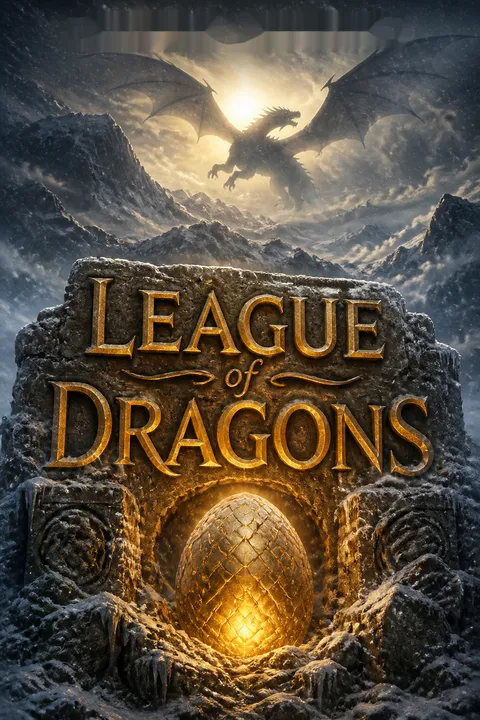
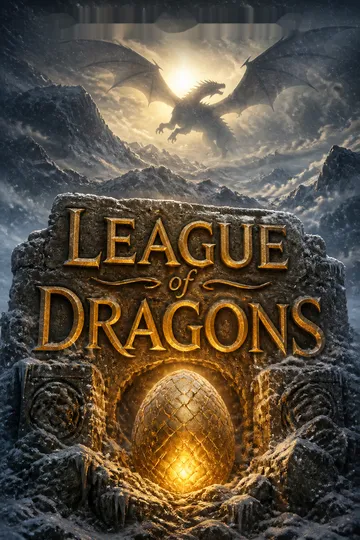
League of Dragons is a sweeping, emotionally resonant conclusion to Naomi Novik's Temeraire series, blending alternate history, military adventure, and social commentary. At its heart, the novel is about transformation—of individuals, societies, and the very nature of power. Through the intertwined journeys of Laurence and Temeraire, Novik explores the costs and possibilities of change: the pain of letting go of old certainties, the courage required to demand justice, and the necessity of forging new alliances in a world on the brink of modernity. The novel's central lesson is that true partnership—between dragons and humans, between nations, between past and future—requires empathy, respect, and a willingness to question tradition. The struggle for dragon rights, mirrored in the political upheavals of the Napoleonic era, becomes a metaphor for all movements toward equality and recognition. Novik's narrative structure, with its dual perspectives and careful use of foreshadowing, invites readers to see the world through multiple lenses, challenging easy assumptions and celebrating the messy, hopeful work of building a better world. In the end, League of Dragons is both a thrilling adventure and a meditation on the meaning of honor, loyalty, and the possibility of peace.
Review Summary
League of Dragons received mixed reviews as the final book in the Temeraire series. Many readers found it a satisfying conclusion, praising the worldbuilding, character relationships, and resolution of the Napoleonic War storyline. However, some felt disappointed by rushed pacing, lack of focus on beloved secondary characters, and anticlimactic battles. The ending was considered bittersweet, with some plot threads left unresolved. Overall, fans appreciated the series as a whole but had hoped for a more impactful finale.
People Also Read

Characters
William Laurence
Laurence is a man shaped by honor, loss, and the burdens of command. Once a naval officer, now an aviator and dragon-captain, he is defined by his deep sense of responsibility—to his dragon Temeraire, to his crew, and to his own conscience. His relationships are complex: he is both father and partner to Temeraire, a leader to his men, and a reluctant political figure. Laurence's psychological arc is one of guilt, self-sacrifice, and the search for redemption. He is haunted by the consequences of his choices—treason, exile, and the deaths of comrades—but finds purpose in fighting for justice, both on the battlefield and in the struggle for dragon rights. His development is marked by increasing pragmatism, tempered by an unyielding core of integrity.
Temeraire
Temeraire is a Celestial dragon of rare intelligence and empathy, whose journey is one from innocence to activism. His bond with Laurence is central—equal parts friendship, partnership, and mutual dependence. Temeraire's relationships with other dragons, especially Iskierka and Lien, are marked by rivalry, admiration, and philosophical debate. Psychologically, Temeraire is driven by a sense of fairness and a desire for recognition—not just for himself, but for all dragons. He is both naïve and shrewd, capable of great generosity and fierce anger. His arc moves from loyal companion to political leader, as he becomes the voice of dragon rights and a symbol of change in a world slow to accept it.
Iskierka
Iskierka is a Kazilik dragon whose fiery temperament and relentless ambition make her both a valuable ally and a source of chaos. Her relationship with her captain, Granby, is one of mutual exasperation and grudging respect. Iskierka is competitive, materialistic, and often reckless, but her boldness is a catalyst for change. Psychologically, she is driven by a desire for status and prizes, but also by a genuine, if sometimes misguided, loyalty to her friends. Her development is marked by increasing self-awareness and a grudging acceptance of the responsibilities that come with power.
Lien
Lien is a white Celestial dragon, Temeraire's nemesis, and a master of manipulation. Her loyalty to Napoleon is rooted in personal loss and a desire for revenge against those she blames for her suffering. Lien's relationships are defined by calculation and a cold, almost tragic, sense of purpose. Psychologically, she is both brilliant and deeply wounded, her actions driven by grief and a need to shape the world in her own image. Her arc is one of relentless pursuit, culminating in defeat and exile, but her presence lingers as a warning of the costs of obsession.
Jane Roland
Jane is a pioneering female aviator and Laurence's lover, whose leadership in Spain is marked by competence, wit, and a refusal to be cowed by tradition. Her relationship with Laurence is one of equals, marked by mutual respect and a shared sense of duty. Psychologically, Jane is resilient, practical, and unflappable, providing a counterpoint to Laurence's introspection. Her arc is one of steady influence, shaping both the course of the war and the future of dragons in Britain.
Granby
Granby is Iskierka's captain and Laurence's closest friend, caught between ambition and the demands of his dragon. His relationship with Iskierka is fraught but affectionate, and his loyalty to Laurence is unwavering. Psychologically, Granby is adaptable, self-deprecating, and often the voice of reason amid chaos. His development is marked by growth into command and a deeper understanding of the burdens of leadership.
Tharkay
Tharkay is a half-British, half-Asian agent whose ambiguous loyalties and outsider status make him both invaluable and mistrusted. His relationships are defined by pragmatism and a quiet sense of honor. Psychologically, Tharkay is self-contained, resourceful, and haunted by rejection from both cultures. His arc is one of gradual acceptance and the forging of his own identity, as he becomes a linchpin in the network of alliances that shape the war's outcome.
Perscitia
Perscitia is a dragon more interested in books and politics than battle, and a key figure in the movement for dragon rights. Her relationship with Temeraire is one of mutual respect and shared purpose. Psychologically, she is analytical, persistent, and sometimes pedantic, but her vision and determination are crucial to the changing status of dragons. Her arc is one of transformation from outsider to leader.
Empress Anahuarque
The Incan Empress is a master of diplomacy and self-preservation, whose marriage to Napoleon is both alliance and power play. Her relationships are defined by calculation, but also by a genuine desire to secure her son's future. Psychologically, she is pragmatic, emotionally controlled, and capable of both loyalty and betrayal. Her arc is one of adaptation, as she navigates the shifting tides of power and ensures her own survival.
Napoleon Bonaparte
Napoleon is the central antagonist, a man of immense charisma, ambition, and strategic genius. His relationship with dragons is transformative, as he recognizes their potential and reshapes the world around them. Psychologically, Napoleon is both inspiring and ruthless, capable of great generosity and cold calculation. His arc is one of rise and fall, from the heights of power to the isolation of exile, his legacy both triumphant and tragic.
Plot Devices
Dual Perspective: Human and Dragon
The narrative alternates between Laurence's human perspective and Temeraire's draconic one, allowing readers to experience the war's events, politics, and emotional stakes from both sides. This duality highlights the growing partnership and equality between dragons and humans, and serves as a lens for exploring themes of justice, loyalty, and change.
Political Intrigue and Espionage
The plot is driven by a web of political machinations—duels, betrayals, secret negotiations, and shifting alliances. Letters, coded messages, and diplomatic missions are used to foreshadow coming betrayals and to reveal the hidden motives of both human and dragon actors. The tension between public honor and private ambition is a constant undercurrent.
The Egg as Symbol and Catalyst
The fate of Temeraire and Iskierka's egg is a recurring plot device, representing hope, legacy, and the contested future of dragonkind. Its theft, pursuit, and eventual hatching drive much of the action, and its ambiguous allegiance mirrors the broader struggle for dragon rights and self-determination.
The Concord and the Dragon Rights Bill
Napoleon's Concord, offering rights and territory to dragons, is both a tool of war and a revolutionary idea. Its spread forces the British and their allies to confront their own prejudices and to respond with their own Dragon Rights Bill. The ideological battle over the status of dragons is as important as any military engagement, and foreshadows the social changes to come.
Foreshadowing through Letters and Rumors
Letters from home, intercepted messages, and rumors among the ranks are used to foreshadow coming events—betrayals, political changes, and the shifting fortunes of war. These devices create a sense of uncertainty and anticipation, and allow for the gradual revelation of hidden truths.
The Battle as Microcosm
Major battles are not just spectacles of action, but microcosms of the novel's central conflicts: unity versus division, tradition versus change, and the cost of victory. The outcomes of these battles are determined as much by trust, discipline, and innovation as by brute force, reinforcing the novel's emphasis on partnership and adaptation.
Temeraire Series
About the Author
Other books by Naomi Novik





Download PDF
Download EPUB
.epub digital book format is ideal for reading ebooks on phones, tablets, and e-readers.








































