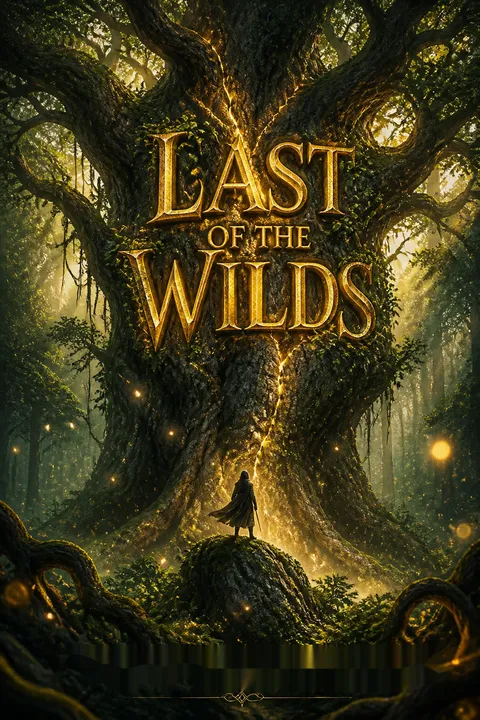

Plot Summary
Aftermath and Hidden Agendas
Reeling from defeat, the Pentadrians retreat through the treacherous mines, led by the cold and clever Imenja. Young Thinker Reivan's ingenuity saves the withdrawing army from traps and collapse, bringing her to Imenja's attention. Across the continent in Circlian lands, the White—avatars of the Five Gods—grapple with uncertainty and political turmoil. Tensions with the Dreamweavers, prejudice, and rumors of real Pentadrian gods challenge Auraya's sense of order. A fragile peace prevails, but danger ebbs beneath the surface as both sides secretly plot their next moves. Loss and the heavy toll of war cast long shadows, setting the scene for new missions, betrayals, and a world where trust is as rare as victory.
Auraya's Mission of Peace
The White task Auraya, youngest among them, to create an unprecedented truce between Circlians and their longtime rivals, the Dreamweavers. Haunted by loss and fraught passions, she is sent to establish a hospice where healers from both faiths might work together. Circlian wariness meets Dreamweaver skepticism as Adviser Raeli weighs Auraya's overture. Auraya must tread a delicate line—not only to win trust, but to also further an unspoken mandate: to weaken the Dreamweaver cult by absorbing their healing wisdom. Jarime trembles with resistance to this new order. Auraya's work is shadowed by personal pain, her recent heartbreak echoing the world's scars. The stakes of tolerance and cultural fusion are high, as hidden currents threaten to turn efforts at peace into new fronts of struggle.
Mirar Among the Wilds
In the wilderness, the immortal Dreamweaver Mirar, now sharing his body with the personality of Leiard, flees the notice of gods and mortals alike. With the enigmatic Emerahl, another ancient "Wild," Mirar seeks sanctuary from the all-seeing gods in a magic-less void. Haunted by fractured memories and internal debates, he faces the dissolution of identity and the temptations of forbidden knowledge and companionship with Emerahl. Their travels through dangerous mountain passes are fraught with nostalgia, sorrow, and the realization that surviving means constant vigilance, disguise, and denial of self—until Mirar's true self resurfaces, awakening hope and dread of what comes next.
Secrets of the Immortals
Old wounds reopen as Mirar and Emerahl attempt to unravel the mysteries of immortality and their fraught pasts. Meanwhile, the intrigue of the outside world reaches the deeply secretive Elai—a people of the sea—when young Imi, the king's daughter, goes missing in a quest that exposes the divide between landwalkers and ocean-folk. As both Mirar and Imi brush the edges of legend, destiny converges on hidden places: voids without magic, ancient settlements, and the forbidden knowledge of the origins of races. Bonds and betrayals ripple through immortal and mortal lives, pushing all toward a reckoning with history none fully understand.
The Plague of Hearteater
In the aftermath of war, darkness falls again on the Siyee, the sky-people, as Hearteater sweeps through their remote villages. Auraya races against time, carrying Dreamweaver cures and what healing magic she can muster. To her surprise, she discovers "Wilar," a Dreamweaver whose abilities surpass all others—none other than Mirar, disguised. Their uneasy alliance forges both hope and peril as healing knowledge is reluctantly shared between enemies. The spread of plague tests traditions, trust, and the strength of community—while political machinations elsewhere threaten to deny relief and hasten catastrophe.
Elai's Lost Princess
Imi, princess of Borra, is swept from her insular society into the grasp of traders, raiders, and greedy collectors. Her journey across captivity and survival brings her into contact with the Pentadrians, sparking connections and misunderstandings with powerful implications for both peoples. Helped and hindered by kindness and cruelty alike, Imi's trials teach her the value of alliance, the dangers of xenophobia, and the necessity of adapting to an unpredictable world. Her eventual rescue—as both a personal and political event—signals the slow churning of Elai toward engagement with land-dwelling nations.
Bridging the Divide
As Auraya's hospice opens, cooperation between Circlians and Dreamweavers begins to bear fruit, with wounds of the past giving way to new forms of medicine and mutual respect. Yet, this fragile trust is undermined by suspicion—both among priests who fear heresy and Dreamweavers who worry about their extinction. Auraya orchestrates careful public relations, spreading the narrative that this is Circlian charity, not capitulation. Political leaders, both Circlian and Pentadrian, play their own respective games of influence, using spies, marriage, ambassadors—and, above all, careful manipulation of public opinion—to ensure the balance of power always tips in their favor.
Dreamweaver and White
Fate draws Auraya and Mirar into direct alliance and trembling antagonism as they tackle Hearteater among the Siyee. Their personal history—friendship, forbidden romance, heartbreak—simmers beneath their urgent work. Mirar, torn by divided memory as both himself and Leiard, struggles to heal not only the sick but also his own past. Auraya, wrestling with forbidden knowledge, confronts deep questions of justice, obedience, and what it means to serve higher powers. Together, they straddle the thin line between salvation and doom.
Servant or Outsider
In Pentadrian Glymma, Reivan ascends from clever outsider to Servant-novice and eventually trusted confidante of Imenja. Her unique perspective—lacking magical skill but armed with intelligence—makes her both envied and isolated. Suspicion, sabotage, and politics color her every step as she learns the treacherous currents flowing beneath Pentadrian religious structures. Through careful observation and subtle alliance-making, Reivan navigates the labyrinth of power, finding moments of solidarity yet always aware of her precarious position as the exception to every rule.
Forbidden Knowledge Shared
Auraya's desperate plea to Mirar to teach her Dreamweaver healing triggers an ethical and spiritual crisis. Mirar hesitates, knowing the gods have withheld this power for good reason—but ultimately relents to save lives. Through an intense, dangerous mental link, Auraya learns the true art of healing, and with it the deeper secret: that the gods' power can be equaled or surpassed. This act, both heroic and transgressive, disrupts the fragile order, ignites divine suspicion, and forces Auraya to question where her loyalty and identity truly lie.
Siyee's Suffering and Resolve
The Siyee, pushed to their limits by sickness and the failures of their allies, look to Auraya and their own leaders for hope. The solutions demanded—quarantine, hard choices, and trust—are never easy. Old friendships are tested, and new heroes arise from unlikely places. Meanwhile, the Pentadrians make their own bid for alliances and influence among neighboring nations, manipulating vulnerabilities to foster new dependencies. Through struggle, the Siyee prove their resilience, but not without wounds that will change the fate of their people forever.
Faces of Betrayal
As Mirar's true identity comes to light, the consequences are shattering. Auraya, forced by the gods to kill her former lover and ally, faces the abyss of doubt, justice, and obedience. The White are divided between compassion and ruthlessness, and the gods' demand for unquestioning loyalty is tested to its limit. Mirar's survival—achieved through a union of lost identities and ancient powers—throws the true nature of divinity and mortality into sharp relief. The price of truth proves higher than any imagined, remaking not only individuals but the very order of the world.
Shifting Alliances
Across nations, new bonds are struck: Elai and Pentadrians sign tentative treaties; Dreamweaver and Circlian mutual learning continues; and internal politicking reshapes religious orders. Reivan's and Imenja's efforts yield progress for their people, but at personal cost. Suspicion never fully abates, and every gesture of trust is weighted with the expectation of betrayal. Old prejudices die hard, but necessity forces cooperation between even the most bitter enemies. Power, faith, and pragmatism intertwine, creating fragile hopes for a world haunted by its past.
Flight, Punishment, Choice
Auraya's refusal to kill Mirar earns her censure from gods and mortals alike. Banished to Jarime, stripped of her former station, she must choose whether to accept this punishment or risk everything to serve justice as she understands it. The gods' unity fractures as some sympathize while others demand unwavering discipline. Auraya learns that the true measure of power lies not in obedience, but in the courage to choose mercy over vengeance—no matter how high the personal cost.
Redemption and Resignation
Unable to accept the gods' command to sacrifice the innocent for the sake of order, Auraya resigns as a White. This extraordinary step shocks those around her, but gains her the freedom to act according to conscience—not dogma. Her capacity for humility, compassion, and sacrifice transforms her from a mere servant of the gods into a leader of a new kind. As she returns to Si, unbound by the ring of the gods, she rediscovers her innate Gifts—and, perhaps for the first time, her true self.
New Paths Ahead
Mirar, aided by Emerahl and clever Dreamweavers, makes a desperate flight southward, narrowly escaping the White and their Siyee allies. The gods' attention shifts to new problems, and survival becomes the primary goal. Meanwhile, Emerahl's search reveals more immortals in hiding—old alliances reignited and secrets once kept now circulating among a clandestine network. Across the world, voices—old, young, human, immortal—begin to question what the gods allow, and what they fear. The future, once carefully ordered, blooms with unpredictable possibility.
Legacies and the Unknown
As Pentadrians and Elai forge alliances, Siyee recover, and Dreamweavers adjust to a new role, legacies settle uneasily upon a changed Ithania. Auraya, no longer chained by the White, sets out on a journey of atonement and healing, seeking her place between the mortal and the divine. Mirar, Emerahl, and the remaining immortals prepare for new challenges, knowing peace is always temporary. Trust, justice, and the courage to change have broken the old order: now, what comes next lies in the hands of those who dare to question the gods…and themselves.
Analysis
Last of the Wilds is, at its core, a meditation on power, justice, and the costs of faith—personal and societal. Trudi Canavan's second entry in the Age of the Five trilogy replaces standard epic fantasy conquest with the much harder quest for shared truth and mutual understanding. Through Auraya's defiance and Mirar's divided psyche, the book explores the limits of authority—divine or mortal—and the ethical imperative to choose conscience over comfort. The exposure of the gods' flaws is less a heresy than a warning: any absolute power, unchecked by compassion or reflective self-critique, risks tyranny. The blending of magic, faith, and reason foregrounds the modern anxiety about institutions—religious or political—that claim to know what is best but are blind to their own fallibility. Knowledge, the book warns, is as dangerous as ignorance—it can heal or destroy, depending on how freely and wisely it is shared. In the end, Canavan argues for a nuanced, pluralistic moral order: one where even the smallest voices, the most marginalized outsiders, and the most painful betrayals have their say in shaping the world's future.
Review Summary
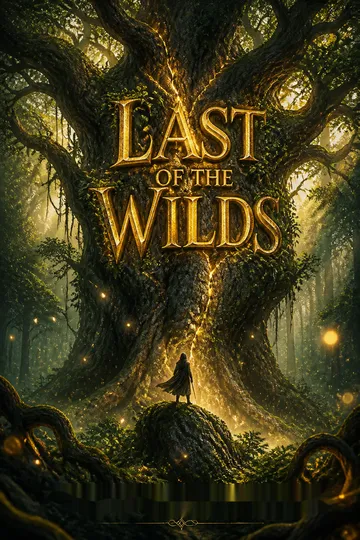
Last of the Wilds, the second book in Trudi Canavan's Age of the Five trilogy, receives generally positive reviews averaging 4.06/5. Readers frequently note "middle book syndrome" with slower pacing compared to the first installment, but praise the rich worldbuilding, religious themes, and character development. Fan favorites include Emerahl, Mirar/Leiard, and newcomer Reivan. The exploration of morality, faith, and religious conflict resonates strongly with readers, while some criticize one-dimensional characters and Auraya's occasionally bland portrayal. Most readers eagerly anticipate the trilogy's conclusion.
People Also Read
Characters
Auraya
Auraya stands at the emotional and moral heart of the story: a White, empowered by the Five Gods, tasked with forging peace but increasingly caught between obedience and conscience. Her arc is defined by the tension between her exceptional abilities—flight, healing, telepathy—and the expectations of service to her gods. Haunted by love lost and the horrors of battle, she is shaped by compassion, humility, and an iron resolve for justice. Her forbidden romance with Leiard/Mirar catalyzes her journey toward self-understanding. Psychologically, Auraya is torn between the reassurance of belonging and the boldness of questioning the structures above her, making her a lens for the larger themes of conscience versus conformity.
Mirar / Leiard
Mirar is the legendary Dreamweaver leader, believed dead for a century but alive, his psyche fractured: part Mirar, revolutionary and immortal; part Leiard, a milder, guilt-ridden healer. His struggle for unity is a psychological battle between the safety of disguise and the burdens of self. Mirar's love for Auraya, mistrust of the gods, and deep-seated ethic of healing—regardless of dogma—define him. As both a mentor and a threat, he bridges the world between ancient rebel and tragic lover. His journey is a meditation on what it means to endure—bodily, mentally, and spiritually—in a world that fears and needs him.
Imenja
Second Voice of the Pentadrians, Imenja is cool, calculating, and unflinchingly ambitious. She is both kind and ruthless, capable of genuine compassion but never losing sight of advantage. Imenja's relationship with Reivan reveals her appreciation for talent outside traditional power structures. Her deep loyalty to the gods is balanced by a willingness to question and subtly subvert the rules for the greater good of her people. Imenja is a master of court intrigue, adept at reading desires and manipulating outcomes; psychologically, she reflects both the necessity and peril of flexibility in rigid systems.
Reivan
Reivan begins as an underestimated Thinker, dismissed for her lack of magical Skill in a society that reveres it. Her fierce intellect, curiosity, and persistence propel her into the rarefied ranks of the Pentadrians as Servant-novice and eventually as Imenja's confidante. Always aware of her outsider status, she learns to leverage it, providing perspectives others miss. Her desire for acceptance and justice is continually at war with her need for independence; psychologically, she embodies the costs and rewards of nonconformity in rigidly hierarchical cultures.
Emerahl
Emerahl is both mentor and survivor—a Wild with vast healing knowledge and a history of self-reliance. Her relationship with Mirar, sometimes intimate, always complex, is marked by shared pain and survival instinct. Frequently shifting identities to evade pursuit, Emerahl is introspective and adaptive, driven by curiosity about both the mortal and immortal condition. Her quest to find other Wilds and unravel truths beneath the gods' silence connects her to the story's grander mysteries; psychologically, she's a stabilizing force, comfortable with change, loss, and ambiguity.
Nekaun
Nekaun ascends to leadership among the Pentadrians, charming, diplomatic, and outwardly modest, yet ambitious beneath his easy manner. He skillfully channels the expectations of his colleagues and the faithful, carefully grooming allies and testing potential threats. Nekaun's interactions with Reivan, Imenja, and the greater religious machinery reveal a leader always balancing public service against personal advancement; his psychological strength is his ability to listen and manipulate, making him both formidable ally and dangerous enemy.
Imi
Imi's journey from pampered princess of the underwater Elai through harrowing captivity and eventual rescue pushes her from naiveté toward maturity and political insight. She is shaped by hardship, forced adaptability, and a growing awareness of her people's vulnerability in a treacherous world. Relationships with her father, Teiti, and foreign rescuers challenge her assumptions, spurring her to envision bravely a new role for the Elai. Psychologically, Imi represents both the trauma of the innocent and the awakening mind of leadership.
Dreamweaver Arleej
Quietly powerful, Arleej leads the Dreamweavers through logic, compassion, and an openness to change. Her pragmatic understanding of politics continually pushes the Dreamweavers to adapt, cooperate, and sometimes yield their isolationist traditions. She is deeply empathetic, yet not immune to doubt, especially when Auraya's hospice project threatens to erase Dreamweaver uniqueness. Her psychological acumen, cautious optimism, and readiness to sacrifice personal power for communal good are her strengths.
The Twins (Surim & Tamun)
Older than most, The Twins are paradoxical: introverted yet deeply knowledgeable, detached but emotionally attuned. Having survived separation and centuries of hiding, they are oracles in the truest sense—not through prophecy, but by pattern recognition gleaned from centuries of watching and mind-skimming. They provide Emerahl with broader perspective and warnings, embodying resilience, curiosity, and the longing for connection in a world of threats to their kind.
Juran
The oldest White, Juran anchors his peers with experience and gravitas, even as the responsibilities and unexpected consequences of power weigh on him. Haunted by regret over past actions—notably, the supposed execution of Mirar—Juran is torn between defending tradition and adapting to new realities. His relationships with Auraya, Dyara, and Rian are marked by mentorship, frustration, and genuine care. Deep down, Juran's psychoanalytic core is the psychological agony of leadership: the need to choose between mercy and order, with the knowledge that every choice will cost someone dearly.
Plot Devices
Dual Perspectives and Polyphony
The novel is split between multiple points of view—Auraya, Mirar/Leiard, Reivan, Imenja, Imi—delivering an intricate web of experience: the dominant, the marginalized, the mortal, the immortal, the innocent, the disillusioned. By rotating perspectives, Canavan builds empathy for all sides, denying the reader a single clear hero or villain. This polyphony both foreshadows and underlines the novel's central motif: truth is plural, and power never absolute.
Concealment and Revelation
The book uses mistaken identity, hidden history, and the disruptive appearance of magical "voids" as metaphors for psychological and political blind spots. Mirar disguising himself as Leiard, the gods' inability to sense immortals in voids, and the layered secrets of the Elai all serve to highlight the limitations of even the most powerful actors in the world. Plot twists hinge on the careful timing of revelations—whether Mirar's true nature, the pentad of real Pentadrian gods, or the costs of forbidden magic being shared. Each unveiling is also a trauma, with personal and collective consequences.
Moral Dilemma as Engine
Characters are continually faced with impossible choices—Auraya choosing between gods' orders and her ethics, Mirar between self-preservation and candor, Reivan between ambition and belonging. These are not mere plot complications, but the true "quest" of the story: what does it mean to do right when the highest powers are ambiguous or untrustworthy? Internal debate is as dramatic and consequential as any battle, with climactic scenes revolving around moral courage more than physical confrontation.
Skills, Magic, and Learning
The central plot device is the sharing (and withholding) of magical knowledge—particularly healing—from Dreamweavers to Circlians. This is mirrored by the survival skills of the Wilds, the adaption and cross-pollination between cultures (Elai, Siyee, landwalkers), and the psychological lessons characters must absorb to mature. The risk, promise, and unintended consequence of knowledge—whether magical or psychological—is a running through-line, reinforced by motifs of education, mentorship, and the dangers of revelation.
The Gods as Absent-Present Authority
Until late in the novel, the gods are felt more than seen: capricious, distant, often communicated through mind rings or vision. Their move to direct possession and command in the execution of Mirar gives them the force of an antagonist, but one that is ambiguous—neither completely right nor wholly wrong. Their inability (or refusal) to explain themselves, and their susceptibility to doubt and internal division, make them both less and more frightening. The gods' will is the ultimate plot device: propelling, constraining, and ultimately being critiqued by the narrative itself.
Age of the Five Series
About the Author
Other books by Trudi Canavan
Download PDF
Download EPUB
.epub digital book format is ideal for reading ebooks on phones, tablets, and e-readers.








































