
Plot Summary
Siege of Prague's Walls
At dusk, the city of Prague braces for a British assault, its magical walls—once built by Bartimaeus—now threatened by Gladstone's army. Spirits and magicians scramble to defend the city, but morale is low and resources are thin. Bartimaeus, a djinni, surveys the encroaching enemy, noting the overwhelming magical might arrayed against them. As the British unleash their attack, the defenders are quickly overwhelmed. Amid chaos, Bartimaeus and his companion Queezle are tasked with protecting the Emperor, but betrayal and overwhelming force lead to the city's fall. The collapse marks the end of an era, foreshadowing the rise of London's magicians and the cycle of conquest and subjugation that will haunt the world for generations.
Ambitions in Black Coats
Years later, London thrives as the heart of a magician-ruled empire. Nathaniel, now John Mandrake, is a prodigious young magician climbing the ranks of government. Under the stern guidance of Jessica Whitwell, he learns the arts of summoning and political maneuvering. Despite his talents, Nathaniel is isolated, surrounded by rivals and watched by the Prime Minister. His obsession with the Resistance—a group of commoners rebelling against magician rule—drives him, but his efforts to infiltrate or destroy them are fruitless. The city's glittering façade hides deep divisions, and Nathaniel's ambition is shadowed by insecurity and the ever-present threat of betrayal.
Kitty's Awakening
Kitty Jones grows up in a world where magicians are untouchable and commoners are expendable. Her family's modest life is upended when a chance accident in a forbidden park brings her and her friend Jakob into conflict with a cruel magician, Tallow. The children are punished with magical violence, leaving Jakob permanently scarred and Kitty marked by survivor's guilt. The incident shatters her faith in justice and exposes the brutal reality of magician rule. Kitty's sense of injustice and her fierce loyalty to her friends set her on a path of resistance, even as her family and community urge her to accept her place.
The Price of Defiance
Haunted by the attack, Kitty refuses to let Tallow's crime go unpunished. She faces the magician in court, only to be humiliated and fined, her testimony dismissed because of her status as a commoner. The experience cements her disillusionment with the system and alienates her from her family, who fear reprisals. When an enigmatic old man, Pennyfeather, offers to pay her fine in exchange for her help, Kitty is drawn into the clandestine world of the Resistance. Her anger and sense of betrayal fuel her commitment, but she is also forced to confront the limits of her own power and the dangers of open defiance.
The Unjust Tribunal
Kitty's day in court is a farce. The judge, a magician, sides with Tallow, dismissing Kitty's evidence and punishing her for her outspokenness. The verdict is a foregone conclusion: the word of a commoner means nothing against a magician's. Kitty is left with a crushing debt and a deeper sense of alienation. The experience is a turning point, hardening her resolve and pushing her further from her family. The law, she realizes, is just another tool of oppression, and justice is reserved for the powerful. Her only hope lies in the underground world Pennyfeather represents.
Pennyfeather's Offer
Pennyfeather, a bitter survivor of magician cruelty, recruits Kitty into his band of resilient commoners. She learns that some people, like herself, are naturally resistant to magic—a rare trait that makes them valuable in the fight against the magicians. The Resistance is a patchwork of talents: some can see spirits, others sense magical objects, and a few, like Kitty, can withstand magical attacks. Their activities range from theft to sabotage, but their impact is limited. Kitty's sense of purpose grows, but so does her awareness of the group's fragility and the ever-present threat of betrayal from within and without.
Resistance in the Shadows
The Resistance operates in secrecy, stealing magical artifacts and striking at magician targets. Kitty rises in the ranks, her leadership and resilience earning her respect. But the group is plagued by losses—members are killed or disappear, and the authorities close in. Pennyfeather's obsession with magical power leads them to ever riskier schemes, culminating in a plan to rob Gladstone's tomb. The arrival of the enigmatic Mr. Hopkins, who provides inside information, deepens the group's dependence on shadowy benefactors. As the plan unfolds, trust erodes and the line between resistance and criminality blurs.
The Golem Unleashed
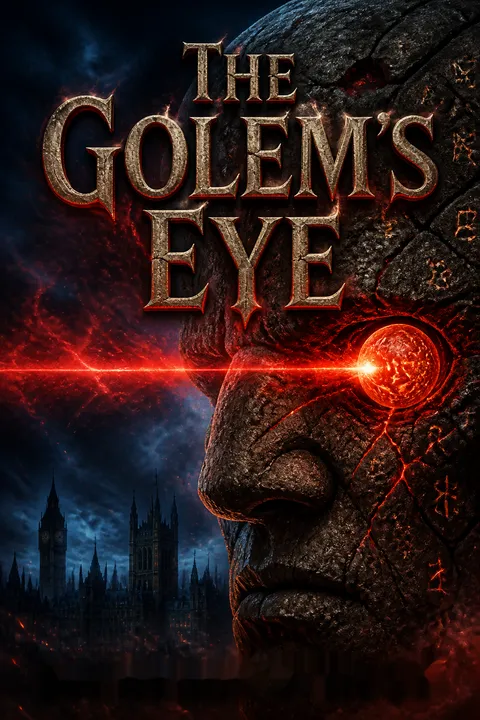
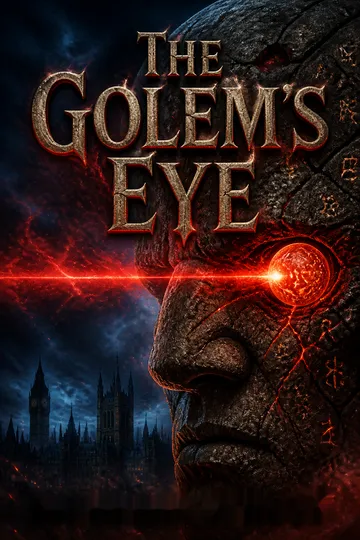
A series of brutal attacks rocks London: shops are destroyed, magicians killed, and magical defenses bypassed. Nathaniel, under pressure from his superiors, investigates and discovers the attacks are the work of a golem—a legendary magical construct thought lost to history. The golem is controlled by a hidden master using a stolen artifact, and its presence exposes the vulnerability of the magician regime. Nathaniel's efforts to stop the golem are hampered by political intrigue, his own lack of allies, and the growing chaos in the city. The golem's rampage is both a symptom and a catalyst of the empire's decay.
Mandrake's Desperation
Desperate to prove himself and stop the golem, Nathaniel travels to Prague, the birthplace of golem lore. With Bartimaeus in tow, he navigates a city haunted by its magical past and meets Harlequin, a British spy. Their investigation leads to Kavka, a broken Czech magician forced to create golem spells for a shadowy employer. The encounter turns deadly when a mercenary—linked to past conspiracies—intervenes. Kavka dies, but not before revealing the tragic cost of magical coercion. Nathaniel returns to London with more questions than answers, his position increasingly precarious.
Bartimaeus Summoned Again
Nathaniel, out of options, summons Bartimaeus once more, despite their mutual resentment and the dangerous knowledge they share. Their uneasy alliance is tested as they confront the golem's threat and the political machinations of London's elite. Bartimaeus's wit and experience are invaluable, but Nathaniel's growing ruthlessness and ambition strain their bond. The djinni's perspective exposes the folly and cruelty of magician rule, as well as the cyclical nature of power and rebellion. Their partnership is a microcosm of the larger conflict between freedom and servitude, trust and betrayal.
Prague's Secrets Revealed
In Prague, Nathaniel and Bartimaeus uncover the secrets of golem creation and the identity of the traitor orchestrating the attacks. The trail leads back to London's highest circles, implicating powerful figures in a conspiracy to destabilize the government. The golem's master is revealed to be Duvall, the Chief of Police, manipulated by the elusive Mr. Hopkins. The plot is designed to create chaos, justify a power grab, and eliminate rivals. The revelation exposes the rot at the heart of the empire and the ease with which power corrupts even those sworn to protect it.
The Abbey's Forbidden Vault
The Resistance, guided by Pennyfeather and Hopkins, infiltrates Westminster Abbey to steal Gladstone's treasures. They bypass magical traps and descend into the crypt, only to unleash a deadly guardian—Honorius, an afrit bound to Gladstone's bones. The tomb becomes a slaughterhouse as the guardian hunts the intruders, killing most of the group. Kitty and a few others barely escape, traumatized and disillusioned. The heist, meant to be a turning point, instead marks the end of the Resistance as a coherent force. The cost of their ambition is paid in blood, and the survivors are left to reckon with their failure.
Gladstone's Guardian
Freed from the tomb, Honorius—now a mad, vengeful skeleton—wreaks havoc across London. The magicians, humiliated and terrified, scramble to contain the threat. Bartimaeus and other spirits are summoned to confront the afrit, but Honorius's unique bond to Gladstone's remains makes him nearly invulnerable. The city descends into chaos as the boundaries between order and anarchy blur. The spectacle of the empire's founder's corpse running amok is a potent symbol of the regime's decay and the dangers of unchecked magical power. The pursuit of the Staff becomes a desperate race, with all sides vying for control.
Skeletons and Betrayals
Nathaniel, armed with the Staff and the truth about the golem, returns to London and exposes Duvall as the traitor. The revelation is a public spectacle, shattering the illusion of unity among the magicians. Duvall's downfall is swift, but the real mastermind—Hopkins—remains at large, his motives and identity obscured. Nathaniel's victory is hollow: he gains power but loses allies, and the cycle of intrigue continues. Kitty, betrayed by her own side and hunted by the authorities, is forced to choose between escape and a final act of defiance. The lines between hero and villain, victim and oppressor, are blurred beyond recognition.
The Staff and the Golem
In a climactic showdown, the golem's master sends the creature to reclaim the Staff. Nathaniel, desperate to prove himself, tries to wield the artifact but is overwhelmed by its power. Kitty, despite every reason to flee, risks her life to save him, using her resilience to disable the golem and destroy its controlling spell. Her selfless act stands in stark contrast to the self-interest of magicians and spirits alike. The Staff is returned, the golem's rampage ends, and the immediate crisis is averted. But the cost is high, and the underlying tensions remain unresolved.
Collapse of the Resistance
The Resistance is shattered, its members dead, scattered, or disillusioned. Kitty, wounded and alone, helps Jakob escape the country, refusing the easy path of exile for herself. She reflects on the futility of violence and the need for understanding—between commoners, magicians, and spirits. The cycle of oppression and rebellion, she realizes, can only be broken by knowledge and empathy, not by theft or revenge. Her decision to stay in London, to seek the truth about magic and its history, marks a new beginning—one rooted in hope rather than hatred.
The Unmasking of Power
With Duvall disgraced and the Staff secured, Nathaniel is promoted to head of Internal Affairs. Yet his triumph is bittersweet: he is isolated, mistrusted, and haunted by the compromises he has made. His relationship with Bartimaeus, once marked by uneasy camaraderie, is now strained by mutual disappointment. The true architect of the chaos, Hopkins, remains at large, a reminder that the roots of corruption run deep. Nathaniel's journey from idealistic youth to hardened official is complete, but the cost is his own integrity and the possibility of genuine change.
Kitty's Choice
Kitty, having survived betrayal, loss, and the collapse of her cause, chooses not to flee but to remain in London. She helps Jakob escape to safety, but her own path is one of inquiry and reconciliation. Inspired by her conversations with Bartimaeus and her own experiences, she resolves to seek knowledge—about magic, history, and the true nature of spirits. Her hope is to break the cycle of fear and hatred that has defined her world. The story ends with Kitty stepping into the unknown, determined to find a better way, even as the empire lurches toward its next crisis.
Analysis
Jonathan Stroud's The Golem's Eye is a masterful exploration of power, resistance, and the human (and inhuman) cost of empire. Through its interwoven narratives, the novel exposes the moral bankruptcy of a society built on servitude and fear, where magicians rule through violence and commoners are denied agency. The use of multiple perspectives—Bartimaeus's sardonic wisdom, Nathaniel's tragic ambition, Kitty's evolving conscience—invites readers to question the nature of justice, loyalty, and rebellion. The plot's intricate conspiracies and magical set-pieces are not merely spectacle; they serve as metaphors for the cycles of oppression that define both the fictional world and, by extension, our own. The novel's greatest strength lies in its refusal to offer easy answers: every victory is tainted, every act of defiance carries a cost, and the line between hero and villain is blurred. Yet, in Kitty's final choice—to seek knowledge and understanding rather than revenge—Stroud offers a glimmer of hope: that cycles can be broken, that empathy can triumph over hatred, and that true change begins with the courage to imagine a better world.
Review Summary
People Also Read


Characters
Bartimaeus
Bartimaeus is a djinni of immense age, power, and sardonic wit, bound repeatedly into servitude by human magicians. His perspective is both comic and tragic: he mocks the follies of mortals, yet is painfully aware of his own lack of freedom. Bartimaeus's relationship with Nathaniel is fraught—marked by mutual dependence, resentment, and rare flashes of respect. He is a survivor, having witnessed the rise and fall of empires, and his cynicism is tempered by a longing for genuine connection, as seen in his fondness for Ptolemy and, unexpectedly, his admiration for Kitty. Bartimaeus's arc is one of reluctant involvement, forced to act by the whims of others, yet always seeking moments of agency and dignity.
Nathaniel / John Mandrake
Nathaniel, who adopts the adult name John Mandrake, is a prodigy among magicians, driven by ambition, insecurity, and a desperate need for approval. His early trauma—betrayal, loss, and humiliation—fuels his rise, but also leaves him isolated and mistrustful. Nathaniel's relationships are transactional: he uses and is used by others, from his master Whitwell to his servant Bartimaeus. His pursuit of the Resistance and the golem is as much about proving himself as it is about justice. Over time, Nathaniel becomes increasingly ruthless, sacrificing ideals and relationships for power. His arc is a cautionary tale of how good intentions can be corrupted by fear and pride.
Kitty Jones
Kitty is a commoner whose life is shaped by injustice and loss. Her resilience to magic makes her valuable to the Resistance, but it is her courage and empathy that define her. Kitty's journey is one of awakening: from victim to rebel, from vengeance to understanding. She is fiercely loyal to her friends, especially Jakob, and her willingness to risk everything for others sets her apart from both magicians and fellow rebels. Kitty's arc is marked by disillusionment—she sees the flaws in both the system and the Resistance—but also by hope. Her decision to seek knowledge and reconciliation, rather than revenge, offers a path beyond the cycle of oppression.
Jessica Whitwell
Whitwell is a senior magician and Nathaniel's master, embodying the ruthless efficiency and detachment of the ruling elite. She recognizes Nathaniel's talent and pushes him to excel, but her mentorship is transactional and conditional. Whitwell's loyalty is to power and order, not to individuals. She is quick to distance herself from failure and to claim credit for success. Her relationship with Nathaniel is a study in the corrosive effects of ambition and the absence of genuine trust. Whitwell's arc is one of survival within a cutthroat hierarchy, her influence waning as new threats emerge.
Pennyfeather
Pennyfeather is the founder of the Resistance, driven by personal loss and a burning hatred of magicians. His charisma and resilience inspire loyalty, but his obsession with magical power and his willingness to use others lead to the group's downfall. Pennyfeather's relationship with Kitty is complex: he is both mentor and cautionary example. His arc is a tragedy of good intentions corrupted by bitterness, culminating in his death during the abbey raid. Pennyfeather embodies the dangers of fighting oppression with the tools of the oppressor.
Mr. Hopkins
Hopkins is a shadowy figure who infiltrates the Resistance, providing information and steering events from behind the scenes. His bland appearance masks a calculating mind and ambiguous motives. Hopkins is the link between the Resistance's failures and the larger conspiracy orchestrated by Duvall. His true allegiance is never clear, and his disappearance at the story's end suggests a deeper game at play. Hopkins represents the unseen forces that manipulate both sides of the conflict for their own ends.
Henry Duvall
Duvall, Chief of Police, is the embodiment of the regime's brutality and paranoia. His ambition drives him to orchestrate the golem attacks, creating chaos to justify his own rise to power. Duvall's manipulation of the system and his willingness to use forbidden magic expose the rot at the heart of the empire. His downfall is public and humiliating, but his actions have lasting consequences. Duvall's arc is a warning about the dangers of unchecked authority and the ease with which power corrupts.
Honorius
Honorius is an afrit bound to Gladstone's bones, condemned to guard the tomb for eternity. His long imprisonment has driven him mad, and his release unleashes a wave of violence and chaos. Honorius is both victim and monster, his actions shaped by the cruelty of his binding. His final act—sacrificing himself to stop the golem—hints at a longing for release and redemption. Honorius's arc is a meditation on the costs of servitude and the possibility of agency even in madness.
Jakob Hyrnek
Jakob is Kitty's childhood friend, permanently scarred by magical violence. His suffering is a constant reminder of the regime's cruelty and the collateral damage inflicted on innocents. Jakob's loyalty to Kitty is unwavering, but he is also a symbol of the limits of resistance: his escape to the Continent is an act of survival, not victory. Jakob's arc is one of endurance and the search for safety in a world that offers little justice.
Quentin Makepeace
Makepeace is a playwright and confidante of the Prime Minister, moving easily between the worlds of art and power. His charm and wit mask a calculating opportunism; he is always looking for an angle, a way to advance his own interests. Makepeace's alliance with Nathaniel is pragmatic, and his true motives remain ambiguous. He represents the seductive allure of power and the dangers of compromise.
Plot Devices
Multiple Perspectives and Unreliable Narrators
The novel alternates between the perspectives of Bartimaeus, Nathaniel, and Kitty, each offering a distinct voice and interpretation of events. Bartimaeus's sardonic commentary exposes the absurdities and cruelties of the magician regime, while Nathaniel's chapters chart his moral decline and growing isolation. Kitty's journey from victim to rebel provides an outsider's critique of both magicians and resistance. The interplay of these voices creates dramatic irony, as each character is blind to certain truths. The use of footnotes, asides, and unreliable narration deepens the reader's understanding of the world's complexity and the ambiguity of justice.
Magical Artifacts and Ancient Lore
Artifacts like the golem's eye, Gladstone's Staff, and the Amulet of Samarkand are central to the plot, their theft and misuse triggering cycles of violence and betrayal. These objects are both sources of power and symbols of the regime's decadence and the dangers of unchecked ambition. The lore surrounding them—golems, afrits, magical bindings—serves as both world-building and commentary on the costs of servitude, the limits of control, and the inevitability of rebellion.
Political Intrigue and Betrayal
The narrative is driven by conspiracies within the magician government, the infiltration of the Resistance, and the constant threat of betrayal. Characters like Duvall, Hopkins, and Makepeace manipulate events for personal gain, while Nathaniel and Kitty are caught in webs of intrigue beyond their understanding. Foreshadowing and misdirection keep the reader guessing, as apparent victories are revealed to be hollow or part of larger schemes. The exposure of Duvall as the golem's master is the climax of this device, but the true mastermind remains at large, ensuring the cycle continues.
Cycles of Oppression and Rebellion
The novel's structure and themes emphasize the cyclical nature of power: empires rise and fall, magicians oppress commoners, resistance movements emerge and are crushed, only for the pattern to repeat. Bartimaeus's long memory and Kitty's quest for knowledge highlight the importance of understanding history to break the cycle. The story's ending, with Kitty choosing inquiry over vengeance, suggests that true change requires empathy, education, and the courage to imagine a different future.
Bartimaeus Series
About the Author
Other books by Jonathan Stroud
Download PDF
Download EPUB
.epub digital book format is ideal for reading ebooks on phones, tablets, and e-readers.








































