
Plot Summary
Guilt and Gods' Hands
In a divided land where rival factions and faiths teeter on the edge of enmity, Auraya is plucked from obscurity after saving her village and becomes one of the White, the chosen Hands of the Gods. Her rapid rise is simultaneously a reward for heroics and a test of conscience, as her past friendship with a Dreamweaver—a magic-wielding healer outcast from her religion—could doom her. Loyalty, guilt, and duty swirl within Auraya's heart as she becomes immersed in struggles about faith, allegiance, and empathy. Even among the White, Auraya's brand of compassion—extending to those her society shuns—marks her as both gifted and dangerous. Destiny, it seems, has placed upon her a burden to reconcile love for individuals with allegiance to the will of capricious gods.
Circles of Power Unmasked
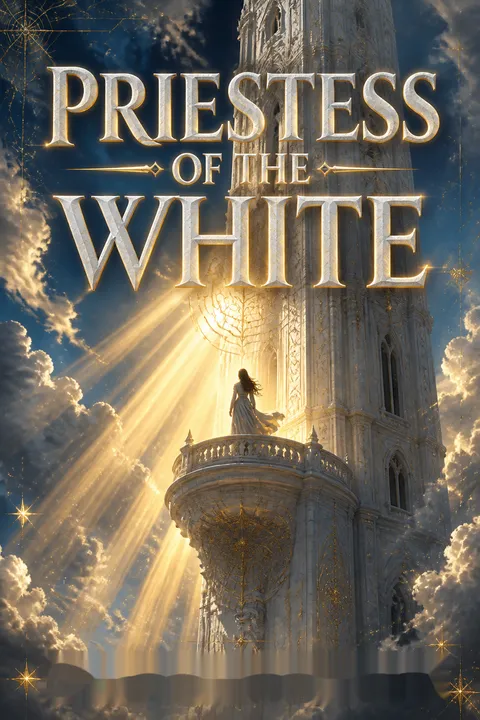
Auraya's induction into the White propels her into epic religious politics, layered with ceremony, skepticism, and power. The White, ancient and seemingly immortal, rule from an awe-inspiring tower at the heart of the Temple. Auraya is assigned an adviser, Danjin, whose sharp mind and humble past will anchor her diplomatic navigation. Behind the spectacle, however, lie tangled alliances and social divides: priests versus Dreamweavers, outsiders manipulated, and alliances with other nations negotiated in candle-lit rooms. With every ritual and council, Auraya steps further into the world's wounds, forced to see holiness as both blessing and snare—her unique Gifts pushing her to the center of a faith's greatest trials.
Spies, Healers, and Hopes
Auraya's lingering childhood friendship with Dreamweaver Leiard intensifies as she is drawn into tense alliances with outcast healers. Haunted by her mother's illness and the failings of conventional priests, Auraya covertly arranges for Leiard's forbidden treatments—a choice that risks her sacred standing. As war looms, the priesthood grows suspicious not only of their enemies abroad but those within their own faith. Danjin, her sensitive adviser, is caught between honesty and survival, observing the escalating tension between tolerance and dogma. The Dreamweavers, meanwhile, keep memories that run like an underground river—pools of pain, exile, and loss that threaten to break through, even in dreams.
Ascending the Tower
With immortality comes isolation. In the chilling heights of the Tower, Auraya is thrust among the ancient White—each marked by centuries of loss and countless secrets. The gods' Gifts are seductive, even intoxicating, but in sleepless nights Auraya yearns for genuine company. Her fellow White—Juran, Dyara, Mairae, and Rian—are marked by fanatic conviction as well as private regrets. New powers emerge in Auraya, but so do doubts: immortality guards her body but not her heart; proximity to the gods costs her the comforts of belonging, as the rules of mortals no longer apply and sympathies dangerous for gods' servants threaten to surface.
Secret Loyalties Tested
Auraya's past does not lie still. Her clandestine affection for Leiard, the Dreamweaver—now the adviser between nations—kindles both longing and peril. Their intimacy remains forbidden, haunted by the risk of exposure and massacre for an entire people. Dreams become a secret meeting ground, and dream-linking, illegal and strikeable by death, becomes an outlet for what cannot survive in daylight. The White around Auraya sense something, whether admiration or suspicion, but her loyalty to Leiard is tested against duty to her order and the threat of cultural annihilation. The gods' voices, silent or ambiguous, refuse guidance while humans bleed and hearts choke quietly.
Allies and Old Enemies
The struggle for alliances grows desperate as Auraya and the White attempt to unite the fractured nations of Northern Ithania against the threat of the Pentadrians, a cult from the South with its own powerful magic and immortal claims. The Siyee—winged mountain dwellers—and other minorities are courted, even as old prejudices simmer. Meanwhile, southern enemies unleash vorns—savage, mind-controlled predators—and bring forth black-clad sorcerers capable of countering even the White. Faith, once a shield, reveals itself as a battleground for politics, bigotry, and survival.
The Dreamweaver's Dilemma
Leiard, caught between Auraya's love and the expectations of his Dreamweaver kin, begins to lose himself to link memories—ancient, not always his own, including those of the legendary Mirar. Dream-linking, once a simple empathy, becomes a destabilizing force, where possessing fragments of another threatens to overwrite his identity. All the while, priests and Dreamweavers challenge him to choose a side, though neither path is safe. As Auraya and Leiard's secret intensifies, the lines between self and other, loyalty and desire, blur dangerously, with the mind itself becoming a battlefield.
Ties That Bind and Break
The impending war forces nations to choose sides, with long-standing animosities muddying loyalties. The Siyee, convinced by Auraya's unique bond and the promise of protection, join the alliance only after witnessing faith and mortal ingenuity entwined. First love and first betrayal shadow even the youngest, as Tryss—an inventive Siyee—risks mockery and reshapes his people's fate with technology. Meanwhile, petty power struggles among kings and councilors threaten the fragile coalition, hinting that unity wrought by fear is always brittle.
Immortality's Price Revealed
As Auraya masters her powers, she is forced to learn their limits—immortality shields her not from pain, but from the world's burdens. Each new Gift is also a test of boundaries: flight, healing, mind-reading. Against stronger Pentadrian sorcerers, Auraya learns mortality is nearer than it seems, and that the gods' Gifts are no guarantee of victory, let alone justice. Her victories and survival are haunted by the loss of friends, the betrayals of lovers, and her growing distance from the mortals she must one day judge or save.
Wings on the Wind
The once-aloof Siyee become central to the alliance, their strange winged flight both marvel and military advantage. Tryss's invention wins grudging respect, but flying in battle brings new horrors—death from above and below, kin falling from the sky. The Siyee learn, as all mortals do, that war will not spare the innocent, nor will it make heroes of those maimed by its caprice. Meanwhile, Auraya's ability to transcend physical limitations distances her further from those for whom gravity remains a law.
Webs of Deceit
Spies infiltrate every layer of society, some with mental powers, some with weapons, some with the coin of pleasure and humiliation. Prostitution, memory, and the urge for healing cut across lines of nation and faith. Ambitions and secrets unfold in brothels and battle tents—the past continues to plague the present. The outcast Emerahl, ancient and shape-shifting, flees gods and mortals alike, bearing secrets that may alter the fate of the war. The politics of flesh and memory prove as potent as the politics of swords and spells.
Shadows Crossing the Plains
The advance of the Pentadrian host—fueled by their own gods, their own miracles—pits sorcerer against sorcerer, with thousands of lesser mortals caught between. Priests, Dreamweavers, and spies scramble to read the intentions of the black-robed invaders, but the enemy's magic, brutality, and mysterious leaders thwart easy victory. Tension reaches fever pitch as both armies near the pass, ancient mines breached, and the illusion of strategy dissolves into the chaos of blood, magic, and last stands.
Dreamers' Nightmares
As the war grinds on, thousands begin to share a nightmare—the collapse of a tower, slow suffocation, power gone. Ancient trauma, the echo of Mirar's death, infects the dreaming. Emerahl, tracking this phenomenon, realizes memory itself can become a weapon—or a refuge. Among Dreamweavers, the boundary between waking and sleeping narrows, and secrets thought lost threaten to unravel both identity and allegiances. Nightmares, handed down as legacy, become both warning and prophecy for a continent on the edge of change.
The Battle Unfolds
On the Plains of Gold, gods' chosen and mortals meet the Pentadrian host. Battles rage both above and below: Siyee clash with black birds, vorns tear through the ranks, and the White duel Pentadrian sorcerers in blinding displays of power. Betrayals and surprises abound—mines long thought impassable disgorge new enemies; friendships are tested as trust is withheld; and the line between miracle and horror is threadbare. Even among the "victors," the cost is plain—thousands wounded, beliefs shaken, and alliances fragmented by grief.
Love's Rift Exposed
Juran discovers Auraya's clandestine love for Leiard, tearing them apart and banishing the Dreamweaver, ostensibly for the good of all. What was once passionate and sustaining becomes a source of pain, regret, and public shame. Auraya's heartbreak robs her powers of certainty; Leiard, too, shatters beneath Mirar's influence, losing both identity and direction. Their rupture becomes emblematic of bigger divides—faith versus love, progress versus tradition, immortality versus being human. When even the gods comment on love's dangers, the only certainty is change.
Bleeding, Healing, Surviving
As battle echoes fade, survivors stumble forward—wounded, grieving, or altered. Dreamweavers, emboldened by tragedy, pour their healing and forbidden memory into the wounded, priests watching in awe and apprehension. Auraya, bereft but resolute, senses her calling shifting: if souls can be saved, perhaps it is by bridging the wisdom of healers and the iron of faith. Yet even as she forges plans for a more unified world—redemption through tolerance—the cost remains writ in scars and in memory. Love and war, faith and freedom, victory and loss: all are paid in the coin of bleeding, healing, surviving.
Analysis
At its core, "Priestess of the White" interrogates the legitimacy and dangers of authority—be it divine, political, or personal. Trudi Canavan crafts a world where immortality is less a gift than a burden, and every blessing from the gods implicates its recipient in ongoing cycles of violence, doubt, and isolation. The story foregrounds the costs of faith and innovation: Auraya's Gifts isolate her from those she leads, her forbidden love threatens to destroy what she most wants to save, and every advance in healing or warfare breeds new forms of suffering. The tale is insistently modern in its skepticism—authority is always undercut by trauma, memory, and intimate betrayal. Canavan's biggest lesson is that progress, whether moral or magical, comes not through purity or certainty, but through persistent, painful reckoning with the legacy of exclusion and violence. Old wounds—whether in the mind or the body politic—do not heal through denial, but through the courageous, costly work of truly seeing and mending the divisions that both faith and fear create. The book leaves readers with hard-won hope: that mercy, once forbidden, may in time achieve redemption, and that the greatest strength lies in refusing both isolation and blind obedience, even—perhaps especially—when the gods themselves demand it.
Review Summary
Priestess of the White receives mixed reviews, averaging 3.89/5. Fans praise its rich world-building, multiple POV characters, and engaging exploration of religion and magic. Many readers highlight Auraya's character growth and the creative races like the Siyee. Critics, however, find the pacing slow, the protagonist too "Mary Sue"-like, and the writing style overly simplistic. Several readers note similarities to Canavan's earlier Black Magician trilogy, viewing this as both a strength and weakness. The character Emerahl and the pet veez Mischief are frequently mentioned as highlights.
People Also Read
Characters
Auraya
—Auraya's journey is that of an outlier forced into the center. Gifted with rare magic and stubborn compassion, she climbs from village obscurity to immortal servant of the gods as the youngest among the White. Her fast-tracked rise, born of saving her village and her persistent heresy (compassion for Dreamweavers), pushes her into spiritual and emotional conflict. Auraya's psychoanalysis reveals a fracture between loyalty to doctrine and empathy for the marginalized. Her bond with Leiard—both forbidden and necessary—becomes a crucible for her identity. As she earns new powers (flight, healing, mind-reading), she learns every Gift exacts a price: isolation, political suspicion, and loss of love. In the end, Auraya's arc is from innocence to pained wisdom, her ability to heal others shadowed by the cost to her own heart.
Leiard / Mirar
As a Dreamweaver, Leiard is doubly an outsider—revered for healing powers, shunned for religious heresy, and shadowed by the legacy of Mirar, Dreamweaver leader martyred by the gods. Leiard's relationship with Auraya offers hope and self-destruction: psychoanalyzed, he yearns to be loved and "belong" but cannot sever ties to Mirar's echoing memories, which threaten to erase his identity. The dream-linked affair with Auraya intensifies this psychic split—his love becomes both sanctuary and threat, potentially endangering all Dreamweavers. Mirar's presence inside him is unresolved trauma, the past demanding control, and a gothic warning about the dangers of unresolved loss and martyrdom. Ultimately, Leiard is caught between duty, self-preservation, and the hunger for intimacy in a hostile world.
Juran
Juran is the first and most senior of the White, exuding authority, confidence, and a deep sense of responsibility—a father-figure to both Auraya and his nation. Yet psychoanalysis reveals a spectrum of doubts: his own necessity for order, his fear of change, and regret over past violence (notably, killing Mirar). He embodies the tension between pragmatic leadership and inertia—willing to exercise power ruthlessly, yet haunted by the guilt of what that power has cost. Juran's evolving relationship with Auraya (and his suspicion of her romance with Leiard) demonstrates the impossibility of reconciling rigid tradition with the necessary evolution of faith.
Dyara
Second among the White, Dyara defines herself through rules, history, and discipline. Her psychoanalysis suggests repressed tenderness—displayed only in rare moments of vulnerability, particularly after the battle. Deeply suspicious of Dreamweavers and abrupt change, Dyara functions as both a mentor and counterbalance to Auraya. She prizes stability, and her private affection for another priest (Timare) is restrained and unconsummated, mirroring her distrust of the chaos of passion. In Dyara, the story asks whether order and mercy can truly coexist, and whether true leadership can exist without intimacy or empathy.
Mairae
Youngest prior to Auraya, Mairae is characterized by her beauty, warmth, and outspoken sensuality—an intentional foil to Dyara's severity. She brings a hedonistic, knowing perspective to the White, unashamed of multiple lovers and the physical world despite her immortal status. Psychoanalysis reveals she copes with pain (loss, battle, isolation) through pleasure and humor, yet she is also sharply perceptive and capable of deep empathy. Her support for Auraya, even in times of controversy, is crucial for maintaining the fragile unity of the White.
Rian
Rian's defining trait is zealous devotion to the gods—a strength and a liability. His psychoanalytic profile is that of a passionate ideologue, channeling his intensity into magical fanaticism, rigid celibacy, and the expectation that personal desire must always be subsumed to faith. Rian's relationship with others is marked by an inability to compromise. His encounters with the Pentadrian sorcerers skirt disaster—a reminder that conviction without flexibility courts ruin. In Rian, the story critiques the virtues and perils of certainty.
Danjin Spear
Danjin, adviser to Auraya, is a bridge between classes—once a merchant's son, now a learned guide in faith's high courts. His psychoanalytic arc is one of growing humility and compassion; his keen observation and skepticism cocoon a soft heart still vulnerable to family pressure and personal doubt. Danjin cares for Mischief the veez as a reflection of his quiet loyalty, and his evolving opinion of Dreamweavers reflects the possibility of real change even among the entrenched.
Emerahl
Emerahl's story is an exile's: for centuries, she flees the gods' wrath, changing age and identity at need, resorting to prostitution and cunning to avoid capture. Her psychoanalysis is a study in adaptation—trust is impossible, loyalty always conditional, and self-protection trumps all. Yet her journey toward the source of the tower dream (Mirar's death memory) reveals her own longing for connection, even as she witnesses the folly of faith-fueled wars. Through Emerahl, the narrative explores the costs and strategies of surviving in a world that will always reject the different.
Tryss
A young Siyee whose daring blowpipe harness transforms both hunting and warfare for his people, Tryss embodies the awkward transition from ridicule to redemption. His psychoanalysis reveals a deep hunger for acceptance—by his family, tribe, and Drilli, the girl he loves. Through innovation, he wins a place in the world, but his journey shows that technology cannot save anyone from all the world's wounds. Tryss's story parallels Auraya's—an ordinary soul burdened with consequences he never wished for and forced to adapt.
Sirri
Sirri is a pragmatic, deeply caring leader, aware of the costs of alliance and war for a people as vulnerable as the Siyee. Her psychoanalysis reveals a conflict—she is driven to protect her people from extinction but understands that engagement and innovation may ultimately destroy what she most values. Sirri's encouragement of Tryss and support for Auraya shows a leader's sacrifice: the wisdom to back necessary change even if it comes with grief.
Plot Devices
Godswalkers and Chosen: Immortal Power, Mortal Cost
The narrative is built around the device of mortal "Chosen" (the White) wielding immense, god-derived power but not absolute autonomy. This allows for both epic scope and personal doubt—tensions between faith and agency, tradition and innovation. The Chosen function as both secular leaders and sacred symbols, bringing the high-stakes drama of godly politics into mortal affairs. The device is further complicated by the gods' capricious, often ambiguous guidance—sparking questions about the very nature of good, evil, and destiny.
Memory, Dreamlinking, and Identity
Central to the novel is the Dreamweavers' ability to share and project memories—notably Mirar's, whose death at the hands of the Circlian leader becomes an open wound across generations. Dreamlinking serves as both a literal connection (the secret affair of Leiard and Auraya) and a metaphorical threat: how much of who we are is what we remember, and how much can we lose or steal through intimacy? The recurring tower dream both foreshadows and refracts trauma, binding eras and individuals in a web of unresolved legacy.
Expanding War and Shifting Alliances
Canavan uses alternating points of view and simultaneous events to build tension as alliances harden and individuals are forced to choose sides. From Siyee politics to Dreamweaver encampments, intimate betrayals echo in grand wars. War councils, battles, and diplomatic rituals sequence the plot—each turn revealing new strengths, vulnerabilities, and the costs of choosing wrong. These devices are complemented by the constant presence of spies, whose theft of knowledge matches the theft of bodies and souls in war and magic.
Foreshadowing of Consequence Through Law and Transgression
The forbidden love between Auraya and Leiard, Dreamlinking's legal peril, and the shifting law against Dreamweaver healing combine to foreshadow disaster. Acts deemed "necessary" for love, healing, or state reveal themselves as wounds in the social fabric. The breaking of laws—personal, religious, or magical—serves as both the engine of plot and the warning bell of consequence.
Contagion of Trauma as Collective Dream
The tower dream, projected across a continent, is both individual trauma and collective prophecy—a device that transmits the costs of old crimes (the murder of Mirar) and invites the possibility that pain, unaddressed, will return with vengeance or wisdom. This shared nightmare binds the narrative's magic system to its emotional and political stakes.
Age of the Five Series

About the Author
Other books by Trudi Canavan

Download PDF
Download EPUB
.epub digital book format is ideal for reading ebooks on phones, tablets, and e-readers.








































